A discreet due diligence guide for family-office principals evaluating wine storage infrastructure before purchasing ultra-prime South Florida residences.
For family-office principals, a South Florida residence is rarely a simple lifestyle purchase. It may serve as a seasonal base, a hospitality setting, a privacy asset, a legacy hold, and a secure environment for art, jewelry, vehicles, and wine. Yet wine storage is often considered too late, after the floor plan has been admired, the terrace measured, and the contract terms set in motion.
That sequence is a mistake. A serious wine collection is not merely housed in a cabinet. It depends on temperature stability, humidity management, low vibration, controlled light, reliable power, and service access that does not compromise privacy. In a coastal luxury market where glass, views, terraces, and dramatic entertaining spaces shape the design language, the right storage infrastructure should be understood before a principal signs.
The issue is not whether a residence has a beautiful wine wall. The sharper question is whether the residence can support the principal’s actual collecting behavior. Does the home need display storage, deep storage, or both? Will bottles be accessed by family, domestic staff, sommeliers, private chefs, or event teams? Is the collection intended for near-term entertaining, long-term preservation, or a mix of investment-grade and sentimental holdings? These questions affect the residence as much as the décor.
In ultra-prime South Florida, wine can appear as a lifestyle cue: backlit labels behind glass, a sculptural tasting counter, or a cellar adjacent to a dining room. Those details can be elegant, but they are not the same as infrastructure. Infrastructure is what allows the collection to remain protected when the residence is occupied, vacant, serviced, or hosting.
Principals should ask how the system is cooled, where heat is rejected, how condensation is managed, and whether the equipment can be maintained without disrupting the household. They should also ask how the storage performs when doors open frequently, when an event team stages a dinner, or when staff need to receive deliveries discreetly.
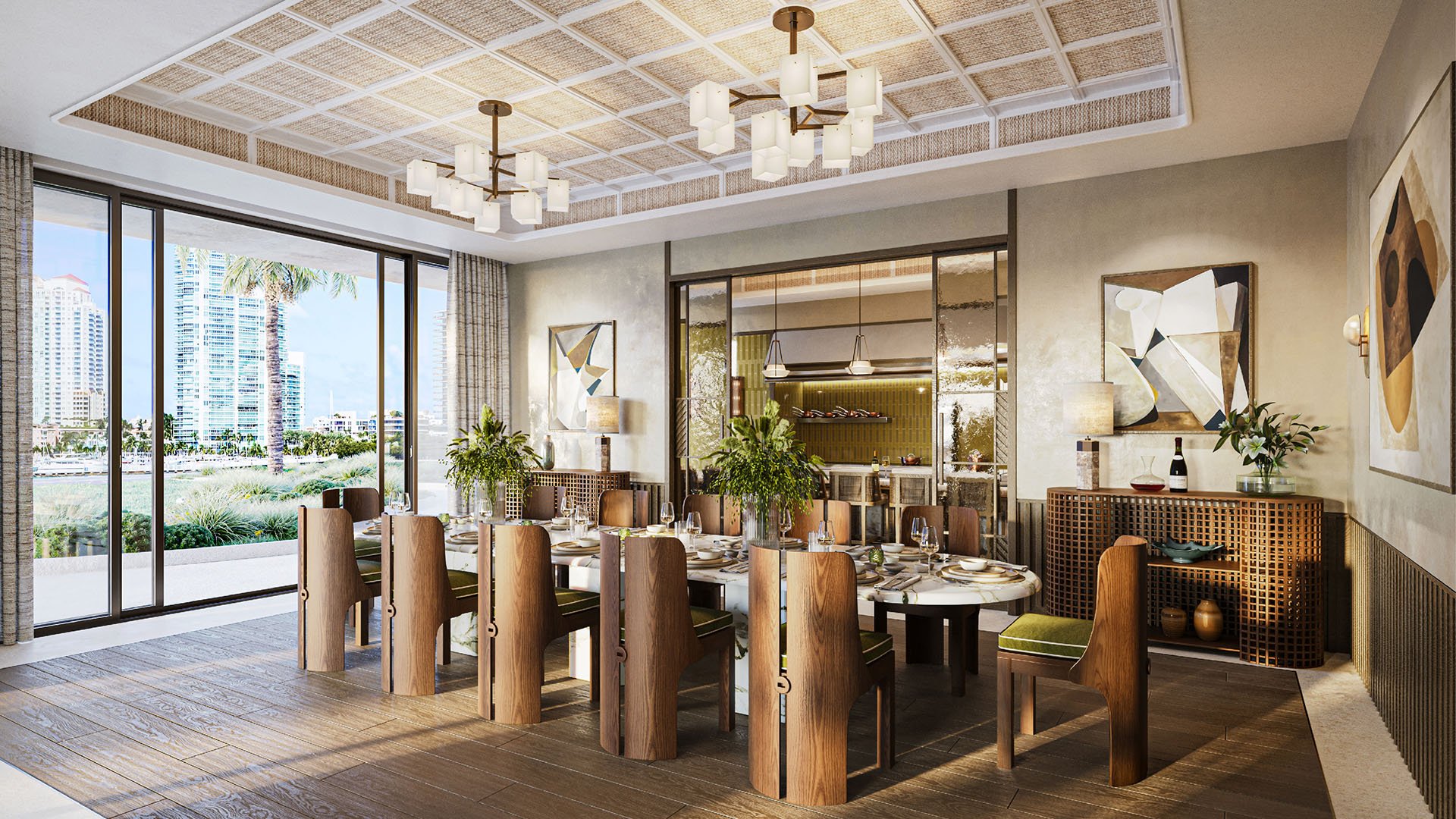
This is especially important in high-design residences where the architecture invites transparency. A glass-enclosed wine room may look spectacular, but glass, lighting, and nearby entertaining zones can create practical challenges. The answer is not to avoid display. It is to separate presentation from preservation, so the most valuable bottles are not made vulnerable by the most photogenic part of the room.
The pre-signing checklist should begin with capacity, but it should not end there. Capacity is only meaningful if bottles can be stored in the formats the principal actually owns, including large-format bottles, original wood cases, mixed vintages, and ready-to-serve allocations. A residence that looks sufficient on a rendering may prove inadequate once bottle shapes, racking geometry, and access routes are studied.
Next, the family office should review mechanical dependency. Wine storage is a small environment with a low tolerance for instability. If the residence is part of a condominium, the principal should understand what can be controlled privately, what is tied to building systems, and what requires association approval. If the home is single-family, the focus shifts to equipment placement, backup systems, drainage, and service pathways.
The team should also discuss insurance and inventory protocols. A collection without a current inventory, photo documentation, and a clear access policy can become difficult to protect. For principals who entertain frequently, the question is not only what is owned, but who is authorized to retrieve, move, open, or accept bottles.
Finally, the family office should connect the wine consultant, architect, interior designer, mechanical engineer, property manager, and insurance advisor early. When wine storage is handled as a coordinated capital system, the result is quieter, more reliable, and more closely aligned with the principal’s lifestyle.
Condominium living can be ideal for principals who want service, security, lock-and-leave convenience, and proximity to business or cultural life. It also requires a more refined approach to wine storage diligence. In a vertical residence, alterations may be constrained by building rules, riser locations, waterproofing requirements, equipment noise, and service access.
In Brickell, buyers evaluating residences such as The Residences at 1428 Brickell should think beyond the elegance of the entertaining rooms and ask how private storage will be supported operationally. If the residence is intended for frequent dinners, charity evenings, or board-level hospitality, the wine plan should be integrated with catering circulation, kitchen support, and staff protocols.
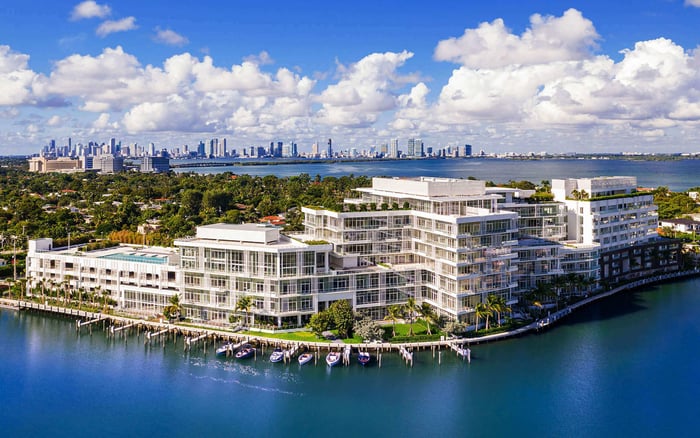
Miami Beach presents a different rhythm. At The Perigon Miami Beach, or in any ocean-adjacent residence of comparable ambition, the wine discussion should include the relationship between display, sun exposure, terrace entertaining, and interior climate zoning. Miami Beach buyers often focus on view corridors first, but wine infrastructure rewards the opposite discipline: begin with the rooms that must perform quietly, then refine the rooms designed to impress.
A private home may offer more control, but control only helps if it is planned. In estate settings, principals may want a cellar, tasting room, back-of-house receiving zone, and secure storage for cases that are not intended for display. This can be easier to achieve than in a condominium, but it introduces its own questions: equipment redundancy, staff routing, exterior heat exposure, and privacy during deliveries.
In Coconut Grove, a residence like Four Seasons Residences Coconut Grove can prompt a broader conversation about service culture and long-term ownership. Coconut Grove clients often value discretion, greenery, and a softer residential cadence. Wine infrastructure should follow that mood: quiet mechanicals, calm presentation, and access that never turns household service into theater.
Palm Beach and West Palm Beach buyers may take an even more legacy-oriented view. A principal considering Alba West Palm Beach should consider whether the residence is a second home, a primary base, or part of a wider family pattern across multiple properties. The wine plan should match that role. A seasonal home may require more remote oversight and tighter access controls, while a primary residence may prioritize entertaining flow and daily usability.
Wine storage diligence is ultimately an operational exercise. Who receives shipments? Where are cases opened? How are bottles logged? Can staff reach the cellar without crossing formal guest spaces? Is there a backup plan during maintenance? Can a technician access the system without entering private rooms unnecessarily?
These questions may feel granular, but that is precisely why family offices should ask them early. The cost of correcting poor wine infrastructure after closing can exceed the cost of designing it properly before commitments are made. More importantly, late corrections can compromise millwork, finishes, acoustics, and privacy.
The best homes make this invisible. Guests see a gracious dinner, a serene tasting moment, or a perfectly served bottle. They do not see the mechanical planning, access policy, inventory discipline, and service coordination behind it. For principals, that invisibility is the point.
Before signing, the family office should treat wine storage as part of technical diligence, not personal preference. The purchase team can request design information, evaluate alteration pathways, and identify any approvals that may affect installation. If a residence is pre-construction, the principal may have a narrower window to influence rough-ins, power, drainage, and layout before finishes are locked.
This is where a sophisticated advisory team adds value. Real estate counsel, the owner’s representative, the wine specialist, and the design team should align before the contract becomes emotionally irreversible. The goal is not to overcomplicate a purchase. It is to prevent an important personal asset from being forced into a residence that was never designed to support it.
For family-office principals, wine storage is a proxy for a larger truth about South Florida luxury real estate: the most refined residences are not defined only by what they show. They are defined by how intelligently they perform when no one is looking.
Should wine storage be reviewed before making an offer? Yes. It is best reviewed before signing, when layout, approvals, and technical requirements can still shape the decision.
Is a decorative wine wall enough for a serious collection? Usually not. Display can be beautiful, but preservation depends on environmental stability, access control, and service planning.
What should a family office ask a developer or seller? Ask what systems support the wine area, what alterations are allowed, and how maintenance can occur without compromising privacy.
Does condominium ownership limit wine storage options? It can. Building rules, mechanical pathways, waterproofing, and service access may affect what can be installed or modified.
Is single-family ownership always better for collectors? Not always. It may offer more control, but it still requires planning for equipment, backup, deliveries, and staff protocols.
Should display and long-term storage be separated? For many collectors, yes. Display can serve entertaining, while deeper storage can prioritize stability and discretion.
Who should be involved in wine storage diligence? The family office should coordinate the wine consultant, architect, designer, engineer, property manager, and insurance advisor.
How does entertaining affect the wine plan? Frequent entertaining increases the importance of access routes, inventory discipline, staging areas, and staff authorization.
Can wine infrastructure affect resale perception? A thoughtful system can support the sense of quality, especially when it feels integrated rather than improvised.
What is the main principle for principals to remember? Treat wine storage as infrastructure first and atmosphere second, then allow design to make the performance feel effortless.
If you'd like a private walkthrough and a curated shortlist, connect with MILLION.
If branded residences are on your mind — as a home or as an allocation — we would be glad to share what we are seeing, privately.
Begin a quiet conversation