A buyer-focused examination of private dining as a residential service, including access, operating rules, costs, privacy, guest use, and due diligence.
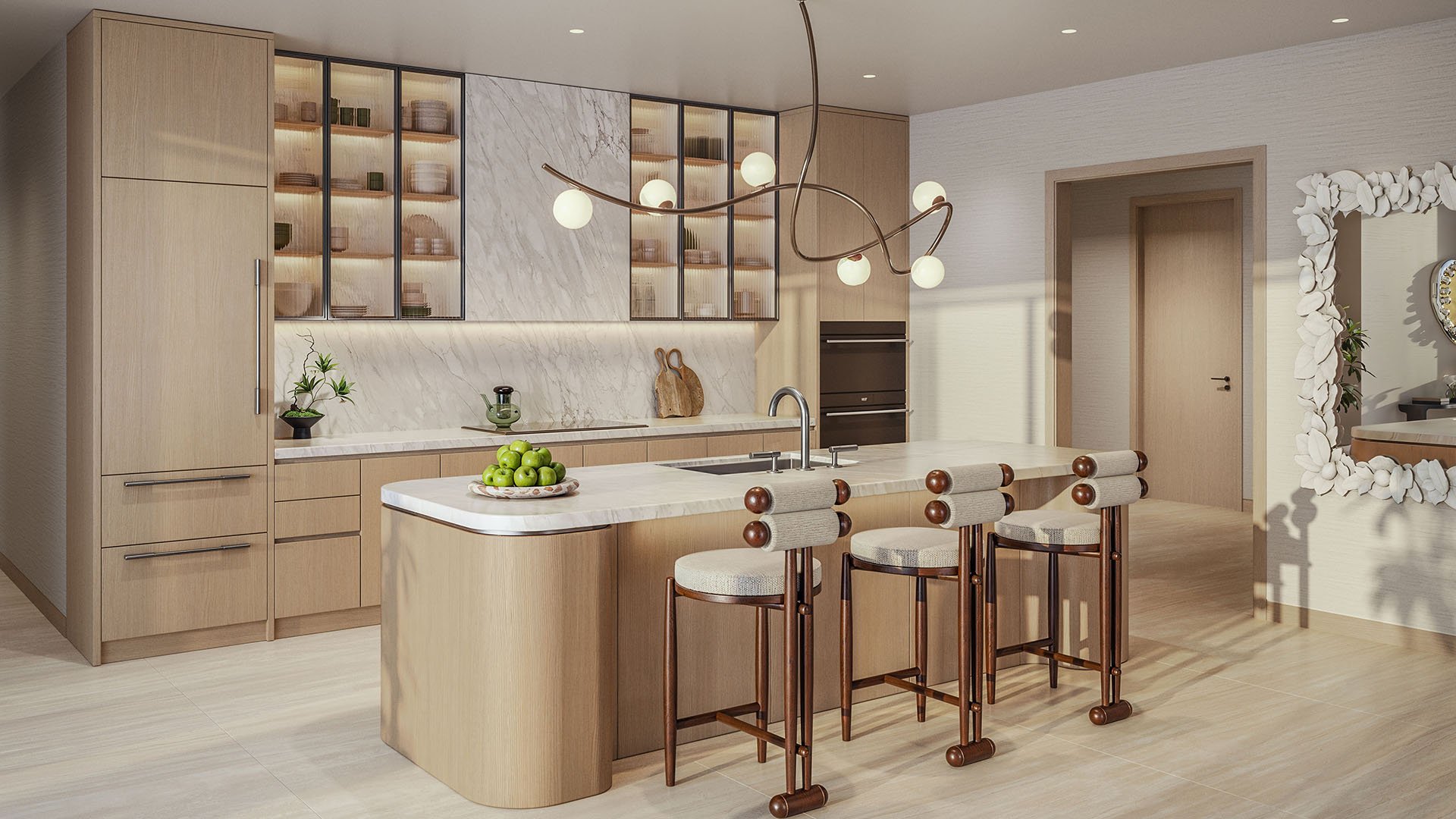
For buyers considering Delano Residences & Hotel Miami, the phrase “resident-only hospitality” warrants a practical reading. Private dining is not simply another room within an amenity program. Its relevance depends on whether it makes everyday ownership more private, convenient, and consistent.
That distinction is especially important in Downtown Miami, where a residence may function as a primary home, an urban pied-à-terre, or a base for entertaining. Buyers should look beyond atmosphere to determine how access, reservations, guest privileges, service charges, and operating standards work in practice.
The benefits can be meaningful. A well-structured dining program may reduce the friction of hosting, provide a polished setting beyond the residence, and offer a level of discretion that public venues cannot always deliver. Yet its value rests on the rules and their execution-not the label.
Resident-only hospitality should begin with controlled access. Buyers should establish who qualifies as a resident, whether tenants receive the same privileges as owners, and how household members and guests are registered. If hotel guests, club members, or outside diners may enter under certain conditions, the precise access hierarchy matters.
Privacy also has several dimensions. It may mean physical separation, limited reservations, restrained capacity, discreet staffing, or simply an environment designed around familiar users. Buyers should not assume that “private” guarantees exclusivity at every hour. Governing documents and operating policies should define the experience.
This is part of the broader appeal of branded residences, but branding alone does not resolve operational questions. Service must remain dependable long after the novelty of opening has passed.
The most persuasive use case is not a gala dinner. It is a quiet breakfast, a business lunch close to home, or an evening meal when residents prefer not to cross the city. Private dining can also extend a residence’s functional space, offering a polished setting for guests without requiring the owner to maintain a formal dining room for occasional use.
Bars and dining rooms can establish a social rhythm, yet owners may value the freedom to choose between engagement and retreat. A successful resident environment should accommodate both. The best test is frequency: how often would the buyer realistically use the service, and what recurring inconvenience would it remove?
This lifestyle calculation varies by household. A full-time resident may prioritize consistency and dietary preferences. A second-home owner may place greater value on effortless arrivals, guest hosting, and recognition by staff. Neither profile should rely on broad promises when service procedures can be reviewed before purchase.
Seek clarity on operating hours, reservation windows, cancellation terms, dress expectations, guest limits, minimum spends, delivery to residences, private-event bookings, and holiday availability. Buyers should also ask whether culinary service is operated directly, managed by a hospitality partner, or subject to replacement.
Costs deserve equal scrutiny. Determine which elements are included in common charges and which are billed per use. Food and beverage minimums, gratuities, staffing fees, event charges, corkage, and room-service premiums can materially shape the ownership experience, even when each charge appears modest in isolation.
In a condo-hotel setting, owners should understand how residential priorities interact with hotel operations. Shared staffing may add convenience, but the documents should explain whether residents receive priority and whether access can change during high-demand periods or private events.
Comparison is most useful when it examines operating philosophy rather than decorative similarity. A buyer studying Delano may also consider 619 Residences by Foster + Partners + Nobu Hospitality, ORA by Casa Tua Brickell, and Faena Residences Miami Downtown Miami as distinct expressions of hospitality-associated residential positioning.
The objective is not to choose a winner based on brand recognition. It is to compare the details that shape ownership: who operates the service, how residents are prioritized, whether guest use is intuitive, what is included, and how standards are maintained over time. A beautifully presented dining concept offers limited utility if reservations are difficult, policies remain unclear, or charges discourage regular use.
Resident dining is an operating commitment. Buyers should review who may modify hours, menus, access policies, or service levels, and whether the residential association has a role in oversight. They should also understand what happens if the operator changes or a venue becomes temporarily unavailable.
From an investment perspective, private dining should be viewed as a qualitative differentiator, not a guaranteed financial outcome. It may enhance personal enjoyment and distinguish a residence for future buyers, but it should not replace analysis of the home itself, ownership costs, governance, use restrictions, and long-term fit.
The central question is straightforward: does the hospitality platform make ownership measurably easier? When clear rights, transparent costs, and credible operating procedures support the answer, private dining can become part of daily life rather than an amenity experienced only during a tour.
What does resident-only dining mean for an owner? It should mean defined resident access, subject to the property’s governing documents and operating policies.
Should buyers assume the dining room is always exclusive? No. Buyers should verify whether hotel guests, club members, invitees, or private events may share or reserve the space.
Can owners bring guests? Guest privileges may depend on registration, reservation limits, capacity, or host attendance, so buyers should review the applicable rules.
Is food and beverage included in common charges? Buyers should distinguish base operating support from per-use dining bills, gratuities, delivery charges, and event fees.
Can private dining replace a formal dining room at home? For some owners, it can extend their entertaining space, but its usefulness depends on availability, privacy, and guest policies.
What operating details matter most? Hours, booking priority, cancellation rules, guest limits, delivery options, private-event access, and holiday service are central.
Why does the service operator matter? The operator shapes staffing, consistency, menu execution, and the procedures residents encounter in ordinary use.
Could dining policies change after closing? They may change if the governing framework permits it, making amendment rights and oversight important due-diligence considerations.
Is private dining inherently valuable for resale? It can differentiate a residence, but no single amenity guarantees demand or future value.
What is the best buyer test for this amenity? Determine how often the household would use it, what inconvenience it solves, and whether its full cost feels proportionate.
If you'd like a private walkthrough and a curated shortlist, connect with MILLION.
If branded residences are on your mind — as a home or as an allocation — we would be glad to share what we are seeing, privately.
Begin a quiet conversation