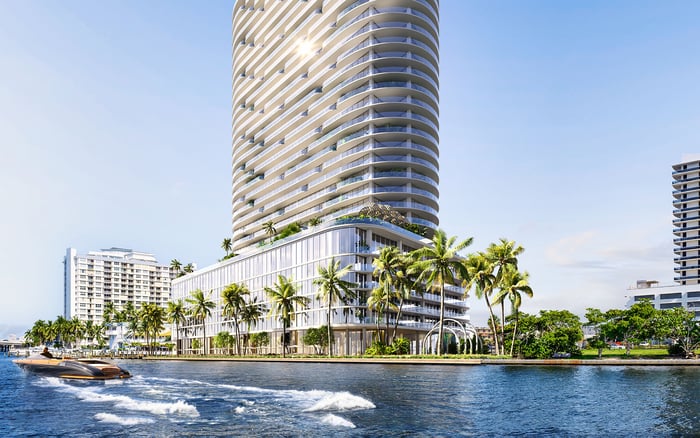
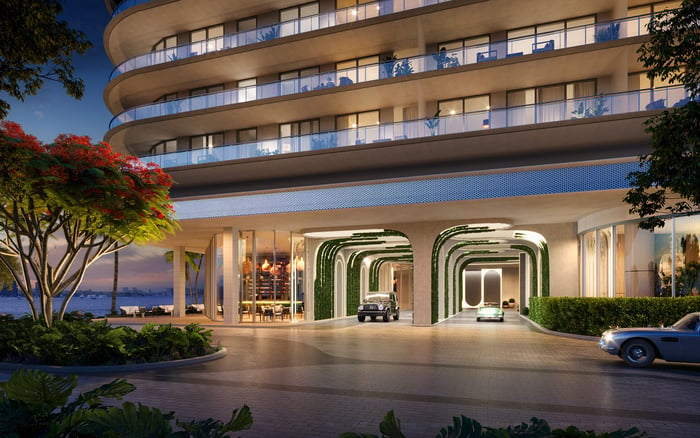
A buyer-focused examination of private dining and entertaining at two North Bay Village residential projects, with emphasis on documentation, operations, guest policies, kitchens, costs, and waterfront use.
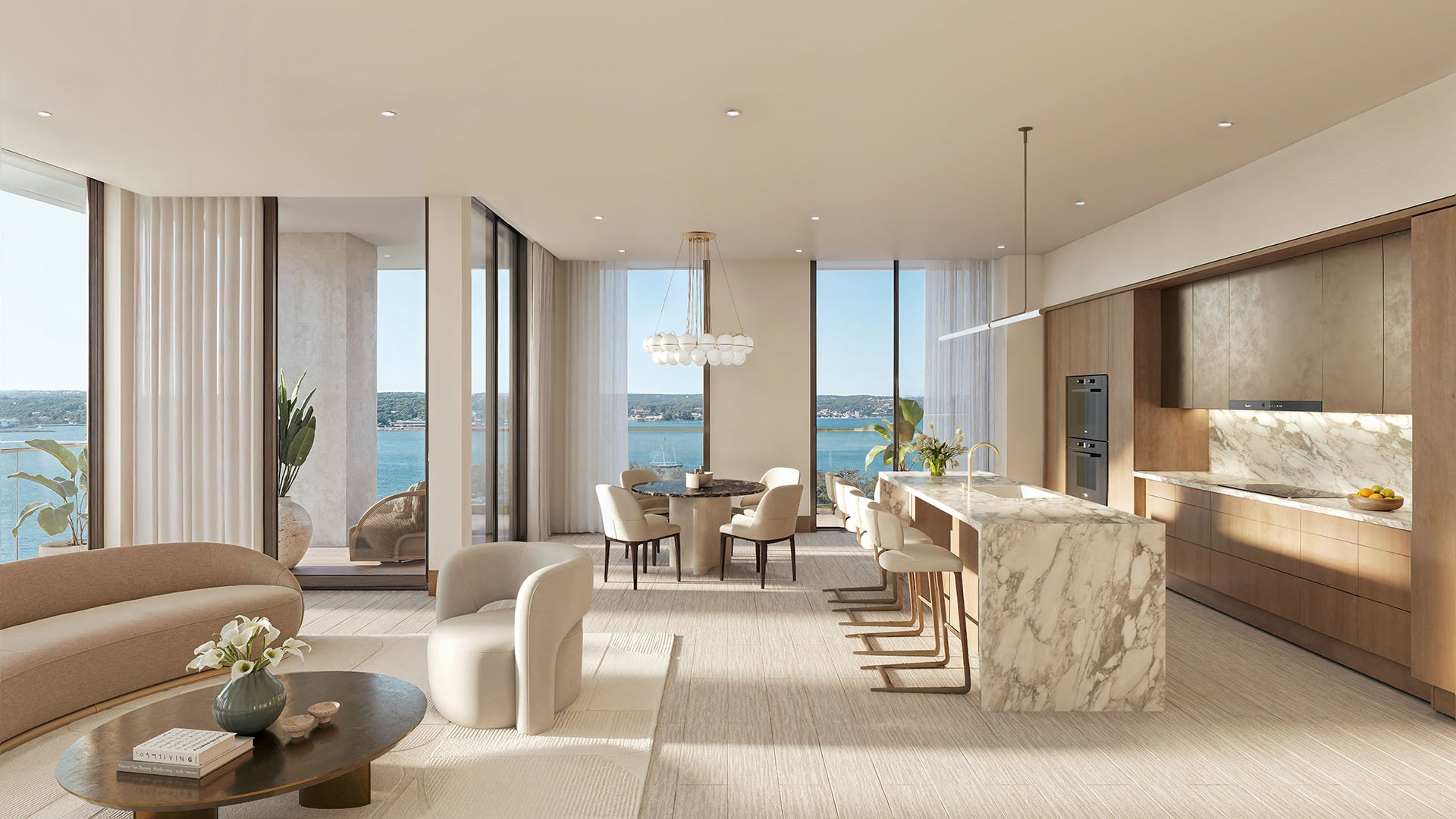
Private dining can support intimate dinners, family celebrations, and catered receptions, but its practical value depends on more than presentation. Buyers need to understand whether a space is included in the final plans, how it may be used, and which rules govern reservations and guests.
For buyers comparing Continuum Club & Residences North Bay Village and Tula Residences North Bay Village, the central question is not simply whether private dining appears in promotional materials. Final condominium documents, purchase disclosures, amenity schedules, plans, and applicable rules should establish what is delivered and how it operates.
Request written confirmation of any reservable dining or entertaining room. The review should identify the room by name and location, clarify its intended use, and explain whether access is a resident right or a privilege governed by association rules.
Ask whether the space becomes exclusive during a reservation or remains open to other residents. Confirm occupancy limits, permitted furniture arrangements, music policies, alcohol rules, event hours, decoration restrictions, and any requirements for security or building staff.
Buyers should also distinguish between a room intended for seated dining and a lounge that happens to contain dining furniture. Floor plans, dimensions, seating layouts, circulation paths, and nearby support areas can help determine whether a space suits the buyer's preferred style of hosting.
A polished room can be difficult to use without suitable service support. Verify whether the final amenity program includes a catering kitchen, warming kitchen, grills, refrigeration, dishwashing equipment, or facilities intended for chef service. Determine whether food may be prepared on-site or only finished and plated.
Vendor access matters as well. Ask whether residents may hire private chefs and outside caterers, whether vendors need insurance or advance approval, and which entrances, elevators, staging areas, and waste-removal procedures apply. If outside catering is restricted, request a written explanation of any alternative service model.
Storage and cleanup can affect convenience and cost. Buyers should establish whether china, glassware, linens, serving pieces, cleaning support, and post-event waste removal are included, available for a fee, or entirely the resident's responsibility.
Review booking windows, frequency limits, priority rules, guest caps, security deposits, cleaning charges, cancellation terms, event hours, and holiday restrictions. Ask whether the initial documents fix these terms or permit the association to establish or revise them later.
Clarify whether nonresident guests may attend and whether setup and breakdown count against the reserved period. Buyers who entertain regularly should also ask about consecutive bookings, recurring reservations, noise requirements, staffing obligations, and procedures for damage claims.
The goal is to determine not only whether an amenity exists, but whether its operating framework matches the resident's expected frequency, scale, and style of entertaining.
When a dining or entertaining program includes outdoor areas, study how those areas relate to the interior. Ask whether indoor and outdoor spaces can be reserved together, whether doors may remain open, and which procedures apply during rain, wind, heat, maintenance, or temporary closures.
Confirm the availability and rules concerning shade, lighting, power, acoustics, furniture, restrooms, and service circulation. These details can determine whether an outdoor component supports a full meal, a reception, or only limited use.
Buyers building a broader North Bay Village comparison set may also review Shoma Bay North Bay Village. For another nearby project comparison, La Baia North Bay Harbor Islands may help buyers develop questions about shared social spaces. Each project should be evaluated through its own final documents and disclosures.
Before signing, request the final amenity schedule, relevant floor plans, draft or adopted rules, fee provisions, and disclosure language addressing changes to common areas. Qualified legal and real-estate advisers can review the applicable materials and help connect expectations to written provisions.
For private entertaining, buyers should be able to answer five questions: what space exists, who may use it, when it can be reserved, what service infrastructure supports it, and what an event may cost. Any answer that depends only on an informal description should be treated as unresolved.
The most suitable private dining amenity is the one whose proportions, service support, indoor-outdoor relationship, and operating rules align with the resident's actual plans for hosting.
Is a private dining room at Continuum definitively confirmed here? No. Buyers should obtain written confirmation in the final project materials rather than rely on preliminary descriptions.
Is a private dining room at Tula definitively confirmed here? No. Project-specific final documents should establish whether the amenity exists and define its permitted use.
What should buyers verify about the dining room itself? Confirm its location, dimensions, seating plan, reservability, occupancy limit, furniture arrangement, and permitted uses.
Why does kitchen infrastructure matter? Kitchen equipment and service areas determine whether food can be prepared, finished, plated, served, and cleared efficiently.
Can residents hire a private chef or outside caterer? That depends on the final building rules, vendor requirements, insurance provisions, and service-access policies.
Which reservation costs deserve attention? Review booking fees, security deposits, cleaning charges, cancellation penalties, staffing expenses, and damage provisions.
Are nonresident guests necessarily permitted? No. Buyers should confirm guest limits and whether private events may include people who do not live in the building.
How important are event-hour restrictions? They are important because setup, the event, and breakdown may all count toward the permitted reservation period.
What should buyers ask about outdoor entertaining? Confirm reservation rights, shade, lighting, power, weather procedures, acoustics, furniture, restroom access, and service circulation.
Which documents should guide the purchase decision? Buyers should review final condominium documents, purchase disclosures, amenity schedules, plans, fee provisions, and applicable rules.
For a discreet conversation and a curated building-by-building shortlist, connect with MILLION.
If branded residences are on your mind — as a home or as an allocation — we would be glad to share what we are seeing, privately.
Begin a quiet conversation