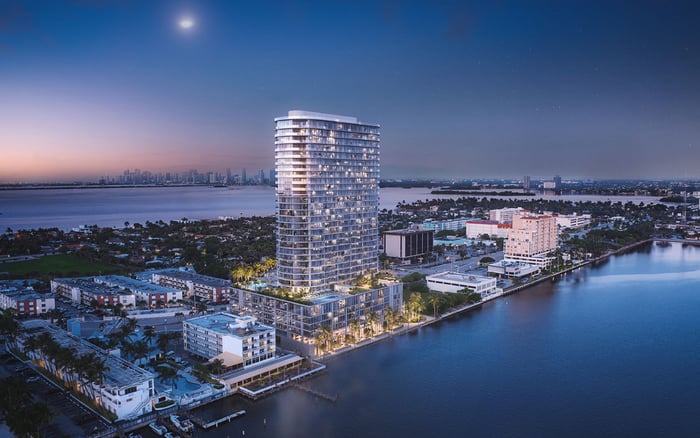
A buyer-focused framework for evaluating winter life at Tula Residences, from service expectations and dining plans to guest protocols and arrival logistics.

For a prospective winter resident, Tula Residences North Bay Village should be evaluated as more than a floor plan and view. The essential question is how gracefully ownership will function when the residence is in active use, friends are visiting, dinner plans are fixed, and every handoff matters.
Peak demand is best treated as a planning scenario, not a promise about conditions. Buyers should ask how requests are prioritized, which services require advance notice, and where resident responsibility begins. The objective is not to eliminate spontaneity, but to understand the operating framework well enough to keep it elegant.
This is especially important for second-home ownership. A residence occupied intensively for part of the year must feel intuitive from the first arrival, even after months away.
Service quality is defined by more than the range of assistance presented during a sales conversation. Winter owners should examine practical execution: channels for submitting requests, expected acknowledgment procedures, escalation paths, after-hours coverage, package handling, vendor access, and the handling of simultaneous high-priority needs.
Ask which services are included, arranged through third parties, billed separately, or subject to availability. Also clarify how management communicates temporary changes. New-construction buyers should distinguish between a proposed service vision and the binding documents governing actual ownership.
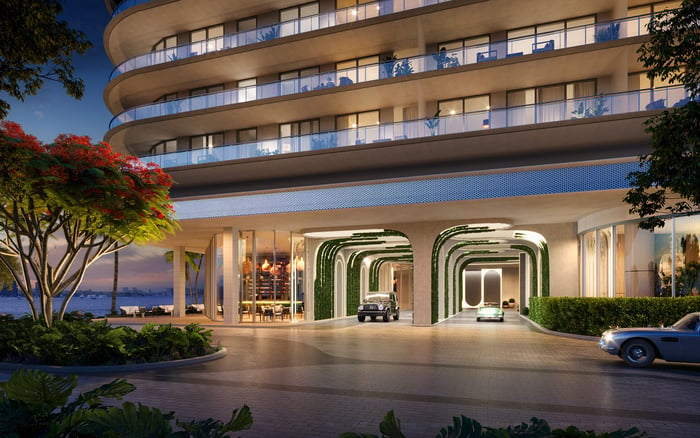
A useful test is to map a typical arrival day. Who can receive provisions, admit a household vendor, coordinate luggage, and resolve an access issue? Confirm each answer through current project materials and governing documents rather than inferring it from presentation language.
Winter dining is partly about restaurants and partly about orchestration. Owners should consider reservation lead times, driving windows, pickup procedures, delivery access, dietary requirements, and the point at which guests enter the evening. A bar may suit one occasion; private dining or an in-residence meal may better serve another.
The relevant due diligence is building-specific. Can deliveries reach the residence directly, or must they be collected? Are caterers treated as guests or vendors? What insurance, scheduling, loading, or service-elevator rules apply? If private chefs are part of the intended lifestyle, confirm the procedures before assuming a seamless setup.
These questions also help buyers compare the ownership proposition with nearby options such as Continuum Club & Residences North Bay Village, without presuming that two projects share the same policies.
Guest experience begins with authorization, not at the front door. Before purchasing, request clarity on advance registration, identity verification, arrival instructions, parking permissions, overnight stays, household staff, minors, pets, and the distinction between social guests and paid vendors.
The best framework begins with the owner’s actual hosting pattern. A couple who entertains at dinner needs a different access plan from a multigenerational household expecting extended winter visits. Ask whether recurring guests can be preauthorized, how last-minute arrivals are handled, and who resolves exceptions outside ordinary hours.
Privacy matters as much as convenience. Buyers should understand what information is collected, who may view it, and how access records are managed. Written policies should set expectations, while management can explain the day-to-day resident experience.
North Bay Village buyers may naturally examine several projects, including Shoma Bay North Bay Village. Comparison is valuable only when the same questions are applied to each property. A polished amenity narrative does not, by itself, explain guest permissions, delivery circulation, service staffing, or the cost structure behind resident requests.
Create a side-by-side matrix covering governance, staffing, parking, vendor protocols, reservation systems, pet rules, and charges. Waterfront orientation may shape the emotional appeal of a home, but operations determine whether winter occupancy feels composed.
For a broader geographic comparison, Onda Bay Harbor can serve as another residential reference point. The purpose is not to declare one model universally superior, but to identify which best supports the buyer’s household rhythm.
Before contract milestones, request the latest materials governing services, guests, parking, deliveries, vendors, pets, and the use of shared spaces. Have qualified advisers review documents relevant to the purchase, and direct unresolved operational questions to the appropriate project representatives.
Then run three scenarios. First, model the owner’s arrival after an absence. Second, model a dinner with several guests and an outside vendor. Third, model an overnight family visit involving parking, luggage, deliveries, and household support. Note every point requiring approval, advance notice, a fee, or staff assistance.
This exercise converts an abstract luxury proposition into an ownership plan. For Tula, the decisive issue is not whether peak periods sound exciting. It is whether the residence, building procedures, and owner expectations remain aligned under pressure.
What should a winter buyer verify first at Tula Residences? Begin with current governing materials and written procedures for service requests, access, parking, deliveries, and vendors.
Does peak demand guarantee slower service? No assumption should replace project-specific confirmation. Ask how requests are prioritized and how changes are communicated.
Should service promises be confirmed in writing? Yes. Distinguish binding obligations from illustrative sales language and from services dependent on third parties or availability.
How should owners plan restaurant evenings? Consider reservation timing, transportation, guest arrival, parking, and building procedures for drivers and deliveries.
Can a private chef automatically access the residence? Do not assume so. Confirm vendor registration, insurance, loading, elevator, scheduling, and kitchen-access requirements.
What matters most for overnight guests? Verify registration, duration, parking, key or credential issuance, pet rules, and any limits in the governing documents.
Are last-minute visitors likely to be admitted? Procedures may vary. Buyers should ask who can authorize an exception and what identification is required after hours.
How should buyers compare nearby residences? Apply identical criteria for governance, staffing, guest access, deliveries, parking, fees, and shared-space reservations.
Why model an arrival day before purchasing? It reveals practical dependencies involving luggage, provisions, household vendors, access credentials, and staff assistance.
Who should review the final ownership rules? Qualified legal and financial advisers should review relevant documents, while project representatives address current operations.
When you're ready to tour or underwrite the options, connect with MILLION.
If branded residences are on your mind — as a home or as an allocation — we would be glad to share what we are seeing, privately.
Begin a quiet conversation