A discreet acquisition framework for family-office principals evaluating luxury residential purchases in North Bay Village, focused on governance, liquidity, resilience, privacy, and lifestyle fit.
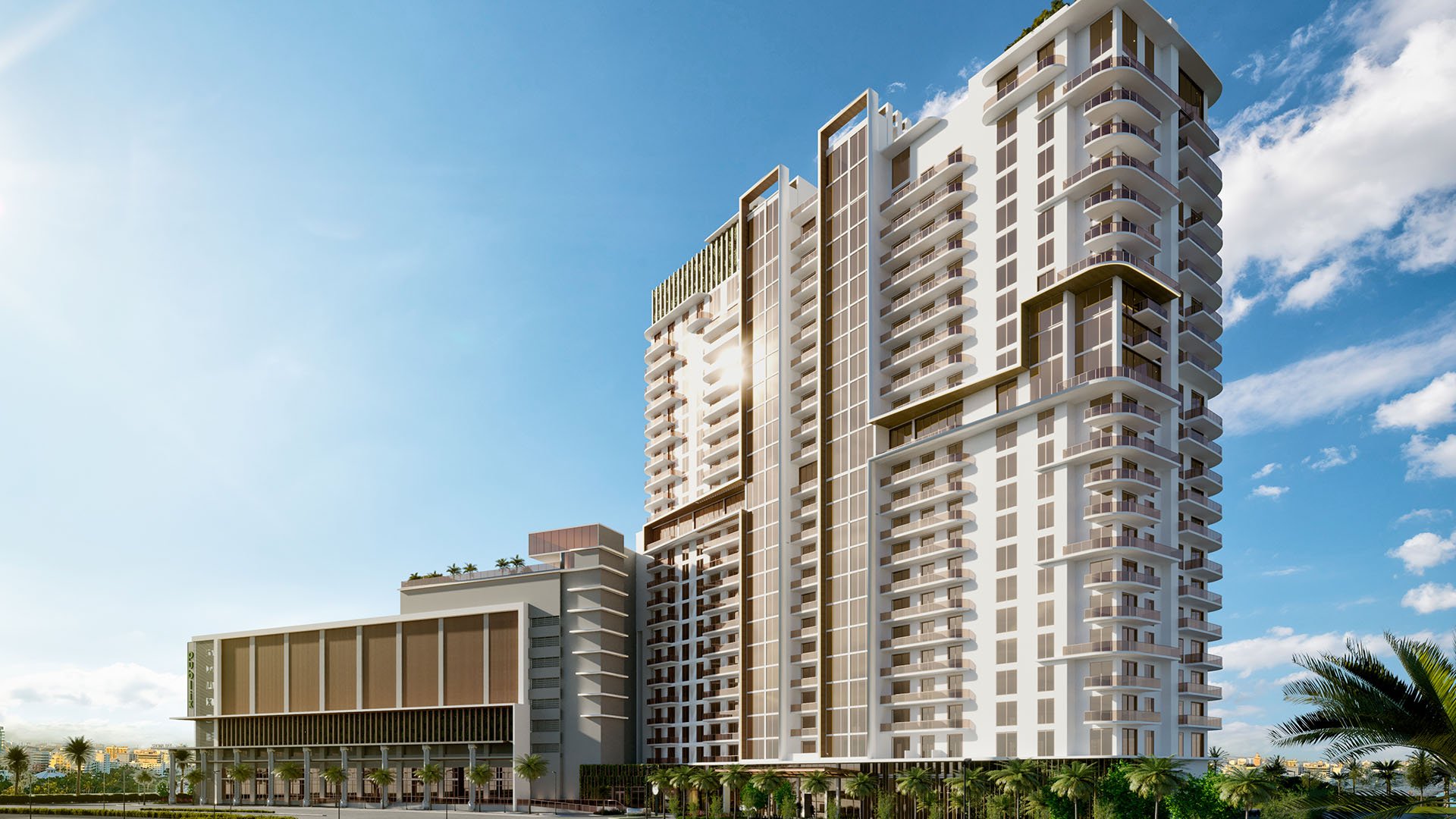
For a family-office principal, buying in North Bay Village should begin as an allocation decision, not a tour of finishes. The question is not whether the view is persuasive. The question is whether the residence can hold its role inside a broader balance sheet that may include multiple homes, operating companies, trusts, philanthropic commitments, art, aircraft, and private investments.
That framing matters because a luxury residence is both an emotional asset and a governance asset. It must satisfy lifestyle, privacy, security, succession planning, maintenance discipline, and exit optionality. North Bay Village may be the location on the acquisition memo, but the true subject is risk-adjusted enjoyment.
A principal should begin with three questions. Why this micro-market instead of a more established luxury enclave? What family use case is being solved? And what must be true in five, ten, or fifteen years for the purchase to be viewed as intelligent, not merely beautiful?
The most effective buyers create an internal investment memo before negotiating. It need not be clinical, but it should be candid. Define the mandate: primary residence, seasonal base, legacy holding, guest residence, or lifestyle option attached to broader South Florida exposure. Each mandate carries a different tolerance for liquidity, rental flexibility, privacy, renovation risk, and association governance.
For example, a seasonal residence may prioritize arrival experience, concierge depth, effortless lock-and-leave operations, and predictable monthly administration. A primary residence may give more weight to storage, staff circulation, family privacy, service elevators, pet rules, school logistics, and the daily rhythm of leaving and returning. A legacy hold may focus on building durability, reserve discipline, insurance burden, and long-term board culture.
The mistake is allowing a sales gallery narrative to define the investment thesis. A principal should define the thesis first, then test each residence against it.
In luxury condominium acquisitions, the building is the co-investor. A remarkable floor plan can be compromised by weak reserves, unclear rules, inconsistent service standards, or insufficient long-term capital planning. Family offices should review association documents with the same patience they bring to private fund documents.
Key questions include how the association governs capital projects, how disputes are handled, what rules apply to renovations, how deliveries and staff access are managed, and whether the building culture supports discretion. The soft factors are often as important as the documents. Is the lobby calm or performative? Are service protocols intuitive? Does the building understand the difference between hospitality and visibility?
New-construction buyers should be especially careful to distinguish among renderings, contractual obligations, and operational reality. A residence may be marketed with polished amenity language, but the family office should evaluate who will manage the experience, how staffing will be funded, and whether the operating budget can sustain the promised standard.
Pressure-testing North Bay Village also means comparing it with nearby luxury options rather than viewing it in isolation. A buyer considering Continuum Club & Residences North Bay Village should ask whether the appeal is the specific building, the emerging neighborhood narrative, the water orientation, or the relative value proposition within the broader Miami luxury market.
That same buyer may compare the lifestyle premise with Shoma Bay North Bay Village and Tula Residences North Bay Village, not to choose by brochure, but to understand which ownership model, building scale, service philosophy, and resale profile best match the family mandate.
The point is not to chase the newest presentation. It is to isolate the reason for conviction. If the thesis depends entirely on future appreciation, it is too thin. If it rests on a combination of daily utility, scarcity of preferred views, operational confidence, and acceptable exit paths, it becomes more durable.
For ultra-premium buyers, privacy is not a vague preference. It is a measurable amenity. Principals should evaluate arrival routes, valet exposure, elevator configuration, package handling, guest registration, staff movement, digital access controls, and the visibility of terraces from neighboring structures.
Privacy also includes social texture. A building can be luxurious yet too visible, too transient, or too casual about access. Conversely, a quieter building with fewer performative spaces may be better suited to a principal who values understatement. In North Bay Village, the ideal residence may not be the most dramatic one. It may be the one that allows the owner to live beautifully without broadcasting routine.
Family offices should walk the property at different times of day when possible. Morning movement, evening arrivals, weekend traffic, and amenity usage can reveal far more than a scheduled presentation.
The purchase price is only the entry ticket. Carrying-cost discipline is where sophisticated buyers separate lifestyle from liability. Before signing, principals should model monthly assessments, insurance expectations, property taxes, reserve contributions, maintenance, staffing, utilities, technology, and potential special assessments.
A water-view premium should be weighed against total ownership cost and resale depth. The best view is not always the best asset if the buyer pool is narrow, the layout is too personalized, or the building has unresolved governance questions. A family office should ask: who is the next buyer, what will they value, and what objections might they raise?
Exit analysis should include multiple scenarios. A quick sale, a patient sale, a family transfer, and a long-term hold may each produce different answers. If the asset only works under one optimistic scenario, it requires a larger margin of safety.
Any coastal luxury purchase deserves a resilience review. This should include building systems, elevation strategy where relevant, garage exposure, emergency power, water management, window and door specifications, insurance assumptions, and the association’s attitude toward preventative maintenance.
The family office should not delegate this review to enthusiasm. Engineers, insurance advisors, counsel, and property managers may each see different risks. Their findings should be reconciled before the deposit becomes emotionally irreversible.
Resilience is not only physical. It is operational. During disruption, who communicates? How are vendors managed? What are the contingency plans for elevators, access, cooling, security, and water intrusion? A building that answers these questions clearly is more valuable than one that simply presents well.
Before final negotiation, write a short decision rule. It might read: buy only if governance is clean, carrying costs are acceptable under conservative assumptions, the residence fits family use without major modification, privacy is strong, and the exit market appears credible. If any one of those pillars fails, price alone should not rescue the deal.
This discipline is especially useful when a residence is emotionally compelling. Luxury can compress judgment. A written rule restores proportion.
North Bay Village may offer an appealing canvas for the right buyer, but family-office principals should approach it with disciplined curiosity. The winning acquisition is not the one that looks strongest on the first visit. It is the one that still looks intelligent after counsel, engineers, insurance advisors, family members, and the principal’s own future self have all had a vote.
What should a family-office principal evaluate first in North Bay Village? Start with the ownership mandate, then test whether the residence supports that use case without forcing the thesis.
Is a new development automatically safer than resale? No. New development may reduce certain renovation concerns, but it still requires review of contracts, budgets, governance, and delivery assumptions.
How should privacy be reviewed before purchase? Study arrival, elevator access, staff circulation, guest protocols, terrace exposure, and the building’s overall social tone.
Why does association governance matter so much? The association controls rules, reserves, capital projects, service standards, and many aspects of long-term value preservation.
Should buyers compare multiple North Bay Village projects? Yes. Comparing buildings clarifies whether conviction is tied to location, architecture, services, pricing, or future optionality.
How conservative should carrying-cost assumptions be? Very conservative. Model the residence as a long-term operating asset, not merely as a purchase price.
What role should advisors play? Counsel, insurance advisors, engineers, tax professionals, and property managers should each pressure-test a different risk category.
Is view quality enough to justify a purchase? View quality matters, but it should be weighed against layout, privacy, liquidity, building strength, and ownership costs.
How should a principal think about resale? Identify the likely next buyer and the objections that buyer may raise before committing capital.
What is the best signal that a residence is suitable? It remains compelling after the emotional appeal has been tested against governance, resilience, privacy, cost, and exit logic.
To compare the best-fit options with clarity, connect with MILLION.
If branded residences are on your mind — as a home or as an allocation — we would be glad to share what we are seeing, privately.
Begin a quiet conversation