A discreet guide to selecting South Florida towers that support lock-and-leave ownership, service-minded routines, and a polished second-home experience with fewer operational distractions.
For the South Florida buyer who uses a residence in precise intervals rather than full seasons, the definition of luxury is shifting. The marble, the view, and the address still matter, but the deeper value is operational ease. A polished pied-à-terre should feel ready before arrival, calm during a brief stay, and orderly after departure. It should not require the owner to manage a small private company from another city.
This is why the best tower choices are not always the largest residences or the most dramatic penthouses. They are the buildings that match the rhythm of partial occupancy: secure access, intuitive arrivals, clear communication, practical layouts, and a setting that gives each trip a defined purpose. In South Florida, that purpose may be business in Brickell, beach life in Miami Beach, family weekends in Sunny Isles, or cultural access from West Palm Beach.
Minimal friction begins before the front door. A buyer should study how the tower handles guest access, deliveries, parking, maintenance requests, package flow, service providers, and owner communication. The test is simple: if the residence is left unused for several weeks, will the owner return to a composed home or a list of unresolved tasks?
The best pied-à-terre tower also has an architectural temperament suited to lock-and-leave ownership. Highly customized residences can be beautiful, but they can also be demanding. A more polished approach often favors durable finishes, disciplined storage, practical lighting, well-proportioned terraces, and rooms that work whether the owner is in town for two nights or two months. Second-home ownership rewards restraint.
Buyers should also consider the staff culture of a building, not only the amenities brochure. A quiet, responsive team can matter more than a long menu of spaces that are rarely used. The right building reduces decisions. It lets an owner arrive, live well, and depart with confidence.
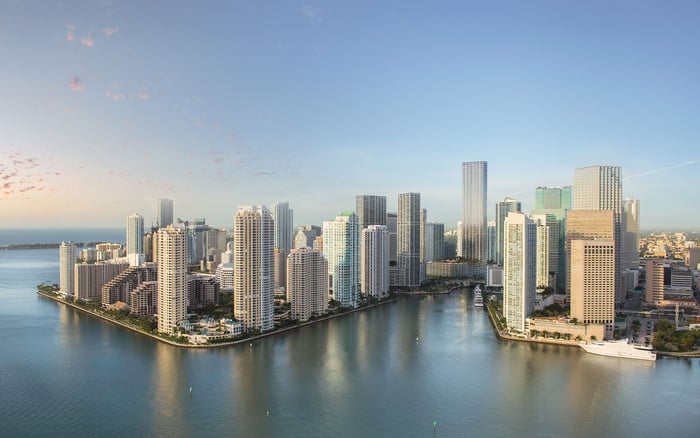
Brickell is the logical corridor for buyers whose South Florida life is tied to business, dining, banking, and international travel patterns. The right Brickell pied-à-terre should offer more than skyline drama. It should make a fast visit efficient, with easy transitions between work, dinner, meetings, and the airport.
For buyers comparing a vertical city residence, The Residences at 1428 Brickell belongs in the conversation because it sits within the Brickell vocabulary of high-rise living and refined urban convenience. A buyer should evaluate it through a practical lens: how arrival works at peak hours, how discreet the lobby feels, how service requests are handled, and whether the floor plan supports both entertaining and solitude.
Brand-forward city towers can also appeal to owners who want the feeling of a finished lifestyle rather than a blank canvas. In that category, 888 Brickell by Dolce & Gabbana invites a different kind of buyer consideration: not only location, but the relationship between design identity and daily ease. A pied-à-terre should feel memorable, not theatrical every time one returns home.
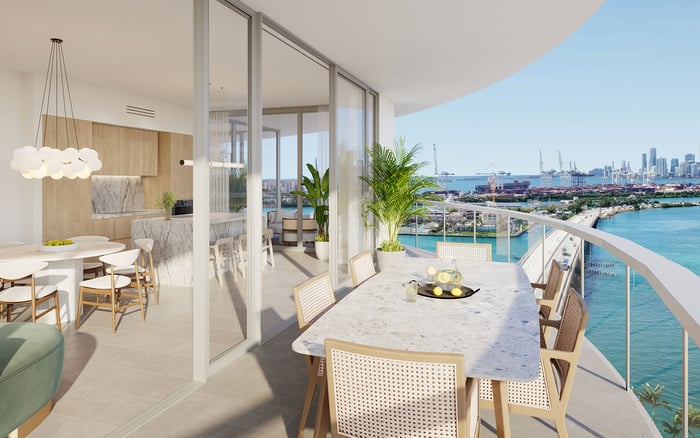
Miami Beach works best for the buyer who wants the residence to reset the nervous system. Here, operational friction is less about commuting and more about privacy, service, beach access, and the quality of the everyday approach. The best fit is rarely a generic vacation apartment. It is a residence that can hold formal dinners, family weekends, and quiet weekdays with equal poise.
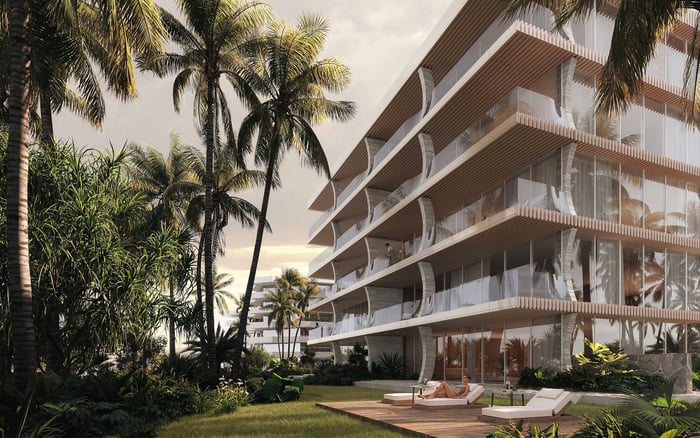
For a buyer weighing this environment, The Perigon Miami Beach is an example of the type of project that prompts the right questions. Does the building feel residential rather than transient? Is the arrival sequence calm? Can the owner host without feeling exposed? Does the residence offer the right balance between indoor comfort and outdoor life?
Miami Beach also demands clarity around personal use. A buyer who visits during art weeks, holidays, or school breaks may value a different floor plan than someone who escapes midweek. The building should make both modes feel effortless. The goal is not simply to own near the water, but to remove the drag that can come with owning away from a primary home.
Sunny Isles tends to attract buyers who want a high-rise oceanfront experience with a strong sense of vertical privacy. For many part-time owners, the appeal is direct: arrive, exhale, look east, and let the residence do most of the emotional work. Yet the best oceanfront pied-à-terre still requires operational discipline.
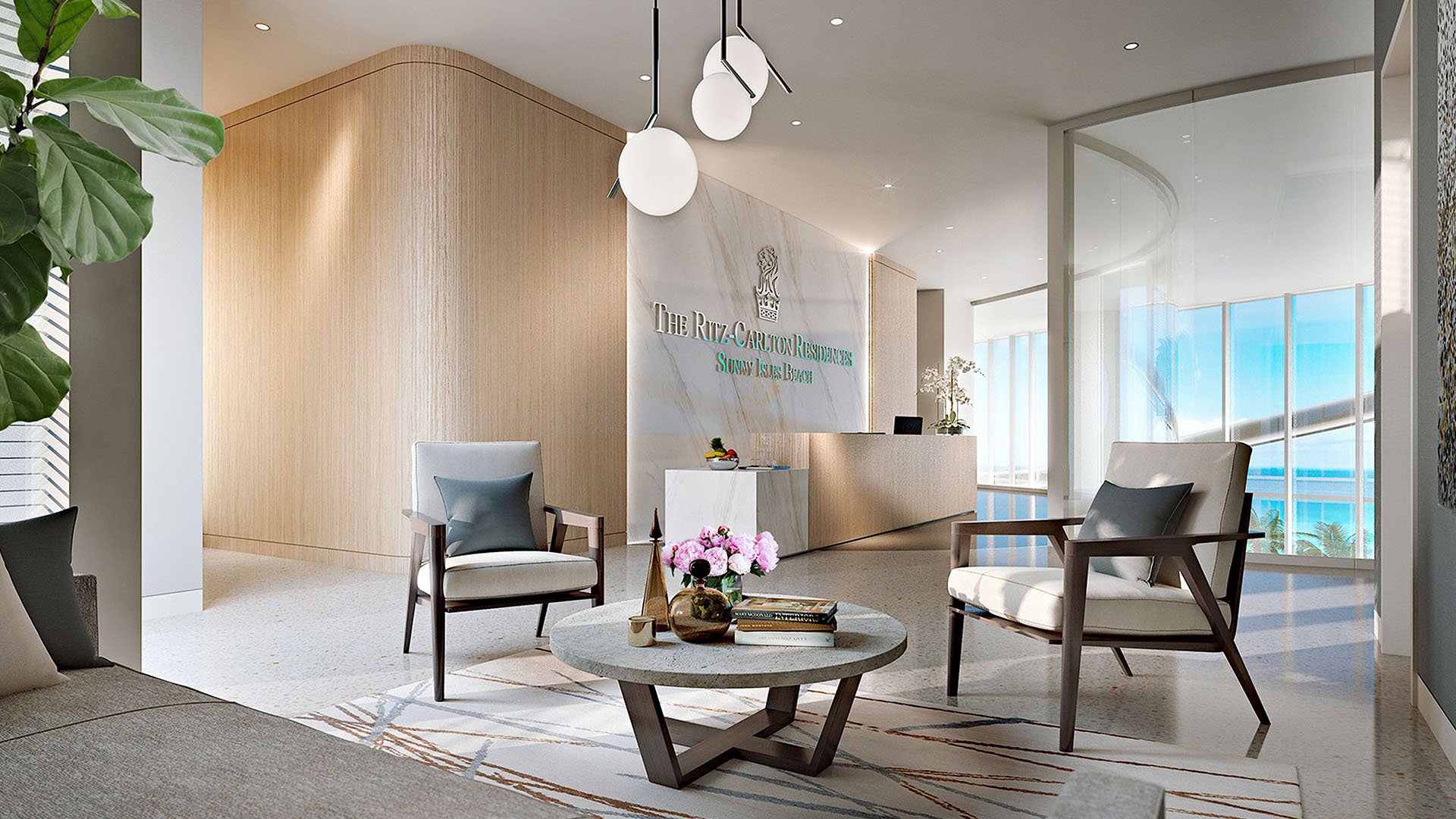
At The Ritz-Carlton Residences® Sunny Isles, the name itself signals the type of brand-associated environment many buyers consider when seeking a highly serviced second home. Due diligence should remain practical. Study the building rules, staffing model, valet experience, elevator flow, and maintenance communication. In an oceanfront setting, smooth operations are part of the view.
Sunny Isles buyers should also be honest about lifestyle frequency. A residence that is magnificent for a two-week holiday may not be optimal for repeated short stays. The more compressed the visit, the more important the building’s unseen systems become.
West Palm Beach has a different cadence. It can suit buyers who want culture, dining, waterfront proximity, and a more measured pace than Miami’s densest corridors. For pied-à-terre use, that can be powerful. A polished residence here should feel easy to inhabit without requiring the owner to build a full-time household operation.
Alba West Palm Beach is the type of address a buyer might consider when seeking a waterfront-adjacent lifestyle with a calmer rhythm. The essential evaluation remains the same: access, staff consistency, owner services, residence durability, and how the building handles the simple but crucial details of part-time use.
For some buyers, West Palm Beach is less about spectacle and more about discretion. That can make it especially compelling for those who prefer a refined base that does not feel overprogrammed.
The most elegant pied-à-terre purchase begins with operational questions. Ask how the residence is monitored when vacant, how maintenance access is approved, how packages are stored, how guests are cleared, how often building communications are sent, and whether the rules align with the owner’s intended use.
Then study the floor plan. A strong lock-and-leave residence has enough storage for repeat visits, a kitchen that supports both light use and hosted evenings, guest accommodations that do not overwhelm the plan, and outdoor space that can be enjoyed without becoming a maintenance burden. New-construction buyers should pay particular attention to finish selections, warranty communication, and the transition from developer delivery to association governance.
Finally, separate glamour from usefulness. A polished pied-à-terre is not the tower with the most talking points. It is the one that makes ownership feel quiet, secure, and repeatable. Oceanfront, Brickell, Miami Beach, and West Palm Beach options can all work if the building matches the buyer’s tempo.
What makes a tower low-friction for part-time ownership? It combines reliable building operations, clear owner communication, secure access, and residences that can be left vacant without constant intervention.
Is Brickell better for a pied-à-terre than the beach? Brickell is often more efficient for business-focused stays, while beach locations are typically better for restorative leisure routines.
Should I prioritize amenities or service? Service usually matters more for a pied-à-terre because it affects every arrival, departure, delivery, and maintenance request.
Are branded residences useful for second-home buyers? They can be attractive when the brand experience supports consistency, staffing expectations, and a polished sense of arrival.
What floor plan works best for a lock-and-leave residence? Look for practical storage, durable finishes, flexible guest space, and an outdoor area that enhances the stay without adding burden.
How important is building governance? Very important, because rules, communication, reserves, and staffing decisions directly shape the ownership experience over time.
Should a pied-à-terre be furnished before closing? Many buyers prefer a highly resolved interiors plan so the first stay feels complete rather than like the start of another project.
Is oceanfront ownership more complex? It can be, which is why buyers should study maintenance practices, building communication, and the quality of day-to-day operations.
Can a pied-à-terre also be a long-term hold? Yes, if the building, location, floor plan, and operating structure remain desirable beyond the owner’s immediate lifestyle needs.
What is the first question a buyer should ask? Ask whether the residence will make life simpler each time you arrive, because ease is the true luxury of a pied-à-terre.
For a tailored shortlist and next-step guidance, connect with MILLION.
If branded residences are on your mind — as a home or as an allocation — we would be glad to share what we are seeing, privately.
Begin a quiet conversation