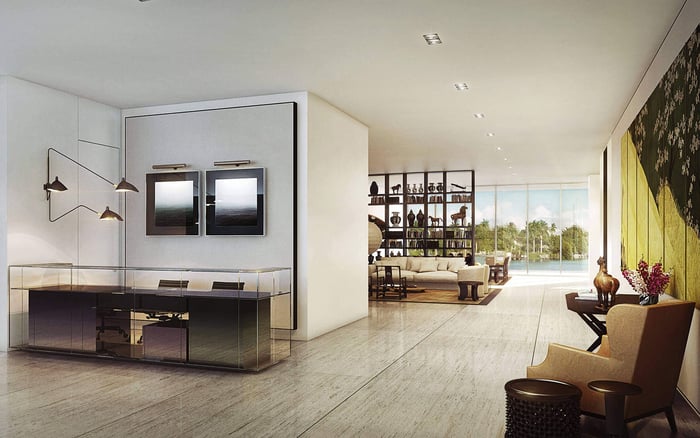
A buyer-first framework for assessing Delano through walkability, privacy, operating rules, carrying costs, and long-term ownership fit.

The sophisticated buyer considering Delano Residences & Hotel Miami should begin with a practical tension: How can a residence offer access to dining and hospitality while preserving the calm, control, and financial clarity expected of a private home?
That question is more useful than a broad debate over the merits of hotel-associated ownership. The answer depends on how the building functions on an ordinary Tuesday, how the ownership documents allocate authority, and whether the residence supports the buyer’s actual pattern of use. In 2026, discernment means separating an appealing hospitality identity from the durable mechanics of ownership.
Walkability is personal. For one owner, it means going to dinner without arranging a car. For another, it means having coffee, a business lunch, groceries, and several evening options along routes that feel comfortable in formal clothes and South Florida weather.
A buyer should map likely destinations, then test every route rather than relying on a radius. Consider crossings, shade, the arrival experience, late-evening comfort, and the ease of returning with guests. Repeat the exercise at lunch, at dinner, and during a busy weekend. A destination may be geographically close yet operationally inconvenient.
This is where disciplined buyer’s guides should begin: not with the number of nearby venues, but with how often an owner would genuinely use them. Walkable dining has value when it changes daily behavior.
The appeal of branded residences often lies in service, recognition, and a polished sense of arrival. A condo-hotel context can also raise questions about guest turnover, shared spaces, access control, and the rhythm of public-facing operations. None should be answered by assumption. Each requires direct verification.
Ask for a precise explanation of resident and hotel circulation. Study entrances, elevators, parking handoffs, loading activity, amenity access, event procedures, and visitor management. Clarify which spaces are private, which are shared, and which may be subject to operational change. Then tour at different hours, listening as carefully as you look.
The goal is not an empty lobby. It is controlled energy. Resort activity becomes congestion when it compromises predictable access, privacy, acoustics, or the ease of coming home.
A memorable arrival cannot substitute for document review. Before committing, buyers and their advisers should examine the condominium declaration, association budget, fee schedule, insurance structure, reserve treatment, management arrangements, rental provisions, use restrictions, and procedures governing future changes.
Pay particular attention to the boundary between included and separately charged services. Ask how valet, housekeeping, food and beverage privileges, maintenance access, deliveries, guests, pets, and owner absences are handled. Confirm whether each program is mandatory, optional, transferable, or subject to revision.
Investment discipline also requires a complete carrying-cost model. Build scenarios for personal use, extended vacancy, and any legally permitted rental strategy. Include recurring assessments, taxes, insurance, furnishing upkeep, management, and transaction costs. The relevant measure is not merely the purchase price. It is the annual cost of maintaining the experience you intend to own.
A useful comparison set should span locations and ownership formats. In Downtown Miami, Waldorf Astoria Residences Downtown Miami belongs on the same diligence worksheet, assessed through identical questions about circulation, services, governance, fees, and intended use.
A Miami Beach buyer may also review Setai Residences Miami Beach and Shore Club Private Collections Miami Beach. The aim is not to declare one model superior. It is to reveal trade-offs that branding and renderings can obscure.
Keep the scorecard consistent. Grade dining convenience, resident privacy, arrival control, service relevance, document flexibility, total carrying costs, and probable ease of resale. Weight each category before touring. Otherwise, the most theatrical presentation may quietly rewrite the buyer’s priorities.
Imagine three forms of ownership: a primary residence, a seasonal base, and an occasionally used city home. For each, trace a full day-from morning departure through deliveries, guests, dinner, and a late return. Then test an event evening, a holiday weekend, and a period when the owner is away.
The strongest choice is the one that remains coherent across every scenario. Walkability should reduce friction. Hospitality should add service without diluting privacy. Governance should protect the residence beyond the sales period. Resale logic should remain sound even if the next buyer values the brand less than you do.
A disciplined decision can still be emotional. Luxury is allowed to delight. The buyer’s task is simply to ensure that the delight rests on understandable rights, manageable obligations, and an operating environment suited to real life.
What should a buyer verify first at Delano Residences & Hotel Miami? Begin with the ownership documents, operating structure, total costs, and separation of resident and hotel circulation.
How should walkable dining be evaluated? Test the routes you expect to use at the relevant times, considering crossings, weather exposure, comfort, and return access.
Does a hotel component automatically mean congestion? No. Buyers should assess access control, guest flow, events, elevators, parking, loading, and acoustic separation firsthand.
Which costs deserve the closest attention? Review recurring fees, taxes, insurance, reserves, assessments, optional services, furnishing upkeep, and transaction expenses.
Why do rental rules matter to a personal-use buyer? They can influence flexibility, building traffic, financing considerations, and the residence’s appeal to a future purchaser.
How many times should a buyer visit before deciding? Whenever access permits, visit at multiple times, including a weekday, an evening, and a busy weekend.
What should be compared across competing projects? Apply the same criteria to privacy, circulation, governance, services, costs, restrictions, location utility, and resale logic.
Is brand strength enough to support an investment decision? No. Brand identity should be weighed alongside enforceable rights, operating costs, management terms, and buyer demand.
Who should review the ownership documents? Engage qualified legal, tax, insurance, and financial advisers familiar with the buyer’s circumstances and intended use.
What defines a disciplined luxury purchase? It combines personal enjoyment with verified operating details, affordable carrying costs, clear rights, and a credible exit plan.
For a tailored shortlist and next-step guidance, connect with MILLION.
If branded residences are on your mind — as a home or as an allocation — we would be glad to share what we are seeing, privately.
Begin a quiet conversation