Downtown Miami can appeal to sophisticated buyers with multiple pets when the search is disciplined around building rules, elevator logistics, outdoor access, balcony design, and service culture.
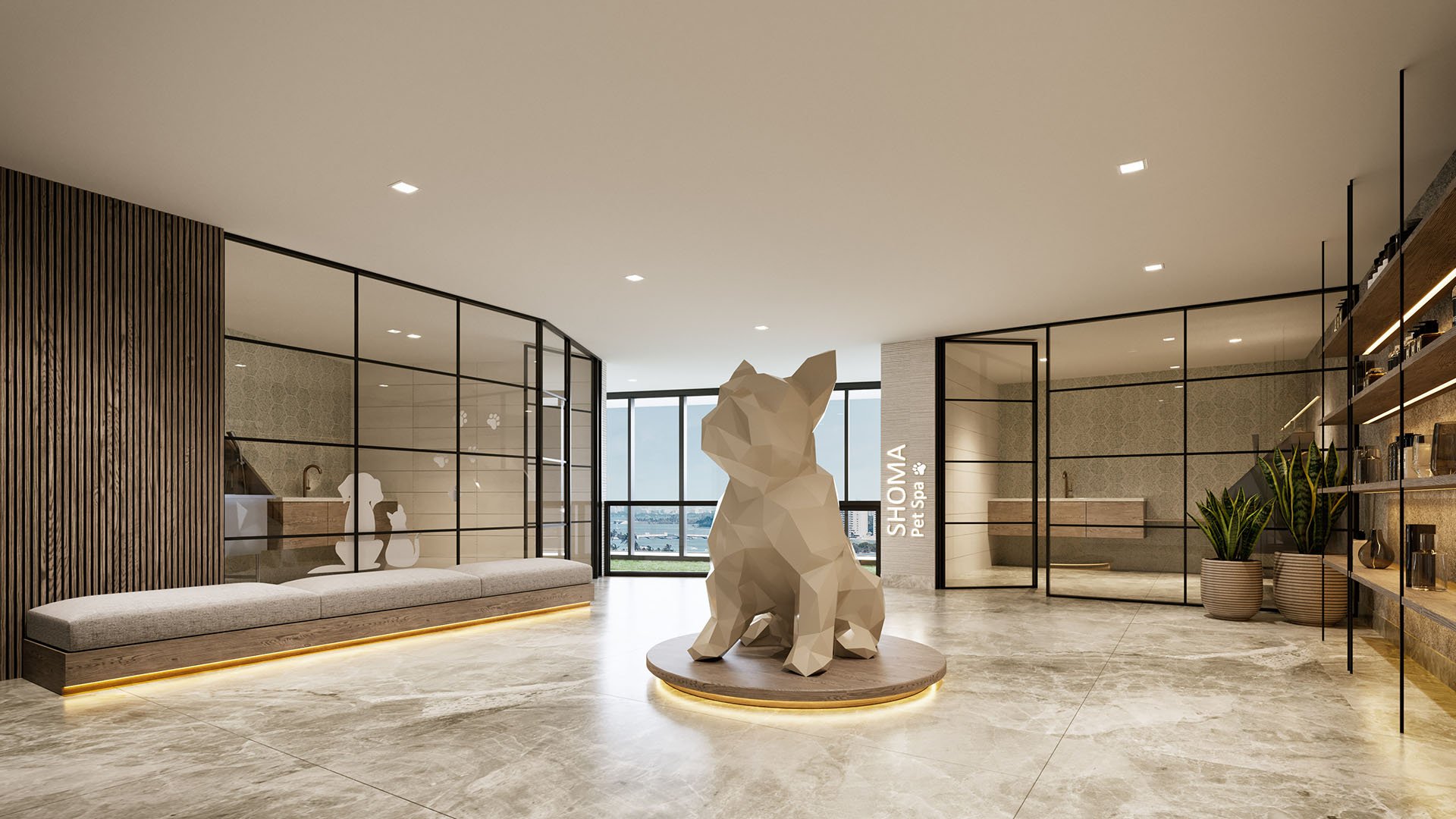
For a certain South Florida buyer, the question is not whether a residence is glamorous enough. It is whether the home, the building, and the surrounding routine can absorb real life with grace. Multiple pets bring a more exacting test to luxury condominium living. They require more than a permissive line in a rules document. They require circulation, predictability, storage, resilient surfaces, efficient elevators, attentive service teams, and a daily rhythm that does not make the household feel as though it is negotiating with the building every time a leash appears.
Downtown Miami can serve that buyer because it offers an urban base where refinement is measured by convenience as much as by finish. The most successful purchase is not simply the highest floor or the most dramatic view. It is the residence where morning walks, evening returns, grooming appointments, guest arrivals, and household staff movements can unfold with minimal friction. In that sense, Downtown Miami is less a compromise for pet owners than a setting where thoughtful selection becomes essential.
The search should begin with the building, not the brochure. Buyers comparing towers such as Aston Martin Residences Downtown Miami or Waldorf Astoria Residences Downtown Miami should treat pet policy review as core due diligence, not an afterthought. Weight limits, breed restrictions, number-of-pet limits, elevator protocols, service elevator access, and cleaning expectations can materially change how a residence lives.
The first priority is clarity. A multi-pet household needs written confirmation of what is allowed, how rules are enforced, and whether any approvals are discretionary. A building that is merely tolerant of pets may not be as useful as one with a calm, established process for owners who live with animals every day. The tone of the management team matters, particularly in a building where arrivals, deliveries, and guest traffic already require choreography.
The second priority is circulation. Long corridors, busy elevator banks, narrow entries, and complicated garage-to-residence routes can turn ordinary routines into daily stress. Private or semi-private elevator arrangements, sensible service access, and direct parking connections can make a meaningful difference. The ideal floor plan gives pets room to pause at the entry, allows leashes and carriers to be stored discreetly, and separates entertaining areas from the practical zone of the home.
The third priority is outdoor discipline. A balcony can be a pleasure, but it must be evaluated through safety, enclosure, exposure, and supervision. Buyers should consider how the terrace will be used, where water bowls or planters might sit, and whether the layout encourages calm observation rather than constant stimulation. Waterfront views can be deeply soothing, yet the best waterfront residence for a multi-pet household is one where beauty and control remain in balance.
Downtown Miami and Brickell often appear in the same buyer conversation, but they can feel different in practice. Downtown Miami may appeal to buyers who want an urban base with cultural energy, waterfront adjacency, and a sense of connection to the larger city. Brickell may suit those who prefer a denser financial-district rhythm, restaurant access, and a polished vertical lifestyle. Neither is automatically better for multiple pets. The stronger choice is the one whose building rules and daily path match the household.
For example, a buyer considering Casa Bella by B&B Italia Downtown Miami may be weighing design atmosphere and Downtown positioning, while another comparing Cipriani Residences Brickell may be drawn to Brickell’s more formal urban cadence. In both cases, the pet conversation should be specific: How many animals are permitted? Which elevators may be used? Are there designated relief procedures? How does the building handle move-ins, dog walkers, grooming professionals, and visiting pets?
This is where refined buyers gain an advantage. They do not ask whether a building is pet-friendly in general. They ask whether it is friendly to their exact household. A quiet older dog and two small indoor cats create a different profile than two active dogs accustomed to frequent outings. A buyer who travels often may need building staff who are comfortable with approved caregivers. A buyer who hosts regularly may need a floor plan where pets can retreat without being isolated.
Inside the residence, elegance should not be fragile. Multi-pet living rewards durable flooring, generous laundry capacity, concealed storage, and finishes that can be maintained without drama. The most successful homes have a practical threshold near the entry, space for grooming supplies, room for pet beds that do not disrupt furniture plans, and enough separation between bedrooms, entertaining areas, and service zones.
Acoustics are another quiet luxury. Pets respond to elevator chimes, hallway activity, neighboring doors, and street noise. A residence that feels serene to people may still need to be evaluated at different times of day with animal behavior in mind. Buyers should consider sightlines as well. A dog that becomes animated by constant movement below may be calmer in a layout where the primary living area frames water, sky, or skyline rather than continuous pedestrian activity.
The right dog-park access, where available in the broader routine, can be useful, but it should not be the only plan. Sophisticated pet ownership in a high-rise setting depends on redundancy. Weather, traffic, building maintenance, and travel schedules all affect daily care. The residence should support an indoor backup routine, a caregiver routine, and a quiet evening routine without feeling improvised.
In luxury real estate, rules are only one part of the experience. Culture is the other. A building can have permissive policies yet feel uncomfortable if residents are impatient with animals in shared areas. Conversely, a building with structured procedures can feel gracious if staff communicate clearly and owners respect the standard. For buyers with multiple pets, the most refined environment is often the one where expectations are explicit and consistently applied.
During showings, buyers should observe practical details: the route from parking to elevator, the scale of the lobby, the presence of service corridors, the ease of stepping outside, and the condition of common areas. None of these elements needs to be theatrical. In fact, the best signs are often understated. Clean transitions, calm staff, clear signage, and residents moving comfortably through the building can indicate a property that functions well.
A multiple-pet buyer should also look ahead. Puppies become older dogs. Travel patterns change. Household staff may rotate. A second home can become a primary residence. The selected building should be able to support those transitions without making the owner renegotiate the lifestyle. That is the difference between buying a beautiful apartment and buying a refined South Florida base.
The most efficient search is tailored before tours begin. Buyers should define the number, size, and type of pets, then screen buildings for rules, approvals, and practical pathways. From there, floor plans can be considered through furniture placement, service access, terrace safety, and household flow. This sequence saves time and protects privacy, especially for buyers who do not wish to discover a conflict late in negotiations.
Downtown Miami can work beautifully for the right multi-pet household, but it rewards precision. The purchase should feel effortless after closing because the difficult questions were asked before contract. When building policy, residence design, and daily routine align, multiple pets do not diminish the luxury experience. They simply reveal whether the home was chosen with enough intelligence.
Can Downtown Miami work for buyers with multiple pets? Yes, provided the building rules, elevator access, and daily walking routine align with the household’s exact needs.
What should buyers confirm before making an offer? Buyers should confirm pet number limits, size restrictions, breed policies, approval procedures, and any elevator or common-area rules.
Is Brickell different from Downtown Miami for pet owners? Brickell can feel denser and more business-oriented, while Downtown Miami may offer a different urban rhythm. The better choice depends on the building and routine.
Are balconies important for pet-owning buyers? Balconies can add comfort, but safety, supervision, railing design, and exposure should be reviewed carefully before relying on them.
Should buyers prioritize a low floor or high floor? The right choice depends on elevator convenience, noise sensitivity, views, and how calmly pets handle vertical living.
How important is building staff culture? It is very important because staff procedures influence dog walkers, deliveries, guest access, cleaning, and daily movement through shared spaces.
Can multiple pets affect resale? The pets themselves do not define resale, but a well-chosen residence with practical layouts and durable finishes may appeal to a broader buyer pool.
What floor plan features help most? A clear entry zone, storage, durable surfaces, separation between entertaining and private areas, and practical laundry access are especially useful.
Should buyers ask about visiting pets? Yes, especially if family, guests, or caregivers may bring animals into the building during ownership.
Is a pet-friendly label enough? No. Buyers should review the actual documents and practical building flow before treating a property as suitable.
To compare the best-fit options with clarity, connect with MILLION.
If branded residences are on your mind — as a home or as an allocation — we would be glad to share what we are seeing, privately.
Begin a quiet conversation