A discreet buyer’s guide to the governance questions that matter before purchasing luxury real estate in Edgewater, from reserves and rules to board culture and developer transition risk.
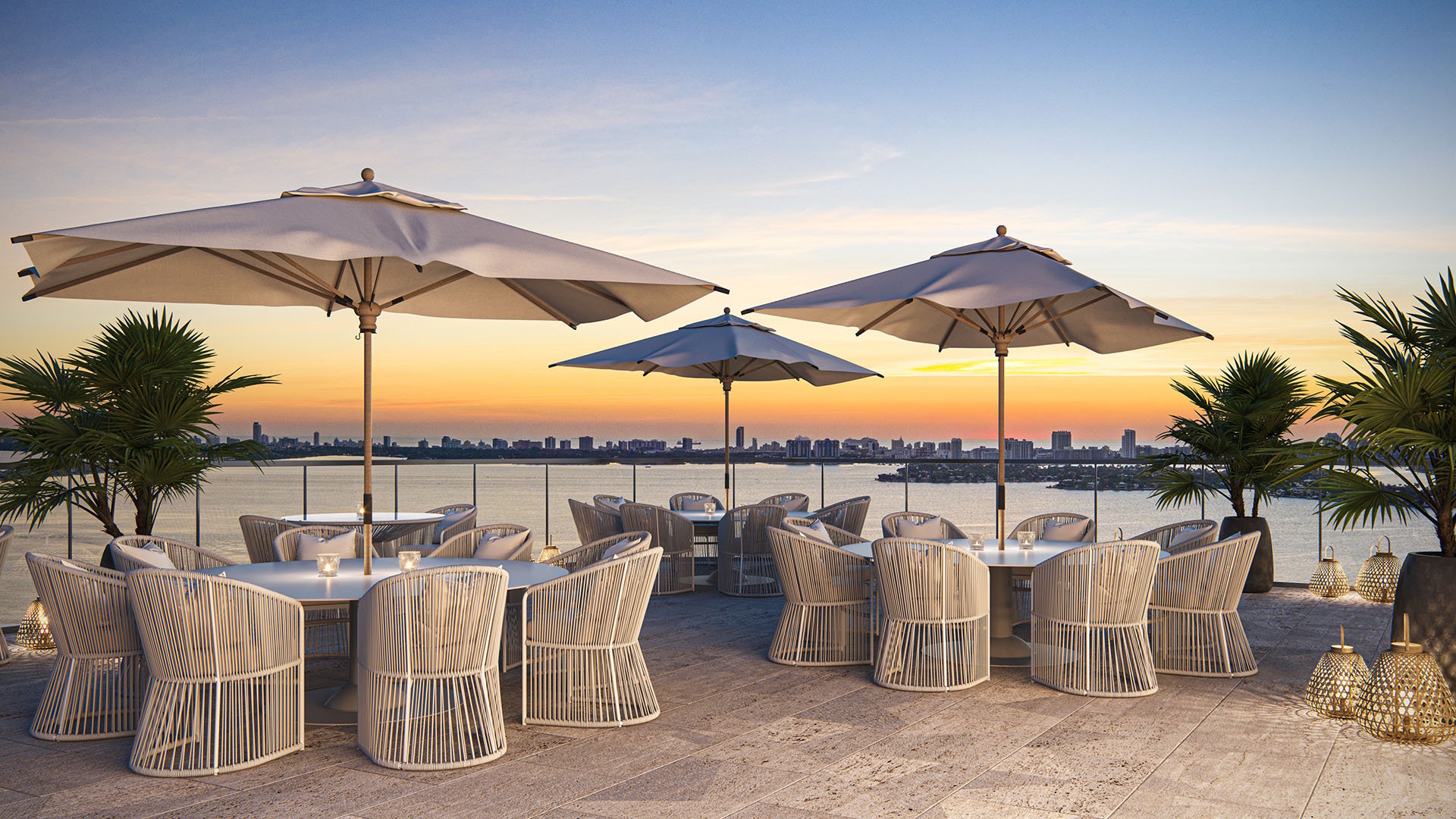
In Edgewater, the most compelling residences often announce themselves through water, glass, height, and skyline theater. Yet for a sophisticated buyer, the quieter question is not only how a home lives on day one. It is how the building is governed on day one thousand.
Building governance shapes the ownership experience in ways that are less photogenic than a bay-facing terrace, but often more consequential. It influences how money is reserved, how maintenance is prioritized, how rules are enforced, how owners communicate, and how quickly the association responds when a building needs attention. In a neighborhood defined by waterfront towers, high-design amenities, and continued new-construction activity, governance deserves the same scrutiny as floor plan, exposure, and finish quality.
This is especially true in Edgewater, where buyers may compare established condominium associations with newly delivered or pre-delivery residences. A buyer touring Aria Reserve Miami, EDITION Edgewater, The Cove Residences Edgewater, or Villa Miami should think beyond aesthetics. The strongest purchase thesis pairs architecture with the discipline of the association entrusted to protect it.
Begin with board composition. Who sits on the board, how long have they served, and what expertise do they bring? A luxury building does not need a theatrical board; it needs a competent one. The best governance cultures tend to be calm, organized, and transparent, with clear lines between professional management, board oversight, and owner participation.
Ask whether committees exist for finance, design review, security, technology, or building operations. Committees can be valuable when they add expertise, but they can also create confusion when authority is unclear. A buyer should understand whether decisions are made consistently and documented properly, or whether the association depends too heavily on a few personalities.
The tone of governance matters. If meeting minutes suggest repeated disputes, deferred decisions, or unclear priorities, investigate further. If communications are concise, regular, and professional, that can indicate a more stable ownership environment.
Reserve funding is one of the most important subjects in any condominium due diligence file. The question is not simply whether monthly dues feel high or low. The question is whether the building is planning realistically for the future.
Ask for the current budget, reserve schedule, recent financial statements, and any available capital planning materials. Review whether major systems are being anticipated rather than treated as surprises. In a luxury building, this can include elevators, façade elements, mechanical systems, waterproofing, pool decks, lobby finishes, access control, and amenity infrastructure.
Special assessments are not automatically a red flag. Sometimes they reflect responsible action. What matters is why an assessment was needed, how it was communicated, whether it was predictable, and whether the association has a history of deferring work until urgency forces a vote. A well-governed building can explain its financial posture without drama.
This is where buyer guidance often becomes too generic. In Edgewater, where salt air, water exposure, and high-rise systems are part of the ownership context, the reserve conversation should be specific, not ceremonial.
Structural and building-condition questions should be handled with restraint, seriousness, and professional review. Ask what engineering, inspection, or maintenance reports exist, then have the appropriate advisors review them. The objective is not to become an engineer during a purchase. The objective is to understand whether the association has a culture of early diagnosis and timely execution.
Important questions include: What building components are being watched closely? Which repairs have been completed? Which projects are planned? Are there recurring water-intrusion issues, elevator interruptions, garage concerns, façade maintenance items, or amenity-area repairs? How are vendors selected, and are bids compared in a disciplined way?
Luxury buyers sometimes focus on whether a building feels immaculate during a showing. That is useful, but incomplete. A pristine lobby can coexist with an underfunded capital plan. Conversely, a building undergoing visible work may be acting responsibly. The distinction lies in documentation, communication, and execution.
Rules determine the texture of daily life. They govern pets, rentals, renovations, deliveries, staff access, amenity use, guests, noise, valet practices, move-ins, and private events. In an ultra-premium building, discretion is a form of service. Owners want freedom, but they also want predictability.
Ask for the declaration, bylaws, house rules, architectural guidelines, and any rental or guest policies. Then ask how those rules are enforced. Are violations handled consistently? Are exceptions common? Does management communicate expectations before problems arise?
This is especially important if the purchase will be used as a second home, family base, or long-hold investment. An owner who values privacy may interpret weak enforcement as risk. An owner planning renovations may care more about approval timelines, contractor rules, and elevator reservation protocols. Governance is not abstract. It sets the rhythm of ownership.
A strong building is not necessarily one where every owner is highly involved. In luxury real estate, many owners travel frequently or hold multiple residences. The more relevant question is whether the association has a reliable communication architecture.
Ask how often the board meets, how notices are distributed, how quickly management responds, and whether digital portals are used effectively. Review minutes for clarity. Look for evidence that owners are informed before major decisions, not after them.
Owner engagement also affects the building’s ability to make difficult decisions. If participation is chronically low, urgent matters can become harder to advance. If engagement is emotional rather than constructive, meetings can become inefficient. The ideal culture is informed, measured, and practical.
For newer buildings, developer transition deserves focused attention. During early ownership, control may shift from the developer to the association. That period can be elegant or complicated, depending on documentation, warranties, turnover materials, budget assumptions, vendor contracts, and owner expectations.
Ask what remains under developer control, what has already transferred, and what obligations or punch-list items remain open. Buyers considering new-construction residences in Edgewater should understand who will be responsible for future decisions and how the association will be equipped to manage them.
This is not a reason to avoid new residences. It is a reason to ask better questions. A newly built tower can offer contemporary design, modern systems, and a lifestyle platform aligned with today’s expectations. The governance review simply ensures that the ownership structure is as considered as the architecture.
Before committing to a luxury condominium in Edgewater, ask for a package that goes beyond marketing materials. At minimum, your advisor team should review governing documents, budgets, reserves, meeting minutes, insurance information, rules, pending projects, vendor commitments, litigation disclosures if applicable, and any current or proposed assessments.
Then translate the documents into lived experience. Is the board proactive? Is management responsive? Are reserves discussed seriously? Are rules enforced consistently? Are repairs planned before they become emergencies? Are owners treated as partners in stewardship?
The finest Edgewater purchase is not merely a residence with a view. It is a position inside a well-run private vertical community. For the right buyer, that distinction is the difference between acquisition and ownership.
Why should governance matter in an Edgewater luxury condo purchase? Governance affects maintenance, financial planning, rules, communication, and the long-term quality of ownership.
What documents should I request first? Start with governing documents, budgets, reserve information, meeting minutes, house rules, and any assessment materials.
Are special assessments always a warning sign? Not necessarily. The key questions are why the assessment exists, how it was planned, and whether it reflects responsible stewardship.
How should I evaluate a condo board? Look for consistency, transparency, documented decisions, practical expertise, and a professional relationship with management.
What should I ask about reserves? Ask whether the building has a realistic plan for major systems, common areas, and future capital needs.
Why do rules matter in a luxury building? Rules shape privacy, guest access, renovations, amenity use, rental activity, and the daily rhythm of ownership.
What is developer transition risk? It is the period when control, documents, obligations, and responsibilities move from developer oversight to association governance.
Should I worry about visible repairs during a showing? Visible work is not automatically negative. The important issue is whether the work is planned, funded, and clearly communicated.
Who should review governance materials for me? Use qualified legal, financial, insurance, and building-condition advisors who understand condominium ownership.
What is the best sign of a well-governed building? Calm documentation, realistic budgeting, consistent rule enforcement, and timely communication are strong indicators.
For a discreet conversation and a curated building-by-building shortlist, connect with MILLION.
If branded residences are on your mind — as a home or as an allocation — we would be glad to share what we are seeing, privately.
Begin a quiet conversation