A buyer-focused guide to evaluating amenity operating budgets, dues allocation, reserves, staffing, insurance, maintenance planning, and special assessment exposure at One Thousand Museum in Downtown Miami.
At One Thousand Museum Downtown Miami, the architecture may make the first impression, but the operating budget follows the buyer into ownership. For a buyer considering a residence here, the essential question is not simply whether the amenities feel extraordinary. It is whether the cost of maintaining that standard is transparent, recurring, and properly funded.
Luxury condominium ownership in South Florida increasingly depends on how well a building converts service expectations into disciplined financial planning. A pool deck, spa, wellness area, security program, concierge platform, or other shared amenity is not static. Each can carry staffing, maintenance, utility, insurance, repair, and reserve implications, making clarity essential before contract deadlines pass.
This is the difference between evaluating One Thousand Museum as a serious purchase and treating it as lifestyle commentary. Design & Architecture may shape desire, but operating budgets shape the long-term ownership experience.
The first request should be simple: ask for the current annual operating budget and the prior two to three years of actual expenses. The comparison matters because budgeted numbers can appear orderly while actual expenses reveal pressure points. If staffing, insurance, utilities, amenity maintenance, or vendor contracts have been rising faster than planned, the buyer should know before closing.
Ask the association or seller representative to show how monthly dues are allocated across the building’s amenity and service categories. At One Thousand Museum, that means understanding the share assigned to concierge, security, spa and wellness areas, aquatic facilities, maintenance, utilities, insurance, and reserves. The goal is not to object to cost. In this segment of Downtown Miami, cost is expected. The issue is whether the cost is explained with enough precision to support a confident purchase.
Buyers comparing nearby trophy towers such as Aston Martin Residences Downtown Miami or Waldorf Astoria Residences Downtown Miami should apply the same discipline. In ultra-luxury buildings, amenities are part of the asset, but the budget is part of the price.
A polished amenity menu can blur the line between what is included and what is billed separately. Ask whether the building’s service model is fully funded by regular association dues or whether any recurring amenity services require separate user fees. The distinction can affect how residents actually use the building.
A buyer should request a plain description of included services, optional services, and any recurring charges tied to specific amenities. If spa support, aquatic programming, events, guest services, or other high-touch operations generate separate fees, those should be understood as part of the practical carrying cost. If they are included in dues, the buyer should confirm that the budget realistically supports the level of service residents expect.
This matters especially in a Resale negotiation. A seller may emphasize the lifestyle, but a buyer should evaluate the monthly economics behind that lifestyle with the same care used to evaluate the floor plan, exposure, and finish quality.
Staffing is often one of the most important line items in a luxury condominium operating budget. At a high-service tower, buyers should ask how staffing costs are budgeted for concierge, security, valet-style operations, spa support, and amenity management. The question should include coverage levels, overtime assumptions, vendor contracts, and whether service expectations have recently required budget increases.
Luxury-service expectations can create upward pressure on staffing, cleaning frequency, security coverage, and amenity management. None of that is inherently negative. It may be central to why a buyer chooses One Thousand Museum. But it should be visible in the documents, not discovered later through dues increases or assessments.
The same approach applies across the premium corridor, whether a buyer is also touring Casa Bella by B&B Italia Downtown Miami or evaluating another full-service condominium. A building’s culture of service is only as durable as the budget supporting it.
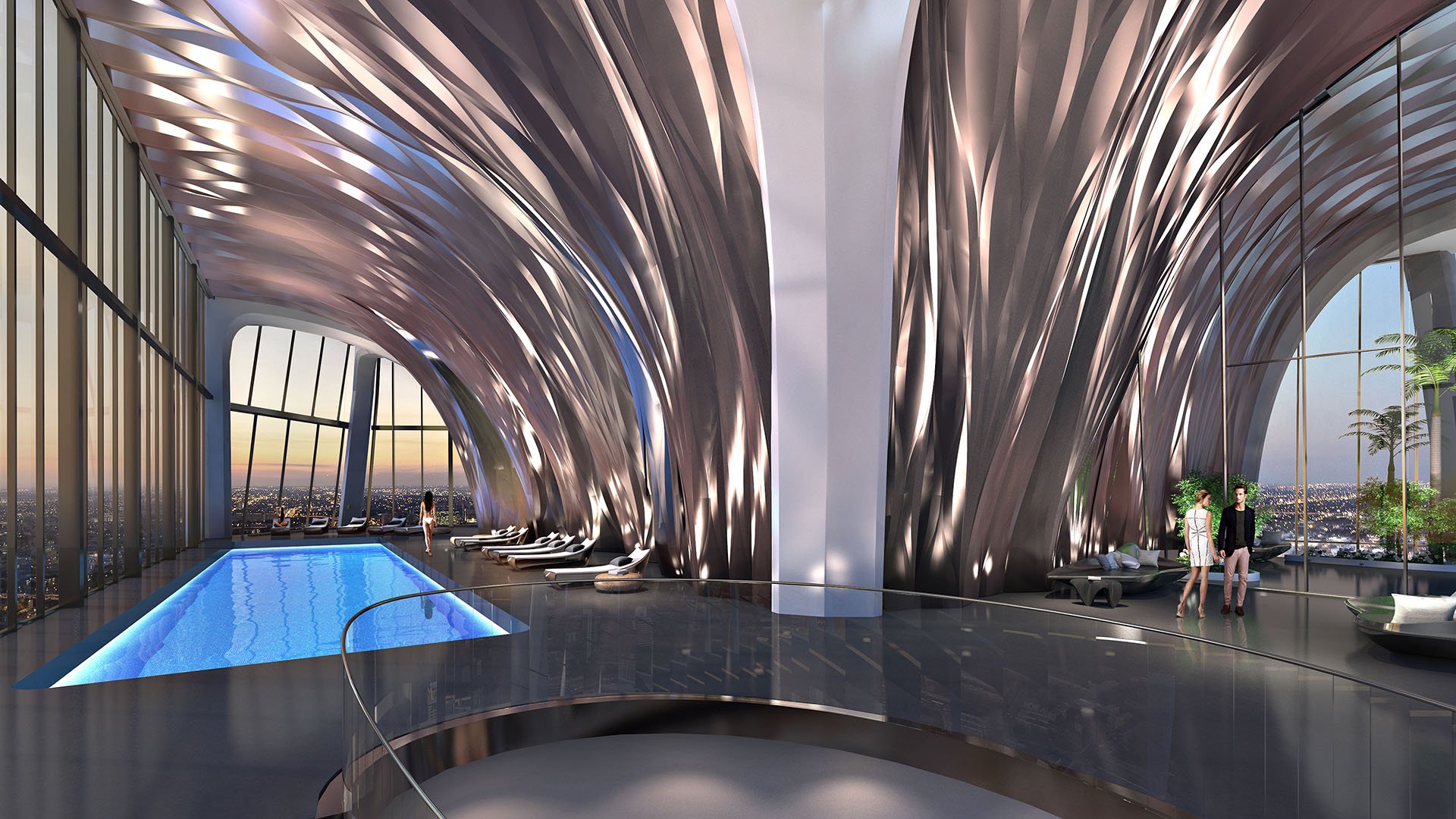
Aquatic facilities deserve their own set of questions. Ask whether maintenance, water treatment, HVAC or dehumidification, staffing, repairs, and replacement reserves are shown as separate line items. Pools and water features can be visually serene while operationally complex, especially in a coastal climate.
The spa and wellness budget should be reviewed with the same scrutiny. Ask about cleaning, equipment service contracts, consumables, repairs, and lifecycle replacement planning. Fitness and wellness spaces are used frequently, and the best buildings keep them pristine through routine service rather than emergency fixes.
Waterview appeal can command attention in Downtown Miami, but the quiet details behind the amenities often determine whether ownership feels effortless. A buyer should ask whether any amenity areas are under warranty, recently replaced, or approaching major repair cycles that could affect near-term dues or assessments.
One Thousand Museum is evaluated by many buyers as a design-forward, high-service condominium, which makes specialized building complexity part of the financial review. Buyers should ask whether any distinctive amenity, access, engineering, façade, or service feature requires separate inspections, maintenance contracts, insurance treatment, or reserve planning.
The point is not to assume a problem. It is to identify whether the building’s most compelling features are matched by a budget that acknowledges their ongoing care. Signature architecture can be a defining value attribute, but it should be paired with a maintenance plan that is visible in association documents.
For buyers considering other design-forward residences such as Faena Residences Miami Downtown Miami, this is the broader lesson: exceptional architecture should be paired with exceptional maintenance planning.
Ask for the reserve schedule and the latest reserve study. The purpose is to confirm whether expensive amenity components are being funded over time rather than deferred. A healthy reserve plan does not eliminate future cost, but it can reduce the likelihood that major components become sudden assessment events.
Buyers should also ask whether the association has recently levied, discussed, or projected special assessments tied to amenities, façade work, insurance, reserves, or major building systems. Board minutes and financial statements can be especially revealing. Look for recurring discussion of amenity deficits, underfunded reserves, insurance pressure, or deferred maintenance.
Finally, ask which costs are fixed regardless of usage and which vary with resident demand, events, seasonal occupancy, or vendor pricing. In ultra-luxury condominium ownership, discretion begins with documents.
What is the first amenity budget document to request? Request the current annual operating budget, then compare it with two to three years of actual expenses.
Why do actual expenses matter more than the budget alone? Actual expenses show whether costs have been rising faster than planned or whether certain line items are consistently underbudgeted.
Should I ask how monthly dues are allocated? Yes. Ask how dues are divided among concierge, security, spa, aquatic facilities, maintenance, utilities, insurance, and reserves.
Are all amenities necessarily included in regular dues? Not always. Ask whether recurring services are fully funded by dues or whether separate user fees apply.
Why are staffing costs so important at One Thousand Museum? High-touch services rely on staffing, and increases in coverage, cleaning, or vendor costs can influence future budgets.
What should I ask about the aquatic facilities? Ask for line items covering maintenance, water treatment, HVAC or dehumidification, staffing, repairs, and replacement reserves.
How should I review the spa and wellness budget? Look for cleaning, equipment service contracts, consumables, repairs, and lifecycle replacement planning.
Why should specialized building features be reviewed financially? Distinctive amenities, engineering, or service features may require dedicated maintenance planning, inspections, insurance review, or reserve funding.
Can the façade affect association costs? Yes. A complex architectural exterior may require specialized inspections, engineering oversight, or maintenance contracts.
What is the best way to shortlist comparable options for touring? Start with location fit, delivery status, and daily lifestyle priorities, then compare stacks and elevations to validate views and privacy.
For a tailored shortlist and next-step guidance, connect with MILLION.
If branded residences are on your mind — as a home or as an allocation — we would be glad to share what we are seeing, privately.
Begin a quiet conversation