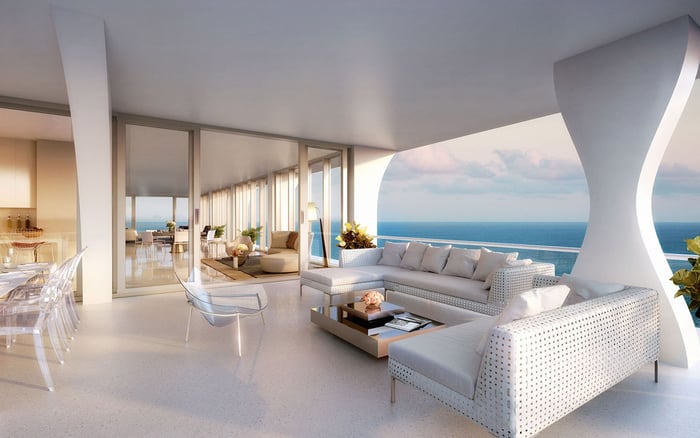
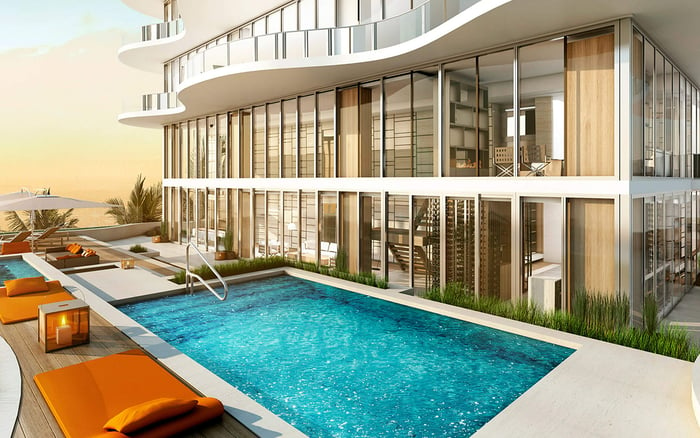
A buyer-focused due-diligence guide to three Sunny Isles Beach oceanfront towers, separating lifestyle appeal from document review, technical risk, service obligations, and resale strategy.
Sunny Isles Beach has a particular way of seducing buyers. The shoreline is cinematic, the towers are slender and polished, and the daily rhythm can feel closer to a private resort than a conventional condominium market. Yet for a serious purchaser evaluating Muse Residences Sunny Isles Beach, Regalia Sunny Isles Beach, and Turnberry Ocean Club Sunny Isles, the more useful question is not which building feels most glamorous. It is which ownership model best matches the buyer’s tolerance for governance, technical risk, service cost, and eventual resale.
Each of these oceanfront addresses speaks to a different kind of luxury buyer. Muse Residences Sunny Isles Beach is best approached as a boutique ultra-luxury environment where privacy, limited scale, finish quality, and technology integration deserve careful review. Regalia Sunny Isles Beach should be assessed through the lens of exclusivity, architectural distinction, and liquidity in a building where transaction volume may be limited. Turnberry Ocean Club Sunny Isles asks a different question: whether an extensive amenity and service platform aligns with the buyer’s lifestyle and monthly carrying-cost expectations.
Muse appeals to buyers who value discretion and a more intimate residential experience. That same limited scale is precisely why due diligence should move beyond finishes and views. In a boutique tower, a small number of owners can meaningfully influence voting dynamics, budget priorities, guest policies, and the overall culture of the building.
A buyer should confirm the actual owner-occupancy mix, rental restrictions, guest policies, and practical norms that shape daily life. The declared rules matter, but so does enforcement. For a second-home buyer, this may affect guest access and household staffing. For a primary resident, it may influence privacy, noise, elevator experience, and the long-term character of the association.
The financial review should be equally disciplined. Association budgets, reserves, insurance costs, and any pending or recent special assessments need to be weighed before relying on price-per-square-foot comparisons. A seemingly attractive entry price can look different once reserve funding, wind coverage, and future capital needs are understood.
Physical inspection should extend beyond the residence itself. Muse’s slender positioning makes view corridors, neighboring construction, balcony usability, beach-access convenience, and Collins Avenue ingress and egress important. A buyer paying for openness should test not only today’s view, but also the possibility of future construction noise, shadowing, and privacy change.
Regalia occupies a distinct position in Sunny Isles Beach because its appeal is deeply tied to privacy and architectural character. That is a strength, but it also means the financial read can be less straightforward. In a highly exclusive building, low transaction volume may limit pricing transparency, reduce comparable-sale depth, and complicate appraisal support.
For a buyer who intends to hold long term, that may be acceptable. For a buyer who wants optionality, it should be examined carefully. Days on market, buyer pool depth, and future exit strategy matter at purchase, not only when the owner decides to sell. Resale is not a failure of luxury ownership. It is a core part of intelligent acquisition planning.
Regalia’s sculptural oceanfront identity also places a premium on technical review. Balcony history, façade condition, waterproofing, window and door systems, and concrete-maintenance records should be reviewed with seriousness. Buildings with distinctive architecture can carry specialized maintenance obligations, particularly in a marine environment.
The document package deserves close attention. Association minutes, reserve studies, insurance renewals, litigation disclosures, and engineer reports should be reviewed before the buyer lets the emotional force of the residence dominate the analysis. Luxury positioning can be persuasive, but the better question is whether the building’s governance and maintenance history support that positioning over time.
Turnberry Ocean Club appeals to buyers who want a broader resort-style platform: amenities, services, wellness spaces, beach service, and club-style operations. The due-diligence question is not whether those features are desirable. It is whether the operating model is appropriately funded and whether the buyer will actually use what they are paying to maintain.
In a larger amenity-driven condominium, monthly carrying costs may be materially shaped by staffing, food-and-beverage service, wellness facilities, common-area operations, and beach service. Buyers should examine whether current and projected assessments reflect the true cost of the lifestyle. A polished amenity deck is only one part of the story. Service consistency, staffing levels, access rules, and guest policies determine how the building feels after closing.
Turnberry Ocean Club also requires careful review of systems and shared spaces. Insurance, reserve funding, elevator systems, mechanical systems, pool decks, spa areas, and common-space maintenance are not secondary topics. They are central to the ownership experience because the amenity platform is a major component of the value proposition.
For some buyers, this broader service environment is exactly the point. For others, it may be more infrastructure than they need. The best comparison is not merely Muse versus Regalia versus Turnberry Ocean Club. It is privacy versus service breadth, simplicity versus amenity depth, and lower operational complexity versus a more expansive lifestyle machine.
Across all three towers, Sunny Isles Beach should be viewed as both a lifestyle premium and a technical-risk environment. Oceanfront exposure calls for review of structural inspections, concrete restoration history, façade condition, and water-intrusion records. Storm exposure, wind insurance, flood coverage, beachfront infrastructure, emergency procedures, and lower-level mechanical vulnerability should be part of the same conversation.
This does not mean buyers should be fearful. It means they should be precise. The ocean is one of the reasons these buildings command attention, but it also shapes maintenance obligations and insurance realities. A disciplined buyer wants to understand how each association has planned for that environment, how reserves are being funded, and how future capital needs may affect ownership costs.
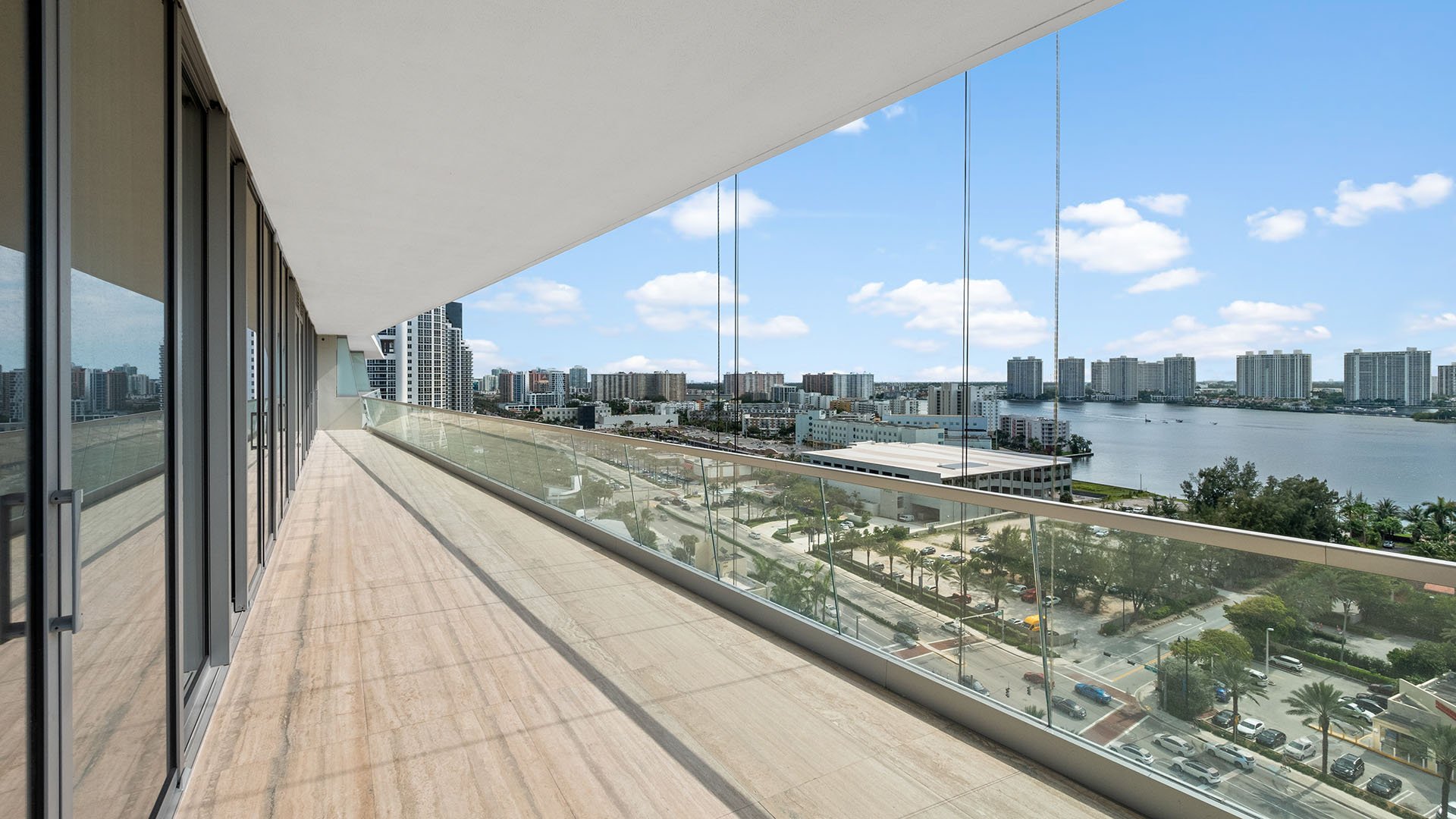
Views deserve similar discipline. Ocean, Intracoastal, and skyline exposures can carry meaningful premiums, but those premiums should be tested against neighboring development risk, potential construction activity, shadowing, and privacy changes. The most valuable view is not just the one that photographs beautifully. It is the one that has been evaluated for durability.
The cleanest framework is to separate lifestyle value from financial and technical risk. Muse and Regalia lean toward privacy, identity, and a more intimate ownership proposition. Turnberry Ocean Club leans toward breadth of amenities, services, and resort-style daily living. None is inherently superior for every buyer.
A buyer who prioritizes quiet, limited scale, and a more private atmosphere may naturally gravitate toward Muse or Regalia. A buyer who wants a fuller service environment may find Turnberry Ocean Club more aligned. But the right answer should come after reviewing budgets, reserves, insurance, rules, minutes, engineering materials, and amenity-cost assumptions.
The strongest purchases in Sunny Isles Beach are rarely made by comparing asking prices alone. They are made by understanding what each tower is asking the owner to support, participate in, and rely upon over time.
What is the main due-diligence difference between Muse and Turnberry Ocean Club? Muse centers on boutique governance, privacy, and limited-scale sensitivity. Turnberry Ocean Club requires deeper review of amenity operations, staffing, and service-related costs.
Why does owner-occupancy matter in a boutique building? In a smaller ownership structure, a limited number of owners can influence voting dynamics, budget priorities, and building culture.
What should Regalia buyers study before making an offer? Buyers should examine liquidity, pricing transparency, appraisal support, maintenance history, reserves, insurance renewals, and association records.
Are luxury finishes enough to justify a premium? No. Finishes are only one layer of value, while reserves, insurance, building condition, rules, and resale depth often determine the better purchase.
Why are balconies and façades important in Sunny Isles Beach? Oceanfront exposure can make waterproofing, concrete maintenance, window systems, and façade condition central to long-term ownership cost.
How should buyers think about views? View premiums should be tested against future development, construction noise, shadowing, privacy change, and long-term corridor protection.
Can a resort-style amenity platform increase carrying costs? Yes. Staffing, wellness facilities, food-and-beverage service, beach service, and common-area operations can materially affect assessments.
What documents should be reviewed across all three towers? Budgets, reserves, insurance, association minutes, engineer reports, inspection history, litigation disclosures, and special-assessment records are key.
Is resale risk different in a highly exclusive building? It can be. Low transaction volume may reduce comparable-sale depth and make pricing, appraisal support, and exit timing less predictable.
What is the best way to choose among these Sunny Isles Beach towers? Separate lifestyle preference from financial and technical risk, then confirm that the building’s operating model matches how you plan to live.
If you'd like a private walkthrough and a curated shortlist, connect with MILLION.
If branded residences are on your mind — as a home or as an allocation — we would be glad to share what we are seeing, privately.
Begin a quiet conversation