Steam-room ventilation is moving from a wellness detail to a core luxury due-diligence question for South Florida buyers assessing comfort, maintenance and long-term confidence.

For years, the private steam room was treated as a sensual amenity: a quiet badge of spa-level living tucked beside a gym, bath suite or wellness lounge. In South Florida’s highest-end homes and condominiums, that perception is changing. As buyers look toward 2026, they are not simply asking whether a residence has a steam room. They are asking how it breathes.
The shift is subtle but meaningful. A steam room is no longer evaluated only by stone selection, bench proportions, lighting temperature or the elegance of the glass door. It is increasingly judged by the invisible systems behind the experience: extraction, vapor separation, make-up air, maintenance access and the protection of adjacent rooms from lingering moisture.
That makes steam-room ventilation a quiet but important filter. It signals how thoughtfully a residence was conceived, how carefully a renovation was executed and how much confidence a buyer can carry beyond the closing.
South Florida buyers already understand that design decisions behave differently in a warm, coastal, moisture-rich setting. Materials, seals, air movement and mechanical planning matter. A steam room compresses that same conversation into one small, demanding space.
In a dry climate, a poorly considered steam feature may read as inconvenient. In South Florida, it can feel like a larger due-diligence question because the baseline environment is already sensitive to humidity. Luxury buyers are therefore looking for systems that feel deliberate rather than decorative.
This is especially true in vertical markets such as Brickell, where private amenities are often woven into dense, high-design residences, and in coastal enclaves such as Surfside and Sunny Isles, where buyers often evaluate wellness spaces alongside views, privacy and service. The location may differ, but the question is consistent: does the steam room perform as beautifully as it photographs?
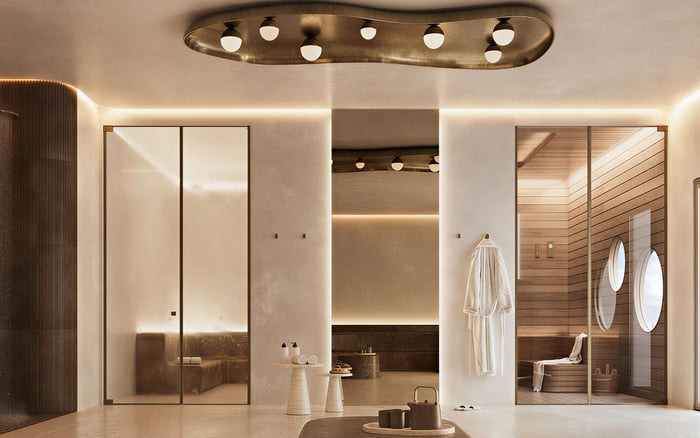
The old way of touring a steam room was visual. Buyers admired slab stone, linear drains, mood lighting and the seamless transition from bath to spa. The new way is more forensic. A discerning buyer wants to understand whether the room is properly isolated, whether the ventilation strategy is clear and whether service access exists without disturbing finished spaces.
This does not mean buyers are becoming less emotional. Quite the opposite. The most sophisticated purchasers still want the feeling of retreat. They simply understand that serenity depends on execution. A steam room that vents poorly can undermine the calm it was meant to create.
For 2026-minded buyers, the question is not whether wellness is desirable. Wellness remains central to the luxury residential conversation. The question is whether the wellness amenity has been treated as architecture, engineering and maintenance, not just as lifestyle staging.
A polished showing rarely reveals everything, but it can reveal enough to frame the next questions. Buyers should pay attention to transitions: the threshold, the ceiling plane, the door seal and the relationship to closets, millwork, bath vanities and mechanical chases. Steam should feel contained, not casually borrowed by adjacent spaces.
Look for signs that the room has a defined ventilation path rather than relying on the surrounding bath to absorb moisture. Ask whether the system has been reviewed recently, how it is serviced and whether any components are concealed behind finished surfaces. The answers matter because a beautiful steam room with no practical access can become an ownership frustration.
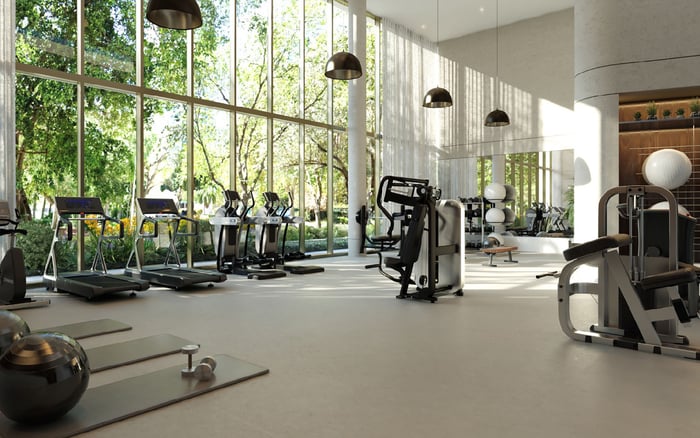
The same lens applies beyond the primary suite. When a residence includes a private gym, pool-adjacent wellness zone, sauna, recovery area or terrace-level spa suite, buyers should ask how each moisture-producing environment is separated from living and storage areas. The best spaces feel effortless because the hard work is hidden, not absent.
In the ultra-premium market, buyers often pay for confidence. They want to know that the next owner, designer, inspector or advisor will understand the residence as well resolved. Steam-room ventilation has entered that psychology because it is both technical and emotionally legible.
A buyer may not be an engineer, but they can sense when a wellness space feels overbuilt in the right way. Tight detailing, thoughtful air movement, dry adjacent surfaces and clean access panels all suggest discipline. Conversely, ambiguity can create doubt. If no one can explain how the space manages steam, the feature may shift from asset to question mark.
That matters for resale because the next buyer is likely to be just as selective. A steam room with documentation, service clarity and a credible ventilation narrative can support the broader story of a residence. It becomes part of a home’s quality language, alongside millwork, glazing, appliances, acoustics and outdoor living.
New-construction purchasers are increasingly comfortable reviewing floor plans, finish schedules and amenity diagrams before a home exists in final form. Steam-room ventilation belongs in that conversation early. Once walls, stone and ceilings are complete, improving the strategy can be more complicated and less elegant.
For buyers considering customization, the most productive moment to ask is before final selections are locked. Where will the steam generator sit? How will the room exhaust? What lies behind the wall? Can service be performed without damaging finished surfaces? How are nearby closets, fabrics and cabinetry protected?
These questions are not adversarial. In the best projects, they invite a more refined result. They also help separate residences that merely include a wellness feature from those that have truly integrated one.
A luxury advisor does not need to replace a mechanical specialist, architect or inspector. The advisor’s role is to know when the question matters and to make space for the right review before the buyer becomes emotionally committed.
That is particularly valuable in South Florida, where the appeal of a home can be immediate: the light, the water, the arrival sequence, the privacy and the atmosphere. A private steam room can amplify that romance. The right advisor helps ensure the romance is supported by practical intelligence.
For 2026, the most elegant buyers will not reject steam rooms. They will prefer the ones designed with discipline. In that sense, ventilation is not a negative filter. It is a standard of care.
Why is steam-room ventilation becoming more important to buyers? Buyers are looking beyond visible finishes and asking whether wellness amenities are technically sound, maintainable and suited to long-term ownership.
Is a steam room still considered a luxury feature in South Florida? Yes. The difference is that discerning buyers increasingly expect the feature to be supported by thoughtful ventilation and service planning.
What should I ask when touring a home with a steam room? Ask how steam is exhausted, where key equipment is located and whether maintenance access is practical without disturbing finished areas.
Can a beautiful steam room still be a concern? Yes. A visually refined space can still raise questions if the ventilation path, seals or adjacent moisture protection are unclear.
Should ventilation be reviewed before closing? For a serious purchase, a specialist review can help clarify performance, maintenance expectations and potential ownership concerns.
Does this matter more in condos or single-family homes? It can matter in both. Condos may require attention to shared systems and access, while single-family homes may offer more room for tailored solutions.
How does this affect resale value? A well-explained and well-maintained steam room can support buyer confidence, while uncertainty may create hesitation during due diligence.
Are buyers asking these questions in Brickell and coastal markets? Yes. In areas such as Brickell, Surfside and Sunny Isles, wellness spaces are often evaluated as part of a broader luxury-performance standard.
What is the best time to address ventilation in new construction? The best time is early, before final walls, ceilings, stone and cabinetry make changes more complex or visually disruptive.
Should I avoid homes with private steam rooms? Not necessarily. A steam room can be a superb amenity when its design, ventilation and maintenance access are clear.
To compare the best-fit options with clarity, connect with MILLION.
If branded residences are on your mind — as a home or as an allocation — we would be glad to share what we are seeing, privately.
Begin a quiet conversation