A buyer-oriented look at 2200 Brickell’s boutique resale thesis, future liquidity profile, and competitive position within Brickell and broader South Florida luxury markets.
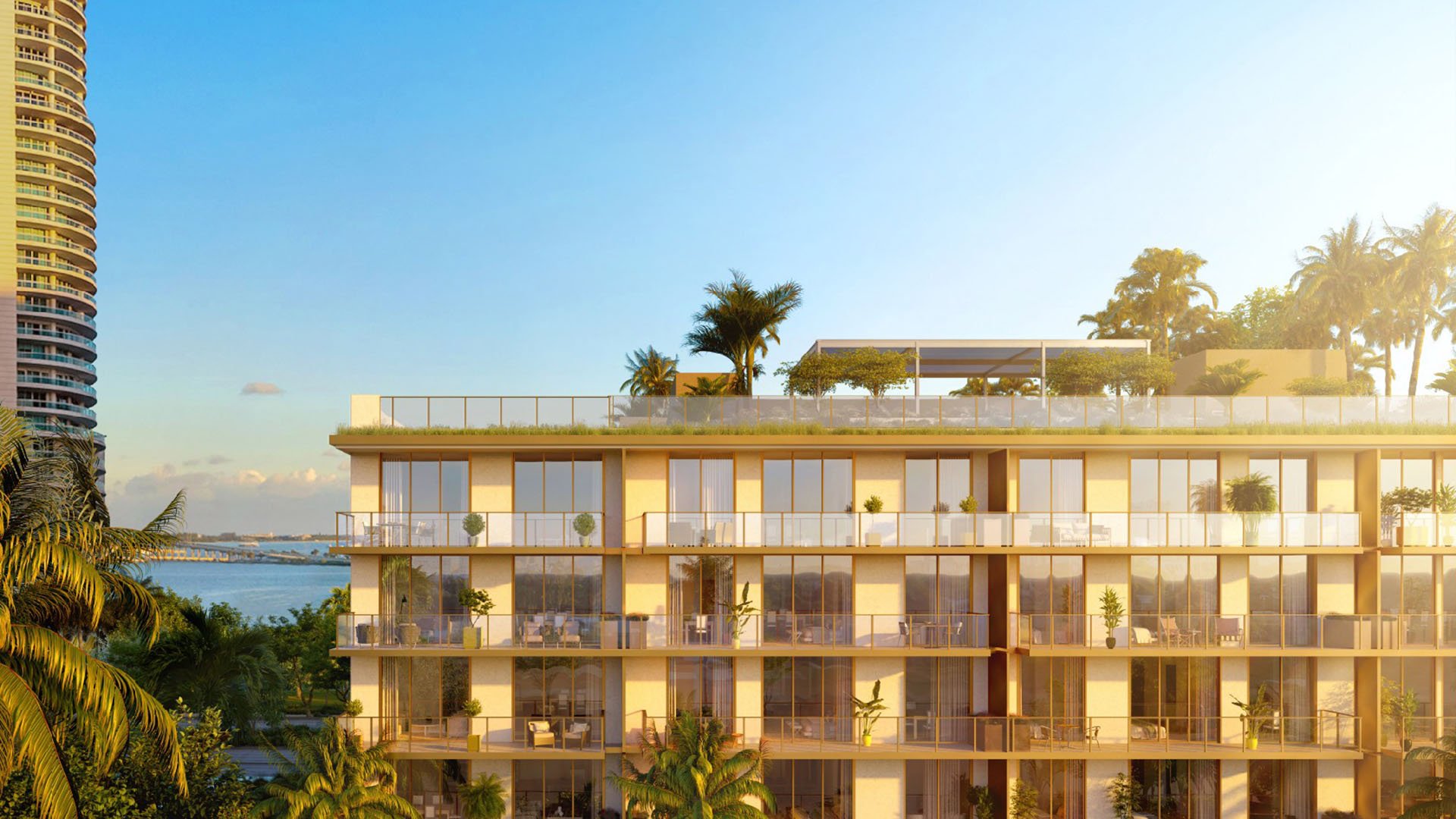
The long-term conversation around 2200 Brickell is not simply whether Brickell remains desirable. It is whether a more intimate condominium on Brickell Avenue can retain a clear identity in a corridor defined by large, high-density towers, constant energy, and a deep renter and investor ecosystem.
That distinction matters. In mature luxury markets, resale strength is often less about being the loudest launch and more about being immediately legible to the next buyer. A future purchaser should understand the building’s role quickly: urban access, privacy, generous layouts, and a residential feel within one of Miami’s most important business and lifestyle districts. For 2200 Brickell, that is the core thesis.
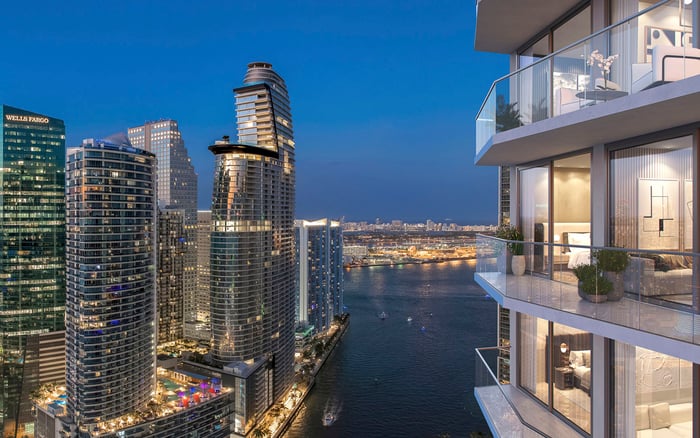
Brickell has no shortage of vertical scale. The corridor’s appeal is built on proximity to offices, restaurants, downtown Miami, highway access, and a relatively direct connection to the airport. Yet that convenience can carry a perception of transience, particularly in larger towers where investor ownership, short stays, or high turnover may shape the daily rhythm of the building.
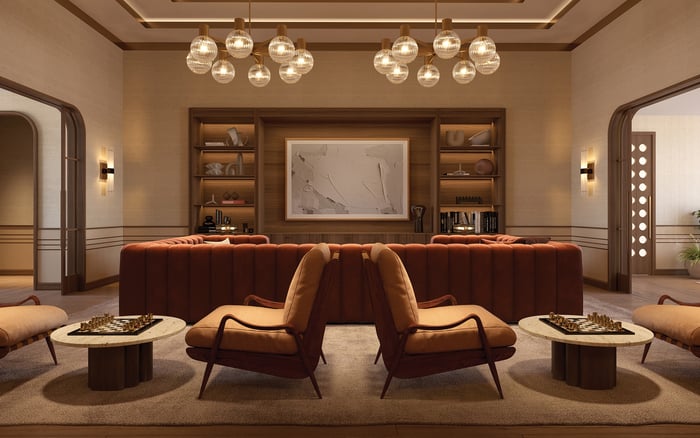
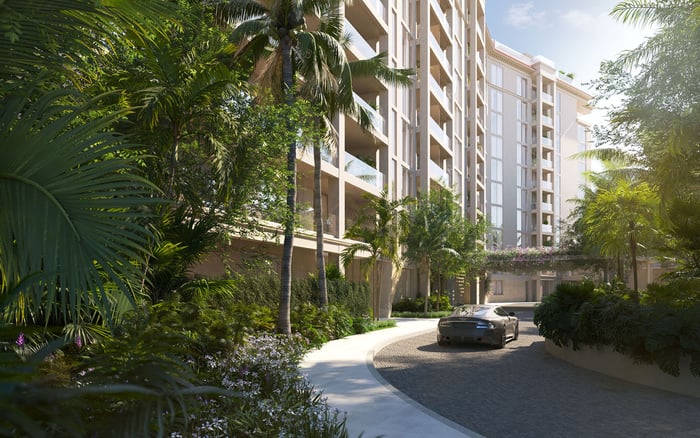
2200 Brickell’s boutique positioning is designed to speak to a different buyer psychology. Rather than competing primarily on spectacle or amenity volume, the project’s value narrative centers on livability, privacy, and a quieter residential environment. That does not make it detached from Brickell’s energy. It means the buyer is seeking access without surrendering the sense of home.
This is where the comparison within Brickell becomes more nuanced. A buyer evaluating Cipriani Residences Brickell or The Residences at 1428 Brickell may be considering a different type of statement, one tied to brand, tower presence, or architectural prominence. 2200 Brickell’s resale argument is quieter but distinct: if future supply leans larger and denser, boutique inventory may feel increasingly scarce to end users who want Brickell, but not its most crowded expression.
Buyer depth should be separated from short-term preconstruction attention. A launch audience can be shaped by timing, incentives, brokerage momentum, and market sentiment. Buyer depth, by contrast, is the pool of future owners who might plausibly step in on resale over time.
For 2200 Brickell, that pool is best understood as broader than a single investor segment. It may include primary or semi-primary residents, local move-up buyers who want the convenience of Brickell Avenue, and international buyers who view Miami as a familiar luxury gateway. Professional demand around Brickell and nearby districts may also support future resale liquidity by adding buyers who value proximity to work and urban lifestyle infrastructure.
The important point is depth, not certainty. A deep buyer pool can reduce reliance on one narrow demand source, but it does not guarantee appreciation. Resale outcomes will still depend on execution, maintenance, quality of ownership, and how clearly the building preserves its identity over time.
In luxury real estate, the first resale cycle often reveals whether a building’s promise translated into lived quality. For 2200 Brickell, the recurring variables are practical: maintenance quality, finish durability, building management, and owner profile. Boutique buildings can command loyalty when common areas age gracefully, service feels personal, and residents perceive stability in the community.
That is also where a boutique asset can be more exposed. A smaller building may not have the same margin for operational inconsistency as a larger tower with broader economies of scale. If the finishes remain durable and the building maintains a composed residential character, the boutique premium has a stronger chance of being recognized by the resale market. If not, the scarcity argument weakens.
Resale positioning should therefore be understood as a discipline, not a slogan. Buyers should watch whether the building continues to feel private, whether floor plans remain compelling against new inventory, and whether the association culture supports long-term value rather than short-term churn.
Investment logic at 2200 Brickell is not the same as a purely yield-driven condominium purchase. The project is framed more toward end users, with emphasis on livability and a residential experience rather than a transient ownership model. That may appeal to buyers who are less focused on immediate rental flexibility and more focused on long-duration optionality.
This is a meaningful distinction in Brickell. Investors often gravitate toward buildings with clear rental narratives, high visibility, and broad tenant demand. End users, especially affluent ones, tend to scrutinize privacy, layouts, noise, access, and the feel of arriving home. If 2200 Brickell can remain aligned with that second group, its liquidity may be supported by buyers who are not only calculating cap rates, but also assessing how the residence fits into their lives.
The best investment case is therefore restrained. It is not a promise of outsized appreciation. It is a thesis that boutique scarcity, Brickell Avenue access, and a stable end-user profile may help the building remain relevant if the broader corridor continues to urbanize.
A buyer considering 2200 Brickell is not only comparing it with other Brickell towers. The real competitive set spans Coconut Grove, Coral Gables, Edgewater, the Miami River, and Miami Beach. Each submarket answers a different version of the same question: how much urban energy does the buyer want, and what kind of privacy are they willing to trade for it?
Coconut Grove is particularly relevant because it often attracts buyers seeking a more residential, village-like atmosphere while remaining close to the urban core. A buyer comparing 2200 Brickell with Four Seasons Residences Coconut Grove may be weighing Brickell Avenue convenience against Grove calm, tree canopy, and a different rhythm of daily life. Coral Gables can introduce another alternative for buyers prioritizing established neighborhood character. Miami Beach and waterfront markets may pull demand toward resort living and ocean proximity.
Within Brickell itself, projects such as Una Residences Brickell can represent another form of luxury decision-making, especially for buyers comparing waterfront orientation, tower identity, and the broader lifestyle proposition. This broader context matters because 2200 Brickell’s future buyer may not be shopping only by ZIP code. The buyer may be choosing between versions of Miami life.
The most compelling long-term scenario for 2200 Brickell is a market in which affluent buyers continue to value privacy, larger layouts, and a quieter residential setting within Brickell. If future development along Brickell Avenue continues to favor larger buildings, the relative scarcity of boutique inventory may become more visible.
That scarcity must be earned. A boutique building cannot rely only on being smaller. It must feel intentional, well kept, and coherent in its ownership culture. Buyer depth is likely to be there if Brickell remains a magnet for business, dining, and international capital, but the building itself must give that buyer pool a reason to choose it over newer, louder, or more branded alternatives.
For sophisticated buyers, the due diligence is less about chasing a headline and more about understanding fit. 2200 Brickell may be best suited to those who want the city close, but not overwhelming, and who believe that livability can be as valuable as amenity scale.
What is the main resale thesis for 2200 Brickell? The thesis centers on boutique-scale differentiation within a Brickell market often associated with larger, denser towers.
Is 2200 Brickell more end-user oriented or investor oriented? Its positioning leans toward end users, with emphasis on privacy, livability, and a residential feel.
Why does buyer depth matter for future resale? Buyer depth reflects the likely future pool of purchasers who may support liquidity over time.
What could make 2200 Brickell feel scarce over the long term? If Brickell Avenue continues to add larger or denser projects, a boutique building may stand out as a rarer alternative.
Which buyers may be drawn to this type of building? Affluent primary and semi-primary residents may be drawn to Brickell access without a highly transient tower atmosphere.
How can nearby professional demand affect the resale outlook? Professional demand around Brickell may add buyers who value proximity, convenience, and an urban lifestyle.
Does boutique positioning guarantee appreciation? No. Long-term performance depends on maintenance, finish durability, owner profile, and continued demand for privacy.
What other areas compete with 2200 Brickell? Coconut Grove, Coral Gables, Edgewater, the Miami River, and Miami Beach can all compete for similar luxury buyers.
What should buyers watch after completion? Buyers should watch building upkeep, service consistency, common-area condition, and whether the owner profile supports stability.
Who is the ideal 2200 Brickell buyer? The ideal buyer wants Brickell’s urban convenience, but prefers a quieter, more intimate residential environment.
For a confidential assessment and a building-by-building shortlist, connect with MILLION.
If branded residences are on your mind — as a home or as an allocation — we would be glad to share what we are seeing, privately.
Begin a quiet conversation