A discreet buyer’s guide to reading sauna demand before touring South Florida luxury residences, with practical signals for privacy, scheduling, wellness flow, and daily livability.
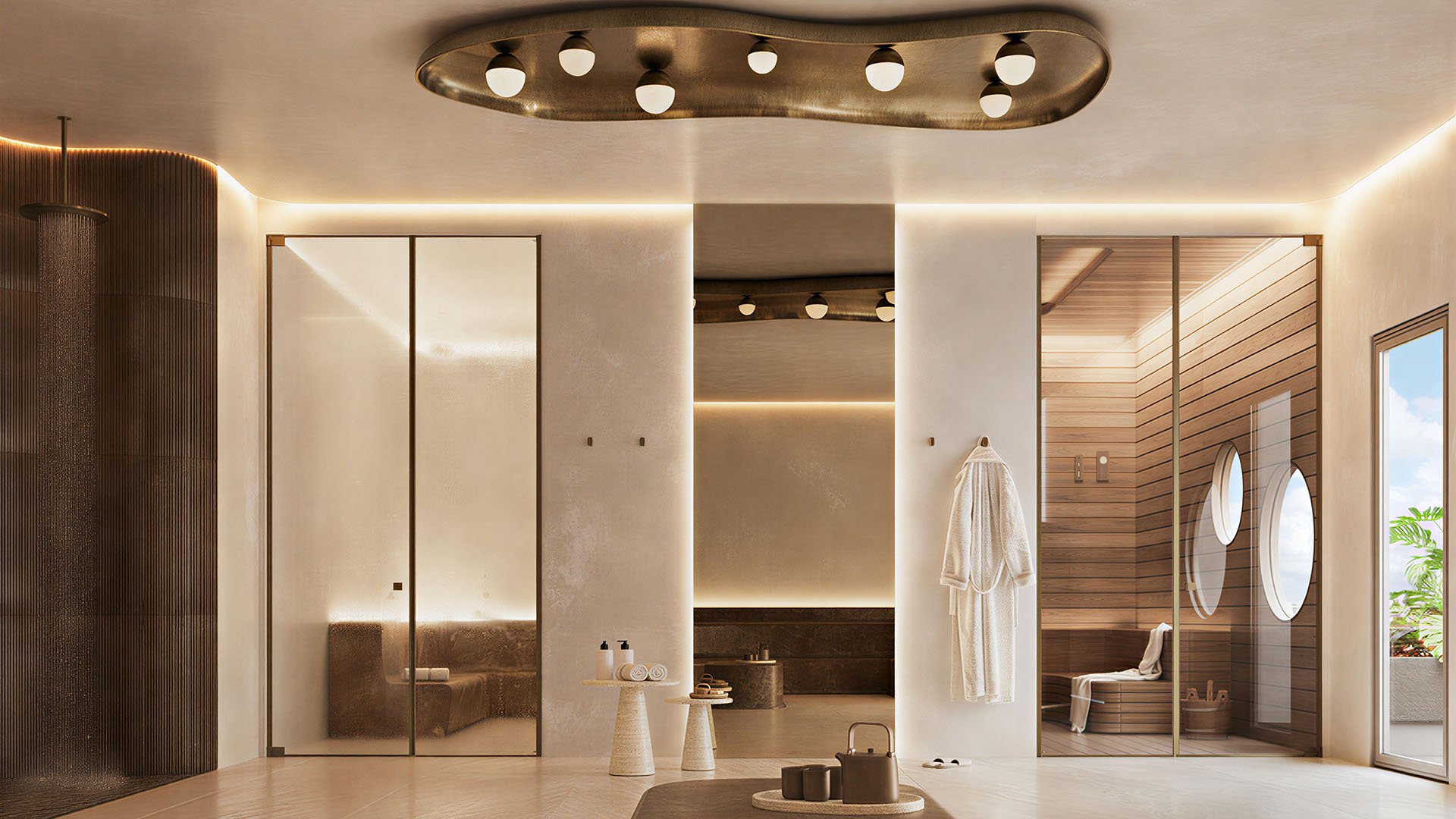
A private tour can make almost any wellness floor feel serene. The more revealing question is how that space performs when the building is fully awake. Sauna traffic-the rhythm of who uses the sauna, when they use it, and how well the experience maintains its composure-can tell a buyer more than a polished amenity deck ever will.
For South Florida’s luxury real estate audience, the sauna is not simply a feature tucked beside the fitness center. It is part of a larger wellness sequence: arrival, training, heat, cold, shower, robe, lounge, elevator, residence. When that sequence feels effortless, the building supports a private lifestyle. When it feels crowded, exposed, or inconvenient, even an expensive finish palette can lose its appeal.
The point is not to reject a residence because its sauna is popular. Popularity may signal a health-conscious community and a well-used amenity program. The goal is to understand whether demand is absorbed gracefully. Before the first tour, sauna traffic should help you distinguish between a building that photographs beautifully and one that lives beautifully.
Design matters, but use patterns matter first. A sauna that is undersized for its audience may become a scheduling exercise rather than a ritual. A larger wellness suite can also disappoint if it is poorly arranged, positioned too publicly, or dependent on a narrow corridor that turns every visit into a social encounter.
Before touring, ask how the sauna is accessed. Is it part of the main spa circuit, attached to the fitness area, or set apart in a quieter wellness zone? Each choice changes the mood. A sauna placed directly off a gym may suit a buyer who treats heat therapy as part of training. A more secluded arrangement may better serve an owner who values retreat, discretion, and decompression after travel.
Hours are equally important. Early risers, evening users, and seasonal residents have different needs. If a building limits access in a way that conflicts with your daily routine, the amenity may be less valuable than it appears. The strongest shortlist is not the one with the longest roster of amenities. It is the one in which the amenities match your actual calendar.
In ultra-premium buildings, privacy is not only about who can enter the property. It is also about how exposed you feel while using shared spaces. Sauna traffic reveals this quickly. A buyer should consider whether the journey from residence to sauna feels discreet, whether locker areas remain calm, and whether transitions are visually protected.
This is especially relevant for buyers comparing Miami Beach, Brickell, Sunny Isles, and Surfside lifestyles. A highly social building may be perfect for one owner and entirely wrong for another. In a vertical urban setting, the wellness floor may function as an extension of the club. In a quieter coastal setting, it may be expected to feel almost residential. Neither model is inherently superior. The question is which one fits your temperament.
Pay attention to gender configuration, changing areas, robe circulation, and the proximity of showers or plunge features. These details influence whether the sauna becomes a daily habit or an occasional novelty. Finishes may win the first impression, but privacy determines whether you return.
A spacious sauna at the wrong hour can feel crowded. A modest sauna with disciplined traffic can feel intimate and refined. That is why timing should enter the conversation before the tour. Ask when usage peaks, whether residents tend to book time, and whether management has a system for maintaining order without making the experience feel institutional.
The best buildings make wellness feel intuitive. You should not need to negotiate around others, wonder whether towels are available, or feel uncertain about etiquette. A calm operational culture is part of the asset. For buyers who divide time between South Florida, New York, Europe, Latin America, or the Caribbean, predictability can matter as much as beauty.
If the building is new construction, the question becomes slightly different. There may not be a mature usage pattern yet. In that case, study the intended programming, the scale of the wellness offering, and how the amenity is likely to serve the future resident profile. A sauna designed as an afterthought will usually feel like one. A sauna integrated into a full recovery sequence has a better chance of becoming part of daily life.
Every buyer has a different wellness rhythm. Some want a pre-dawn heat session before a driver arrives. Others want a late-afternoon reset after tennis, beach time, or a long flight. Some will use the sauna privately and silently. Others see the wellness floor as a gentle social setting.
This is where sauna traffic becomes a lifestyle filter. A Brickell buyer may value extended hours and efficient elevator access. A Miami Beach buyer may care more about the transition from beach or pool to spa. A Sunny Isles buyer may prioritize resort-style wellness without losing residential quiet. A Surfside buyer may want intimacy and restraint rather than a high-volume amenity culture.
The same amenity can support different lives depending on circulation, capacity, and etiquette. Before the tour, write down your ideal sauna routine in plain terms: time of day, frequency, privacy level, companion use, and tolerance for shared space. Then evaluate each building against that routine. This makes the first tour sharper, because you are not simply admiring materials. You are testing fit.
The most productive questions are direct but not adversarial. Ask whether the sauna is shared by all residents, limited to certain areas, or paired with additional wellness rooms. Ask if access is open, reserved, or managed during busy periods. Ask how maintenance is handled and whether the space is staffed, monitored, or resident-led.
You can also ask how the sauna relates to the rest of the wellness floor. Is there a relaxation area nearby, or does the experience end abruptly in a hallway? Are showers convenient? Is there a logical path back to the elevator without passing through a crowded lounge? These are small details until they become part of your weekly life.
For couples and families, consider overlapping routines. If one person trains in the morning while another prefers evening recovery, the building must support both. If guests will use the amenity, understand the guest policy before you fall in love with the spa photography. A serious shortlist anticipates real use, not imagined perfection.
Once you start comparing residences, sauna traffic can be a quiet tie-breaker. If two buildings offer similar views, finishes, and location appeal, the one with a better wellness rhythm may deliver greater day-to-day satisfaction. This is particularly true for buyers who see the residence as a second home, a seasonal base, or a long-term health investment.
A refined shortlist should separate spectacle from service. The most desirable sauna is not always the largest or most dramatic. It is the one that feels available when you want it, private when you need it, and integrated into the building’s larger sense of ease.
Luxury buyers often focus on the residence first and the shared spaces second. Sauna traffic argues for a more balanced view. In a building where wellness is part of daily identity, shared spaces become an extension of the home. If they are overburdened, awkward, or poorly managed, the residence absorbs that friction. If they are composed and thoughtfully used, the entire property feels more livable.
Why should sauna traffic matter before a first tour? It helps you anticipate whether a wellness amenity will feel calm, available, and private in daily use.
Is a busy sauna always a negative sign? No. Demand can be positive if the building has the capacity, layout, and management to handle it gracefully.
What is the first sauna-related question to ask? Ask how access works, including hours, reservation expectations, and whether peak times are common.
Should I prioritize sauna size or privacy? Privacy usually matters more, because circulation, changing areas, and visual separation shape the experience.
How does location affect sauna expectations? Urban, beach, and quieter residential settings often attract different wellness rhythms and social preferences.
Can sauna traffic influence perceived appeal? A well-used, well-managed wellness suite can strengthen perceived livability for health-focused buyers.
What if the building is still under development? Focus on the planned wellness sequence, expected resident profile, and whether the sauna feels integrated or secondary.
Should guests be part of the evaluation? Yes. If you expect guests to use the spa, clarify access rules before treating the amenity as part of your lifestyle.
What is a red flag during a tour? Awkward circulation, unclear etiquette, crowded transitions, or a sauna isolated from showers and recovery space can all signal friction.
How should I use this in my shortlist? Treat sauna traffic as a livability filter alongside views, floor plan, location, service, and long-term comfort.
For a tailored shortlist and next-step guidance, connect with MILLION.
If branded residences are on your mind — as a home or as an allocation — we would be glad to share what we are seeing, privately.
Begin a quiet conversation