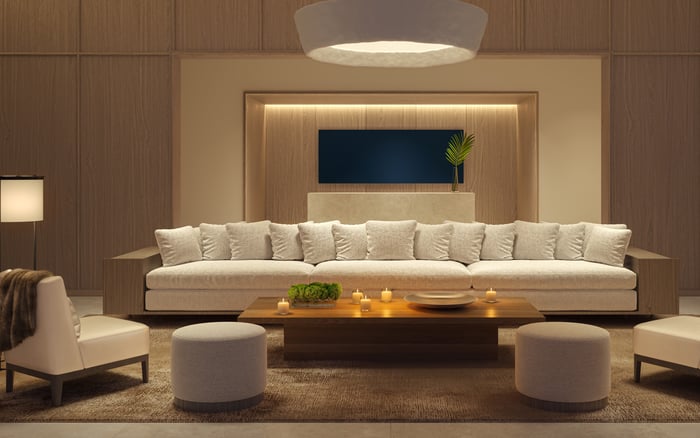
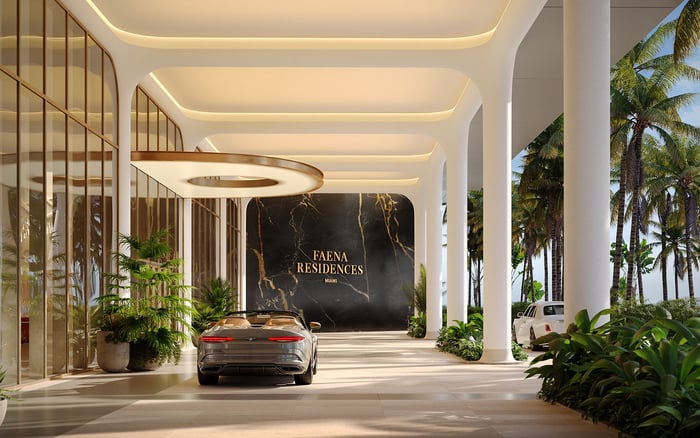
A buyer-oriented look at what separates a true Midtown Miami trophy penthouse from an expensive high-floor apartment, with emphasis on livability, privacy, terraces, view quality, building execution, and long-term exit discipline.
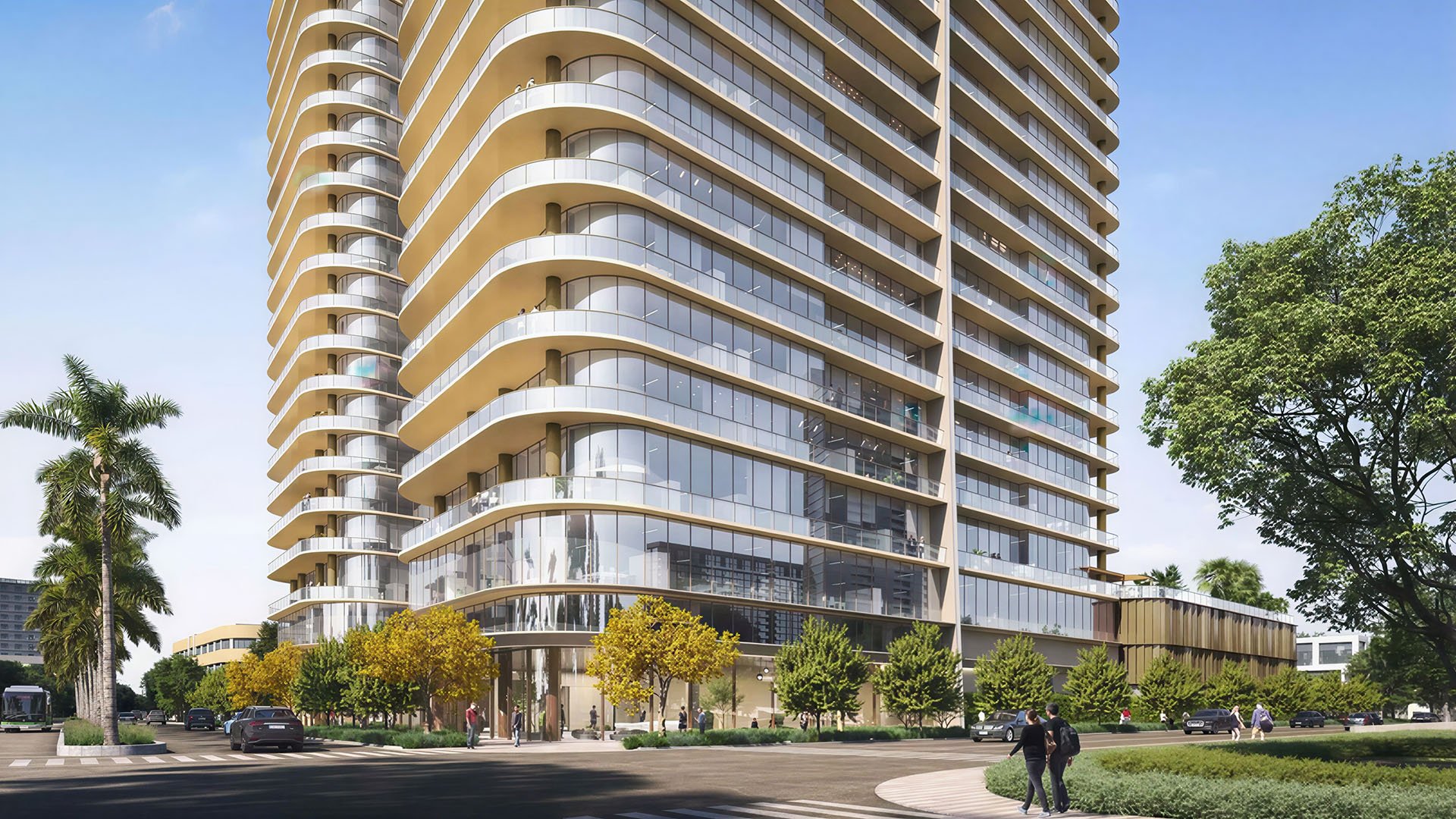
A trophy penthouse in Midtown Miami has to do more than sit above the building. For a serious long-term purchase, it must live like a private home in the sky, with the discretion, proportion, and daily ease sophisticated buyers expect from a legacy asset. Height alone is not enough. The residence has to justify its premium in ways that remain compelling across market cycles.
Midtown’s appeal is its connective tissue. It sits between the Design District, Wynwood, Edgewater, Downtown Miami, and the bayfront lifestyle that increasingly defines Miami’s urban luxury market. That geography can be powerful, but only when the specific penthouse translates location into livability. A true trophy should offer calm above the activity, not simply proximity to it.
For buyers comparing new and emerging options, Miami Design Residences Midtown Miami provides a relevant Midtown reference point, while nearby projects such as EDITION Edgewater help frame how adjacent neighborhoods compete for the same design-conscious buyer.
The first test is not the view. It is the plan. A penthouse that works long term should feel resolved from the moment the elevator opens. Arrival, gallery walls, entertaining areas, private suites, service zones, storage, and outdoor space should follow a logical sequence. If the plan depends on staging tricks or dramatic furniture to make sense, the residence may photograph better than it lives.
The best layouts separate public and private life without wasting square footage. A principal suite should feel protected, not simply large. Guest rooms should be comfortable enough for extended stays. Kitchens should support entertaining without becoming daily performance theater. Secondary circulation, staff access, laundry, and back-of-house utility matter because they determine how the home functions when it is fully occupied.
A serious buyer should also ask how the plan will age. Overly themed interiors can date quickly. Flexible rooms, generous wall space, balanced ceiling heights, and rational proportions create more durable value. Long-term ownership rewards restraint.
High floors can deliver drama, but view quality is more nuanced than elevation. The most valuable outlooks have depth, variety, and privacy. In Midtown, a strong penthouse may capture skyline movement, the Design District’s architectural energy, Wynwood’s cultural edge, or a sense of bayward openness from nearby corridors. The question is not whether the view is impressive at sunset. It is whether it remains desirable in morning light, at night, and in daily use.
Buyers should study exposures carefully. Harsh afternoon sun can affect comfort and furnishing choices. A beautiful angle may still be compromised by neighboring sightlines. Privacy is especially important in urban luxury, where the feeling of being above the city can be weakened if the main living areas face directly into another tower.
View permanence also deserves attention. A trophy purchase should be assessed against the broader urban setting, not only the current window scene. The cleanest long-term purchases are those where the view supports a larger lifestyle proposition rather than serving as the sole reason to buy.
A terrace is often the emotional center of a Miami penthouse, but not every outdoor area is equally valuable. Size matters less than usability. The strongest terraces offer shade potential, wind comfort, privacy, logical access from living spaces, and enough depth for real furniture. A narrow ledge may add marketing appeal, but it rarely supports daily life.
In Midtown, outdoor space should extend the interior rather than interrupt it. The transition from great room to terrace should be intuitive, and the terrace should support more than one use: morning coffee, evening cocktails, quiet reading, and occasional entertaining. If outdoor space requires too much maintenance, feels overly exposed, or is difficult to furnish, its long-term value is limited.
This is where comparison shopping is useful. Buyers looking at Midtown often evaluate nearby waterfront and skyline alternatives such as Aria Reserve Miami to understand how terrace depth, orientation, and lifestyle differ by micro-market.
A penthouse can only be as strong as the building beneath it. For long-term ownership, the tower’s operational quality matters as much as the residence itself. Elevator experience, lobby discretion, valet choreography, service culture, security, package handling, amenity scale, and maintenance standards all shape daily life.
A true trophy should feel private without feeling isolated. The building should manage arrivals gracefully, keep service functions out of sight, and support owners who may use the residence seasonally or full time. Amenity programming should enhance the home rather than compensate for weaknesses in the unit.
The buyer should also look for architectural coherence. A penthouse at the top of an ordinary building can struggle to hold its premium if the broader property does not support the same level of expectation. Conversely, a well-executed building can reinforce confidence because every shared space contributes to the owner’s experience and to future resale perception.
Midtown works best for buyers who value cultural access, design energy, dining, galleries, wellness, and short drives to multiple Miami neighborhoods. It is not a pure beachfront play, nor is it a traditional enclave. Its luxury argument is urban, creative, and connected.
That is why a penthouse here should be evaluated against the owner’s actual rhythm. If the buyer spends evenings in the Design District, moves easily through Wynwood, entertains friends from Miami Beach, and wants faster access to Downtown Miami without living directly in a financial core, Midtown can be compelling. If the buyer’s life is centered on private sand, marina living, or gated seclusion, another submarket may be more appropriate.
A Downtown comparison such as Waldorf Astoria Residences Downtown Miami can help clarify whether the buyer wants iconic verticality, Midtown adjacency, or a different expression of Miami city living.
Investment discipline is not about turning every residence into a spreadsheet. It is about understanding who the next buyer will be. A serious long-term penthouse should have a clear future audience: someone who values the same privacy, plan, outdoor space, and location logic that justified the original purchase.
Over-personalization is one of the main risks. Exotic finishes, overly specific room conversions, or interiors built around a single owner’s habits can narrow the resale pool. The most durable trophy homes allow personality through art, furniture, lighting, and styling while preserving architectural flexibility.
Liquidity also depends on pricing psychology. A penthouse premium is easier to defend when it is attached to measurable advantages: the best line, the most usable terrace, a superior arrival sequence, better privacy, or an unusually balanced plan. A high price attached only to height is more fragile.
A disciplined walkthrough should happen at more than one time of day when possible. Morning light, afternoon heat, evening traffic patterns, sound conditions, and nighttime city glow each reveal different truths. Buyers should stand on the terrace, sit in the living room, test the principal suite, imagine guests arriving, and consider how groceries, luggage, staff, deliveries, and pets move through the home.
The right question is not simply, “Is this impressive?” It is, “Would this still feel exceptional after five years of ownership?” A trophy penthouse that works long term should answer yes through proportion, privacy, comfort, and restraint.
What makes a Midtown Miami penthouse a trophy purchase? It needs more than height. The strongest examples combine privacy, views, usable outdoor space, a refined plan, and a building that supports luxury living every day.
Is Midtown Miami a good location for a long-term luxury buyer? It can be, especially for buyers who value proximity to the Design District, Wynwood, Edgewater, Downtown Miami, and Miami Beach without choosing a traditional beachfront setting.
How important is the terrace in a penthouse purchase? It is very important, but usability matters more than raw size. Shade, depth, privacy, wind comfort, and natural access from living areas are key.
Should a buyer prioritize the highest floor available? Not automatically. High floors can be appealing, but plan quality, privacy, exposure, and view composition often matter more than elevation alone.
What floor plan features help protect long-term value? Clear arrival, separated bedrooms, flexible rooms, service areas, storage, and balanced proportions help a penthouse remain relevant to future buyers.
Can a highly customized penthouse hurt resale? Yes. Personal design can be beautiful, but overly specific finishes or room conversions may reduce the number of future buyers who see themselves in the home.
How should buyers compare Midtown with Edgewater or Downtown Miami? They should compare daily lifestyle first. Midtown is urban and design-adjacent, while nearby areas may offer different skyline, water, or tower-living advantages.
Is a penthouse always better than a large lower-floor residence? Not always. A lower residence with a better plan, quieter exposure, or more functional outdoor space may be more enjoyable over time.
What is the biggest mistake in buying a trophy penthouse? Paying mainly for spectacle. Long-term value usually comes from livability, scarcity, privacy, and a clear resale audience.
When should a buyer bring in advisory guidance? Early. The best guidance helps compare buildings, plans, exposures, and exit logic before emotion takes control.
For a discreet conversation and a curated building-by-building shortlist, connect with MILLION.
If branded residences are on your mind — as a home or as an allocation — we would be glad to share what we are seeing, privately.
Begin a quiet conversation