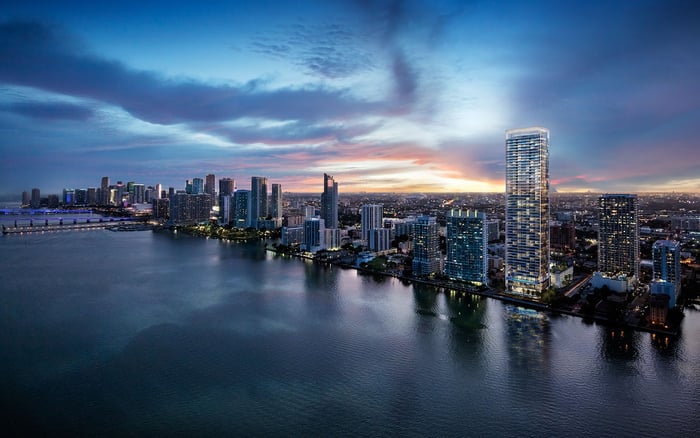
A buyer-focused editorial on why Kempinski Residences Miami Design District calls for a more nuanced review of brand structure, urban lifestyle fit, ownership rules, and long-term liquidity.
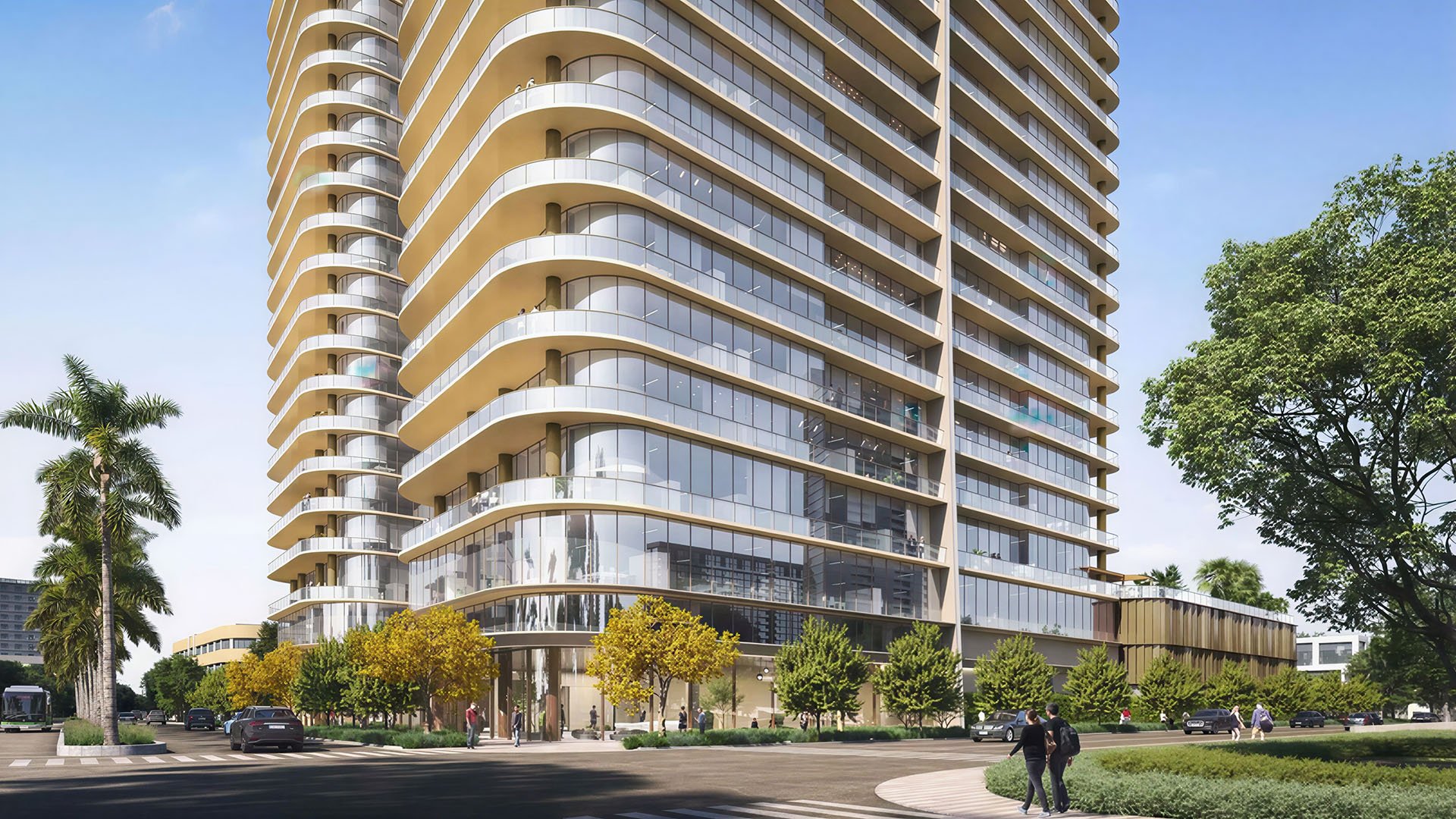
Kempinski Residences Miami Design District occupies a category sophisticated buyers increasingly recognize as neither conventional condominium nor simple lifestyle purchase. It is a branded residential proposition in a design-forward urban setting, which means value is not measured only by floor plan, finish package, or view corridor. The more consequential question is whether the full ownership experience-from arrival sequence to governance, from use flexibility to long-term resale logic-fits the way a buyer intends to live.
That is why the first step is to slow the conversation down. A buyer considering Kempinski Residences Miami Design District should not evaluate it with the same checklist used for a purely beachfront tower or a suburban single-family estate. Design District living places daily life close to culture, retail, dining, events, traffic rhythms, and urban energy. For some owners, that is precisely the appeal. For others, the right residence must provide enough privacy and calm to balance the neighborhood’s public magnetism.
The due diligence lens, therefore, begins with lifestyle compatibility. A residence can be architecturally compelling and still be wrong for a buyer who wants quiet, predictable arrival, abundant private outdoor space, or a lower-exposure environment. Conversely, a buyer who values proximity, design identity, and a curated urban setting may find this category more compelling than a traditional resort condominium.
A hospitality name can provide emotional confidence, but it should also prompt disciplined review. Buyers should understand how the brand is licensed, how long the brand agreement is expected to remain in place, what services are tied to the brand, and which costs support that experience. In branded residences, the name on the building is only one layer. The governing documents, operating budgets, service standards, and owner-use rules determine the lived reality.
This is where high-net-worth buyers separate presentation from ownership substance. The most polished sales gallery cannot replace a careful reading of maintenance obligations, association controls, transfer rules, leasing policies, and any limitations on alterations. If the residence is being purchased as a primary home, the review should focus on privacy, service consistency, guest access, storage, parking, and long-term ease of living. If it is being considered as a Second-home or Investment, the analysis should shift toward permitted use, carrying costs, liquidity, and exit assumptions.
The category also benefits from comparison. A buyer looking at a design-led urban residence may want to benchmark it against other Miami branded or design-conscious offerings, such as 888 Brickell by Dolce & Gabbana, without assuming that two branded properties share the same economics or rules. The name may open the conversation, but the documents define the purchase.
In a design-centered district, the neighborhood is part of the amenity package. That can be powerful. It can also introduce variables that never appear in the rendering. Buyers should consider event patterns, delivery routes, valet operations, street activity, nighttime atmosphere, and the friction between residential calm and public destination energy. These issues are not flaws by default. They are lifestyle variables that must be matched to the buyer’s tolerance and habits.
For a New Project in an urban setting, arrival matters. How does one enter the building during peak activity? Is the drop-off intuitive? Is the garage experience private enough for a buyer accustomed to low-friction access? Is the lobby sequence residential in feeling, or does it read more like a public hospitality threshold? These questions are especially important for owners who divide time among multiple homes and expect immediate ease when they arrive.
The same buyer might compare the Design District proposition with nearby urban alternatives, including Miami Design Residences Midtown Miami, or with a more vertical financial-district context in Brickell. The point is not to crown one neighborhood over another. It is to understand which environment supports the owner’s actual week, not an imagined weekend.
Luxury real estate is often sold through feeling. Due diligence is where feeling becomes ownership clarity. Before moving from interest to commitment, buyers should scrutinize the declaration, budget assumptions, assessment structure, insurance framework, brand-related fees, reserve policies, and any rules governing rentals, guests, pets, renovations, and resale approvals.
This is especially important in New-construction and pre-completion contexts, where the buyer is evaluating a promise as much as a finished product. The key is not cynicism. It is alignment. A buyer should know what may change, what is fixed, what requires association approval, and what remedies exist if delivery differs from expectation. Deposit structure, completion obligations, closing conditions, and unit specifications deserve careful legal review.
The most elegant residence can lose appeal if recurring costs feel opaque or if use restrictions conflict with family needs. A buyer who plans to host adult children, staff, extended guests, or seasonal visitors should confirm how access and occupancy are treated. A buyer who expects rental flexibility should avoid assumptions and read the governing language directly.
A Design District residence should not be compared only on price per square foot. That metric can be useful, but it often flattens the very qualities that define the purchase. A better framework compares lifestyle categories: urban design district, financial-district tower, beachfront retreat, bayfront residence, and private-island or low-density enclave.
For example, a buyer may consider the Design District for cultural proximity, then test that preference against beach-oriented alternatives such as The Perigon Miami Beach or urban bay-adjacent options such as Villa Miami. Each choice implies a different daily rhythm, guest experience, and resale audience. The strongest decision is rarely the most dramatic one. It is the one that fits the owner’s private priorities.
Boutique buyers may also care about scale, discretion, and neighbor profile. Investment-minded buyers may focus on brand durability, absorption, comparable inventory, and the likely depth of the resale pool. Buyers who split time between Miami, New York, Europe, and Latin America may prioritize lock-and-leave service and predictable operations over sheer interior size.
The most effective due diligence conversations are specific. What exactly is included in the residential service program? Which amenities are residential-only, shared, optional, or fee-based? How are disputes handled? What is the approval process for design modifications? Are there restrictions on short-term or seasonal use? What are the assumptions behind the association budget? How might future neighboring development affect the experience?
Parking and access deserve particular attention in urban luxury. So do package handling, staff access, owner storage, security protocol, and guest management. These operational details may sound less glamorous than stone selection or appliance packages, but they shape everyday satisfaction.
Buyers should also consider personal liquidity. A residence in a distinctive design district may appeal to a narrower but more intentional buyer pool. That can be positive when the product is scarce and well positioned, but it makes accurate entry pricing and exit strategy more important. The buyer should be comfortable owning through different market cycles, not only during the most enthusiastic launch period.
The central appeal of Kempinski Residences Miami Design District is the promise of design-conscious urban living with a hospitality inflection. The proper response is not skepticism, but precision. This is a residence to evaluate through documents, lifestyle fit, operating clarity, and comparative context. It should be understood as part home, part service environment, and part statement about how the owner wants to inhabit Miami.
For the right buyer, that can be a compelling combination. For the wrong buyer, even the most elegant concept can feel too public, too structured, or too urban. The difference is discovered before contract, not after closing.
Is Kempinski Residences Miami Design District best evaluated like a hotel residence? It should be reviewed as a private residence with a hospitality brand component, not simply as a hotel asset. The key is understanding owner rights, services, fees, and governance.
What is the first due diligence question buyers should ask? Start with intended use. A primary residence, Second-home, and Investment each require a different reading of rules, costs, and flexibility.
Why does the Design District context matter? The neighborhood experience is part of the value proposition. Buyers should assess whether urban energy, access patterns, and public activity match their lifestyle.
Should brand prestige drive the purchase decision? Brand can matter, but documents matter more. The buyer should understand how the brand relationship affects services, costs, and long-term operations.
How should buyers compare this with Brickell options? Brickell may suit buyers prioritizing a financial-district rhythm, while a design-district residence may appeal to those seeking a more design-centered environment.
Is a Boutique feel always better for luxury buyers? Not always. Some buyers value intimacy and discretion, while others prefer larger amenity ecosystems and broader resale audiences.
What should New-construction buyers review carefully? Buyers should review deposit terms, completion obligations, specifications, association budgets, and the process for changes before committing.
Can an urban branded residence work as an Investment? It can, if use rules, costs, rental limitations, and resale demand align with the buyer’s objectives. Assumptions should be tested before purchase.
How does Wynwood fit into the comparison? Wynwood can be part of the broader urban Miami comparison set for buyers considering art, design, and neighborhood energy.
What makes this diligence lens different? It combines legal, lifestyle, operational, and resale analysis rather than focusing only on finishes or price per square foot.
To compare the best-fit options with clarity, connect with MILLION.
If branded residences are on your mind — as a home or as an allocation — we would be glad to share what we are seeing, privately.
Begin a quiet conversation