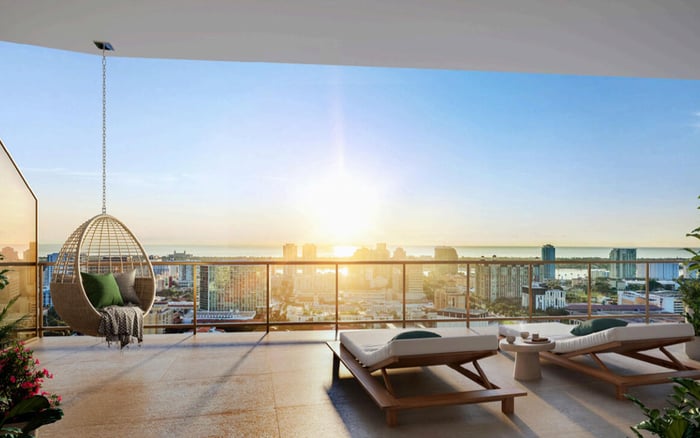
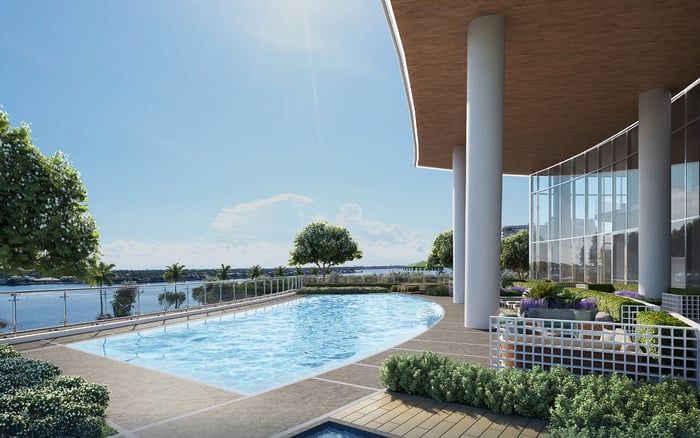
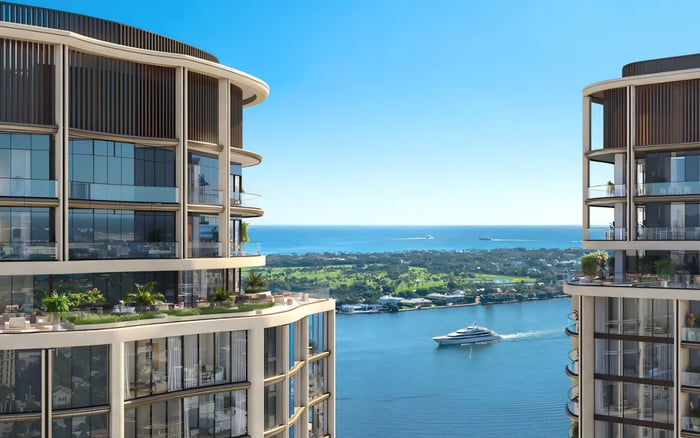
A buyer-focused look at Forté on Flagler West Palm Beach, centered on the operational questions that matter most for Flagler Drive luxury ownership: staffing, concierge execution, valet, maintenance, security, HOA budgets, storm readiness, turnover, and resale confidence.
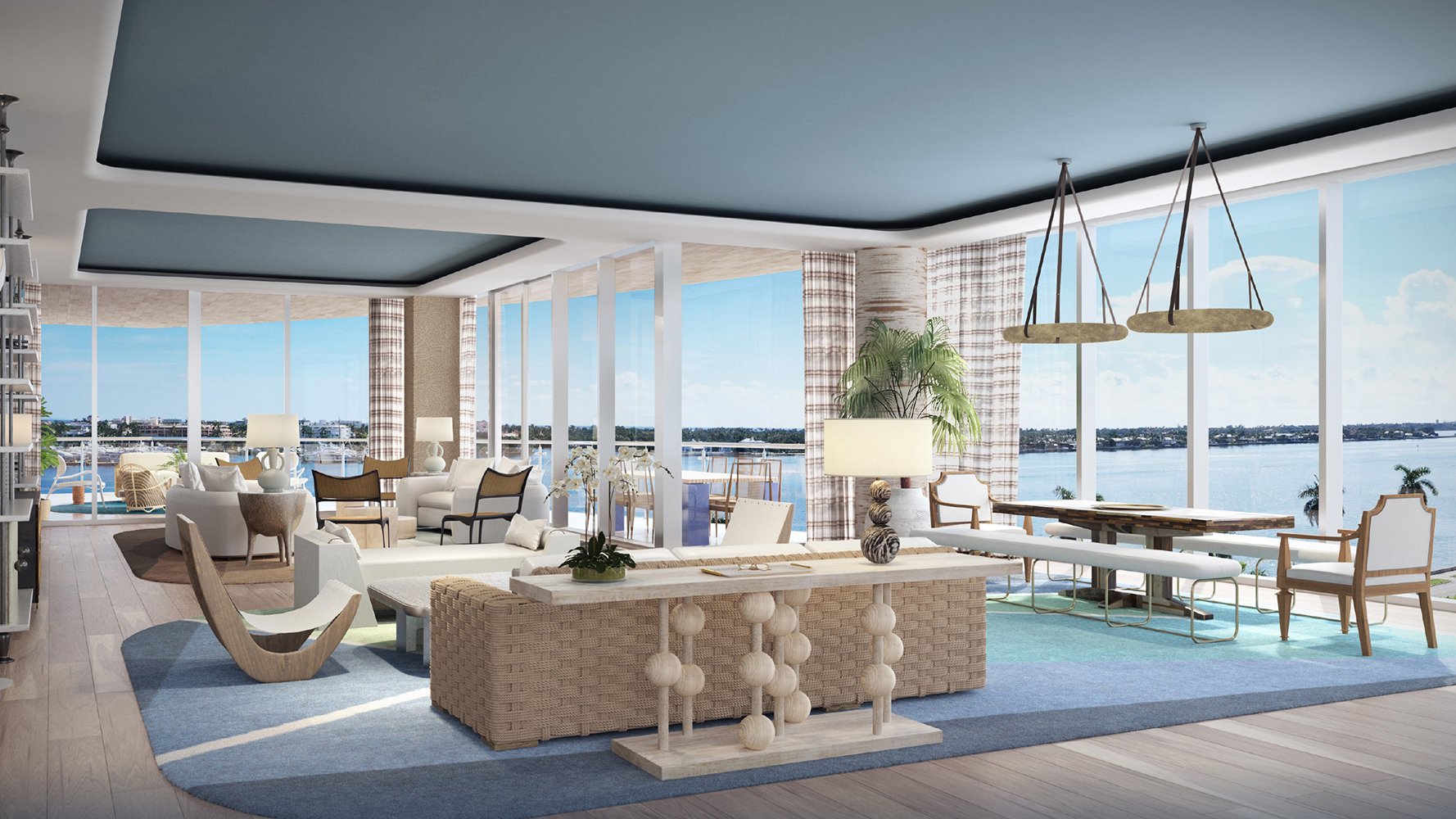
For buyers considering Forté on Flagler West Palm Beach, the first impression is naturally about setting: Flagler Drive, waterfront light, Palm Beach adjacency, and the quiet prestige of West Palm Beach’s most closely watched residential corridor. But the more sophisticated question is not simply what the building promises. It is whether the promised lifestyle is supported by true service depth.
In the upper tier of South Florida condominium ownership, service is not a decorative amenity. It is an operating system. The best buildings do more than offer polished spaces, gracious lobbies, and water-facing lounges. They coordinate arrivals, vendors, guests, packages, maintenance requests, storm protocols, and daily discretion with consistency. For Flagler Drive buyers, that difference can shape the lived experience as much as the floor plan or view corridor.
This is especially important for new-construction buyers, second-home owners, and anyone comparing waterview residences across West Palm Beach and Palm Beach. A beautiful building can impress during a tour. A deeply staffed, well-managed building is what preserves the experience after closing.
The first question buyers should ask is direct: who will manage the building after delivery, and what experience does that team have in luxury residential or hospitality operations? Brand language and architectural presentation matter, but daily execution rests with management, staff training, operating procedures, and accountability.
A buyer evaluating Forté should request written clarity on the proposed management structure, the transition plan after developer control, and the standards that will govern service. That includes how the building will handle resident requests, vendor access, emergency response, preventive maintenance, and complaints when service falls short.
This same lens should be applied when comparing nearby luxury options such as Shorecrest Flagler Drive West Palm Beach, Alba West Palm Beach, and Mr. C Residences West Palm Beach. Renderings may look comparable, but operating philosophies can differ substantially.
Luxury service is ultimately a staffing question. Buyers should ask for the expected staff-to-residence ratio and understand how that staffing is allocated among concierge, valet, maintenance, security, amenity operations, and management. A building can advertise service while still leaving a single team member to handle multiple functions during high-demand periods.
Concierge service deserves particular attention. Is it intended to be 24/7, limited-hour, or shared with front desk duties, package handling, visitor management, and resident requests? The answer affects everything from late arrivals to guest coordination and routine household logistics.
Valet should be examined with the same precision. Buyers should ask whether valet service is included, optional, separately charged, or limited by staffing and hours. In seasonal South Florida ownership, valet performance can become one of the most visible indicators of whether a building is genuinely prepared for peak occupancy.
A pool deck, fitness area, club room, or wellness space is not automatically a service amenity. The more relevant question is whether each space has dedicated staff, operating protocols, maintenance standards, reservation systems, and rules that preserve the resident experience.
Buyers should ask how peak-season demand will be handled. Seasonal occupancy can strain valet, guest parking, elevators, pool decks, fitness areas, front desk response, and package volume. A building that feels serene in a presentation may require much deeper staffing during winter months, holidays, events, and high guest-traffic periods.
The same thinking applies when comparing Forté with broader South Florida luxury peers such as The Ritz-Carlton Residences® West Palm Beach. The question is not whether one project has more amenities on paper. It is which operating model best matches the buyer’s expectations for privacy, reliability, and daily ease.
Monthly assessments are not only a cost line. They are evidence of how the building expects to fund its lifestyle. Buyers should ask whether the HOA budget fully supports the advertised service model or assumes later increases after turnover.
That question is especially important in buildings where the initial offering emphasizes elevated service. If the budget does not clearly fund adequate staffing, maintenance, insurance-related obligations, security systems, amenity operations, and reserves, buyers may inherit a mismatch between expectations and financial reality.
Equally important is the distinction between included services and à la carte charges. Buyers should request clarity on what the monthly assessment covers and what will be billed separately. Valet, housekeeping coordination, guest services, private event support, lifestyle programming, maintenance beyond common areas, and certain amenity uses can all be treated differently depending on the governing documents and final operating plan.
On a waterfront corridor, operational strength is not only about polish. It is also about resilience. Buyers should ask how maintenance requests will be submitted, tracked, prioritized, and escalated if response times are not met. The best buildings make maintenance visible to management, measurable for residents, and accountable over time.
Security should be evaluated in layers. Does the plan include staffed lobby presence, access-control technology, camera monitoring, visitor management, vendor protocols, and delivery procedures? Buyers who value discretion should understand not just whether security exists, but how it functions during normal days, weekends, peak season, and unusual events.
Storm readiness deserves a separate conversation. For a waterfront West Palm Beach address, buyers should ask about hurricane, flood, generator, elevator, and post-storm operating plans. They should also request written details on reserve planning, preventive maintenance, warranty coverage, and responsibility for major systems after developer turnover. These are not dramatic questions. They are the questions that protect comfort, continuity, and long-term value.
Developer turnover is often where aspirational service models meet association governance. Buyers should understand what responsibilities shift to the association, what warranties remain, how reserves are planned, and whether lifestyle programming will be handled internally, outsourced, or left for owners to decide after turnover.
This matters for resale as much as first ownership. Future buyers will not judge a building only by its original marketing. They will judge how it actually operates: how the lobby feels, how quickly staff respond, how well common areas are maintained, whether service is consistent, and whether assessments feel aligned with the experience delivered.
For Forté on Flagler West Palm Beach, the right buyer conversation is disciplined and elegant: underwrite the operations, not just the views. On Flagler Drive, beauty may open the door, but service depth is what determines whether a residence lives like a true luxury address.
What is the key due-diligence question for Forté on Flagler buyers? Buyers should ask whether the lifestyle being presented is supported by real staffing, systems, maintenance, security, and management standards.
Should buyers ask who will manage the building? Yes. The management team’s luxury residential or hospitality experience can be central to daily service quality after delivery.
Why does the staff-to-residence ratio matter? It helps buyers understand whether concierge, valet, maintenance, security, and amenity operations are likely to be adequately supported.
Is concierge service always 24/7 in luxury buildings? Not necessarily. Buyers should confirm whether concierge coverage is 24/7, limited-hour, or shared with other front desk functions.
What should buyers ask about valet service? They should ask whether valet is included, optional, separately charged, or limited by hours and staffing levels.
How should buyers evaluate amenities? They should determine whether amenities have dedicated staffing and protocols, rather than assuming physical spaces equal operated service.
Why is the HOA budget important? The budget should show whether the advertised service model is fully funded or may require future increases after turnover.
What storm-readiness questions are important? Buyers should ask about hurricane, flood, generator, elevator, and post-storm operating plans for the waterfront location.
Why does developer turnover matter? Turnover determines how management, reserves, warranties, maintenance responsibility, and programming move into association control.
Can service depth affect resale value? Yes. Future buyers often respond to how consistently a building operates, not only to its views, finishes, or original marketing.
For a tailored shortlist and next-step guidance, connect with MILLION.
If branded residences are on your mind — as a home or as an allocation — we would be glad to share what we are seeing, privately.
Begin a quiet conversation