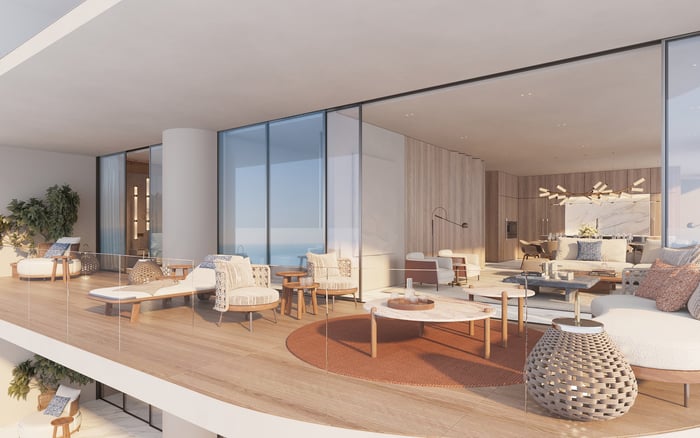
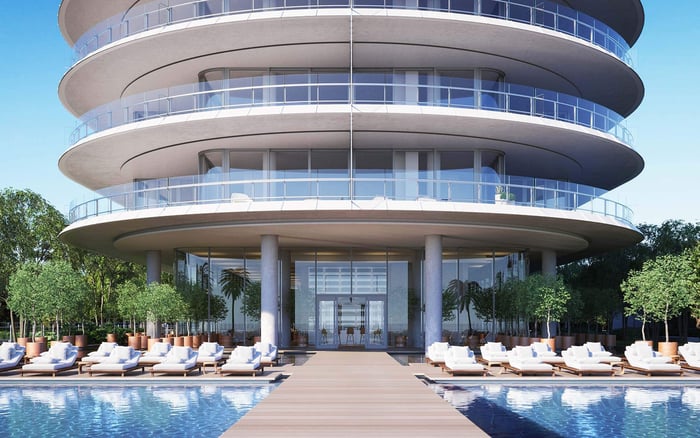
In South Florida luxury condominiums, a high HOA fee can be a warning sign or a form of asset protection. The difference lies in reserves, insurance discipline, maintenance quality, staffing, amenities, and the board’s willingness to fund the building before problems become market-facing liabilities.
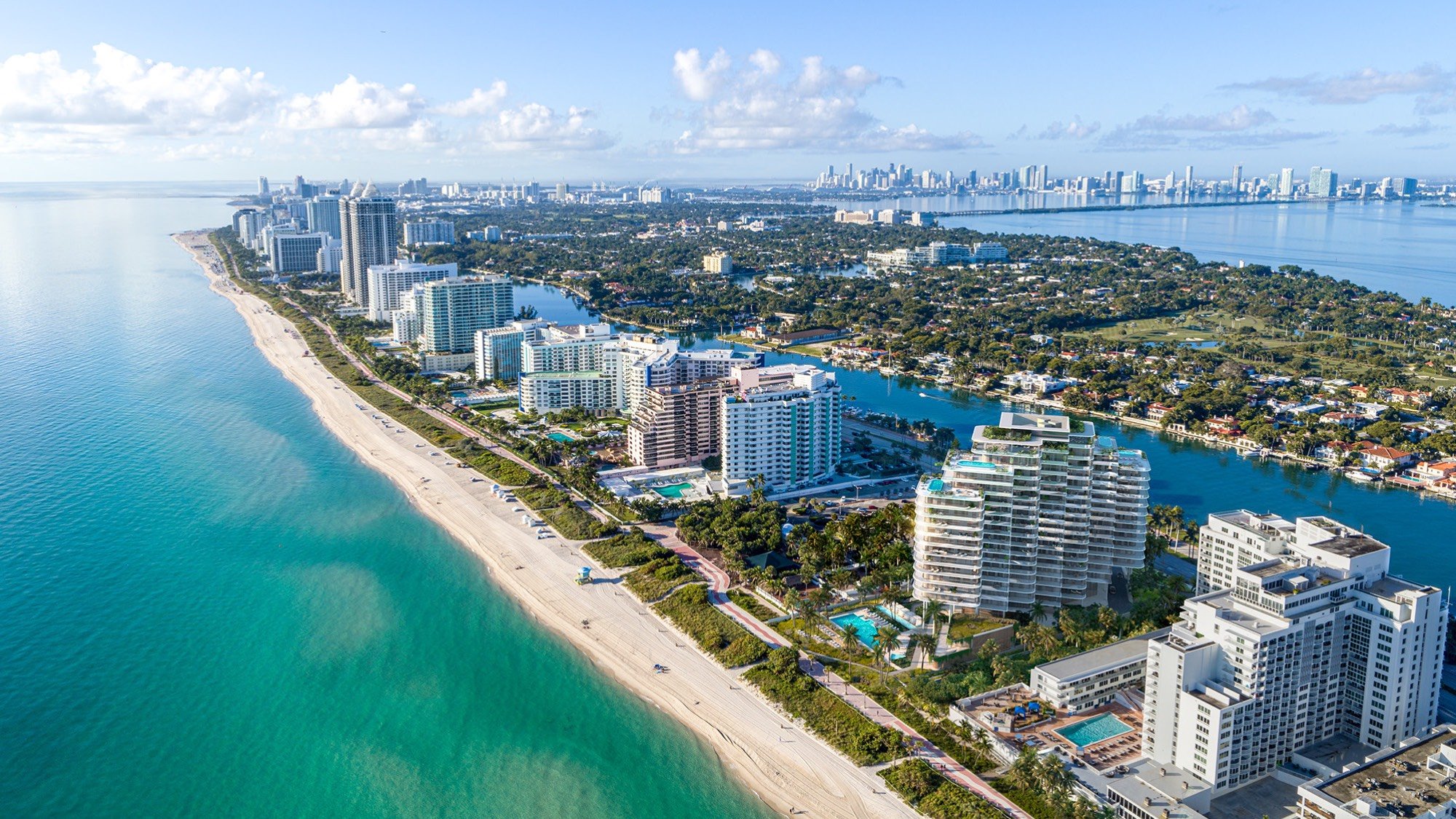
In South Florida luxury real estate, HOA fees are often misunderstood. Buyers may read the monthly number as a straightforward carrying cost, then compare buildings as though every dollar supports the same standard. In reality, the fee is only the cover page. The more revealing story is what the association is funding, how predictably it is funded, and whether the building’s condition supports the lifestyle and resale position promised by its architecture.
A high HOA fee can be a red flag when it is reactive, opaque, or disconnected from service quality. It can also be a quiet advantage when it reflects disciplined reserves, serious insurance planning, strong staffing, preventive maintenance, and the unglamorous work of keeping a coastal building resilient. For a buyer considering Brickell, Surfside, Miami Beach, Sunny Isles, Coconut Grove, or Fort Lauderdale, the question should not be “Why is the fee high?” The better question is “What risk does this fee remove?”
In a luxury condominium, the monthly assessment funds more than the pool, lobby flowers, and front desk. It supports the building envelope, mechanical systems, elevators, security, staffing, landscaping, amenity operations, professional management, insurance, and reserves for future repair or replacement. The most valuable line items are often the least visible during a showing.
That is especially true in coastal South Florida, where salt air, sun exposure, wind, water intrusion, and year-round amenity use place real demands on a building. A pristine arrival sequence may feel effortless, but it is rarely inexpensive. Elevators must operate smoothly. Glass, railings, pool decks, garages, façades, and cooling systems need attention before deterioration becomes obvious. The strongest buildings treat maintenance as capital preservation, not housekeeping.
This is where high fees can protect value. A buyer at The Residences at 1428 Brickell, for example, is likely to think not only about view lines and finishes, but also about the operating culture that will sustain the building over time. In the ultra-premium segment, the monthly fee should be read as part of the ownership architecture.
Low HOA fees can feel attractive at contract signing. They can also signal deferred obligations. If an association keeps assessments artificially lean, the building may eventually need to catch up through abrupt increases, special assessments, reduced service levels, or delayed repairs. For luxury owners, those outcomes can be more damaging than a higher, well-planned monthly fee.
Deferred maintenance is not merely an engineering issue. It becomes a market perception issue. Buyers notice tired corridors, inconsistent staffing, aging amenity areas, garage concerns, long elevator waits, and a general sense that the building is spending defensively rather than confidently. Once that narrative forms, it can influence resale conversations even when individual residences are beautifully renovated.
A disciplined fee structure, by contrast, can make a building easier to understand. It tells a buyer that the association is trying to price ownership honestly. It may not make the monthly number feel light, but it can make the risk profile feel cleaner.
South Florida buyers should pay close attention to three areas: insurance, reserves, and storm preparedness. These are not decorative budget categories. They are core components of ownership in a region where waterfront and high-rise living require ongoing protection.
Insurance costs can influence assessments, particularly for buildings with meaningful exposure, complex systems, or extensive common areas. Reserves help an association plan for future work without placing the full burden on owners when a project becomes urgent. Hurricane readiness can include planning, materials, staffing protocols, emergency systems, and post-storm recovery procedures.
The most desirable luxury buildings tend to make these subjects feel ordinary, not dramatic. A buyer at The Perigon Miami Beach may be drawn first by design and setting, but long-term confidence also comes from knowing that the building is being funded with the seriousness its location requires.
High fees protect value only when the owner experience supports them. A building cannot charge like a private club and operate like a conventional condominium. Staffing, hospitality, cleanliness, amenity upkeep, security, valet performance, package handling, maintenance response, and management communication all become part of the value equation.
In the best buildings, service feels consistent rather than theatrical. The lobby is calm. Staff turnover is controlled. Rules are enforced without friction. Amenity spaces are cared for before owners have to complain. Repairs are addressed before they become visible. That steadiness matters because luxury buyers are often purchasing ease as much as square footage.
This is particularly important in branded or service-forward residences such as St. Regis® Residences Sunny Isles, where expectations around arrival, privacy, and daily rhythm are central to the ownership proposition. A higher fee may be acceptable when it translates into a reliably elevated way of living.
Buyers sometimes expect a smaller building to mean lower fees. Often, the opposite is true. A boutique property may have fewer owners sharing the cost of staffing, insurance, amenities, management, and maintenance. The result can be a higher monthly assessment per residence, even when the building is elegantly efficient.
That does not make the fee irrational. It means the buyer is paying for privacy, scarcity, lower density, and a more intimate residential experience. The value question becomes whether the service model, reserve planning, and physical condition support the premium. At The Delmore Surfside, the appeal of a refined coastal setting would naturally be weighed alongside the ongoing cost of maintaining that level of discretion.
For the right owner, fewer neighbors and a quieter building can be worth more than a lower fee in a larger tower. The key is understanding what is being shared, and among how many homes.
A sophisticated buyer should review the HOA fee as part of a broader due diligence conversation. The monthly assessment should be compared against building age, amenity scope, staff model, insurance posture, reserve funding, recent capital work, pending projects, and the history of special assessments. The goal is not to find the lowest fee. The goal is to find the cleanest relationship between cost, risk, and lifestyle.
Ask whether the building feels maintained at the level implied by the fee. Ask whether the budget is easy to explain. Ask whether reserves appear to match the property’s scale and complexity. Ask whether recent increases were planned, or whether they were sudden responses to pressure. A high fee with a clear narrative is often easier to accept than a low fee with unanswered questions.
In established enclaves, this is part of the discipline of ownership. At Four Seasons Residences Coconut Grove, as in other premium communities, the enduring value proposition depends on more than interior design. It depends on how carefully the building is operated after the closing.
A high HOA fee can protect value when it does five things well: funds reserves, supports insurance needs, maintains the physical plant, delivers consistent service, and reduces the likelihood of disruptive future assessments. It is less persuasive when it merely reflects inefficiency, overstaffing without service, underused amenities, or past underfunding.
The best buyers are not fee-averse. They are ambiguity-averse. They understand that a luxury building is a living asset, and that ownership quality depends on governance as much as design. In South Florida, where architecture, climate, and lifestyle intersect so visibly, the monthly assessment is not just an expense. In the right building, it is a form of protection.
Are high HOA fees always bad for buyers? No. A high fee can be beneficial when it funds reserves, insurance, maintenance, staffing, and long-term building stability.
What should I ask before accepting a high HOA fee? Ask what the fee covers, how reserves are funded, whether capital projects are pending, and whether service quality matches the cost.
Can low HOA fees be risky? Yes. Low fees may be attractive, but they can also indicate deferred maintenance or a higher chance of future special assessments.
Do luxury amenities always justify higher fees? Not by themselves. Amenities matter only if they are well used, well maintained, and supported by a thoughtful operating plan.
Why do coastal buildings often require more funding? Coastal properties face demanding conditions, including salt air, sun exposure, wind, and intensive use of exterior systems and amenities.
How do reserves affect resale confidence? Strong reserves can make buyers more comfortable because they suggest the association is planning for future repairs and replacements.
Should I compare HOA fees by square foot? That can be useful, but it is incomplete. Compare the building’s services, staff model, condition, insurance needs, and amenity scope as well.
Are boutique buildings usually cheaper to maintain? Not always. Fewer residences may mean fewer owners sharing fixed costs, which can increase the monthly fee per home.
Can a high HOA fee improve daily living? Yes, if it supports reliable staffing, responsive maintenance, security, clean amenities, and a calm owner experience.
What is the best sign that a high fee protects value? The best sign is a clear connection between the fee, the building’s condition, reserve planning, service quality, and reduced future uncertainty.
For a confidential assessment and a building-by-building shortlist, connect with MILLION.
If branded residences are on your mind — as a home or as an allocation — we would be glad to share what we are seeing, privately.
Begin a quiet conversation