A discreet buyer’s guide to evaluating House of Wellness Brickell through documents, operating costs, amenity rights, construction quality, and long-term resale discipline.
House of Wellness Brickell enters a market where lifestyle language can be as carefully designed as the lobby. For a South Florida buyer, that is not a reason for skepticism. It is a reason for precision. Wellness can be a meaningful residential advantage when it is supported by architecture, operations, programming, privacy, and governance. Without those elements, it risks becoming atmosphere rather than value.
The right approach is to separate the narrative from the obligations. A buyer considering House of Wellness Brickell should verify what is actually being delivered, who controls it, what it costs to operate, and how it will age after the first wave of marketing. In Brickell, where convenience, density, and design all command premiums, the most valuable residences tend to reward disciplined diligence more than emotional momentum.
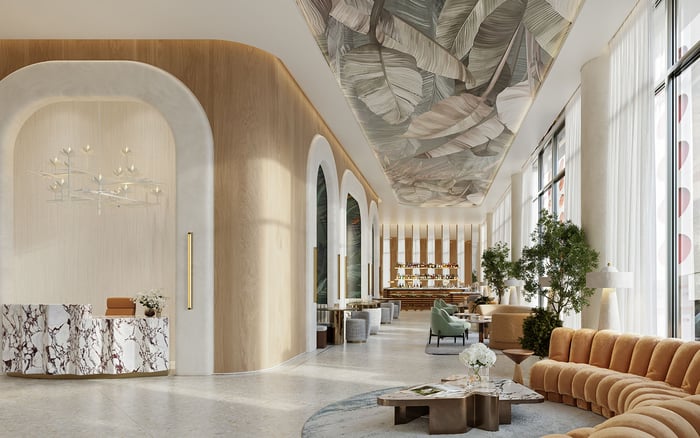
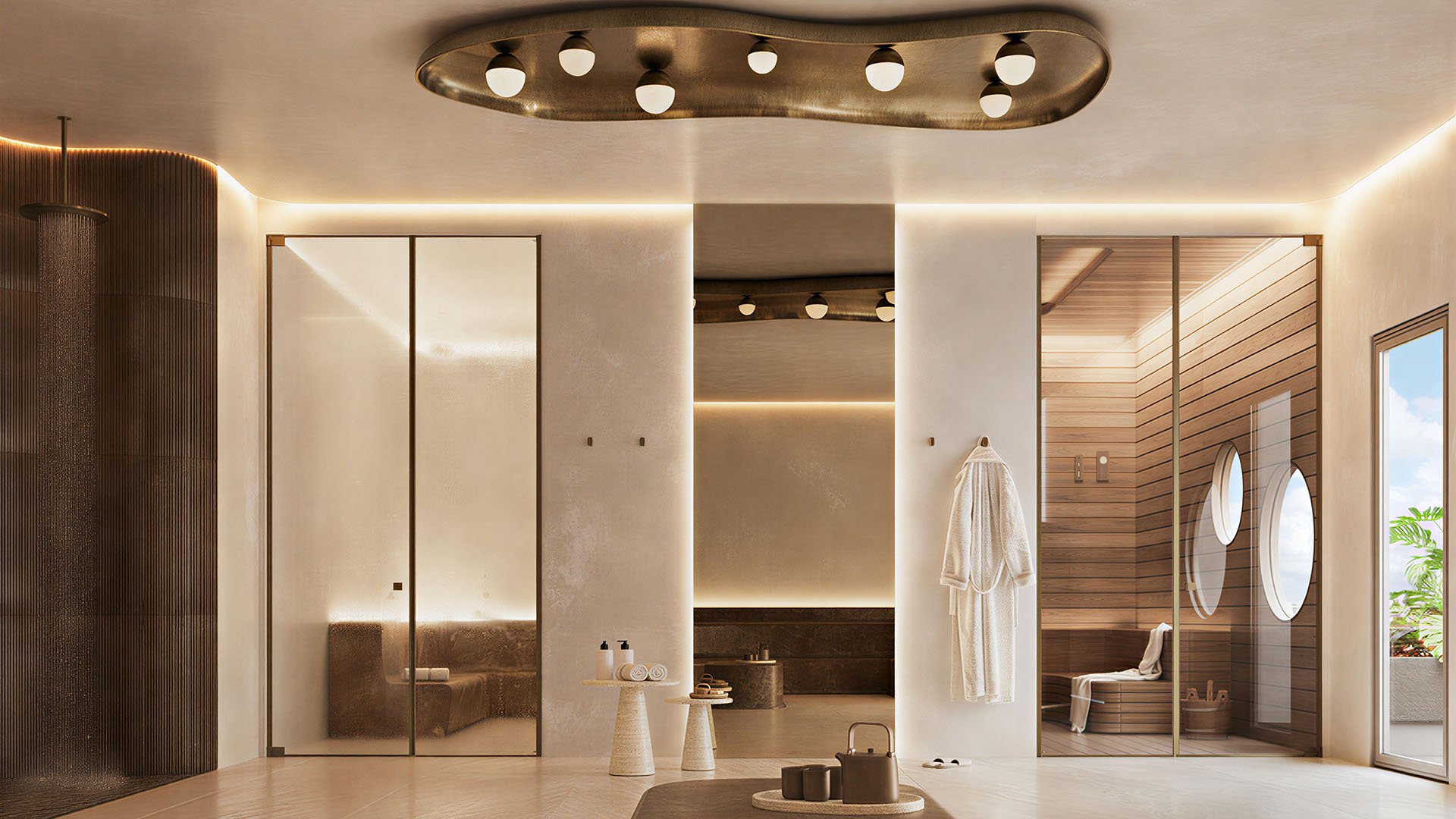
Start with the documents, not the renderings. Wellness-related spaces should be understood as specific common elements, limited common elements, commercial components, or services subject to separate agreements. The distinction matters. If a spa, fitness studio, treatment room, meditation space, recovery suite, or pool is presented as part of the lifestyle, the buyer should know whether access is included, prioritized, reservable, metered, outsourced, or potentially modified by the association or operator.
The same logic applies to programming. Classes, therapies, consultations, food and beverage concepts, and concierge wellness services may be compelling, but they should be reviewed as operational commitments rather than permanent promises. A residence can be beautifully positioned, yet the buyer still needs clarity on service hours, staffing, membership rules, guest access, fees, cancellation policies, and the association’s ability to change offerings over time.
This is especially relevant when comparing Brickell projects with different amenity identities. A buyer looking at The Residences at 1428 Brickell or ORA by Casa Tua Brickell may find very different lifestyle priorities, even within the same urban corridor. The question is not which story is more seductive. The question is which structure best supports the way the owner will actually live.
Wellness amenities are not static design features. They are operating ecosystems. They require staffing, maintenance, cleaning protocols, insurance, replacement reserves, equipment updates, service contracts, and often a higher level of management coordination than simpler amenity packages. In luxury condominiums, the monthly assessment is not merely a cost line. It is the mechanism that determines whether the experience remains elegant after the building opens.
Buyers should review projected budgets with particular attention to wellness-related expenses. Are specialized spaces supported by realistic maintenance assumptions? Are high-use areas budgeted for ongoing refurbishment? Are mechanical systems, water features, locker rooms, treatment areas, and fitness equipment backed by adequate reserve planning? A low early estimate can feel attractive at contract stage, but underfunded operations can become an investment risk later.
The best luxury buildings are not simply those with the longest amenity menus. They are the ones where costs, staffing, and governance are aligned. A discreet buyer should ask whether the building’s wellness identity is financially durable, not just visually persuasive.
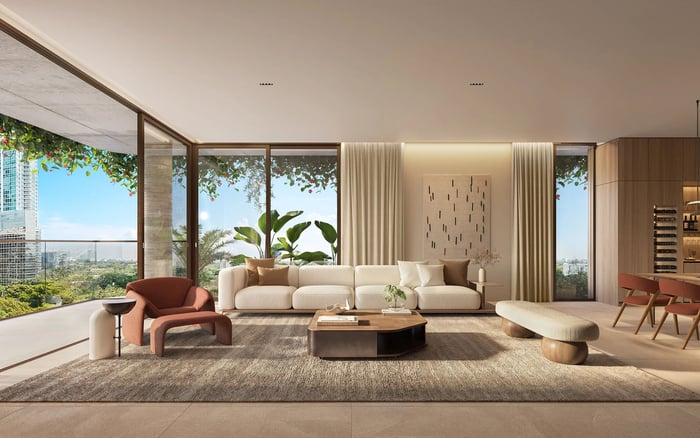
The most important wellness amenity is often the private residence. Floor plan efficiency, natural light, air movement, acoustic control, elevator proximity, corridor exposure, storage, parking logistics, and service access will shape daily life more consistently than any branded amenity suite.
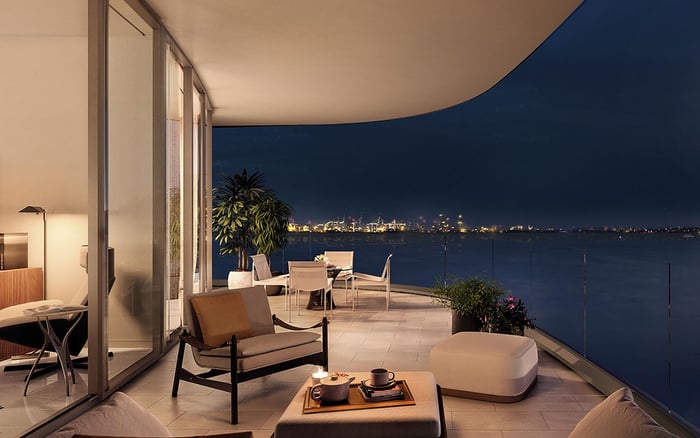
In Brickell, buyers should be especially attentive to sound and privacy. Urban energy is part of the appeal, but serenity must be engineered. Window systems, balcony exposure, mechanical noise, neighboring towers, delivery routes, loading areas, and nighttime activity patterns can influence the experience of calm. A balcony may be valuable, but only if its orientation, depth, privacy, and usability support real daily enjoyment. Terrace depth and sightline control deserve the same scrutiny, particularly for buyers who expect outdoor space to function as a true extension of the home.
Do not let a wellness narrative distract from basic luxury fundamentals. Ceiling heights, storage, primary suite proportions, kitchen functionality, bathroom ventilation, and finish durability remain central to long-term satisfaction. Wellness should enhance the residence, not compensate for compromises inside it.
Brickell is one of South Florida’s most dynamic residential environments. That dynamism can be a powerful benefit for buyers who want walkability, dining, offices, transit access, and a dense social fabric. It can also create friction for buyers seeking retreat. The right match depends on lifestyle rhythm.
A wellness-oriented buyer should visit the neighborhood at different times of day, including weekday mornings, evening peaks, and weekend nights. The objective is simple: confirm that the surrounding environment supports the intended lifestyle. Arrival sequence, valet flow, ride-share access, pedestrian comfort, nearby construction activity, traffic patterns, and the transition from street to residence all matter.
It can also be useful to compare the Brickell proposition with wellness-adjacent alternatives outside the urban core. The Well Bay Harbor Islands and The Well Coconut Grove place wellness language in different neighborhood contexts, which can help buyers clarify whether they are prioritizing metropolitan immediacy, village calm, bayfront atmosphere, or daily walkability.
Luxury buyers often focus on acquisition. The more sophisticated move is to evaluate ownership. Governance determines how the building will respond to wear, resident preferences, vendor changes, budget pressure, and evolving amenity use. Buyers should understand voting rights, board control transition, leasing rules, pet rules, guest policies, alteration procedures, insurance structure, and any commercial relationships tied to wellness operations.
Flexibility is central. Can wellness spaces evolve if resident demand changes? Can underused rooms be repurposed? Are service agreements long-term, exclusive, or adjustable? Are there restrictions that could affect future resale or leasing? A building that can adapt gracefully may preserve relevance better than one locked into a narrow lifestyle script.
Exit value also deserves sober attention. Wellness branding may attract a specific buyer pool, but resale strength still depends on location, condition, views, floor plan, carrying costs, association health, and perceived quality. The strongest purchase thesis is not that wellness is fashionable. It is that the building’s wellness positioning is supported by durable real estate fundamentals.
A prudent buyer should request and review the condominium documents, proposed budget, reservation or purchase agreement, association rules, amenity access provisions, service agreements if available, estimated assessments, insurance framework, parking allocation, storage rights, construction specifications, finish schedules, and any disclosures governing changes to amenities or programming.
Legal and financial advisors should examine cancellation rights, deposit structure, construction timing language, developer modification rights, and the practical consequences of any material changes. The buyer’s representative should also push for clarity on what is included in the purchase price and what may become an additional expense.
Wellness living can be deeply valuable in South Florida, where climate, light, water, and indoor-outdoor rituals are part of the luxury equation. But the best purchases are made when the poetry has been translated into paperwork. For House of Wellness Brickell, that means treating the concept as a starting point and the documents as the deciding instrument.
Is a wellness-branded condominium automatically a better investment? No. The investment case depends on location, pricing, documents, operating costs, governance, and resale fundamentals.
What should buyers verify first at House of Wellness Brickell? Start with the condominium documents, proposed budget, amenity access rules, and any language allowing changes to services or spaces.
Are wellness amenities usually included in monthly assessments? Some may be included, while others may involve reservations, fees, memberships, or third-party services. The documents should make this clear.
Why does Brickell require extra diligence? Brickell offers urban convenience, but buyers should test noise, traffic, arrival flow, construction surroundings, and privacy at different times.
How important is the pool in a wellness-focused building? The pool should be evaluated for access, staffing, maintenance assumptions, capacity, sun exposure, and long-term upkeep.
Should balcony design influence a purchase decision? Yes. A balcony is only valuable if it has usable depth, privacy, orientation, and comfort for the owner’s daily routine.
Does terrace space always add meaningful value? Not always. Terrace value depends on layout, exposure, maintenance responsibility, privacy, and how well it connects to the interior.
How should buyers compare wellness projects in different neighborhoods? Compare the daily lifestyle first, including walkability, quiet, access, service culture, and how the neighborhood supports recovery or activity.
Can wellness programming change after purchase? It may change if the governing documents or service agreements allow flexibility. Buyers should review who controls programming decisions.
What is the most important takeaway for luxury buyers? Treat wellness as a performance standard, not a slogan, and verify every major promise in writing.
When you're ready to tour or underwrite the options, connect with MILLION.
If branded residences are on your mind — as a home or as an allocation — we would be glad to share what we are seeing, privately.
Begin a quiet conversation