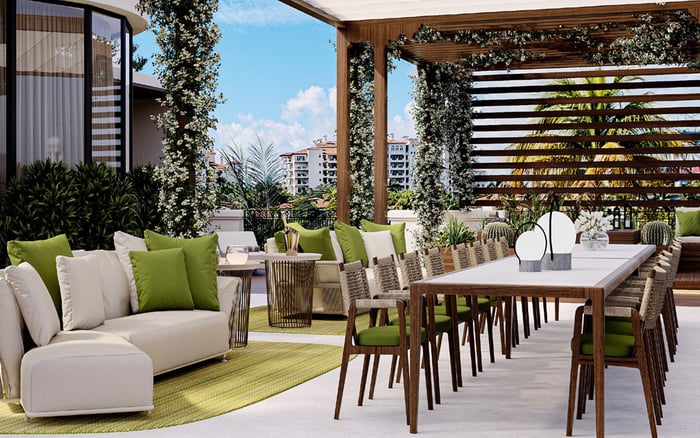
In luxury South Florida real estate, quiet interiors and true privacy are related but not identical. Buyers should evaluate acoustics, sightlines, access control, service circulation, staff protocols, and data practices before assuming a serene residence is genuinely discreet.
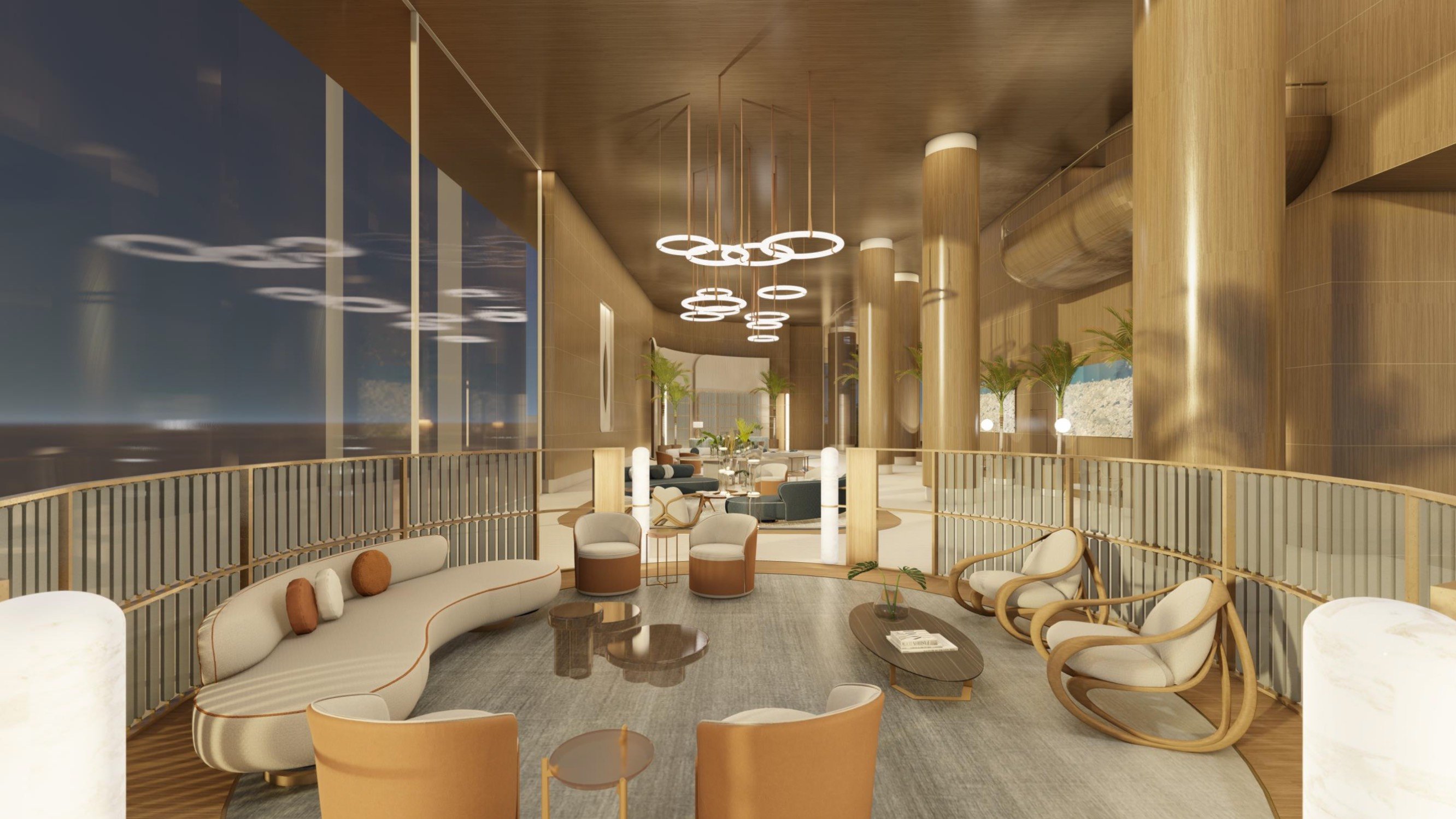
In South Florida luxury real estate, silence has become a seductive selling point. A residence that shuts out traffic, marina activity, construction rhythm, elevator hum, and neighboring voices can feel immediately superior during a tour. Yet the quietest building is not always the most private one. Privacy is not a single sensation; it is a layered condition.
Quiet is primarily acoustic. It concerns how sound moves through walls, floors, ceilings, doors, windows, mechanical systems, and the small gaps where construction assemblies meet. Privacy is broader. It includes who can see you, who can reach your floor, who notices your arrivals, how service providers move through the property, how staff are trained, and how resident information is handled.
This distinction is especially important in high-profile markets such as Brickell, Miami Beach, Sunny Isles, Surfside, Bay Harbor Islands, Fort Lauderdale, Boca Raton, and Palm Beach. A buyer may tour a serene glass-wrapped home at noon and experience near-total calm, only to discover later that the valet court reveals every arrival, the amenity deck overlooks the terrace, or the elevator bank makes resident movement unusually visible.
A genuinely quiet residence depends on tested assemblies, not branding alone. Walls, slabs, ceiling systems, windows, doors, seals, and penetrations all matter. A premium tower may have an impressive lobby and a respected design team, but acoustic comfort still comes down to how sound is controlled between spaces and through the building envelope.
In South Florida, impact-resistant glazing and sealed envelopes can help reduce exterior noise, particularly near waterfront roads, active marinas, entertainment districts, and dense urban corridors. But hurricane performance, wind resistance, and envelope compliance are not the same as full privacy. A window system may help quiet an interior while still placing a living room or primary suite directly in the sightline of another tower.
Mechanical sound is another overlooked category. Elevator machinery, HVAC systems, pumps, plumbing lines, and other equipment can affect perceived quietness even when neighbor-to-neighbor sound transmission is well managed. Sound may also travel through flanking paths, including ducts, slab edges, façade joints, doors, and service penetrations. As a result, a residence can meet a refined acoustic standard and still produce specific moments of disturbance.
For buyers comparing urban residences such as The Residences at 1428 Brickell, the relevant question is not simply whether the home feels calm during a presentation. It is whether the construction details, window specifications, door systems, and mechanical placement support that calm throughout ordinary life.
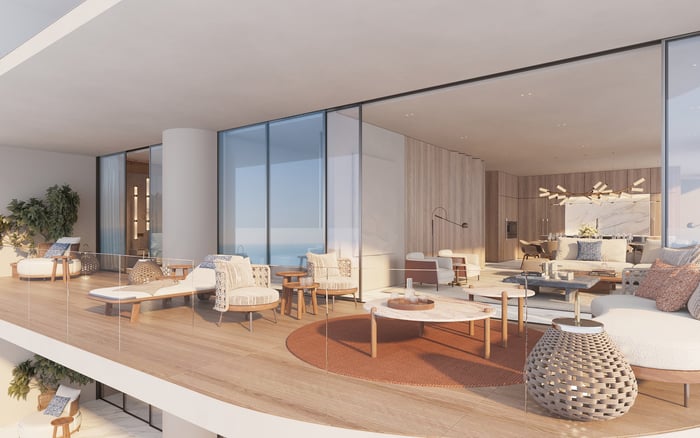
Floor-to-ceiling glass is one of South Florida’s defining luxuries. It captures water, skyline, sunrise, sunset, and the shifting color of the coast. It can also create exposure. In dense waterfront and high-rise settings, visual privacy may be compromised by neighboring towers, amenity decks, hotel terraces, public promenades, marinas, bridges, or beach paths.
A quiet living room can still be visually open to another building. A serene bedroom can still face a pool deck. A deep balcony can still become part of the public theater of a waterfront neighborhood. Buyers should evaluate sightlines at different times of day, with lights on and off, from inside the residence and from expected public or semi-public vantage points.
Projects in coastal settings, including The Perigon Miami Beach and The Delmore Surfside, illustrate the broader buyer consideration rather than a single claim about any one building: beachfront and waterfront residences must balance glass, views, outdoor living, and discretion. The strongest purchase decision comes from studying the actual exposure of a specific residence, not from assuming that a quiet interior automatically means a secluded one.
Access privacy is designed through sequencing. The path from street to residence reveals how discreet a building will feel in daily use. Consider the arrival court, valet position, lobby openness, front desk visibility, elevator control, guest registration, service elevator placement, package handling, delivery routes, and staff circulation.
Private elevator lobbies, controlled elevator access, and separated service circulation can improve practical privacy even when they do not change a unit’s acoustic rating. Conversely, a residence can be exceptionally quiet once the door closes while still requiring the owner to pass through highly visible shared spaces every day.
This is where operations become architecture in motion. A building’s privacy depends partly on association rules, management practices, staff training, staff turnover, visitor protocols, and the consistency with which policies are enforced. A discreet plan can be undermined by casual guest handling. A glamorous lobby can become less private if it functions like a public stage.
In a market where buyers compare branded towers, boutique waterfront projects, and resort-style residences such as St. Regis® Residences Sunny Isles, the crucial question is not only how elegant the arrival feels. It is who sees the arrival, who records it, who can follow it, and how the building separates residents from guests, vendors, deliveries, and amenity traffic.
Amenity-rich living is one of the pleasures of South Florida condominium ownership. Pools, wellness suites, lounges, dining rooms, spas, fitness areas, children’s rooms, co-working spaces, guest suites, and beach or marina services can make a building feel like a private club. They can also increase daily encounters.
Shared amenities naturally bring residents into contact with neighbors, staff, trainers, guests, contractors, delivery personnel, and service providers. Common areas are often intentionally accessible and usable, which is appropriate from a building standards perspective, but it may conflict with a buyer’s expectation of seclusion. Privacy is not only what happens inside the unit. It is also how often one must be seen outside it.
Low-density is not the only privacy variable. A smaller building with a single visible entrance may reveal more about resident routines than a larger building with better-separated circulation. A large tower with disciplined access control may feel more private than a boutique property with exposed valet, shared elevators, and open amenity sightlines.
Modern residential buildings increasingly handle sensitive information. Guest logs, parking activity, package records, access credentials, maintenance communications, camera systems, smart-building applications, and resident messaging can all create privacy exposure. A building can be physically quiet and visually discreet while still collecting or revealing information in ways that matter to a high-profile buyer.
Privacy should therefore be treated as a risk-management discipline, not merely as a design mood. Buyers should ask who can access resident information, how visitor records are handled, how packages are tracked, how credentials are issued or revoked, and whether policies are documented. Staff discretion remains essential, but discretion is strongest when supported by systems and rules.
A sophisticated buyer should request acoustic documentation where available, including information about windows, doors, wall assemblies, floor and ceiling conditions, and any relevant testing. Code compliance and permitting can confirm that a project meets applicable requirements, but they do not prove premium privacy. Building standards address important construction and life-safety concerns; they do not answer every question about sightlines, resident anonymity, staff behavior, or data exposure.
The in-person visit should be practical. Arrive at different times. Observe the valet. Watch how guests are received. Study elevator access. Stand on the balcony and test views to and from neighboring buildings. Ask how deliveries move. Ask whether service providers share resident elevators. Review association rules and management protocols. Listen not only for noise, but also for patterns of exposure.
The quietest residence may still be the right one. It may also be less private than a slightly less silent home with better arrival control, more protected outdoor space, fewer visible routines, and stronger operational discipline. In South Florida’s most desirable buildings, the true luxury is not silence alone. It is the ability to live beautifully without being constantly noticed.
Is a quiet condo automatically private? No. Quiet usually refers to acoustic performance, while privacy also includes sightlines, access control, staff discretion, and information handling.
Does Florida code compliance prove premium privacy? No. Code compliance is a baseline for applicable construction and safety standards, not a complete measure of luxury-level privacy.
Can floor-to-ceiling glass be both quiet and private? It can support acoustic comfort with strong envelope systems, but visual privacy still depends on orientation, neighboring buildings, and terrace exposure.
What is the most overlooked privacy risk in luxury condos? Arrival visibility is often underestimated. Valet courts, open lobbies, and shared elevator banks can reveal resident routines.
Do private elevators guarantee privacy? They can improve access privacy, especially with controlled permissions, but they do not solve sightlines, staff protocols, or data exposure by themselves.
Why do amenities reduce privacy? Shared amenities increase repeated contact with residents, guests, staff, trainers, vendors, and delivery personnel outside the residence.
What documents should buyers request? Buyers should ask for acoustic data, window specifications, elevator-access rules, visitor-management policies, and service-route plans.
Can a boutique building be less private than a large tower? Yes. If circulation, valet, lobby, and service routes are exposed, a small building may reveal more daily movement than a larger property.
How should buyers test visual privacy? Visit at different times, turn interior lights on, stand on balconies, and evaluate views from neighboring public or semi-public areas.
Is informational privacy relevant in residential buildings? Yes. Guest logs, access credentials, package records, parking behavior, and resident communications can all create privacy exposure.
For a discreet conversation and a curated building-by-building shortlist, connect with MILLION.
If branded residences are on your mind — as a home or as an allocation — we would be glad to share what we are seeing, privately.
Begin a quiet conversation