A buyer-focused guide to evaluating wind exposure in South Florida corner residences, with practical considerations for terraces, glazing, orientation, comfort, and long-term ownership.
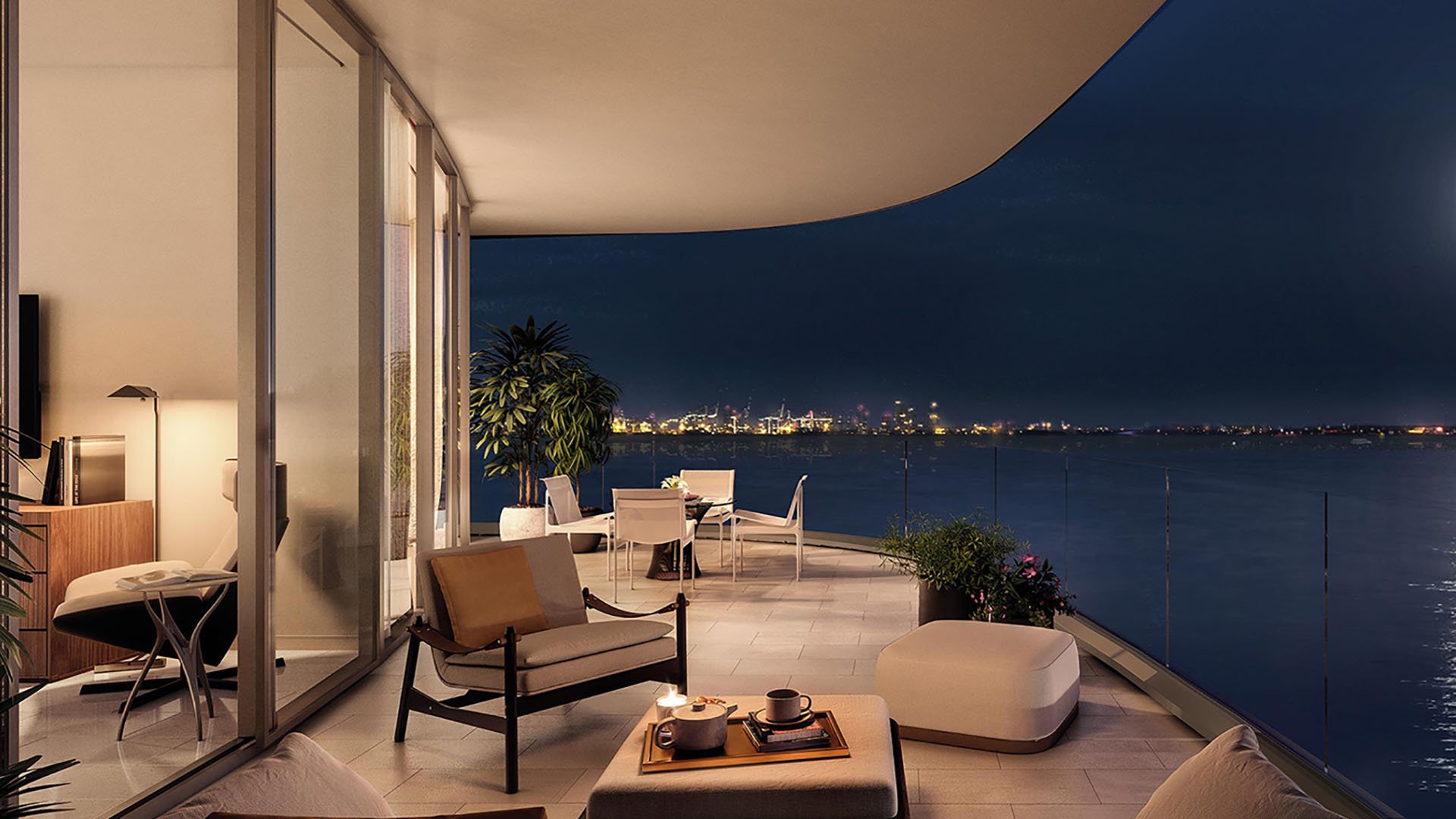
Corner residences have a particular allure in South Florida. They often feel more cinematic, with broader sightlines, longer runs of glass, and the sensation of living at the edge of the view rather than simply facing it. Yet that same geometry can make a home more exposed to wind, especially when height, open water, and multiple exterior elevations converge.
For a luxury buyer, wind is not merely a technical consideration. It influences how often a balcony is used, how comfortable a terrace feels at different times of day, how doors operate, how outdoor furniture is selected, and whether a spectacular corner becomes an everyday pleasure or an occasional showpiece. A residence can be beautifully designed and still require a sharper reading of exposure before purchase.
The goal is not to avoid wind altogether. In coastal and bayfront living, air movement is part of the appeal. The more refined question is whether the wind profile suits the way you expect to live.
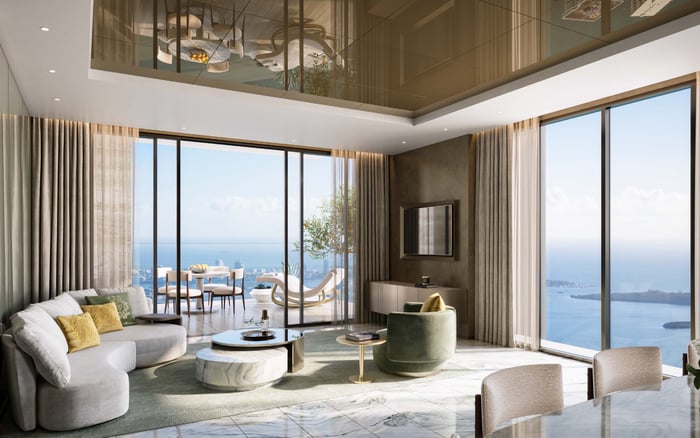
A corner home typically offers more glass and more than one orientation. This can create dramatic light shifts, cross-views, and a stronger connection to the city, ocean, bay, or Intracoastal. In markets such as Brickell, a buyer considering St. Regis® Residences Brickell may be drawn to the combination of skyline presence and water outlook. That same buyer should also ask how the exposure changes from calm mornings to breezier afternoons.
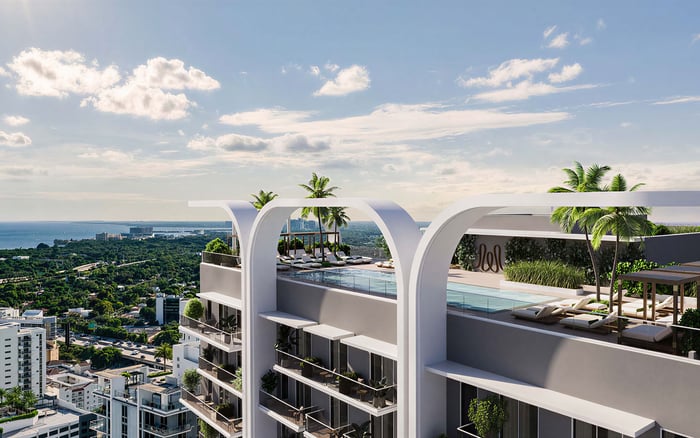
Corners can catch wind differently than interior-line residences. A façade that feels sheltered on one side may become more active where two elevations meet. Wraparound terraces, projecting balconies, and high glass corners can all intensify the sensation of openness. This is not inherently negative, but it should be built into the buyer’s expectations for comfort.
A prudent buyer should tour at more than one time when possible, stand near exterior doors, listen for wind movement, and ask direct questions about how the residence performs in everyday conditions. The most desirable line is not always the one with the most exposure. It is the one whose exposure feels controlled.
Floor plans can make all corners look equally elegant. In practice, orientation changes everything. A corner facing open water may feel different from one angled toward an urban canyon. A residence shielded by neighboring buildings may read as calmer than a similarly elevated home with uninterrupted exposure.
Oceanfront buyers should pay particular attention to the relationship between the building, the coastline, and the terrace configuration. In a Miami Beach setting such as 57 Ocean Miami Beach, for example, a buyer evaluating a corner residence would want to focus less on the abstract romance of the view and more on the lived rhythm of that exposure: morning light, afternoon breezes, salt air, terrace usability, and the ease of moving between interior and exterior spaces.
Orientation also affects furniture planning. A sculptural outdoor dining table may photograph beautifully, but if a terrace is frequently breezy, weight, material, placement, and storage become practical considerations. Wind can make the difference between an outdoor room and an outdoor vignette.
High-floor residences can bring extraordinary privacy and a sense of suspension above the city or water. They can also change the way wind is felt. The experience of opening a sliding door, stepping onto a terrace, or using a corner balcony may be meaningfully different on an upper level than on a lower one.
Buyers should ask for clarity on window and door systems, terrace railings, drainage, and maintenance expectations. The inquiry should be calm and specific: How does the exterior door hardware operate? Are there any restrictions on terrace furnishings? How are exterior glass and railings maintained? What should an owner expect during seasonal weather?
The best luxury buildings anticipate these questions. The best buyers ask them early, before the emotional pull of the view becomes the entire conversation.
Wind exposure is experienced through materials. Glass quality, frame design, door seals, terrace thresholds, and façade detailing all shape how calm a home feels. Two residences with similar views can produce very different impressions once the doors are closed.
During a showing, the buyer should pause. Listen near the corners. Stand by the sliding doors. Notice whether the space feels tranquil or active. A refined residence should not merely look serene; it should feel composed. Sound, vibration, and air movement are part of that composition.
This is especially relevant for buyers comparing branded or design-forward residences, where the visual language may be exceptionally polished. A buyer considering Bentley Residences Sunny Isles should admire the architectural ambition, then evaluate how the specific residence, orientation, floor height, and terrace geometry work together in daily life. Sunny Isles buyers often value open views, but the most satisfying purchase balances drama with ease.
South Florida buyers often imagine breakfast outdoors, sunset cocktails, and open doors connecting the living room to the water. Those moments are real, but their frequency depends on exposure. A deep terrace may feel more usable than a shallow one. A protected corner may function better than a more dramatic but windier wraparound edge.
Balcony comfort should be tested as a lifestyle feature, not an afterthought. Can you comfortably read outside? Would dinner service feel practical? Does the terrace invite planters, seating, and artful shading, or does it suggest a more minimal arrangement? The answer affects the residence’s emotional value.
At The Ritz-Carlton Residences® Pompano Beach, a buyer drawn to coastal living would naturally consider the relationship between indoor refinement and outdoor exposure. The right question is not whether wind exists. It is whether the private outdoor spaces support the buyer’s preferred rituals.
Flow-through residences can be highly appealing in South Florida because they create a sense of openness from one side of the home to the other. They may also introduce more variables. When multiple exposures are open, air can move quickly through the residence, which may feel refreshing in some conditions and inconvenient in others.
This is where lifestyle becomes personal. Some buyers love the sensation of a living room that breathes. Others prefer quiet, sealed calm and use outdoor areas selectively. Neither preference is superior. The important point is to understand which one describes you before selecting a corner plan.
Buyers should also consider art, window treatments, delicate objects, and door management. A home intended for entertaining may need a different exposure profile than a seasonal pied-à-terre used quietly by two people.
Before choosing a corner residence, ask to understand the building’s façade, terrace rules, and owner responsibilities. Ask how exterior maintenance is handled and whether terrace furnishings require particular precautions. Ask whether the same line can be experienced on a different floor, even briefly, to understand how height changes the feeling.
If purchasing pre-construction, the review becomes more interpretive. Study the site plan, building orientation, balcony depth, nearby structures, and the shape of the tower. Compare the model residence experience with the actual exposure of the unit under consideration. A sales gallery can communicate design intent, but the real residence will live in a specific wind environment.
The most sophisticated buyers do not treat wind as a reason to hesitate. They treat it as a due diligence category, alongside view, privacy, finishes, parking, services, and long-term ownership comfort.
Is a corner residence always windier than an interior residence? Not always, but corners often have more exposure because they interact with wind from more than one direction.
Should wind exposure reduce the value of a corner unit? It depends on how it affects usability. A dramatic corner can still command a premium if comfort and design are well balanced.
What is the first thing to test during a showing? Step onto the terrace, then return inside and listen near the doors and glass to understand the difference between exterior exposure and interior calm.
Are lower floors better for wind comfort? They can feel more sheltered, but surrounding buildings, orientation, and terrace design may matter as much as floor height.
Do deeper terraces help? Often, a deeper terrace can feel more usable because it creates more protected zones for seating and outdoor dining.
Is wind exposure more important for seasonal owners? It can be, because a seasonal owner may concentrate outdoor use into specific months and want predictable terrace comfort.
Can furnishings solve a windy terrace? They can help, but furniture selection should follow the exposure profile rather than attempt to overcome it entirely.
What should pre-construction buyers review? Review orientation, terrace depth, tower shape, nearby buildings, and any available details about glass, doors, and exterior systems.
Does wind exposure affect daily convenience? Yes, it can influence door operation, balcony use, cleaning needs, plants, table settings, and how often exterior spaces are enjoyed.
What is the best way to shortlist comparable options for touring? Start with location fit, delivery status, and daily lifestyle priorities, then compare stacks and elevations to validate views and privacy.
For a tailored shortlist and next-step guidance, connect with MILLION.
If branded residences are on your mind — as a home or as an allocation — we would be glad to share what we are seeing, privately.
Begin a quiet conversation