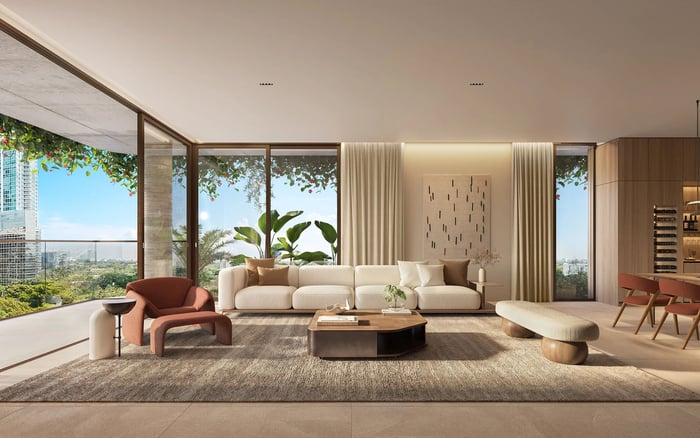
A refined look at how grandparent-suite comfort can transform a South Florida penthouse from an occasional trophy into a true full-time multigenerational residence.
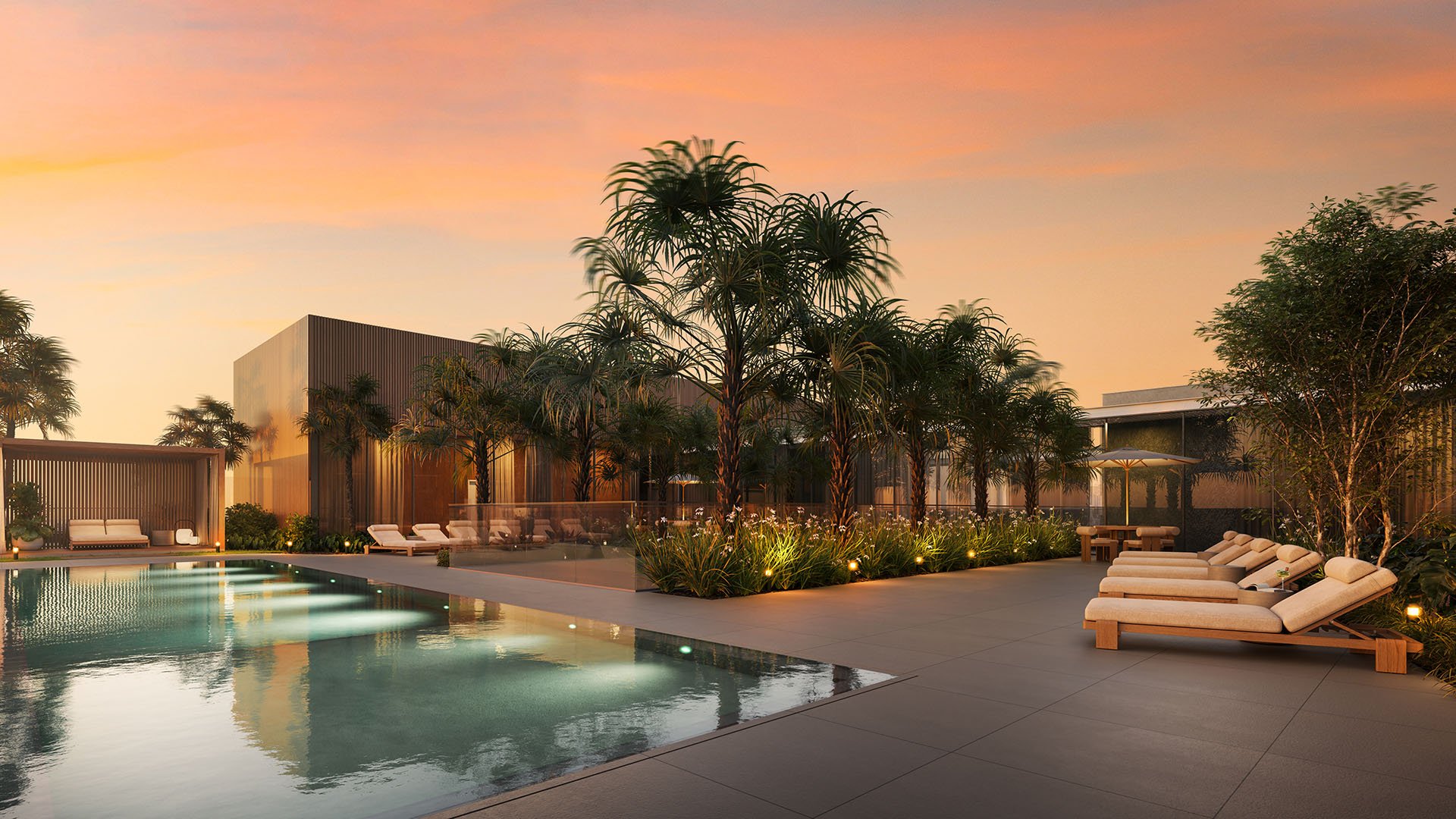
A South Florida penthouse has always carried a particular romance: the private arrival, the horizon line, the quiet above the city. Yet the most discerning buyers now assess the top floor through a more intimate lens. They are not only asking whether the residence impresses for a weekend. They are asking whether it can hold three generations with grace on an ordinary Tuesday.
That is where grandparent-suite comfort becomes decisive. A well-considered suite for older family members can turn a dramatic aerie into a true full-time residence. It shifts the conversation beyond views and finishes to sleep quality, circulation, privacy, care, storage, and the ability to host without friction. The result is not a compromise. At the highest level, it is a fuller expression of luxury.
A guest room is temporary. A grandparent suite must feel permanent. It needs the dignity of separation without isolation, the convenience of proximity without dependence, and enough architectural presence to avoid feeling secondary to the primary bedroom.
In a full-time penthouse, this suite often becomes the emotional center of the plan. It lets grandparents be present for breakfast, school evenings, holidays, and quiet family rituals, while still retreating to a serene private zone. The best versions do not announce themselves as accessible or practical. They simply feel effortless.
For the buyer, that distinction is subtle but essential. A room that can accommodate an overnight guest is not the same as a suite that can support daily living. When a penthouse is expected to function year-round, the secondary primary suite may matter as much as the main one.
The essential question is placement. A grandparent suite should not sit so far from the heart of the residence that it feels detached, but it should not open directly into the loudest social space. The ideal arrangement creates a quiet wing or protected corner with a short, intuitive path to the kitchen, family room, and elevator lobby.
Sound control matters. So does the sequence of doors, corridors, and thresholds. A suite entered through a small vestibule feels more residential than one that opens directly from a living area. A comfortable bath, generous wardrobe space, and a private place to sit during the day help the room behave like a residence within the residence.
This is especially relevant in high-floor living, where the sense of retreat can be profound. A grandparent suite should benefit from that calm, not feel like an afterthought tucked behind service spaces.
Luxury becomes convincing in the details buyers use every day. In a grandparent suite, that means easy bed placement, nightstands with proper clearance, lighting that can be controlled without crossing the room, and a bathroom that feels elegant rather than clinical. A beautiful shower with an easy threshold can be more important than a sculptural tub. A bench, generous wall space for art, and layered lighting can make the suite feel warm rather than merely functional.
Storage is another quiet test. Full-time living requires room for clothing, luggage, medicine, linens, keepsakes, and seasonal items. If a suite looks finished but lacks sufficient storage, its weakness will show quickly. The same is true of acoustics. Older family members may keep different hours, watch television at different volumes, or need rest during the day. A strong plan anticipates that rhythm.
Outdoor space is often discussed as spectacle, but in a multigenerational residence it becomes a daily amenity. A terrace that is easily reached from the main living area can support morning coffee, family dinners, and sunset visits without requiring a formal production. A balcony connected to a private suite can offer an additional layer of independence, especially when it feels secure, shaded, and easy to furnish.
The distinction is not only size. It is usability. Wind, sun exposure, furniture depth, door weight, and the relationship between indoor and outdoor seating all matter. A grandparent should be able to enjoy the view without navigating a difficult threshold or crossing an overly formal entertaining zone.
In buyer shorthand, this is where terrace and balcony become more than listing language. They become tests of whether the penthouse can support life at a human pace.
A full-time residence benefits from amenities, but only when they reduce strain. A pool, wellness area, private dining room, or attended lobby can all contribute to ease if the experience is calm, predictable, and well managed. For older family members, the most meaningful amenity may be the one that removes a daily obstacle: a comfortable place to wait for a car, a quiet lounge for a visiting friend, or staff who understand privacy.
The same principle applies to urban context. In Brickell, walkability and vertical convenience may shape the daily routine. In quieter coastal settings, the value may lie in space, light, and a softer pace. The best choice depends less on prestige than on how the family actually lives.
A floor plan can reveal whether multigenerational comfort is genuine. Start by tracing a typical day. Where does a grandparent wake, have coffee, read, rest, join dinner, and return privately at night? How many thresholds are crossed? Is the suite near noise? Does it require passing through formal areas in a robe or slippers? Can a caregiver, visiting nurse, or family member assist discreetly if needed?
Then study the social rooms. A penthouse meant for full-time residence should offer more than one place to gather. The grand salon may be beautiful, but families also need smaller moments: a breakfast table, a media room, a shaded outdoor corner, or a study that can become a quiet conversation room.
Finally, consider future flexibility. A grandparent suite may later serve as an adult child’s suite, a guest apartment, a wellness room, or a private office. The most resilient layouts do not lock a buyer into one chapter of family life.
The appeal of a multigenerational penthouse is not simply practical. It is emotional. It allows families to share time without erasing boundaries. Grandparents can be present without feeling hosted. Parents can support without feeling stretched. Children can grow up close to family memory, language, routine, and presence.
That kind of comfort is difficult to quantify, but easy to recognize during a private showing. The right residence feels calm. Circulation is intuitive. Rooms have purpose. Outdoor space is useful. The suite for grandparents feels as considered as the showpiece spaces. Nothing about it suggests temporary accommodation.
This is the point at which a penthouse becomes more than a beautiful address. It becomes a family instrument, tuned for continuity.
What makes a grandparent suite different from a guest room? A grandparent suite is planned for everyday comfort, privacy, storage, and easy access. It should feel permanent, not occasional.
Should the suite be close to the primary bedroom? Not necessarily. The better question is whether it offers privacy while remaining close to shared family spaces.
Is a separate sitting area important? Yes, when space allows. Even a modest seating zone can help the suite feel like a private residence within the penthouse.
What bathroom features matter most? Ease, lighting, generous clearances, and a comfortable shower often matter more than dramatic fixtures.
How important is outdoor access? It can be very meaningful if the threshold is easy and the space is comfortable. The goal is daily use, not just visual drama.
Can a penthouse still feel formal with multigenerational planning? Yes. The strongest plans combine ceremony in the public rooms with softness and practicality in private areas.
What should buyers test during a showing? Walk the route from suite to kitchen, living room, terrace, elevator, and bath. The sequence should feel natural.
Do amenities matter for grandparents? They matter when they simplify life. Calm service, comfortable common spaces, and wellness access can be especially valuable.
Is this only relevant for older buyers? No. Many families value flexibility because household needs change over time.
What is the best way to shortlist comparable options for touring? Start with location fit, delivery status, and daily lifestyle priorities, then compare stacks and elevations to validate views and privacy.
For a tailored shortlist and next-step guidance, connect with MILLION.
If branded residences are on your mind — as a home or as an allocation — we would be glad to share what we are seeing, privately.
Begin a quiet conversation