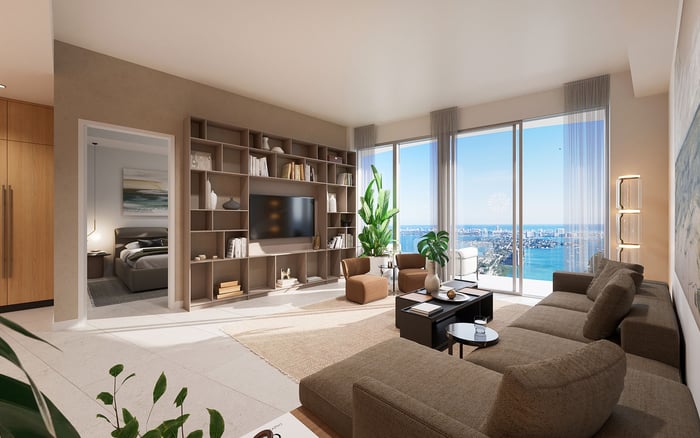
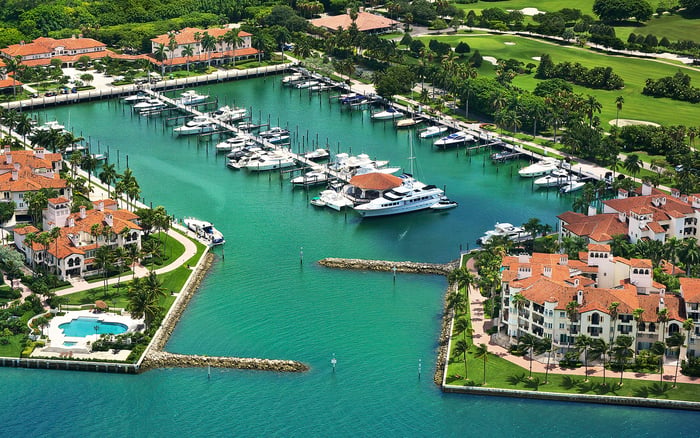
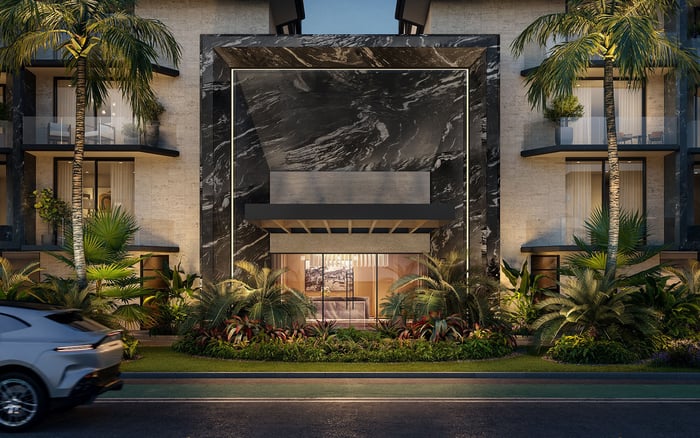
A practical luxury buyer’s framework for assessing how a South Florida residence supports a full boating day, from discreet arrivals and service circulation to ownership costs, storage, staffing, and end-of-day ease.
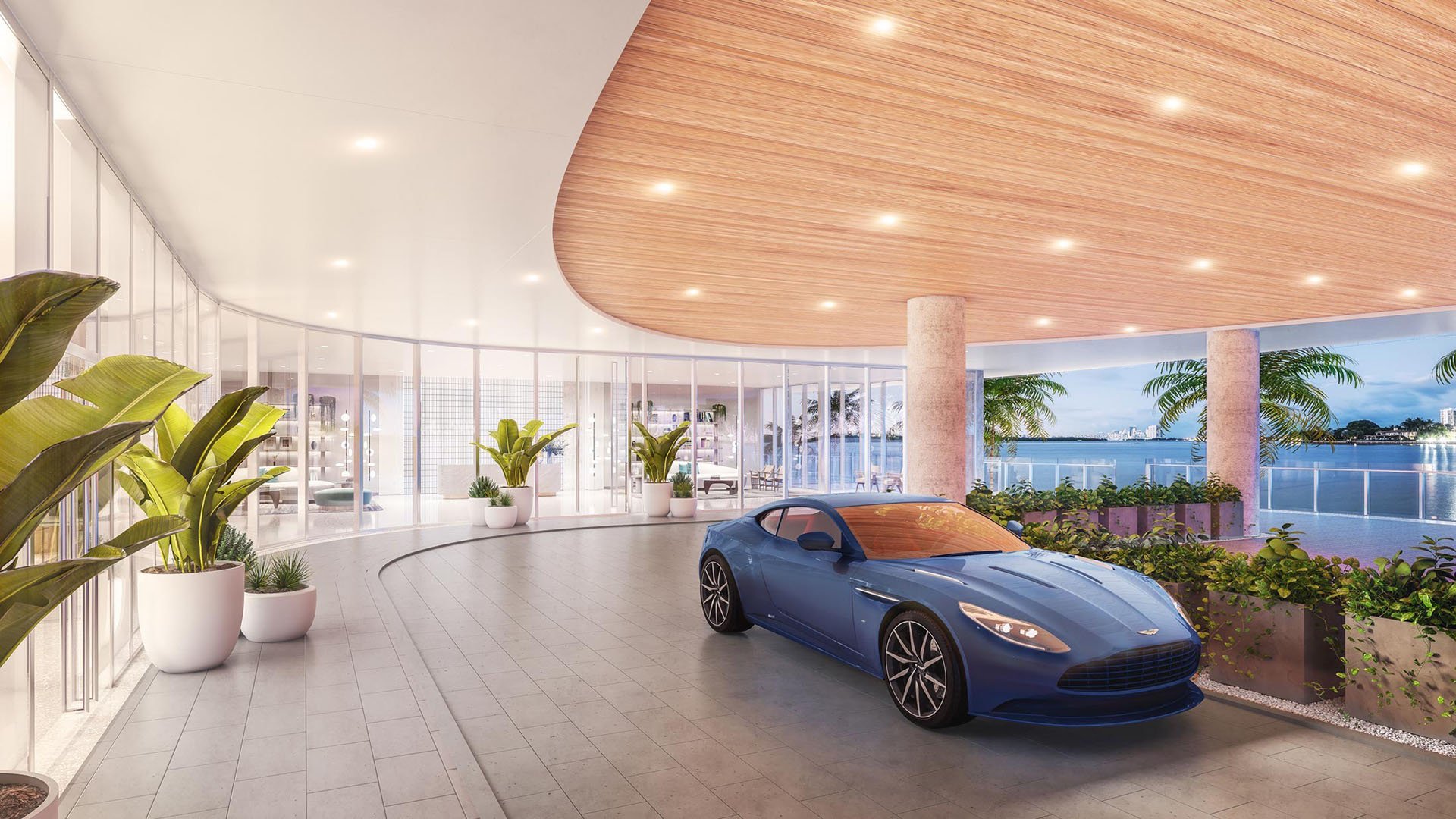
For South Florida’s waterfront buyer, the question is rarely whether boating is desirable. The more important question is whether the residence makes a boating day feel effortless, discreet, and repeatable. A beautiful view can seduce in minutes. A poorly planned boating routine reveals itself over years through inconvenient provisioning, exposed guest arrivals, awkward crew coordination, and the small frictions that become part of ownership.
The most refined evaluation begins with choreography. Where do owners arrive? Where do guests wait? How do bags, towels, coolers, children, pets, crew, and service vendors move without colliding with the private life of the home? A property may offer waterview drama yet still fail the practical test if every departure feels public or every return creates work. In practical terms, buyers often organize decisions around marina access, boat-slip control, waterview exposure, second-home rhythms, Fort Lauderdale cruising, and Miami Beach privacy. Those words are not amenities by themselves. They are prompts for a deeper review of how the home will actually live.
Privacy is not only the distance between the dock and the neighbor. It is the full sequence between the front door, garage, elevator, terrace, garden, seawall, and vessel. A discreet boating property allows owners to move from residence to boat without becoming part of the scenery. That may mean protected sightlines, thoughtful landscaping, separate service paths, or a layout that avoids routing every guest and vendor through the home’s most intimate areas.
Buyers should observe the property at different moments of the day. Morning preparation can feel entirely different from a late-afternoon return. Consider whether adjacent terraces overlook the boarding area, whether dock activity is visible from common spaces, and whether guests have a natural place to gather without interrupting household routines. Privacy also includes sound. A property that feels visually secluded may still carry conversation, music, engine preparation, or service activity in ways that matter to a discreet owner.
For condominium buyers, the same lens applies vertically. A residence can feel private in the living room, yet the route to the vessel may depend on shared elevators, valet timing, lobby visibility, or dockside circulation. The more the path relies on common areas, the more important it becomes to understand building culture, staffing rhythm, and how residents typically use the waterfront.
The financial evaluation of a boating lifestyle should be separated from the emotional appeal of the water. Carrying costs may include slip arrangements, association obligations, dock maintenance, utilities, cleaning, security considerations, insurance coordination, routine vessel care, and staffing. Not every cost is visible in a listing presentation. The careful buyer asks what must be paid, what may change, what is optional, and what becomes necessary once the boat is used frequently.
A low-friction property may justify a premium if it reduces recurring complexity. Conversely, a glamorous address may become less attractive if every outing requires extra coordination, off-site staging, or repeated vendor visits through sensitive areas of the residence. For many owners, time is a carrying cost. If provisioning requires multiple trips, if parking is constrained, if guest boarding is awkward, or if staff cannot work without constant direction, the home is extracting value even when invoices appear manageable.
The strongest purchase analysis treats the boating day as an operating model. Who opens the residence? Who prepares the boat? Where is equipment stored? How is laundry handled afterward? Where do wet items go before they reach finished interiors? When those answers are vague, the buyer should assume the ownership experience is not yet fully understood.
Luxury boating is often described through the vessel, but daily comfort is usually decided in the transitions. The most successful properties make it easy to leave cleanly and return gracefully. Shade, seating, storage, showers, restrooms, durable surfaces, discreet waste handling, and proximity to the kitchen or service areas can matter as much as the dock itself.
Look for places where the day can pause. Guests may arrive early. Children may need space before boarding. Someone may return from the boat while others remain aboard. A dog may need a practical route back inside. These are not minor details for a household that uses the water often. They determine whether boating feels like a production or a natural extension of the residence.
Interior planning also deserves scrutiny. A pristine formal entry may not be the right route for wet towels and deck shoes. A generous terrace may still lack the storage frequent use requires. An elegant elevator arrival may become less elegant if every boating accessory must pass through it. The ideal residence protects its beauty by giving the practical parts of the day their own logic.
Not every waterfront buyer wants the same boating life. Some owners imagine spontaneous evening cruises. Others host full-day outings with guests. Some use the boat seasonally. Others treat it as part of weekly family life. The property should be judged against the owner’s true pattern, not against an abstract idea of waterfront prestige.
A second-home buyer may value lock-and-leave simplicity, staff readiness, and predictable vendor access. A primary resident may prioritize storage, sound control, and the ability to move easily between home, boat, and daily obligations. A household that entertains frequently may need guest flow and parking to be considered as carefully as the dock. A quieter owner may place more weight on visual screening and minimal shared exposure.
The key is to avoid buying for the rarest day. A property that works only for the most glamorous weekend may disappoint during ordinary use. Instead, evaluate the repeated day: arrive, prepare, board, return, clean, store, reset. If that sequence feels calm, the residence is doing more than offering waterfront access. It is supporting a lifestyle.
Before advancing, buyers should clarify rights, restrictions, logistics, and responsibilities. What exactly is included with the residence? What permissions or approvals affect vessel use? Who maintains which elements? How are vendors admitted? How are guests handled? What happens during repairs, weather preparations, or extended absences? These questions are not obstacles to romance. They are the structure that protects it.
It is also wise to conduct a physical walk-through as if leaving for the water. Bring the same imagination used for furniture placement, but apply it to towels, bags, provisions, crew, children, and guests. Walk from parking to residence, residence to dock, dock back to service areas, and service areas back to storage. The best properties reveal an intuitive path. Weaker ones rely on improvisation.
In the ultra-premium tier, boating-day logistics are part of design quality. A residence does not need to be ostentatious to be exceptional. It needs to be composed. Privacy, carrying cost, and comfort are not separate considerations. They are linked. When they align, the waterfront home feels serene even before the boat leaves.
What is the first thing to evaluate in a boating-day property? Start with the full route from arrival to boarding. The best properties make that path intuitive, private, and easy to repeat.
Why does privacy matter beyond the dock itself? Privacy includes guest movement, vendor access, sound, sightlines, and how visible the boating routine becomes from neighboring or shared areas.
How should buyers think about carrying costs? Look beyond the purchase price and consider recurring obligations, staffing needs, maintenance, storage, insurance coordination, and time spent managing logistics.
Is a boat slip always enough for a serious boater? No. A boat slip can be valuable, but the surrounding access, storage, permissions, and service flow determine how comfortable it is to use.
What makes a property better for frequent boating? Frequent use rewards shade, durable transition spaces, discreet storage, easy provisioning, and a return path that does not disrupt the home.
Should condominium buyers evaluate boating logistics differently? Yes. They should pay close attention to shared elevators, lobby exposure, valet timing, building culture, and dockside circulation.
How can a buyer test daily comfort before purchasing? Walk the exact boating-day sequence with realistic items in mind, including bags, towels, provisions, guests, pets, and post-trip cleanup.
What is often overlooked in waterfront evaluations? Storage is frequently underestimated. Without practical places for boating equipment, the residence can feel cluttered or over-managed.
How does a second-home owner’s checklist differ? A second-home owner should emphasize lock-and-leave simplicity, vendor access, staff readiness, and predictable maintenance routines.
What is the ultimate sign of a well-planned boating residence? The day feels calm before departure and orderly after return, with privacy, cost control, and comfort working together.
For a confidential assessment and a building-by-building shortlist, connect with MILLION.
If branded residences are on your mind — as a home or as an allocation — we would be glad to share what we are seeing, privately.
Begin a quiet conversation