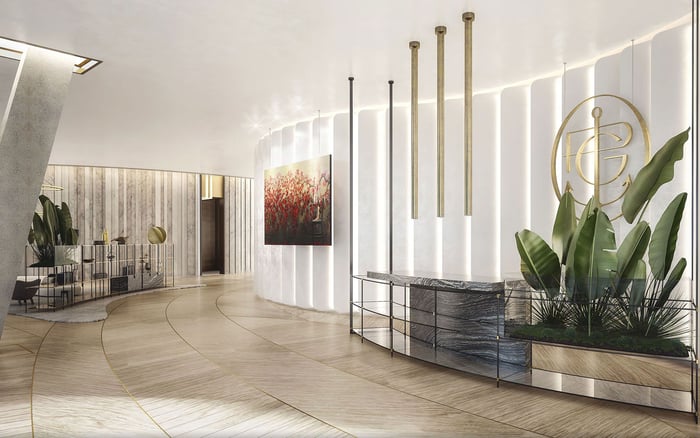
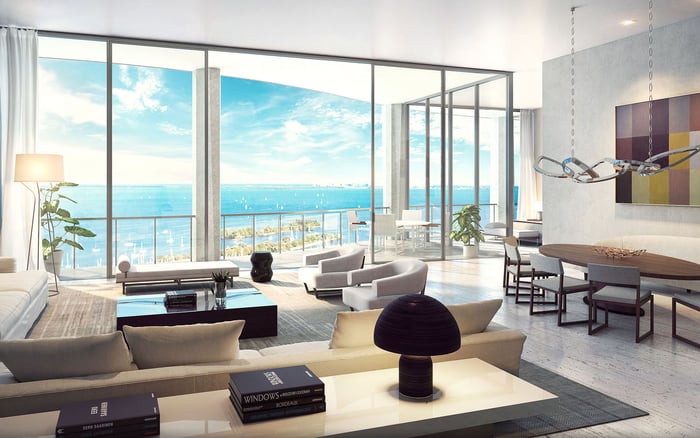
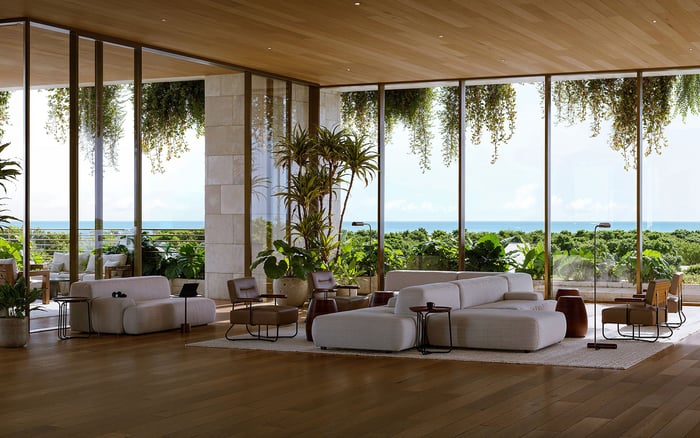
A buyer-focused comparison of how families and pet owners should evaluate ownership culture at Four Seasons Residences Coconut Grove, Opus Coconut Grove, and Vita at Grove Isle.

For buyers with children and pets, the most important distinction among Four Seasons Residences Coconut Grove, Opus Coconut Grove, and Vita at Grove Isle is not simply which building has the most polished lobby or the most impressive private residence. It is which ownership model feels gracious on an ordinary Tuesday morning, after school, during a dog walk, or when grandparents arrive for a long weekend.
In Coconut Grove, the ultra-luxury conversation often centers on architecture, water views, privacy, and service. Yet families and pet owners experience a building through daily patterns: elevator etiquette, stroller storage, guest procedures, valet pacing, package handling, outdoor access, noise tolerance, and the tone of management. A residence can be extraordinary on paper and still feel mismatched if the culture is too transient, too formal, too restrictive, or too indifferent to family life.
Four Seasons Residences Coconut Grove and Opus Coconut Grove are both Coconut Grove ultra-luxury projects to compare for family- and pet-oriented buyers. Vita at Grove Isle belongs in the same conversation because the issue is not only location or price tier, but the lived ownership structure around children, pets, privacy, and routine.
An ownership model shapes how residents share the building. It influences whether the atmosphere feels hotel-like, club-like, estate-like, or neighborly. For families, the differences are subtle but consequential: how patient staff are with children, whether guest access feels seamless or overcontrolled, how common areas are protected, and whether the building’s social rhythm supports long-term residency.
For pet owners, the questions are just as practical. Written pet policies matter, but so does the style of enforcement. A luxury building may permit pets yet feel unwelcoming if routes are inconvenient, staff are uneasy, or neighbors expect near-silence. Conversely, a disciplined building can be highly pet-compatible when expectations are clear and the physical routine works.
The best fit is rarely universal. A young family with two dogs and a nanny may need a different culture than empty nesters who host grandchildren during school breaks. Buyers should treat rules, staffing, access, and governance as part of the residence itself, not as afterthoughts.
Four Seasons Residences Coconut Grove will naturally draw buyers who associate branded residential living with a more managed, service-forward environment. For families, that can be appealing because predictability is luxury. A household with children often benefits from a building where arrival, security, deliveries, reservations, and daily staff interactions are expected to be choreographed.
The potential strength of a service-led model is consistency. If the building culture is aligned with full-time residential use, families may find that the staff layer softens friction: children are recognized, guests are handled discreetly, and pets become part of a familiar routine rather than a recurring exception. This is especially valuable for buyers who split time between residences and want the building to remember preferences without constant explanation.
The trade-off is that branded environments can feel more formal. Some families appreciate that polish, while others prefer a looser, more residential mood. Before choosing this model, buyers should study pet rules, child access to shared spaces, guest procedures, service fees, and the tone of enforcement. The right question is not whether the brand is prestigious. It is whether the brand’s standards feel compatible with the household’s actual life.
Opus Coconut Grove is another Coconut Grove ultra-luxury project for buyers comparing family- and pet-oriented ownership culture. The appeal of a more boutique ownership model, when executed well, is intimacy. Families often value a building where the resident base feels more knowable, common areas feel less trafficked, and the tone is closer to a private address than a destination property.
For children, that can translate into a calmer sense of home. For pets, it may mean fewer daily interactions, shorter transitions, and a more consistent neighbor dynamic. The smaller or more private a building feels, the more important resident compatibility becomes. A boutique building can be wonderfully livable when the ownership group shares similar expectations about quiet, privacy, maintenance, and long-term stewardship.
The risk is that culture can become highly dependent on governance. In an intimate building, a board, manager, or small group of active owners can have an outsized influence on the daily experience. Buyers should pay close attention to house rules, architectural controls, move-in procedures, pet restrictions, leasing policies, and the practical handling of children in amenity spaces. Opus Coconut Grove may be most compelling for buyers who want an elegant residential tone and are willing to evaluate the details closely before committing.
Vita at Grove Isle should be evaluated through a slightly different lens: how its setting and ownership culture support the daily rhythm of a household. For buyers with children and pets, the ideal version of this model would combine privacy with ease. Arrivals should feel calm, outdoor movement should be intuitive, and the building should offer a sense of retreat without making family logistics feel complicated.
The most relevant questions are practical. How does the residence handle school runs, service providers, visiting family, dog walks, children’s friends, and weekend deliveries? Does the building culture lean toward full-time residents, seasonal owners, or a blend? Are pets treated as a normal part of the community, or as a tolerated exception? Are children visible in the ownership culture, or would a family feel conspicuous?
Because Vita at Grove Isle sits in a conversation where privacy is central, buyers should be especially attentive to access protocols and everyday convenience. Privacy is valuable for families only if it does not create unnecessary friction. The right model preserves quiet while still allowing a household to function naturally.
The most service-oriented family may gravitate toward Four Seasons Residences Coconut Grove. This is the buyer who wants a polished environment, a strong arrival experience, and a staff culture that can support a high-touch lifestyle. It may also suit pet owners who value clarity and predictability, provided the specific pet policies align with their needs.
The buyer who wants a quieter, more residential atmosphere may prefer Opus Coconut Grove. This household may prioritize discretion, neighborly familiarity, and a building that feels less like a public-facing luxury statement. For families with children, that can be powerful if the rules are warm, practical, and consistently enforced.
Vita at Grove Isle may appeal to buyers who place privacy, separation, and a retreat-like daily cadence at the top of the list. The family fit will depend on how well the ownership structure balances exclusivity with practical mobility. For pet owners, the deciding factor is whether the routine around outdoor access and building circulation feels natural.
In Coconut Grove, the smartest buyers will not ask which residence is best in the abstract. They will ask which one will make their household feel most at ease over a five-year period.
Before signing, families should read the condominium documents and house rules with the same care they bring to floor plans. Pet limits, breed or weight restrictions, guest policies, rental rules, amenity access, noise provisions, renovation controls, and service charges can all shape the building culture.
Buyers should also observe the property at different times of day. Morning arrivals, late-afternoon school returns, weekend pool hours, and evening valet activity reveal more than a polished tour. A building suited to children and pets will feel composed under real use, not just during a scheduled presentation.
Finally, buyers should consider resale. A building culture that gracefully accommodates families and pets may have broader emotional appeal, especially in Coconut Grove, where many luxury buyers are choosing lifestyle depth over formality alone.
Which ownership model is best for families with young children? A service-led model may suit families who want predictability, while a boutique model may suit those who prefer a calmer residential rhythm.
Is Four Seasons Residences Coconut Grove automatically the best choice for service? It is the natural option to evaluate for service-led ownership, but buyers should still verify rules, fees, access, and daily procedures.
Why consider Opus Coconut Grove for children and pets? Opus Coconut Grove may appeal to buyers who want a more intimate residential culture, provided its governing rules support family life.
How should buyers evaluate Vita at Grove Isle? Focus on access, privacy, pet routines, guest handling, and whether the setting supports daily family logistics without friction.
Are pet policies enough to determine fit? No. Written rules matter, but the building’s enforcement style and daily circulation often matter just as much.
What should buyers ask about children in amenity areas? Ask how children may use pools, lounges, fitness areas, outdoor spaces, and guest areas, including any time or supervision rules.
Do rental restrictions affect building culture? Yes. Rental rules can influence the resident mix, sense of familiarity, noise expectations, and long-term community tone.
Should families prioritize larger amenities or smoother routines? Smooth routines usually matter more over time, especially for school schedules, pet walks, guests, deliveries, and staff coordination.
Can a very formal building still work for children and pets? Yes, if the staff culture is warm, the rules are clear, and the household is comfortable with a more polished environment.
What is the safest way to choose among the three? Match the residence to your household’s real daily patterns, then confirm that the documents and culture support those patterns.
To compare the best-fit options with clarity, connect with MILLION.
If branded residences are on your mind — as a home or as an allocation — we would be glad to share what we are seeing, privately.
Begin a quiet conversation