A practical, family-focused guide to evaluating pool-equipment placement during a South Florida penthouse search, with attention to acoustics, service access, safety, terrace planning and long-term ownership comfort.
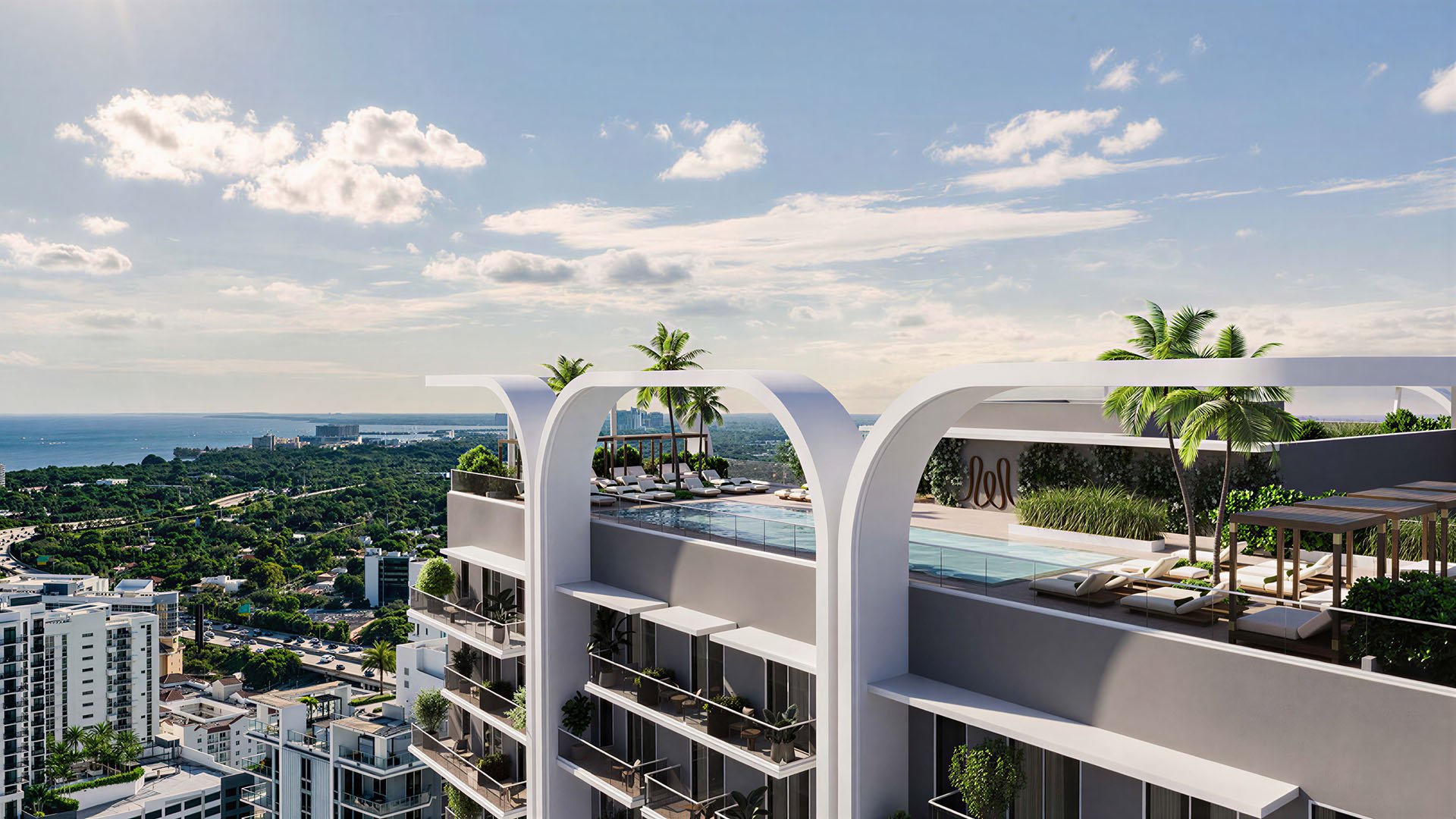
For families shopping South Florida’s upper floors, the private pool has become more than a visual amenity. It is a daily ritual space, a children’s play zone, a venue for quiet mornings, and often the emotional centerpiece of a penthouse. Yet the experience of that pool depends on more than its shape, views, or finish palette. It depends on where the supporting equipment lives, how it is accessed, and whether its presence has been considered with the same discipline as the interiors.
Pool equipment is rarely the most glamorous part of a showing. Pumps, heaters, filtration, automation panels, drainage routes, and service clearances do not photograph like sunset terraces. Still, they can influence noise, privacy, maintenance interruptions, storage conflicts, and the way a family actually uses outdoor space. In a market where buyers compare residences across Brickell, Miami Beach, Sunny Isles, Coconut Grove, Surfside, and Palm Beach, mechanical planning can become a subtle but meaningful differentiator.
The better question is not whether a penthouse has a pool. It is whether the pool’s operating system is thoughtfully separated from the life of the home.
A dramatic terrace may win the first impression, but family ownership is measured in ordinary moments. A sleeping child in a nearby bedroom, a weekend breakfast on the terrace, a tutor arriving while technicians are servicing equipment, or grandparents walking across outdoor flooring after rain can all reveal whether the layout is truly livable.
For families, pool-equipment placement should be evaluated through four lenses: sound, safety, service, and separation. Sound matters because mechanical hum can travel differently on high floors, especially when hard surfaces, glass rails, and wind conditions are involved. Safety matters because equipment rooms, access panels, chemical storage, and drainage points should not compete with children’s circulation. Service matters because maintenance should be possible without turning the residence into a work zone. Separation matters because the most refined homes keep operational systems discreet.
This is why a buyer considering a terrace-forward residence such as The Residences at 1428 Brickell should ask early how outdoor amenities are supported, not merely how they are finished. The same principle applies to any luxury building: beauty is strongest when the infrastructure is composed.
During a penthouse search, buyers should request a clear explanation of where pool equipment is located in relation to primary bedrooms, family rooms, outdoor dining areas, and neighboring residences. If the equipment is on the same private level, the next question is how it is acoustically buffered and visually screened. If it is located in a dedicated mechanical area, buyers should understand the access route, service expectations, and whether technicians can reach it without crossing sensitive living spaces.
Ask to review plans that identify pumps, heaters, filters, electrical panels, drains, shutoffs, and service clearances. The goal is not to become an engineer. The goal is to understand whether the system was integrated from the beginning or tucked into leftover space. In a high-value penthouse, leftover space is rarely the right answer.
A family should also ask how the pool is controlled. Automation can simplify daily use, but control panels and equipment access still need a logical location. If children use the pool frequently, adults should understand what can be locked, what remains exposed, and how service teams will enter when the home is occupied.
Luxury buyers often focus on views and ceiling heights, but quiet is one of the great currencies of residential design. Pool equipment can introduce sound and vibration if it is placed near lounging areas, bedroom walls, or outdoor dining zones. Even when equipment is technically compliant, the lived experience may vary depending on shielding, distance, enclosure design, and operating hours.
On a balcony or terrace, sound can become more noticeable at certain times of day when the rest of the home is still. A pump that seems modest during a busy showing may feel different during a child’s afternoon nap or a late dinner outside. Families should ask for a demonstration if possible, ideally when the system is operating under normal conditions.
In Miami Beach, where outdoor living is central to the appeal of many residences, this becomes especially important. A buyer touring Five Park Miami Beach or The Perigon Miami Beach should think beyond the terrace’s view corridor and consider the acoustic character of the entire outdoor environment. Serenity is not accidental. It is planned.
The placement of pool equipment has a direct effect on how maintenance happens. In the best scenarios, routine service is efficient, discreet, and minimally invasive. In weaker layouts, technicians may need to cross private terraces, pass near bedrooms, or move through entertaining areas. For a family with children, pets, staff, or guests, that can create avoidable friction.
Before contract, ask who services the equipment, how often access is typically required, where service personnel enter, and whether there is adequate room to work without moving furniture or disrupting the residence. Also consider whether the service route changes when the family is entertaining. A penthouse that functions beautifully on a quiet weekday should also function during a holiday gathering.
Storage is another overlooked issue. Pool toys, safety covers, cleaning tools, towels, and outdoor cushions all need a home. If equipment placement consumes the only practical storage zone, the terrace may become less elegant over time. Families should evaluate whether mechanical space and lifestyle storage have been separated with intention.
Family buyers should pay close attention to what children can see, reach, open, or climb. Pool equipment should be screened without creating tempting ledges or hidden corners. Doors and panels should feel secure, and any access point near a play area should be reviewed carefully. The goal is not to make the terrace feel restrictive. It is to make its freedom feel considered.
Sightlines matter as well. Parents often want to supervise the pool from the kitchen, family room, or shaded lounge. Equipment enclosures should not block those views or force awkward furniture arrangements. A beautifully furnished terrace can lose its ease if parents must stand in a specific spot to monitor children.
In waterfront and coastal settings, privacy screening should also respect the architecture. A mechanical enclosure that feels like an afterthought can diminish the elegance of the penthouse. By contrast, integrated millwork, landscape buffers, or architectural walls can help equipment disappear into the composition.
Different South Florida settings invite different pool expectations. In Brickell, buyers may prioritize skyline drama, protected outdoor rooms, and efficient service circulation. In Miami Beach and Surfside, ocean air, privacy, and outdoor entertaining may drive the conversation. In Sunny Isles, large-format residences often place a premium on expansive terraces and uninterrupted views. In Coconut Grove, families may be especially attuned to a softer indoor-outdoor rhythm.
None of these preferences replaces due diligence. They simply shape the questions. A family evaluating Bentley Residences Sunny Isles may think carefully about how pool equipment relates to expansive outdoor living. A buyer drawn to the Grove lifestyle at Vita at Grove Isle may focus on privacy, calm, and daily family flow. The right answer depends on the residence, but the right questions remain consistent.
Pool-equipment placement may not be the first feature a future buyer mentions, but it can shape the emotional response to a home. A terrace that feels quiet, safe, uncluttered, and easy to maintain invites confidence. A terrace that requires explanation can introduce doubt.
For family buyers, the most resilient penthouse is the one that performs gracefully over years, not just during a first visit. Mechanical planning, waterproofing coordination, drainage logic, acoustic separation, and service choreography all contribute to that performance. They are not decorative, but they protect the decoration. They are not the headline, but they determine whether the headline endures.
In a South Florida penthouse search, the private pool should feel effortless. The only way to achieve that effortlessness is to examine the effort behind it.
Why does pool-equipment placement matter in a penthouse search? It affects noise, maintenance access, safety, privacy, storage, and the way a family uses the terrace every day.
Should families ask to see mechanical plans before buying? Yes. Plans can clarify where pumps, filters, heaters, drains, shutoffs, and service clearances are located.
Can pool equipment create noise inside the residence? It can, depending on placement, buffering, adjacent rooms, enclosure design, and operating conditions.
What is the best location for penthouse pool equipment? The best location is discreet, serviceable, acoustically considered, and separated from primary living and play areas.
Should service access be reviewed before contract? Yes. Families should understand how technicians enter, where they work, and whether service disrupts daily life.
Can equipment placement affect terrace design? Yes. Poor placement can compromise furniture layouts, views, storage, privacy screening, and supervision of children.
Is screening always enough to solve equipment concerns? Screening helps visually, but buyers should also consider sound, ventilation, safety, drainage, and access.
What should parents check around equipment areas? Parents should look for secure panels, controlled access, safe circulation, and no tempting climbable elements.
Does this matter for resale? Yes. A quiet, practical, well-planned terrace can make a penthouse feel more complete to future buyers.
When should these questions be raised? Raise them early, before emotional attachment to the view overtakes practical evaluation.
If you'd like a private walkthrough and a curated shortlist, connect with MILLION.
If branded residences are on your mind — as a home or as an allocation — we would be glad to share what we are seeing, privately.
Begin a quiet conversation