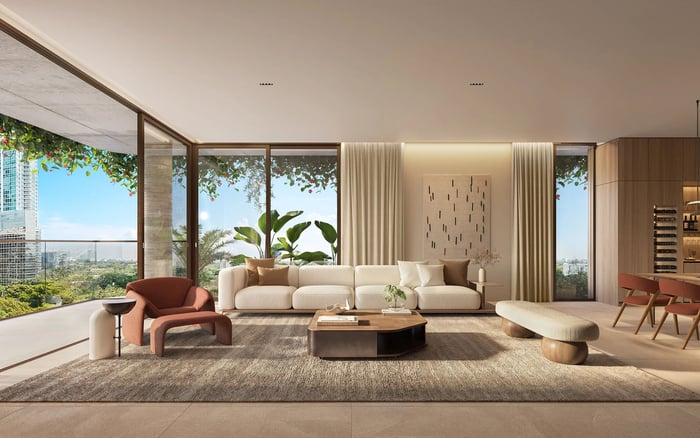
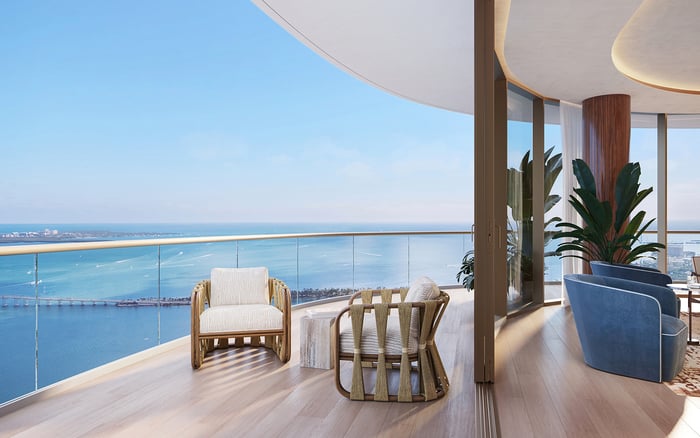
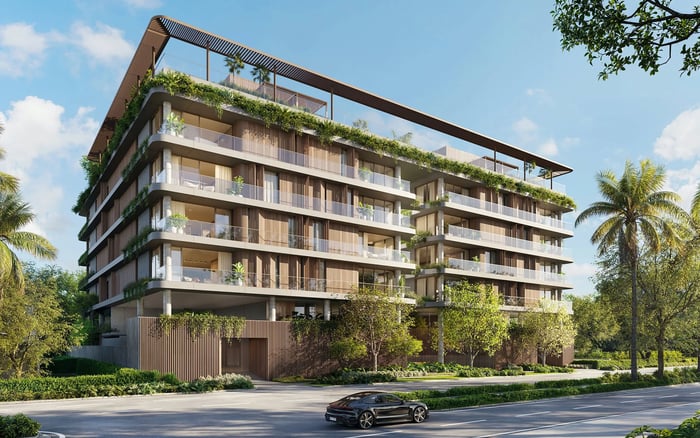
A buyer-focused look at how wind exposure on upper floors can influence comfort, maintenance expectations, balcony use, and the long-term economics of South Florida full-service condominium living.
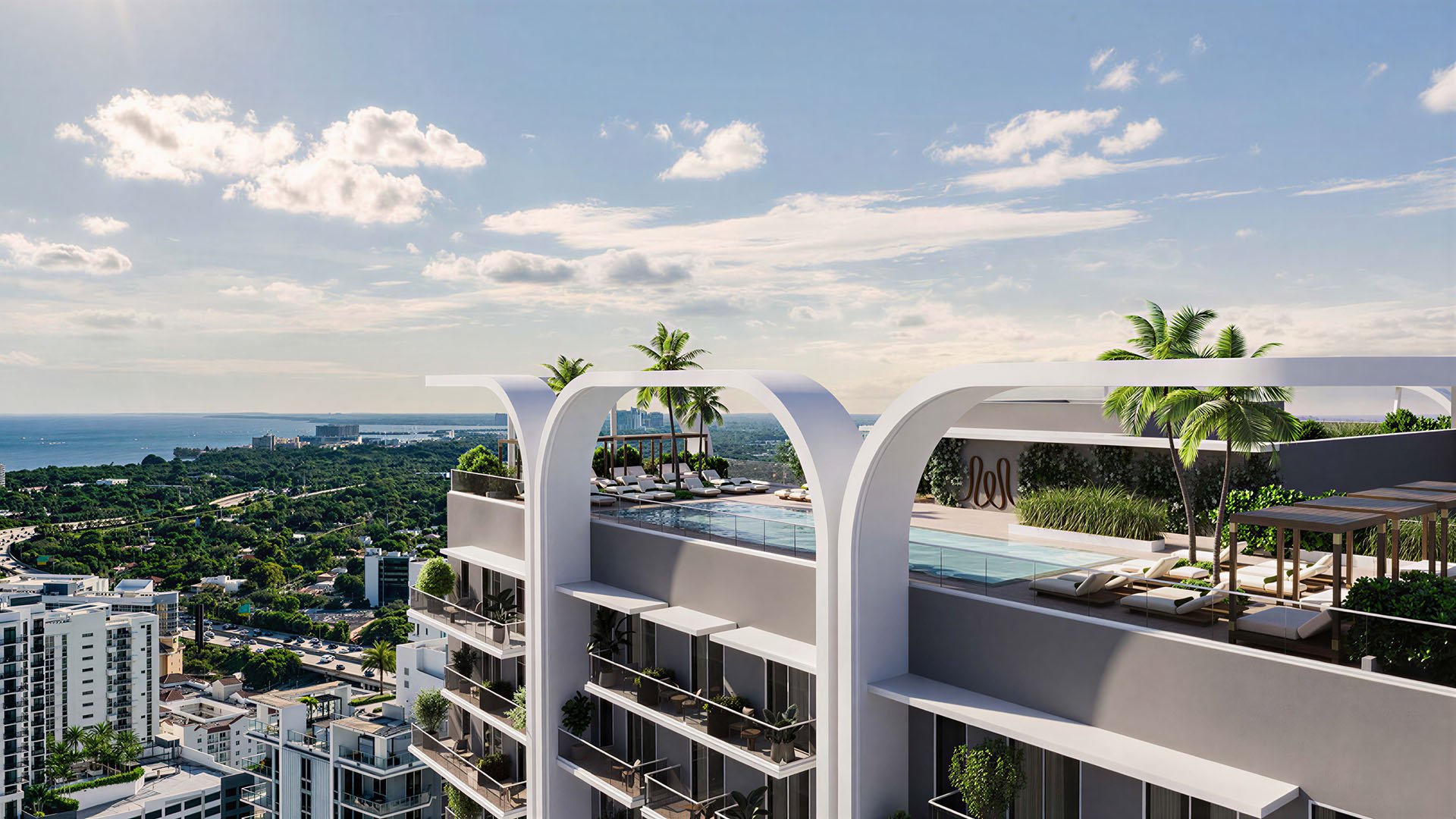
In South Florida, height is typically marketed through view, privacy, light, and a heightened sense of arrival. The higher the residence, the more cinematic the horizon can become. Yet high-floor living also introduces a practical variable that sophisticated buyers should not treat as background: wind behavior.
Wind does not matter only when a storm is approaching. It can influence how often a Balcony is used, how exterior doors feel, how terrace furnishings are specified, how noise is perceived, and how building teams manage the envelope of a full-service tower. None of this makes high-floor ownership less desirable. It simply means the premium should be understood in full.
For a buyer comparing vertical Brickell residences such as The Residences at 1428 Brickell, the question is not whether height is worth paying for. It is whether the residence, the building operation, and the buyer’s lifestyle align with the realities of elevation.
A high-floor residence often commands a premium because the experience is rare. Waterview orientation, skyline perspective, sunrise or sunset exposure, and distance from street activity can all shape perceived value. The mistake is ending the analysis at the purchase price.
The real cost is how the home lives after closing. A terrace that appears serene in listing photography may be less useful during windy afternoons. Sliding doors may require more deliberate operation. Outdoor furniture may need heavier construction, different fabrics, or seasonal storage. Planters, umbrellas, and decorative objects require restraint at elevation.
For a Penthouse buyer, the issue becomes even more personal. Outdoor space is often part of the emotional justification for the acquisition. If that space is frequently windy, the buyer should understand whether it will function as a dining terrace, a contemplative overlook, or primarily a visual amenity.
Not all wind exposure is equal. A corner residence can behave differently from an interior stack. Direct ocean exposure can feel different from bay exposure or an urban canyon. A recessed Balcony can feel more protected than one that projects outward. Deep overhangs, side walls, parapets, and neighboring towers can all affect the lived experience.
That is why a single daytime showing rarely tells the full story. Buyers should try to visit at different times of day when possible, especially when outdoor space is central to the decision. They should open and close exterior doors, stand at the rail, listen for whistling around seals, and assess whether furniture layouts feel plausible rather than merely photogenic.
In ocean-facing markets, buyers looking at buildings such as Bentley Residences Sunny Isles should treat the Balcony as a performance space, not just a square-footage line item. The question is how the exterior area will support morning coffee, evening entertaining, pets, children, and guests across a normal year of ownership.
In a full-service tower, the building team is not a luxury ornament. It is part of the asset. Wind behavior may influence how management approaches exterior inspections, window-washing coordination, door hardware, common-area terraces, pool decks, landscaping, and storm preparation protocols.
A buyer should ask how the building communicates with residents before severe weather, how exterior items are handled, and how quickly post-weather checks are typically organized. The answer is not only about safety. It speaks to discipline, staffing, and institutional memory.
This is where full-service ownership can justify itself. A well-run tower can reduce friction for residents by anticipating recurring needs. Poor communication, by contrast, can make even a spectacular high-floor home feel more demanding than expected.
Luxury buyers often focus on the spa, the restaurant, the pool deck, the arrival court, and the private club atmosphere. Those amenities matter. At height, however, the building envelope deserves equal attention.
Glazing, door systems, seals, drainage, railings, and exterior transitions all shape comfort. A refined interior can be undermined if wind noise distracts from daily life or if exterior doors require constant service. Buyers do not need to become engineers, but they should ask precise questions during diligence and listen carefully to the answers.
For downtown buyers considering vertical living near the skyline, Waldorf Astoria Residences Downtown Miami illustrates the kind of high-rise context where the relationship between elevation, exposure, and building systems becomes central to the ownership experience.
The additional costs of wind exposure are often incremental rather than dramatic. They may appear as sturdier outdoor furnishings, more frequent cleaning, occasional service calls, replacement cushions, careful plant selection, or higher expectations for building maintenance. In a condominium, some of the burden may be shared through association operations, while some remains personal to the residence.
This is why buyers should review not only the monthly carrying cost but also the culture of the building. Does the tower appear meticulous? Are common outdoor areas well controlled? Are terrace rules clear? Does management seem proactive? A full-service building is best understood as a living operating platform.
The buyer’s own habits matter as well. Someone who travels often may value staff preparedness and simple lock-and-leave protocols. A year-round resident who entertains outdoors may need a more granular understanding of wind patterns, furniture limits, and seasonal comfort.
When comparing high-floor residences, create a separate column for wind-related livability. Include exposure, outdoor depth, door operation, perceived noise, furniture practicality, and management responsiveness. This converts a subjective feeling into a clearer decision framework.
In Miami Beach, a buyer considering refined coastal projects such as The Perigon Miami Beach may find that two residences with similar views live very differently depending on orientation and outdoor configuration. The most expensive view is not automatically the most comfortable daily experience.
Ask whether the premium is paying for view alone, or for view plus usable outdoor space. Those are distinct propositions. A narrow exposed ledge and a protected Terrace can create very different ownership outcomes, even if both photograph beautifully.
The goal is not to avoid wind. South Florida’s coastline, bays, and skyline are part of the region’s appeal precisely because they are atmospheric. The goal is alignment: the right floor, the right exposure, the right building operation, and the right buyer expectations.
For some owners, wind at elevation is part of the romance. It brings movement, distance, and drama. For others, daily comfort and outdoor usability matter more than the highest possible perch. The best purchase is the one where the premium feels justified not only on closing day, but in ordinary life after the furniture arrives.
Does wind make high-floor residences less valuable? Not necessarily. It can affect usability and maintenance expectations, but height can still carry strong appeal through view, privacy, and light.
Should I visit a high-floor condo more than once before buying? Yes, if possible. Different times of day can reveal changes in wind, noise, light, and outdoor comfort.
What should I test during a showing? Open exterior doors, stand on the Balcony, listen near glazing, and imagine how furniture would actually function in the space.
Is a recessed outdoor area better than an exposed one? It can feel more protected, but design, orientation, and surrounding buildings all matter. The specific residence should be evaluated directly.
Can wind affect outdoor furniture choices? Yes. Heavier pieces, restrained accessories, durable fabrics, and thoughtful storage can become more important at elevation.
Do full-service buildings help reduce wind-related inconvenience? Often, the service platform can help through communication, preparation, inspections, and coordinated maintenance routines.
Should buyers ask about storm protocols? Yes. Clear resident communication and practical preparation procedures are important parts of high-floor ownership.
Is the highest floor always the best choice? Not always. The best choice balances view, comfort, exposure, outdoor usability, and long-term carrying expectations.
Can wind noise become a daily issue? It can, depending on design and conditions. Buyers should pay attention to seals, doors, and perceived interior quiet during visits.
What is the best way to shortlist comparable options for touring? Start with location fit, delivery status, and daily lifestyle priorities, then compare stacks and elevations to validate views and privacy.
If you'd like a private walkthrough and a curated shortlist, connect with MILLION.
If branded residences are on your mind — as a home or as an allocation — we would be glad to share what we are seeing, privately.
Begin a quiet conversation