A buyer-focused guide to evaluating view-corridor risk in Bal Harbour, from sightline documentation and neighboring parcels to pricing, resale, and contract strategy.
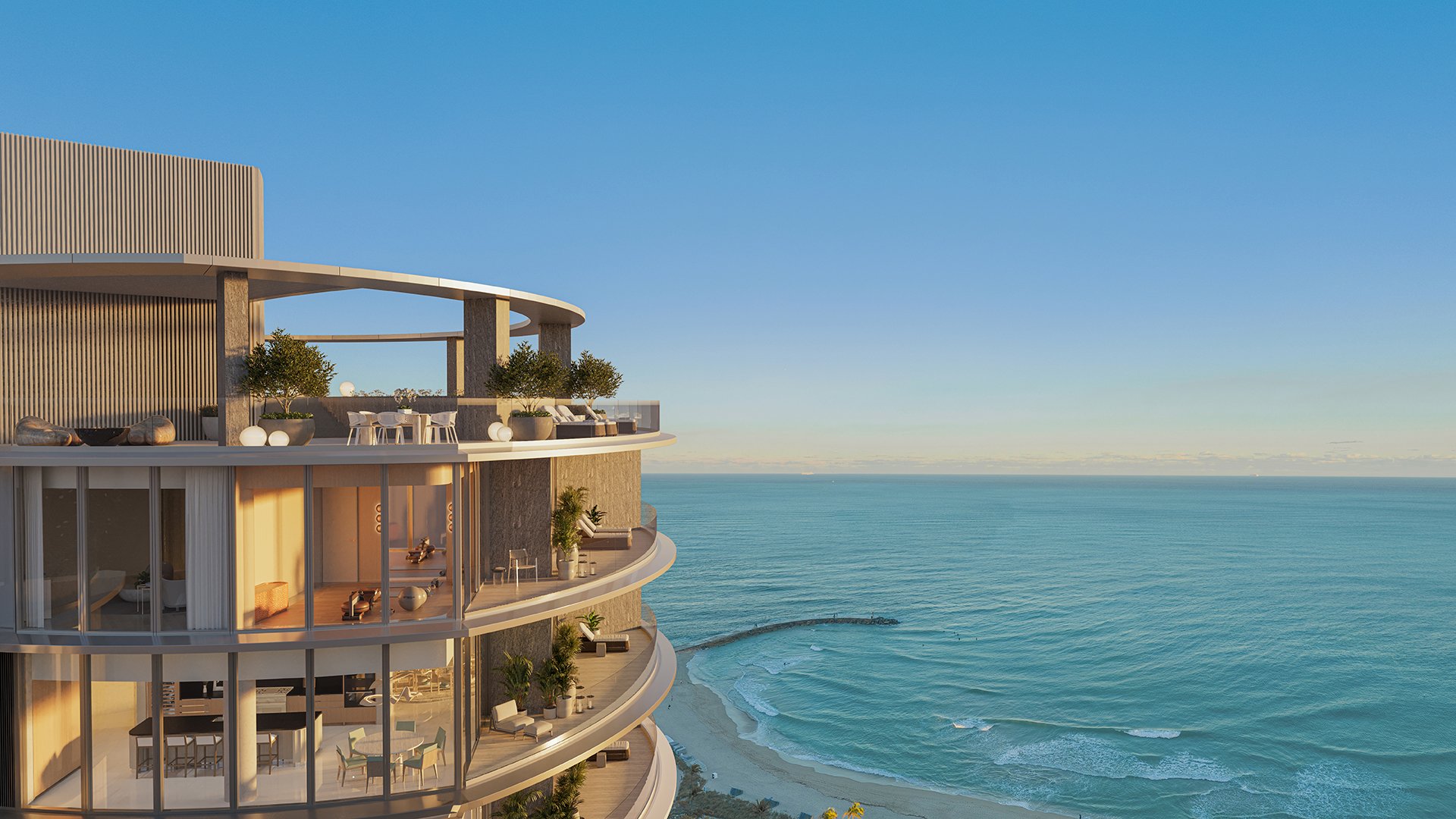
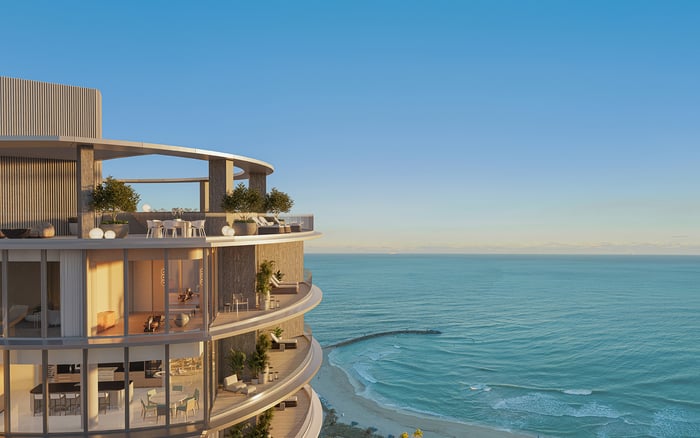
In Bal Harbour, a view is never just a view. It is privacy, orientation, light, atmosphere, and often a meaningful part of the price a buyer is willing to pay. A residence may appear to offer a serene band of ocean, a long bay perspective, or a protected-feeling outlook over palms and water. The buyer’s real task is to understand which parts of that experience are inherent to the home and which depend on conditions outside the condominium’s control.
That is view-corridor risk: the possibility that a cherished sightline may be narrowed, interrupted, reframed, or visually changed by future construction, renovations, landscaping, exterior lighting, or changes on nearby parcels. The sophisticated approach is not to avoid view risk entirely. In coastal luxury markets, that is rarely realistic. The goal is to price it, document it, and decide whether the residence still works if the outlook evolves.
Begin with precision. Ask the seller’s team to describe the view in plain terms, then separate marketing language from measurable conditions. Is the primary value direct ocean exposure, a side water glimpse, height above surrounding roofs, privacy from neighboring towers, or the quality of morning and evening light? A buyer looking at Rivage Bal Harbour, for example, should think beyond a postcard frame and ask how the unit’s orientation, terrace depth, and room layout make the view part of daily living.
The question is not simply, “Will anything block this?” A better question is, “Which parcels, rights, approvals, building elements, or natural conditions could change what I see from the rooms I care about most?” That invites a more useful discussion with your broker, attorney, architect, and survey or zoning consultant.
Walk the residence with a phone, floor plan, and a calm eye. Stand in the primary bedroom, main living area, kitchen, terrace seating zone, bathtub if relevant, and any home office position. Photograph each sightline at eye level, not from a flattering corner nobody uses. A view that looks expansive from the terrace edge may feel narrower from the sofa.
Ask for a sightline analysis when appropriate. If the purchase is significant and the premium is tied to outlook, a visual study can help clarify which portions of the view may be vulnerable. This is especially important for high floors, where the assumption is often that elevation solves everything. Height can help, but it does not eliminate exposure to future massing, rooftop equipment, neighboring tower profiles, or changes in lighting and reflectivity.
For buyers comparing Bal Harbour with nearby Surfside, projects such as The Delmore Surfside or Arte Surfside can be useful reference points for how architecture, spacing, and frontage influence the emotional quality of a view. The lesson is not that one location is safer than another. It is that every outlook has a geometry.
Interiors can be redesigned. Neighboring land is less forgiving. Before falling in love with marble, millwork, and lighting, ask what sits in front of, beside, and behind the residence. Is the adjacent property improved, underused, newly renovated, aging, or potentially repositioned? Are there low-rise structures that contribute to the current openness? Are there existing rooftops, mechanical screens, or amenity decks that could become more visible from certain rooms?
In Bal Harbour, waterfront ownership often commands an emotional premium, but the strongest buyers still underwrite the surrounding context. Ask your team to identify parcels that matter to the view and to explain what could reasonably occur under applicable rules and private restrictions. Do not rely on casual statements such as “nothing can be built there” unless the statement is backed by documents and professional review.
A building may control its own common areas, façade standards, landscaping, and certain operational choices, but it usually cannot control every neighboring decision. Ask the association or project team about planned exterior work, amenity renovations, balcony rules, window treatments, terrace planting policies, lighting standards, and any known building envelope changes. These details matter because view is also about foreground.
A palm canopy can soften a lower-floor outlook. A bright amenity deck can alter evening ambience. A neighboring façade can affect privacy even if it does not technically block the water. Waterview value is therefore not only a question of how much blue is visible. It is also about what frames that blue.
The cleanest underwriting exercise is to imagine three versions of the residence. First, the view as presented today. Second, the view with partial interruption. Third, the residence with the view no longer serving as the principal reason to own it. Would you still want the plan, building, services, location, privacy, and finish quality? If the answer is no, the view premium deserves sharper negotiation.
This is where comparing other coastal and bayfront properties can help. A buyer may look at Bal Harbour alongside Bay Harbor Islands options such as La Maré Bay Harbor Islands, where the relationship between water, neighboring islands, and lower-scale surroundings creates a different kind of view calculus. The point is not to substitute one market for another, but to understand how much you are paying for certainty versus romance.
If the view is material to your offer, treat it as material in the paper trail. Ask that relevant representations, disclosures, renderings, view images, and assumptions be reviewed by counsel before deposits become less flexible. If a sales presentation suggests a particular outlook, preserve the materials. If a broker explains that a neighboring parcel is unlikely to change, ask what supports that view.
In new development, ask whether renderings are illustrative, whether view lines vary by floor and stack, and whether the model residence or sales gallery perspective matches the actual home being purchased. In resale, ask for current photographs from the exact unit, not merely similar-line images. If possible, visit at more than one time of day.
Some buyers want the widest possible ocean exposure and will accept little uncertainty. Others prioritize building pedigree, service, privacy, and walkability, while accepting that a view may mature over time. Neither position is wrong. The mistake is paying for certainty while buying probability.
A residence such as Oceana Bal Harbour may appeal to buyers who place high value on established oceanfront presence, while a buyer drawn to new design may evaluate how a future-facing project frames light, terraces, and arrival. In either case, the essential discipline is the same: define the view, identify what can change, price the uncertainty, and avoid vague assurances.
What is view-corridor risk in Bal Harbour real estate? It is the risk that a residence’s current sightline may change because of future construction, exterior changes, landscaping, lighting, or neighboring property activity.
Should I avoid a unit if there is any view risk? Not necessarily. The key is to understand the risk, decide whether the home still works without the perfect view, and reflect that uncertainty in the price.
Are higher floors always safer for views? Higher floors can improve perspective, but they do not eliminate every risk. Neighboring massing, rooftops, reflectivity, and future development context can still matter.
What documents should I ask to review? Ask your advisor and attorney about surveys, condominium documents, sales materials, disclosures, renderings, site plans, and any materials relevant to neighboring parcels.
Can a seller guarantee my view will remain unchanged? In most luxury transactions, broad verbal comfort is not the same as a guarantee. Any material representation should be reviewed in writing by counsel.
How many times should I visit before making an offer? If the view drives value, visit at different times when possible. Daylight, dusk, glare, privacy, and interior lighting can each change the experience.
Do renderings accurately show future views? Renderings can be useful but should be treated as illustrative unless specifically verified. Ask how the image relates to the exact floor, line, and orientation.
Is a partial water view worth paying for? It can be, if the home’s plan, privacy, building quality, and lifestyle justify the premium. The danger is pricing a partial view as though it were protected.
Who should help evaluate view risk? A strong broker, real estate attorney, architect, and zoning or land-use professional can each contribute a different perspective before you commit.
What is the simplest rule for buyers? Buy the residence you would still be proud to own if the view changes, then negotiate as though the view is a premium asset that requires proof.
For a tailored shortlist and next-step guidance, connect with MILLION.
If branded residences are on your mind — as a home or as an allocation — we would be glad to share what we are seeing, privately.
Begin a quiet conversation