A practical buyer’s guide to evaluating elevator redundancy in Midtown Miami luxury real estate, from daily convenience and private access to maintenance, power planning, service protocols, and resale confidence.
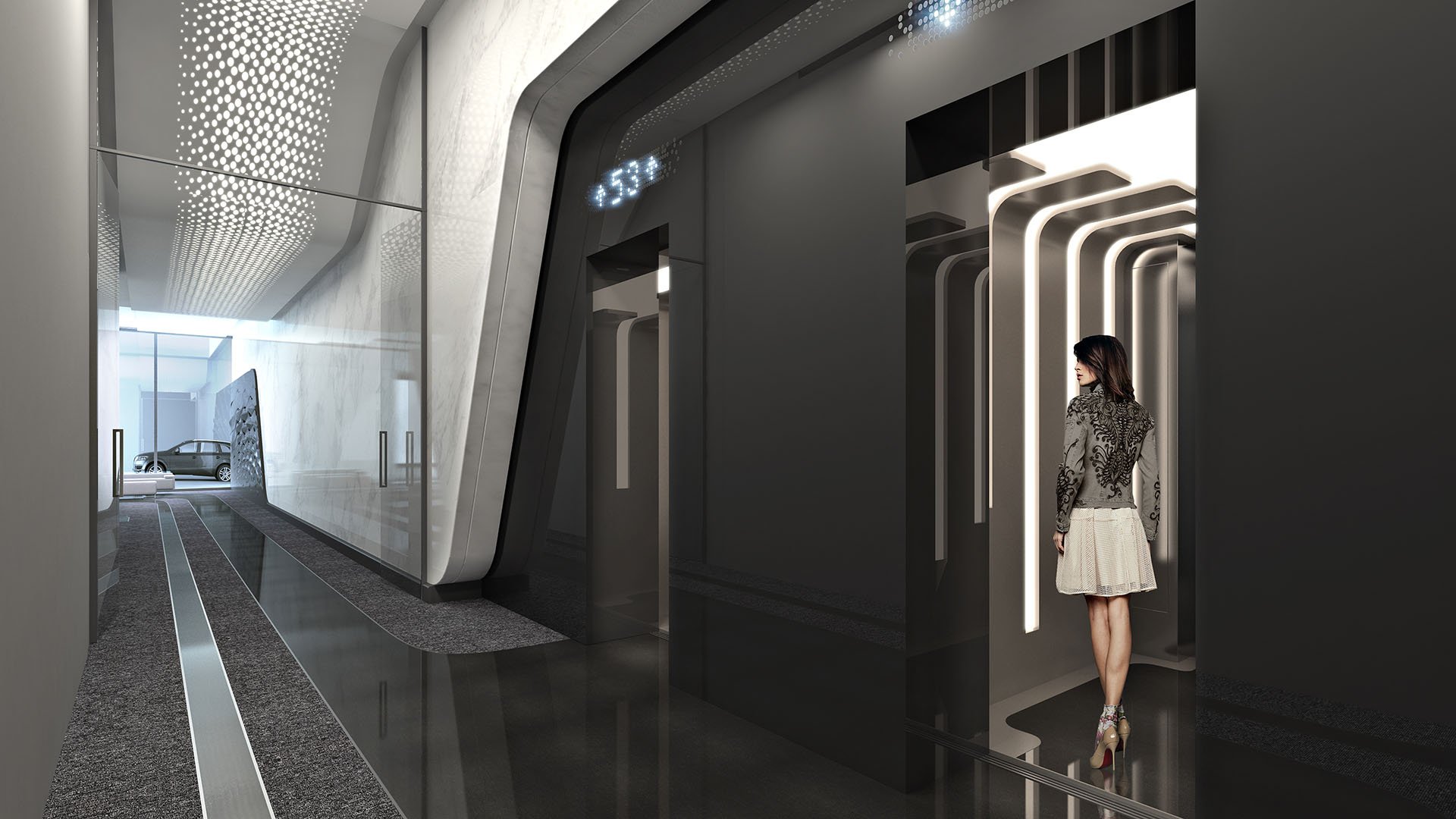
In Midtown Miami, buyers often arrive at a sales gallery already fluent in views, finishes, parking, wellness rooms, and private terraces. Elevator redundancy is quieter. It is rarely the emotional opening note of a luxury residence, yet it can shape the lived experience every morning, every dinner reservation, every airport departure, and every service appointment.
For a primary residence, second home, or pied-à-terre, the question is not simply whether the building has elevators. The sharper question is how the vertical transportation plan performs when life is imperfect. One cab is reserved. Another is under maintenance. A move-in is scheduled. A resident is hosting. A package room is busy. In a high-touch building, the elevator system should remain composed even when demand is layered.
This is one of those Buyer's Guides topics where discretion matters. A polished lobby can obscure operational pressure. Before buying near the Design District, Wynwood, Edgewater, or the commercial heart of Midtown, ask for the practical story behind the elevator bank. Luxury is not only arrival. It is continuity.
Begin with the simplest question: how many elevators serve the residential floors, and are they all available to residents in ordinary daily use? Then separate the answer by function. Ask whether there is a service elevator, whether any elevator connects directly to parking, whether amenities require a transfer, and whether penthouse or upper-floor residences have different access patterns.
The next question is redundancy. If one elevator is out of service, how does the building maintain resident access, staff movement, deliveries, and emergency accommodation? Ask the sales team or association representative to explain the operating plan in plain English. A confident answer should not rely on vague assurances. It should describe routing, staffing, communication, and maintenance response.
For buyers considering Miami Design Residences Midtown Miami, the conversation belongs alongside floor plan selection, parking, exposure, and amenity access. The same principle applies when comparing Midtown with nearby EDITION Edgewater, where vertical movement may be part of a broader lifestyle comparison between neighborhoods, waterfront access, and daily commuting habits.
Elevator redundancy is not only an engineering subject. It is a hospitality subject. Ask who manages preventive maintenance, how routine service is scheduled, and how residents are notified when an elevator is taken offline. A building can have elegant hardware and still frustrate residents if communication is casual.
Request clarity on move-in and move-out procedures. In a luxury building, service circulation should protect the resident experience. Ask whether furniture deliveries, art installation, catering, housekeeping teams, and contractors use dedicated service routes. If a single path must handle too many tasks, the building’s rhythm can feel less refined than the brochure suggests.
Also ask how reservations are handled. Can residents reserve service elevator time? Are there blackout periods? Is there a deposit or building staff requirement? How is damage prevention managed? These questions are not adversarial. They show that the buyer understands the difference between a beautiful residence and a well-run vertical community.
In new-construction purchases, ask when the elevator system will be fully commissioned, how turnover periods are handled, and what resident access looks like during initial move-ins. Early occupancy can be elegant, but it requires disciplined operations.
South Florida buyers should ask direct questions about backup power, elevator recall, and building procedures during severe weather or power interruption. Avoid assuming that every elevator, every floor, and every service function is treated the same way. The practical question is simple: if ordinary power is interrupted, what vertical access remains, who controls it, and how is resident communication handled?
High-floor buyers should be especially precise. A spectacular view can be worth the ascent, but the residence should still make sense during temporary service events. Ask whether backup systems support at least one elevator, whether staff are trained on resident movement during disruptions, and how accessibility needs are accommodated.
If you are comparing Midtown with Brickell, include vertical transportation as part of the neighborhood comparison. A buyer looking at 888 Brickell by Dolce & Gabbana or 2200 Brickell may evaluate very different patterns of arrival, traffic, parking, valet use, and daily elevator demand. The best choice is not always the tallest, newest, or most recognizable address. It is the building whose operations match the way you live.
A future buyer will ask the same questions you ask now, especially if the residence is on a high floor, has private foyer access, or depends on a particular arrival sequence. Elevator redundancy can therefore become part of the long-term desirability of a home. It may not appear in the headline description, but it influences perception during tours and inspections.
Ask for association documents when available. Review rules concerning elevator reservations, service access, deliveries, contractor hours, and maintenance notices. If the building is complete, speak with management about actual operating practices. If it is pre-completion, request the most current operational description available and avoid relying only on renderings or amenity language.
Downtown Miami buyers should take the same approach. At Waldorf Astoria Residences Downtown Miami, as with any vertical luxury residence, the details of access, security, and service circulation are part of the ownership equation. The architecture may create the first impression. Operations preserve it.
Before making an offer or signing a contract, ask for a clear explanation of the elevator count, elevator types, and access patterns. Confirm which elevators serve residential floors, parking, amenities, service areas, and any private lobbies. Ask what happens when one elevator is offline and whether the building has a written plan for maintenance or unexpected outages.
Then move from hardware to people. Who schedules service? Who communicates with residents? Who manages move-ins? Who controls access during high-demand periods? How are guests, staff, vendors, and deliveries routed? In a luxury building, the best systems combine physical redundancy with managerial judgment.
Finally, test the answer against your own life. If you travel frequently, ask about luggage movement and airport departure timing. If you entertain, ask about guest access. If you collect art or design furniture, ask about service elevator dimensions and reservation protocol without assuming anything. If you expect privacy, ask how elevator access is controlled and whether private foyer arrangements are truly private in daily operation.
Elevator redundancy is not a glamorous question, which is precisely why it matters. It separates the merely photogenic from the quietly excellent.
What does elevator redundancy mean in a luxury condo? It refers to the building’s ability to maintain vertical access when one elevator is unavailable or reserved. Buyers should ask how residents, staff, deliveries, and guests are accommodated.
Should I ask about elevator redundancy before signing a contract? Yes. It is easier to evaluate access, service circulation, and maintenance procedures before committing than after closing.
Is elevator count the only important factor? No. The way elevators are assigned, managed, serviced, and reserved can be just as important as the number of cabs.
Why does this matter more on high floors? High-floor residents depend more heavily on consistent elevator access. Any service interruption can have a larger impact on daily convenience.
What should I ask about service elevators? Ask whether deliveries, contractors, housekeeping, catering, and move-ins use a dedicated service route. Also ask how reservations and protective procedures are managed.
How does backup power relate to elevators? Buyers should ask what elevator access remains during a power interruption and how the building communicates procedures to residents.
Should elevator questions differ for new construction? Yes. Ask how elevator commissioning, early move-ins, and initial building operations will be handled during the transition to full occupancy.
Can elevator operations affect resale? They can influence buyer perception, especially in high-floor residences or buildings where privacy, service access, and arrival sequence matter.
What documents should I review? Review association rules, service policies, move-in procedures, and any available maintenance or operating protocols related to elevator use.
Is this relevant outside Midtown Miami? Yes. The same due diligence applies in Edgewater, Brickell, Downtown Miami, and other vertical luxury markets.
For a confidential assessment and a building-by-building shortlist, connect with MILLION.
If branded residences are on your mind — as a home or as an allocation — we would be glad to share what we are seeing, privately.
Begin a quiet conversation