A practical luxury buyer’s guide to evaluating lock-and-leave ownership in Midtown Miami, from building operations and maintenance discipline to privacy, rentals, carrying costs, and resale flexibility.

For many luxury buyers, Midtown Miami promises a more fluid South Florida life: arrive with little friction, leave without anxiety, and return to a residence that feels composed rather than interrupted. That is the essence of lock-and-leave ownership. Yet the phrase can be misleading when it is treated as a marketing mood rather than a practical ownership standard.
A true lock-and-leave residence is not defined only by a doorman, a gym, or a polished lobby. It is defined by what happens when the owner is away. Who notices a leak? How are deliveries secured? What is the protocol before a storm? Can vendors enter with appropriate authorization? Does the association communicate clearly, and does the building have the staffing culture to meet the expectations of a seasonal or frequent-travel owner?
In Midtown Miami, the answer requires a layered review because the neighborhood sits within a broader lifestyle corridor that includes the Design District, Wynwood, and Edgewater. A buyer comparing Midtown inventory with Miami Design Residences Midtown Miami should think beyond finishes and views. The better question is whether the building can quietly support the rhythm of ownership when the owner is not physically present.
The most important lock-and-leave feature is not always visible during a showing. It is the building’s operating culture. A well-run condominium should feel calm, procedural, and consistent. Staff should understand guest access, vendor access, package handling, key control, elevator reservations, and after-hours escalation without improvisation.
Ask how the building manages owner absences. Some buyers need a simple second-home base. Others need a high-touch residence that can accommodate frequent travel, family members arriving separately, or private vendors coordinating housekeeping, wardrobe care, vehicle service, and plant maintenance. The more complex the lifestyle, the more important it becomes to evaluate management as part of the real estate itself.
This is where Lifestyle and Investment considerations begin to overlap. A residence that is easy to leave is also easier to hold, easier to share with family, and often easier to position for future resale. Convenience is not merely a comfort attribute. In a premium urban market, it is part of the asset’s functional value.
Before purchasing, review the condominium documents with the same attention you would give to the view line or kitchen specification. Lock-and-leave buyers should pay particular attention to rental rules, guest policies, pet policies, move-in procedures, vendor access, insurance obligations, alteration rules, and any limits on short-term or seasonal use.
Rules are not inherently negative. In a luxury building, they often protect privacy, security, and the resident experience. The issue is compatibility. A buyer who expects friends and extended family to use the residence while away needs a building whose guest procedures can support that lifestyle. A buyer who wants occasional rental flexibility needs to understand whether the association allows it, restricts it, or prohibits it.
For a second-home owner, friction usually appears in small details. Can a housekeeper enter when the owner is abroad? Can a refrigerator repair be handled with remote approval? Are there blackout periods for moves or deliveries? Can the front desk release keys to an approved vendor? These are not minor questions. They determine whether ownership feels effortless or administratively heavy.
A lock-and-leave purchase should be assessed through the lens of prevention. The owner is not always there to notice humidity, plumbing, air-conditioning performance, window seals, appliance issues, or electrical irregularities. The residence should be easy to monitor, easy to service, and easy to protect.
During due diligence, ask which building systems are monitored by management and which remain the owner’s responsibility. Clarify how water events are handled, how quickly staff can reach an owner, and what protocols exist when urgent access is needed. If the residence is delivered as move-in ready, confirm which warranties, manuals, service contacts, and maintenance expectations transfer with the purchase.
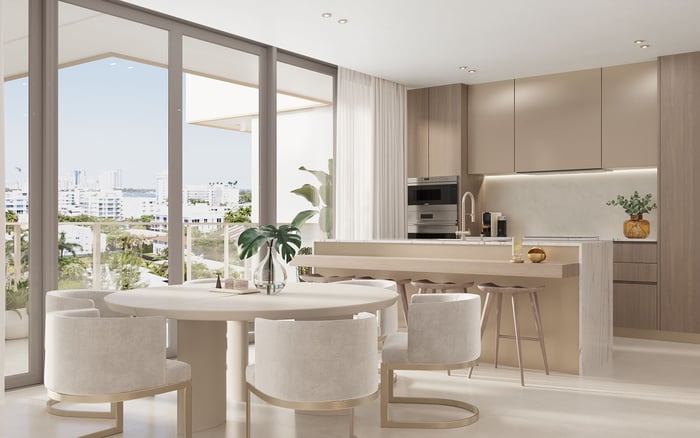
Interior choices matter as well. Highly customized finishes may be beautiful, but they can complicate repairs if replacement materials are difficult to obtain. Automated shades, integrated lighting, smart climate control, and specialty appliances can elevate daily life, but they also require reliable service support. The best lock-and-leave interiors are refined without becoming fragile.
Midtown Miami’s appeal is inseparable from its neighboring districts. The Design District brings a design-forward sensibility. Wynwood brings cultural energy. Edgewater offers a more bay-oriented residential posture. Buyers should use these adjacent markets as reference points rather than distractions.
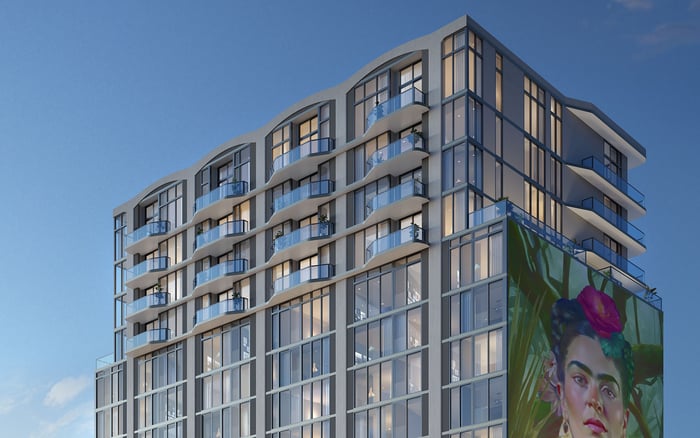
For example, a buyer considering Midtown may also look toward Kempinski Residences Miami Design District if design adjacency and a branded residential atmosphere are priorities. Another buyer may study Frida Kahlo Wynwood Residences when cultural proximity is part of the lifestyle brief. Along the waterfront edge of the corridor, EDITION Edgewater may appeal to those weighing a more service-oriented urban residential experience.
The point is not that one neighborhood is universally better. Lock-and-leave ownership depends on how the buyer actually moves through Miami. If restaurants, galleries, design showrooms, and airport access matter more than beachfront ritual, Midtown can feel exceptionally practical. If water views or resort pacing are central, another submarket may better support the ownership rhythm.
The arrival experience is central to lock-and-leave ownership. Buyers should evaluate how it feels to arrive late, leave early, host guests, receive deliveries, and manage vehicles. Parking should be understood not only as an assigned space or valet service, but as a daily-use system. Consider guest parking, electric vehicle policies, bicycle storage, rideshare access, loading zones, and the ease of moving luggage from car to residence.
Privacy also begins at arrival. A discreet entrance sequence, a well-managed lobby, and clear guest protocols can materially improve the experience of owning in an urban neighborhood. Buyers who travel often should ask how the building handles mail accumulation, packages, dry cleaning, and perishable deliveries. A beautiful residence can lose its sense of ease if every return begins with unresolved logistics.
Lock-and-leave ownership often carries costs that are worth paying, but they should be understood clearly. Association dues, insurance, reserves, maintenance, valet or parking charges, technology subscriptions, housekeeping, and private management can all affect the true annual cost of ownership. The right question is not simply whether the carrying cost is high or low. It is whether the cost buys reliability.
A lower monthly expense can be less attractive if the owner must personally coordinate every issue from afar. Conversely, a higher-service building may justify its cost if it reduces risk, preserves the residence, and protects the owner’s time. For buyers focused on luxury urban ownership, this distinction is essential: value is not only price per square foot. It is the quality of the ownership experience.
Even if the plan is long-term ownership, lock-and-leave fundamentals can influence future marketability. A residence that is secure, easy to maintain, practical to access, and aligned with the neighborhood’s lifestyle will generally speak to a broader buyer pool. Floor plan efficiency, storage, parking, outdoor space, natural light, and building reputation all matter, but so does the intangible sense that ownership will be simple.
Avoid buying purely for a dramatic first impression. Instead, imagine the residence after six months of travel, one storm season, several guest visits, and a few maintenance requests. If the home still feels calm in that scenario, it is closer to true lock-and-leave quality.
What does lock-and-leave ownership mean in Midtown Miami? It means owning a residence that can be securely left for periods of time with manageable maintenance, access, and communication procedures.
Is a lock-and-leave condo only for seasonal buyers? No. It also suits frequent travelers, executives, international owners, and buyers who want a low-friction Miami base.
What should I review first before purchasing? Start with condominium rules, building management practices, insurance obligations, and vendor access procedures.
Are amenities enough to determine lock-and-leave quality? No. Amenities matter, but operating discipline, staffing, maintenance protocols, and security are more important.
Why compare Midtown with the Design District and Edgewater? These nearby areas help buyers understand whether their preferred lifestyle is more design-driven, cultural, waterfront, or urban-core oriented.
Should rental flexibility matter if I do not plan to rent? Yes. Rental rules can affect future flexibility, resale appeal, and how family or guests may use the residence.
How important is parking for lock-and-leave ownership? Very important. Arrival, luggage handling, guest access, and vehicle storage shape the daily ease of ownership.
Can smart-home features improve lock-and-leave living? Yes, if they are reliable and supported by qualified service providers. Complex technology without support can create friction.
What is the biggest mistake buyers make? Many focus on finishes before understanding how the building operates when the owner is away.
What is the best way to shortlist comparable options for touring? Start with location fit, delivery status, and daily lifestyle priorities, then compare stacks and elevations to validate views and privacy.
If you'd like a private walkthrough and a curated shortlist, connect with MILLION.
If branded residences are on your mind — as a home or as an allocation — we would be glad to share what we are seeing, privately.
Begin a quiet conversation