A practical, discreet guide for evaluating wind comfort, balcony usability, glazing performance, and high-floor livability before buying a luxury residence in Bay Harbor Islands.
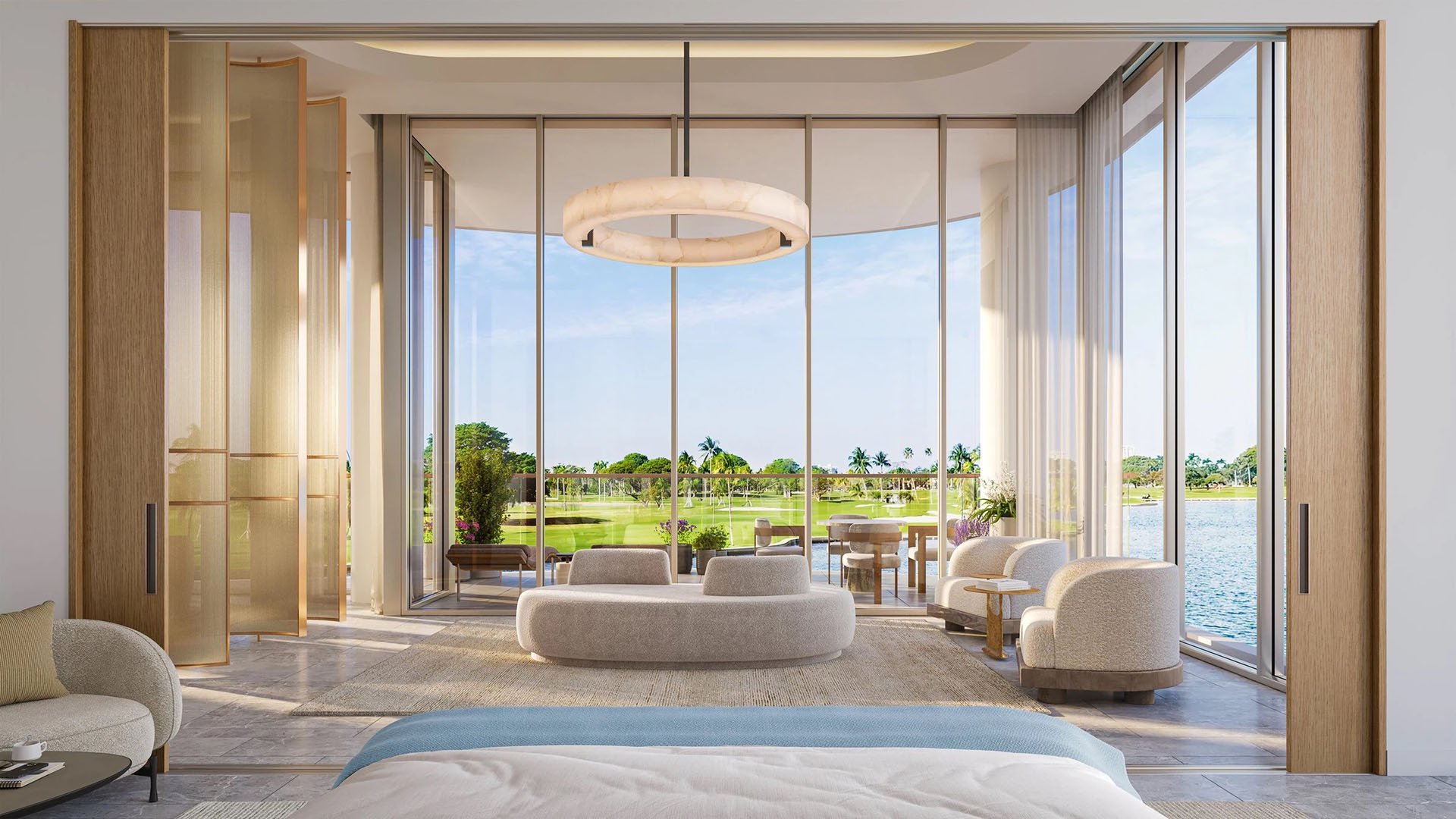
A high-floor residence in Bay Harbor Islands is often purchased for light, privacy, and the cinematic quality of water and skyline views. Yet the same elevation that creates drama can also change how air moves across a terrace, around balcony edges, through sliding doors, and along shared corridors. Wind behavior is not only a storm-season topic. It is a daily comfort question, and for a refined buyer, it belongs beside ceiling heights, parking, service standards, and view protection.
This guide is for Bay Harbor clients evaluating high floors, balcony livability, waterfront exposure, and waterview calm. The goal is not to make wind feel intimidating. It is to make it legible. In a market where residences such as Alana Bay Harbor Islands and Bay Harbor Towers sit within a highly design-conscious island setting, the best buyers ask specific questions early, then verify the answers before emotion overtakes discipline.
Luxury buyers often focus on structural assurance, which matters, but daily comfort is a separate conversation. A residence can be engineered to meet applicable requirements while still feeling breezy, noisy, or impractical on certain days. Ask the sales team, architect, or property representative to distinguish between code-related performance and lived experience.
Useful questions include: How does the terrace feel during typical afternoon breezes? Are certain balcony corners more turbulent than others? Do sliding doors create pressure changes when opened? Does the primary bedroom face a calmer exposure than the entertaining terrace? Has the building team observed whistling, rattling, or pressure at any façade elements in comparable conditions?
The answers should be concrete. A polished response is less valuable than a practical one. You are looking for evidence that the team understands how the specific stack, orientation, railings, glazing, and balcony geometry work together.
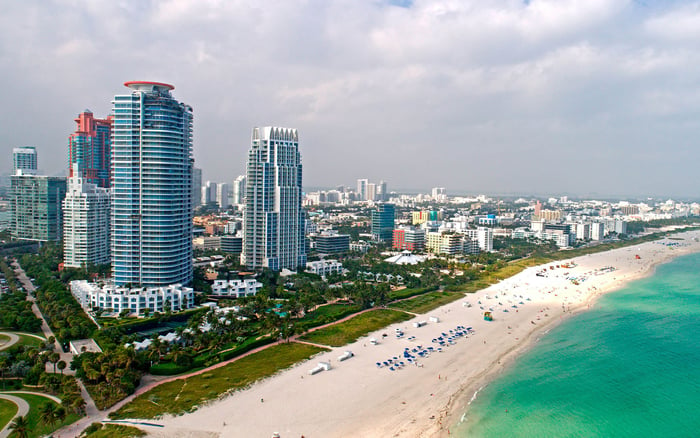
In Bay Harbor Islands, two residences on the same floor can feel materially different depending on orientation, surrounding buildings, balcony depth, and the way open water or neighboring structures channel air. A view that feels open and magnificent may also expose the terrace to more movement. A more sheltered outlook may deliver quieter outdoor dining, even if the panorama is less sweeping.
When comparing homes such as La Baia North Bay Harbor Islands and Onda Bay Harbor, evaluate the residence by stack and exposure, not only by floor level. If possible, visit more than once and at different times of day. Notice whether the air feels smooth and cooling, or gusty and distracting. The most elegant terrace is the one you will actually use.
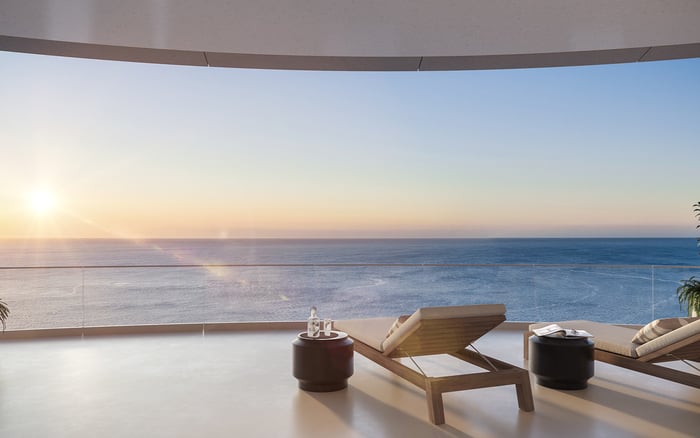
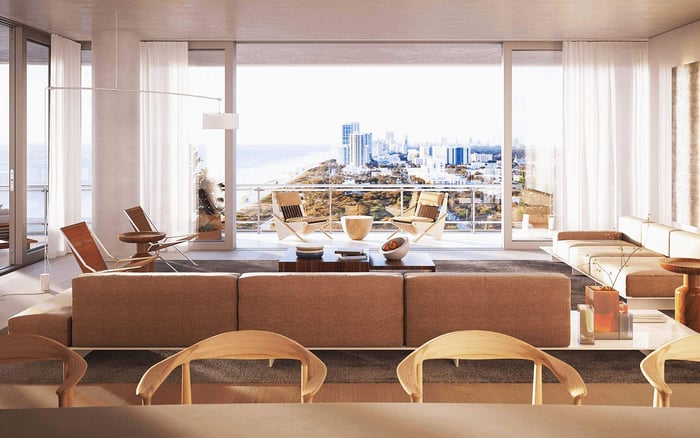
For many luxury buyers, the terrace functions as part of the living room. It is where coffee, reading, cocktails, and quiet dinners are meant to happen. That means the balcony should be evaluated like an interior space, with attention to sound, furniture placement, door operation, shade, and privacy.
Ask whether the terrace can comfortably hold the furniture layout you imagine without placing chairs in the windiest zones. Consider whether glass railings, solid parapets, side walls, or overhangs affect comfort. Observe whether lightweight objects move easily. Ask if outdoor kitchens, planters, umbrellas, or screens are permitted, and whether any of those additions carry wind-related restrictions.
A high-floor balcony should not be judged during a five-minute tour with the doors closed. Stand outside. Speak at a normal volume. Open and close the doors. Imagine a long dinner rather than a quick photograph.
Wind behavior is often felt through the envelope of the residence: the glass, door systems, seals, frames, and transitions between indoors and out. Ask what type of door operation is used and how it performs under pressure. Large sliders can be beautiful, but buyers should understand whether they are easy to operate and whether seals remain quiet in breezy conditions.
Listen for whistling or vibration. Ask whether any adjustments have been made to doors or windows in similar residences. Inquire how maintenance is handled if a seal needs attention after closing. If the residence is pre-completion, request the most specific available information on façade systems and balcony details, while recognizing that mock-ups and completed units are more informative than renderings.
Residences such as Origin Bay Harbor Islands may appeal to buyers seeking a tailored island lifestyle, but the same principle applies across the luxury spectrum: the quality of a high-floor home is revealed in details you hear, touch, and use.
Private life in a high-floor residence extends beyond the unit. Wind can influence the sensation of elevator lobbies, open-air corridors, amenity decks, pool areas, porte-cochère arrivals, and rooftop spaces. Ask whether common areas are enclosed, partially open, or exposed. If the building has elevated amenities, ask how those spaces are intended to perform on breezier days.
Also ask about operations. Are furniture cushions secured or stored? Are doors to shared spaces difficult to manage in certain conditions? Are residents given guidance before heavy weather? These questions are not about alarm. They are about stewardship. A well-run luxury building should make its weather protocols feel calm, orderly, and almost invisible.
Before committing, ask for the documents that speak to practical use. Review condominium rules, balcony restrictions, alteration policies, maintenance responsibilities, and any design guidelines for outdoor furnishings. If available, ask whether prior owners or residents have raised concerns about wind-related noise, door adjustments, balcony use, or terrace furnishings.
For resale, speak with the building manager if permitted. For new development, ask the sales team to explain how questions are handled after delivery. If a high-floor premium is embedded in the price, the buyer should understand not only the view premium, but also the comfort profile that comes with that elevation.
A sophisticated buyer does not need to become an engineer. The better approach is to bring the right specialists into the process when questions arise. A seasoned inspector, architect, contractor, or building-envelope consultant can help interpret what you are seeing and hearing. Their role is not to redesign the residence. It is to identify whether a perceived issue is ordinary, adjustable, or worth deeper review.
For a primary home, second residence, or long-term hold, this can be one of the most useful small investments in the acquisition process. Wind comfort is subjective, but observable. The buyer who documents impressions, asks practical questions, and revisits the residence under different conditions will make a more confident decision.
The finest high-floor purchase is not the one with the highest elevation at any cost. It is the one where view, privacy, light, acoustics, terrace usability, and service work together. Bay Harbor Islands rewards that kind of nuance. It offers the appeal of a quieter island address while keeping buyers close to the broader luxury orbit of Miami Beach, Bal Harbour, and Surfside.
Before buying, ask how the residence behaves when the doors are open, when the terrace is furnished, when guests arrive, and when the weather is not perfectly still. Those answers will tell you more about daily life than any single view corridor.
Is wind behavior only a hurricane-season concern? No. The more relevant question for most buyers is everyday comfort on terraces, near doors, and in shared amenity spaces.
Should I avoid high-floor residences because of wind? Not necessarily. High-floor homes can be exceptional, but buyers should understand exposure, balcony design, and glazing performance before committing.
What should I do during a showing? Spend time on the balcony, open and close exterior doors, listen for noise, and notice whether conversation feels comfortable outside.
Does a better view always mean more wind? Not always. Exposure, neighboring buildings, terrace depth, and orientation can all shape how a residence feels.
Who can help evaluate wind comfort? A qualified inspector, architect, contractor, or building-envelope specialist can help interpret practical concerns during diligence.
Should I ask about balcony furniture rules? Yes. Outdoor furniture, planters, umbrellas, and screens may be governed by building rules or association guidelines.
Can wind affect noise inside the residence? It can. Buyers should listen for whistling, rattling, or pressure around doors, windows, and façade transitions.
Is a lower floor always calmer? Not always. A lower floor may be sheltered or exposed depending on its orientation and surrounding conditions.
What documents should I review? Review condominium rules, balcony policies, alteration guidelines, and any available maintenance history relevant to doors or glazing.
What is the most important question to ask? Ask how the residence feels on an ordinary breezy day, because that is the condition most likely to shape daily enjoyment.
For a discreet conversation and a curated building-by-building shortlist, connect with MILLION.
If branded residences are on your mind — as a home or as an allocation — we would be glad to share what we are seeing, privately.
Begin a quiet conversation