A buyer-focused guide to evaluating thermal comfort behind wellness language in South Florida luxury residences, from humidity and zoning to glass, controls, and balcony transitions.
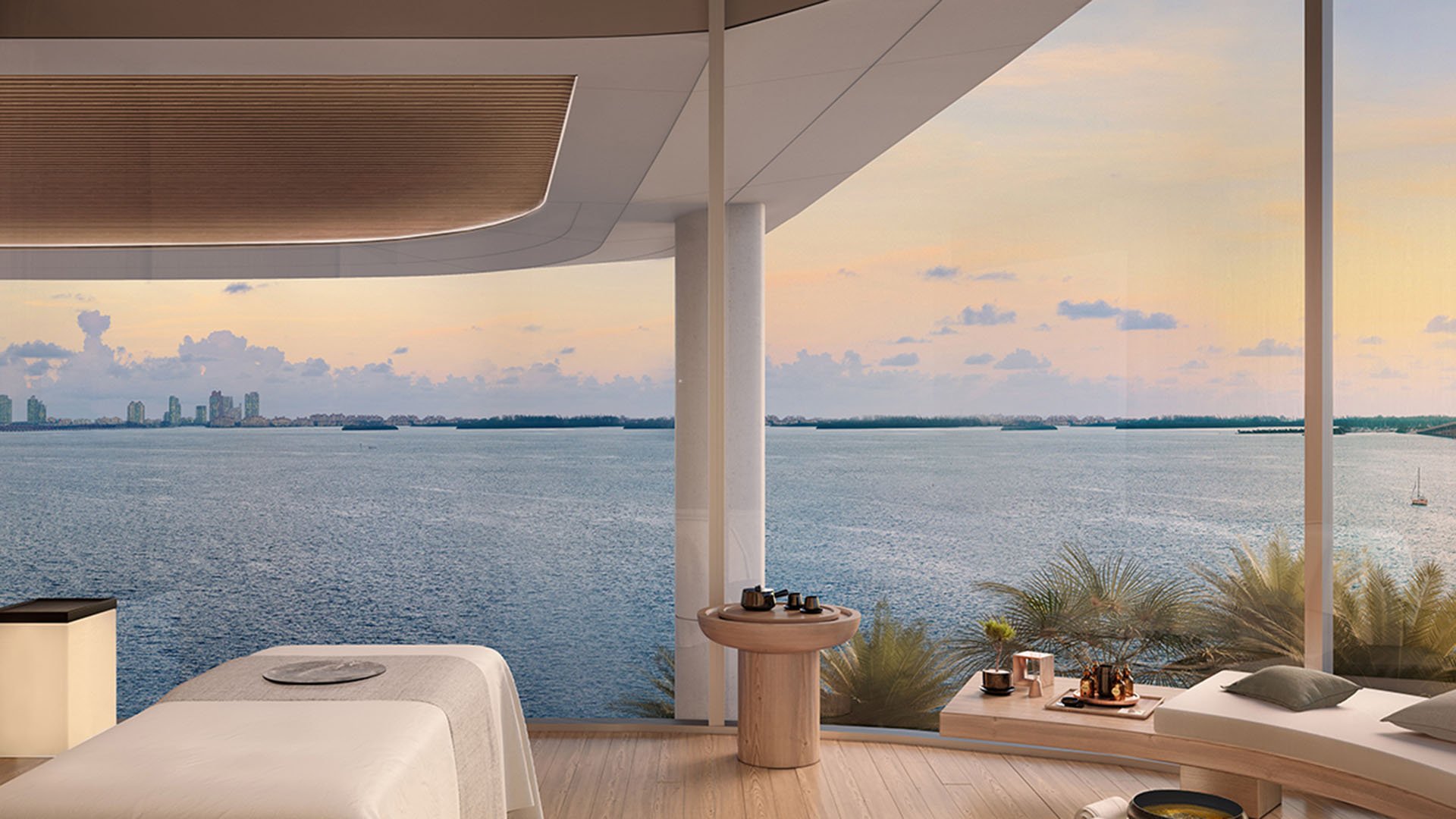
In South Florida luxury real estate, wellness often arrives dressed in marble, spa rooms, cold plunges, meditation lawns, and carefully lit amenity decks. Yet its most intimate expression is quieter. It is the way a primary suite feels at sunrise, how the living room behaves after a wall of glass has taken in afternoon light, and whether the air feels crisp or heavy when you return from dinner.
Thermal comfort is not a decorative upgrade. It is the daily atmosphere of the home. It shapes sleep, entertaining, art care, wardrobe storage, indoor-outdoor living, and the simple pleasure of being still. For an ultra-premium buyer, the sharper question is not whether a residence claims wellness. It is how the building makes comfort consistent, controllable, and discreet.
That requires looking beyond the sales language and asking for specifics. Not adversarially, but precisely. A refined residence should be able to explain its comfort strategy as elegantly as it explains its stone selection.
Begin with the definition. Ask the sales team or design representative to describe the intended comfort experience in plain language. Is the residence designed to feel cool and dry, softly tempered, highly individualized by room, or almost invisible in its conditioning? A vague answer can be revealing.
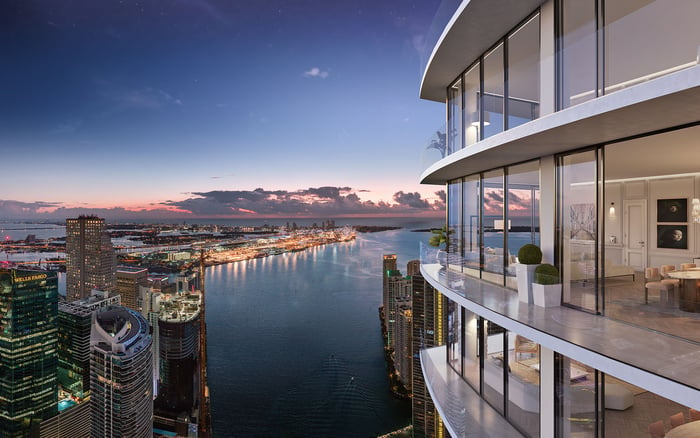
Then ask how the home responds to South Florida’s most demanding conditions: bright exposure, humidity, frequent balcony use, dinner-party occupancy, and rooms that may sit unused for part of the season. The same logic applies whether the address is Brickell, Miami Beach, Sunny Isles, an oceanfront tower, a new-construction launch, or a home where the balcony is central to the daily ritual.
The strongest conversations connect architecture and mechanical performance. Glass, overhangs, ceiling heights, air distribution, shades, doors, and controls all affect how a room feels. A spectacular view should not require a compromise in comfort.
Temperature is only one part of comfort. In South Florida, humidity often determines whether a room feels serene or unsettled. A buyer should ask how the residence manages moisture independently from cooling demand. If the only answer is that the air conditioning is powerful, keep asking.
Important questions include: how is humidity monitored, what happens during shoulder seasons, and can the residence maintain a comfortable feel without overcooling the rooms? Ask whether closets, baths, service areas, and less frequently used rooms receive adequate attention. These spaces may not be the star of a tour, but they influence how a home lives.
A refined comfort strategy is not merely cold air. It is balanced air. It should support fabrics, millwork, art, leather, bedding, and the sense of ease that distinguishes a private residence from a hotel room.
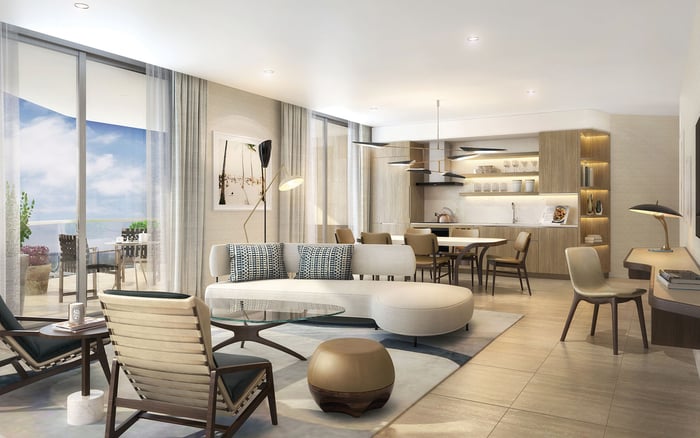
A luxury floor plan is rarely used uniformly. One person may want the primary suite cool at night, while another prefers the library warmer in the morning. Guests may occupy a wing for one weekend and leave it empty the next. Staff areas, kitchens, fitness rooms, wine storage adjacency, and media rooms can each create different comfort patterns.
Ask how many zones serve the residence, what each zone controls, and whether any major rooms share a thermostat in a way that could create conflict. Ask where sensors are located. A sensor placed for convenience rather than performance can misread the room’s real condition.
Also ask how quickly the system can recover after terrace doors have been opened. South Florida living is tactile and social. People move between terrace and interior, especially during season. Comfort should not collapse every time the home is enjoyed as designed.
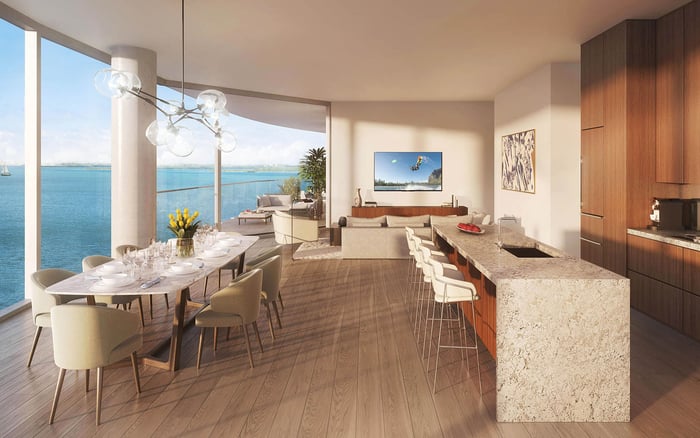
In trophy residences, glass is often the emotional centerpiece. It frames Biscayne Bay, the Atlantic, city lights, or garden canopies. But glass also changes the thermal experience. Orientation, shading, window treatments, glazing specification, ceiling height, and furniture placement all influence comfort.
Ask what has been done to reduce heat gain and glare while preserving the view. Ask whether motorized shades are integrated into the comfort strategy or treated as a separate lifestyle feature. Ask whether the sales residence or model unit reflects the actual exposure of the home you are considering.
A buyer should also stand near the glass at different times if possible. Comfort is spatial. A room may feel balanced near the entry and warmer near the window wall. In a true luxury environment, the most desirable seat in the room should still feel composed.
Fresh air is central to the wellness conversation, but delivery matters. Ask how outside air is introduced, filtered, conditioned, and balanced. Ask whether increased ventilation affects sound, humidity, energy use, or temperature stability. A system that performs well on paper but creates draft, noise, or dampness will not feel luxurious in daily life.
Noise is especially important. A quiet residence should not announce its mechanical systems. Ask to hear the home with systems running under normal conditions. Listen in bedrooms, study areas, and near supply grilles. Comfort includes acoustics, because the body reads sound as part of atmosphere.
If the residence offers advanced filtration or enhanced air quality features, ask who maintains them, how often components require replacement, and whether the homeowner receives clear operating guidance. Wellness should not depend on guesswork after closing.
The most sophisticated system can disappoint if the controls are unintuitive. Ask to see the interface. Can the owner adjust by room? Can settings be scheduled for sleep, entertaining, away periods, and arrival? Is the system integrated with shades or other home technology? What happens if the owner prefers manual simplicity?
A luxury residence should offer both nuance and ease. The goal is not another dashboard to manage, but a preferred environment that is easy to repeat. Ask whether the building team, property manager, or service provider can assist with seasonal calibration after move-in.
This is particularly important for second-home owners. A residence that sits empty should still be managed thoughtfully, and it should be ready to feel settled when the owner arrives.
During a private tour, bring thermal comfort into the conversation early. Ask which rooms are hardest to condition and why. Ask how the design team approached large entertaining spaces versus bedrooms. Ask what comfort assumptions were made for occupancy, cooking, terrace use, and peak sun.
Then observe without rushing. Are there hot spots near glass? Do some rooms feel still while others feel drafty? Does the air feel dry enough without being sharp? Are grilles visually discreet? Are thermostats located where they make sense? Does the residence feel consistent as you move from entry to living room to bedroom?
The most polished sales presentation may focus on what can be seen. The most discerning buyer also studies what can be felt.
What is thermal comfort in a luxury residence? It is the combined experience of temperature, humidity, air movement, acoustics, controls, and consistency across rooms.
Why does thermal comfort matter in South Florida? Warmth, humidity, sun exposure, and indoor-outdoor living make comfort strategy central to how a residence performs day to day.
Is a powerful air conditioning system enough? Not necessarily. Luxury comfort also depends on humidity management, zoning, air distribution, glass, shading, and controls.
What should I ask first during a sales presentation? Ask the team to describe the residence’s comfort strategy in clear, practical terms rather than broad wellness language.
How important is humidity control? It is essential. A space can meet a temperature preference and still feel heavy if moisture is not managed well.
Should every major room have its own zone? Not always, but zoning should match the way the residence will actually be used by owners, guests, and staff.
Can large glass walls affect comfort? Yes. Exposure, shading, glazing, and room layout can all influence how a glass-fronted space feels.
What role do smart controls play? They should make comfort repeatable and intuitive, not add complexity that owners avoid using.
Should I test comfort during a showing? Yes. Spend time near glass, in bedrooms, and in quieter rooms while noticing temperature, air movement, and sound.
How does this affect long-term ownership? A well-resolved comfort strategy supports daily pleasure, easier hosting, better rest, and greater confidence in the home.
If you'd like a private walkthrough and a curated shortlist, connect with MILLION.
If branded residences are on your mind — as a home or as an allocation — we would be glad to share what we are seeing, privately.
Begin a quiet conversation