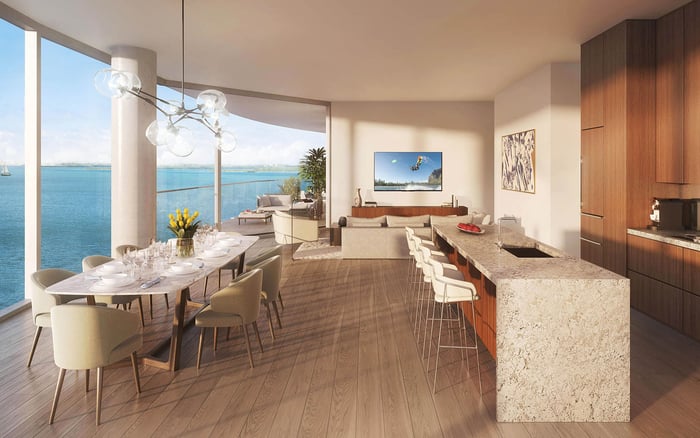
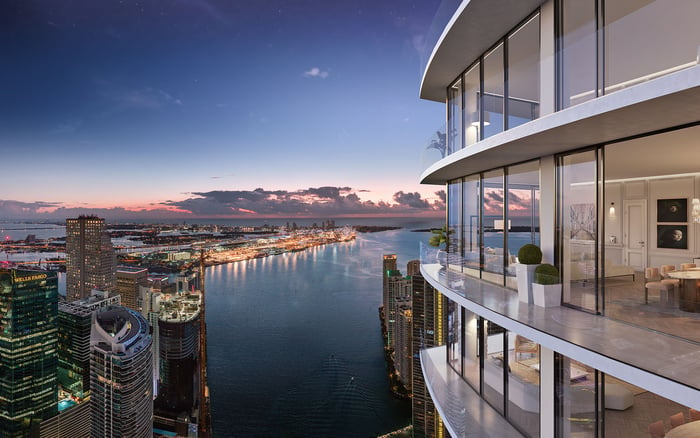
A discreet buyer’s guide to interrogating wellness claims through the lens of allergy-conscious interiors, from ventilation and filtration to finishes, humidity, and daily maintenance.
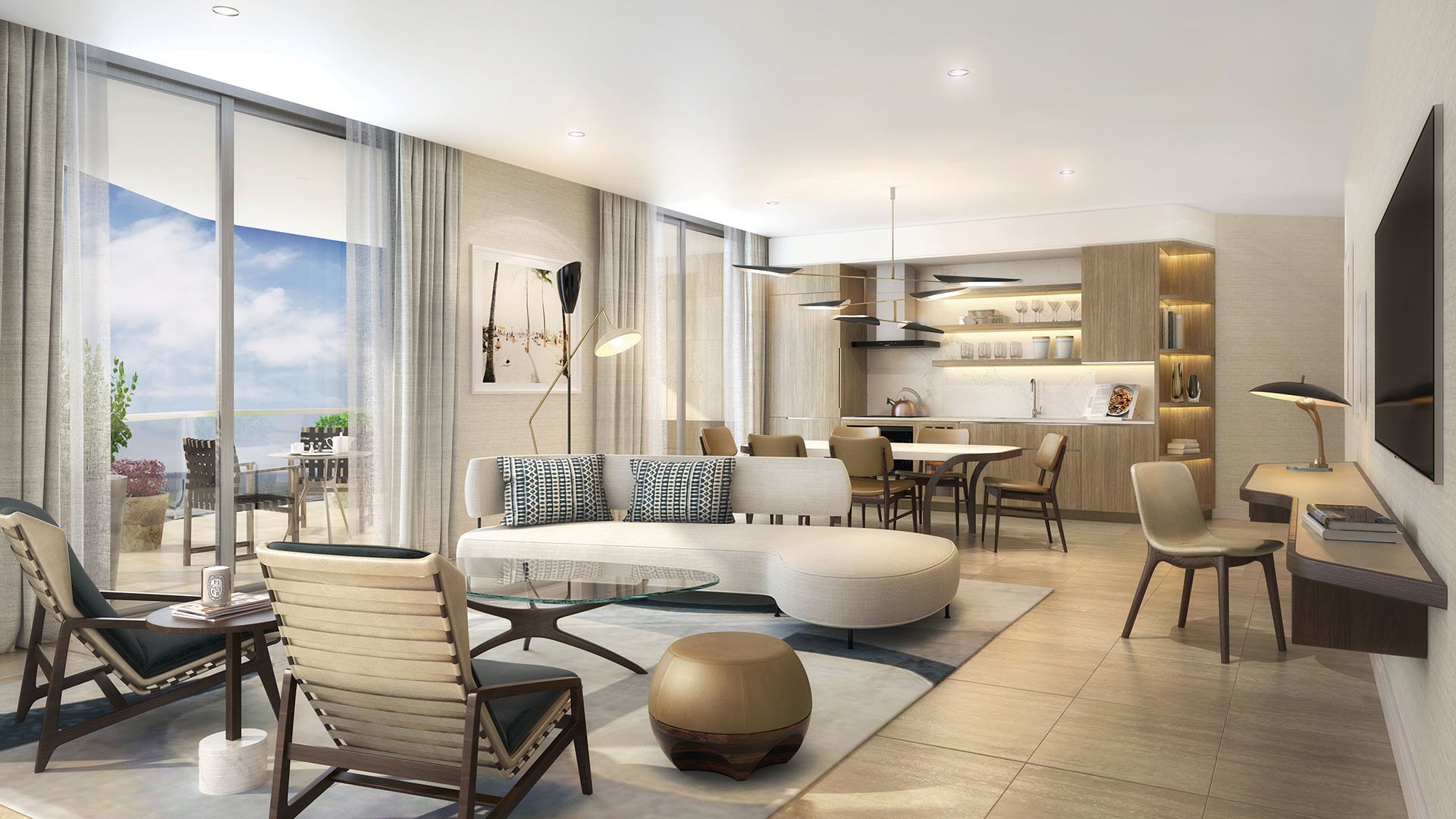
In South Florida luxury real estate, wellness has become powerful shorthand. It can imply serenity, better routines, spa-level amenities, and homes designed for recovery as much as display. Yet for buyers with allergy concerns, the word is only a starting point. A polished wellness pitch matters less than whether the residence supports cleaner daily living in practical, verifiable ways.
Allergy-conscious interiors are not defined by one feature. They come from connected choices: how air is filtered, how humidity is controlled, how materials are specified, how cleaning is handled, and how easily systems can be maintained after closing. A beautiful home can still be challenging for a sensitive owner if dust gathers in hidden details, scents are embedded in common-area routines, or ventilation is treated as an amenity rather than infrastructure.
For search and comparison, buyers may use lifestyle labels such as Miami Beach, Brickell, Sunny Isles, oceanfront, new construction, and balcony. Those labels help frame location and design preferences. They do not answer the deeper wellness questions a serious purchaser should ask.
Begin with the mechanical conversation. Ask what filtration is installed, whether it is centralized or residence-specific, and how often filters are expected to be replaced. A credible answer should address access points, maintenance responsibility, and the practical cost of keeping the system performing as presented. If the reply focuses only on fresh air, ask how intake, exhaust, and recirculation actually work.
Buyers should also ask whether the residence has zones. A bedroom, primary dressing area, office, and family room may have different sensitivities and usage patterns. Zoning can matter when a household wants quieter overnight airflow, stronger daytime circulation, or separation between cooking areas and sleeping areas.
Noise belongs in the same discussion. If the system is too loud, owners may disable or reduce it. The strongest allergy-conscious strategy is the one a household will use every day. During a walkthrough, stand in the primary suite, turn systems on, and listen. Luxury is not simply performance. It is performance without intrusion.
The most elegant interiors often appear effortless, but sensitive buyers should ask what sits behind the finish palette. Flooring, adhesives, cabinetry, paints, wall coverings, and built-ins can all affect how a new home feels in its first months of occupancy. Ask whether low-odor or low-emission products were specified, whether any substitutions were made, and whether documentation is available for major interior packages.
Soft goods deserve particular attention. Carpeting, upholstered wall panels, heavy drapery, and textured decorative surfaces can create a warm, cinematic room, but they may also hold dust more readily than harder, wipeable surfaces. This does not mean a home must become clinical. It means the buyer should decide, room by room, where softness adds value and where restraint supports comfort.
Closets are often overlooked. Primary wardrobes, linen storage, and millwork-heavy dressing rooms should be assessed for ventilation and cleanability. A closet that feels sealed and luxurious on day one may feel stale if airflow is limited. Ask how air moves through enclosed storage and whether any scented products are used during presentation.
In a coastal market, humidity management is central to interior comfort. Ask how the residence manages moisture during normal occupancy and while the owner is away. Second-home buyers should be especially direct: what settings are recommended during travel, who monitors the residence, and what happens after a storm, leak, or extended vacancy?
Allergy-conscious ownership also depends on housekeeping standards. Ask what cleaning products are used in private residences, common areas, elevators, amenity spaces, and spa environments. A building may promote wellness while relying on heavily fragranced products that do not suit every owner. Request options for fragrance-free or owner-specified cleaning in the residence, and clarify whether staff, vendors, or building policies can accommodate that preference.
Pets and smoke policies should be reviewed with similar care. Even when a buyer loves animals, allergens can travel through elevators, corridors, shared amenity seating, and service areas. Confirm policies, enforcement, and practical building culture. Written rules matter, but daily operations matter more.
Balconies and terraces add another layer. Outdoor living is part of South Florida’s appeal, but open doors can introduce pollen, salt, dust, and construction particles from the surrounding city. Ask how door systems seal, whether tracks are easy to clean, and how the residence transitions between indoor refinement and outdoor exposure.
Before contract, convert every wellness claim into an operational question. Who maintains the filtration system? What is the replacement schedule? Are specialty filters readily available? Can the owner upgrade components without altering building systems? Are there restrictions on air purifiers, dehumidifiers, or supplemental equipment?
Then ask for a demonstration. A model residence can be staged to feel fresh for a short visit. A serious buyer should spend time in the actual line or residence if possible, preferably during different parts of the day. Notice whether the air feels still, whether scents linger, whether mechanical rooms are accessible, and whether dust collects around vents, baseboards, window tracks, or built-ins.
Finally, define expectations in writing where appropriate. If allergy-conscious performance is central to the purchase decision, the buyer’s advisory team should know which items require confirmation before closing. The objective is not to turn a residence into a laboratory. It is to ensure that the calm promised by the marketing language has a practical foundation.
The most compelling luxury homes in South Florida are not merely beautiful. They are livable in a way that is quiet, repeatable, and supported by systems the owner understands. Wellness should not be accepted as a mood. It should be translated into materials, air, maintenance, and daily rituals that preserve the pleasure of being at home.
What does allergy-conscious mean in a luxury residence? It means the home is evaluated for air quality, materials, humidity, cleaning practices, and maintenance access rather than only for wellness branding.
Is a wellness building automatically better for allergy-sensitive buyers? Not necessarily. Wellness amenities can be valuable, but private-residence systems and daily operating practices affect comfort most directly.
What should I ask first during a sales presentation? Ask how air is filtered, ventilated, and maintained inside the residence, and who is responsible for ongoing filter replacement.
Are hard surfaces always preferable to soft finishes? Hard surfaces are often easier to clean, but the right answer depends on the room, the owner’s sensitivities, and the maintenance plan.
Should I worry about new-home odors? Ask about paints, adhesives, cabinetry, flooring, and any recent substitutions, especially if you are sensitive to odors or emissions.
How important is humidity control in South Florida? It is essential. Buyers should understand recommended settings for daily use, travel periods, and post-storm or leak situations.
Can a balcony affect allergy comfort? Yes. Outdoor access is desirable, but door seals, track maintenance, and open-door habits can influence what enters the interior.
Do common areas matter if my residence is well maintained? Yes. Elevators, corridors, amenity spaces, pets, and cleaning products can all shape the daily experience of coming and going.
Can I request fragrance-free cleaning? Often, but it should be discussed early with management, housekeeping teams, and any private staff who will service the residence.
What is the best way to verify a wellness claim? Ask for documentation, request a system demonstration, and spend time in the actual residence before making assumptions.
For a discreet conversation and a curated building-by-building shortlist, connect with MILLION.
If branded residences are on your mind — as a home or as an allocation — we would be glad to share what we are seeing, privately.
Begin a quiet conversation