A practical, discreet guide for family buyers evaluating teen lounges in South Florida luxury condominiums, with questions on design, management, privacy, acoustics, safety, programming, and long-term value.
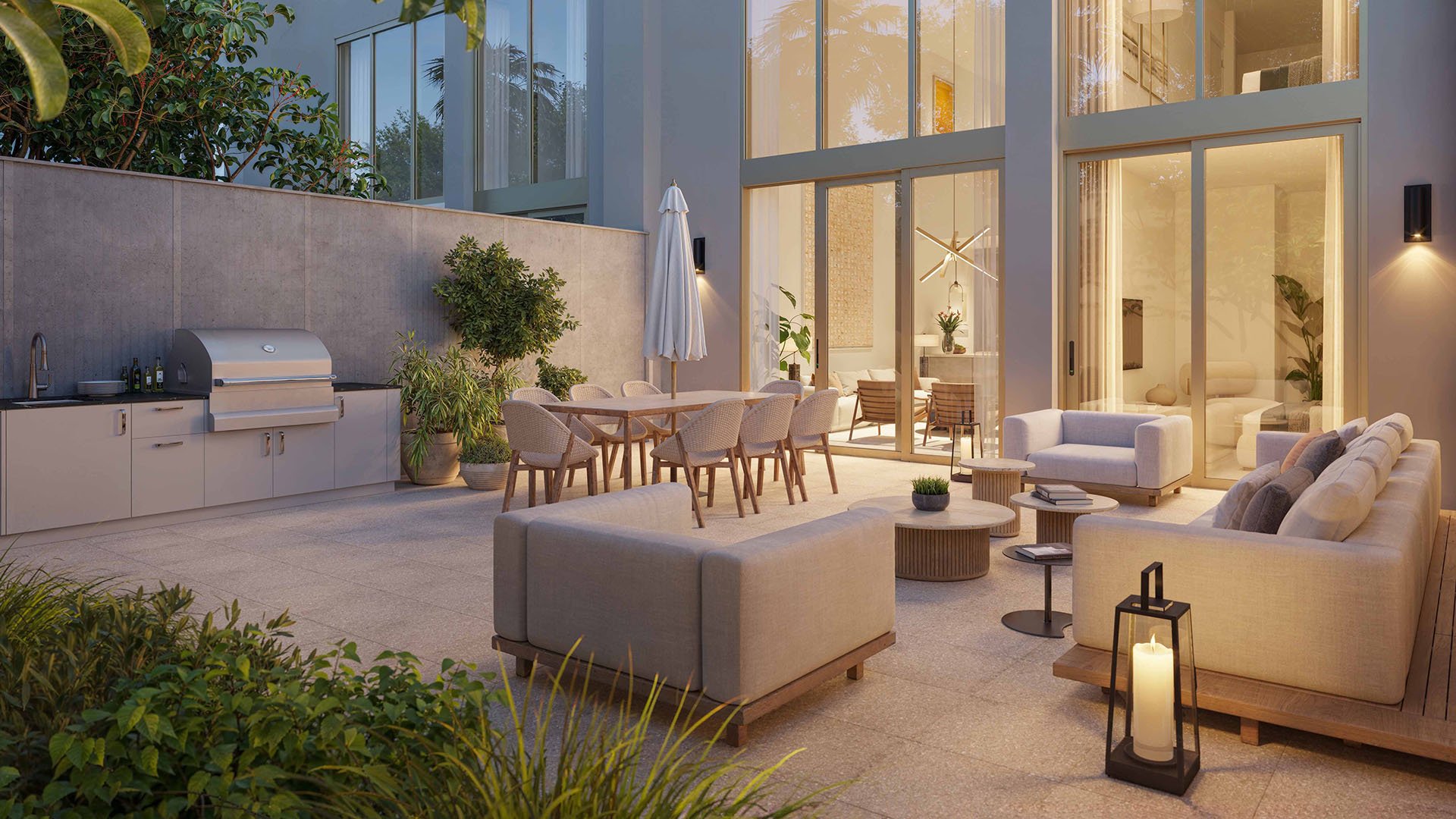
For family buyers in South Florida, the amenity conversation has become more nuanced. A pool deck, fitness center, spa, and club room may still anchor the luxury condominium experience, but a well-conceived teen lounge can quietly shape daily life in a more personal way. It gives older children a place to socialize beyond the residence, creates separation from adult-oriented spaces, and can make a vertical home feel more complete for families who entertain across generations.
The key is to look beyond the label. “Teen lounge” can mean anything from a sophisticated social room with game tables and media walls to a leftover space furnished casually. Before buying, treat it as you would any meaningful amenity: ask how it functions, who uses it, how it is managed, and whether its design will remain relevant as your children grow.
This is especially important in markets such as Brickell, Miami Beach, Sunny Isles, Bal Harbour, Coconut Grove, and Fort Lauderdale, where family buyers often weigh privacy, building culture, school routines, beach access, boating, dining, and airport convenience at once. The teen lounge should support that lifestyle, not simply decorate a brochure.
The first question is deceptively simple: what age group is the lounge meant to serve? A room designed for children of eight or nine will feel very different from one intended for high school students. Teenagers need a degree of independence, comfortable seating, strong connectivity, and social flexibility. They usually do not want a space that feels juvenile, overly themed, or heavily controlled.
Ask whether the room is used exclusively by teens or shared with younger children, visiting guests, tutors, or general residents. Shared use is not necessarily a weakness, but it changes the mood and may affect how often your family will use it. If the space is positioned near a children’s playroom, ask whether the transition from child to teen programming is clear, or whether older children may avoid it altogether.
A serious teen lounge should feel age-appropriate without trying too hard. Materials, lighting, seating, and technology should signal informality while still belonging to a luxury residential environment.
Luxury buyers often focus on design first, but management determines whether the amenity succeeds. Ask who has access to the teen lounge, during what hours, and under what rules. Are residents allowed to bring friends? Is there a guest limit? Can the space be reserved for birthdays, study sessions, or small gatherings? If so, who approves those reservations?
You should also understand the building’s position on supervision. Some families prefer a more independent environment. Others want staff visibility, camera coverage in public areas, or clear protocols for behavior and guest access. The best answer is not universal. The right answer depends on your family’s comfort level and the building’s broader service culture.
Ask how incidents are handled. A lounge that is popular with teens will occasionally require management judgment, from noise complaints to cleanup expectations. Clear rules protect both the family experience and the value of the amenity.
A teen lounge should be close enough to the building’s active amenities to feel connected, but not so close that it disrupts adults using spa, dining, library, or club spaces. Location matters. If the lounge sits beside a pool deck, lobby, elevator bank, or private dining room, ask how sound and traffic are controlled.
Acoustics are essential. Large televisions, gaming, music, and group conversation can create more sound than buyers expect. Look for solid doors, thoughtful wall treatments, soft surfaces, and spatial separation from quiet amenities. During a tour, pause outside the room and imagine it in use on a Friday evening, during a holiday week, or after school.
Also consider circulation. Can teens move from the lounge to restrooms, outdoor areas, or snack spaces without crossing formal resident areas? A graceful circulation plan supports independence while maintaining the building’s sense of order.
Technology is often the most visible part of a teen lounge, but it is also the part most likely to age. Large screens, gaming stations, sound systems, charging points, and Wi-Fi coverage may be appealing, yet the more important question is whether the infrastructure can evolve.
Ask whether the building has a plan for refreshing equipment. Who maintains devices? Are gaming systems resident-provided, building-provided, or prohibited? Are there parental controls or content policies? Is the Wi-Fi strong enough for multiple users streaming, studying, and gaming at once?
Do not confuse gadgets with quality. A lounge with durable furniture, abundant outlets, flexible seating, and excellent connectivity may outperform a flashier room built around technology that quickly becomes obsolete.
Teenagers value autonomy, but parents value assurance. A successful teen lounge balances both. Ask whether the space feels private enough for older children to use comfortably, yet visible enough that behavior remains appropriate. Glass walls, partial sightlines, staff proximity, and controlled access can all contribute to that balance.
Privacy also applies to the residence itself. In a luxury condominium, the ability for teens to host friends outside the home can preserve the calm of the private residence. This matters in large family apartments, second homes, and seasonal residences where grandparents, houseguests, and siblings may all be sharing space.
Ask whether the building’s culture supports teen use. Some condominiums may have many families with older children, while others may be quieter or more adult-oriented. The physical amenity is only one part of the experience. The resident profile and management tone are equally important.
Teen lounges are active spaces. Food, drinks, school bags, sports gear, and group use all create practical demands. Ask whether food is allowed and whether there is a pantry, vending area, kitchenette, or nearby café service. If food is not allowed, consider whether the rule is realistic.
Materials should be elegant but resilient. Upholstery, flooring, tables, and wall finishes need to tolerate frequent use. Ask how often the space is cleaned, who resets it after use, and whether damages are charged to residents, the association, or a reserve budget.
A pristine lounge during a sales tour may not reveal how it will look after a season of real use. Details such as stain-resistant fabrics, movable seating, concealed storage, and easy-to-clean surfaces can make the difference between an amenity that ages beautifully and one that becomes underused.
Families evolve quickly. A 12-year-old who wants games and movies may become a 16-year-old who wants study space, privacy, and casual conversation. Ask whether the teen lounge can adapt. Flexible seating, divisible zones, multi-use tables, and quiet corners are often more valuable than a rigid entertainment concept.
A strong lounge may support homework during the week, supervised gatherings on weekends, and informal socializing during school breaks. If the room can also serve as a tutoring area, chess table, media room, or pre-dinner gathering place, it becomes more than a novelty.
This flexibility may matter at resale. Future family buyers will read the room quickly. If the lounge feels timeless, useful, and well maintained, it can strengthen the emotional appeal of the building.
Before committing, ask direct questions: How often is the teen lounge used? Who manages access? What are the hours? Can residents reserve it? Are guests permitted? How is noise handled? How often is technology updated? Who pays for repairs? Are cameras or staff sightlines present? Has the association discussed changes to the amenity program?
Then observe. Visit at different times if possible. Watch how residents move through the amenity level. Listen for sound transfer. Notice whether the room feels integrated or forgotten. The finest amenity spaces are not merely attractive; they are intuitive, comfortable, and quietly governed.
For a South Florida luxury condo buyer, the teen lounge is ultimately a test of lifestyle intelligence. It reveals how carefully the building considers families, privacy, service, and the realities of modern residential life.
Should a teen lounge influence my condo purchase? Yes, if you have older children or expect frequent family visits. When well designed and well managed, it can meaningfully improve daily life.
What is the first question to ask about a teen lounge? Ask which age group it is intended to serve. A room designed for younger children will not necessarily satisfy teenagers.
Is supervision always necessary? Not always. The better question is whether access, visibility, and rules match your family’s expectations.
Can a teen lounge create noise issues? It can if acoustics and location are poorly considered. Ask about sound separation from quiet and adult-oriented amenities.
Should guests be allowed in the teen lounge? Guest access can be valuable, but it should be governed by clear limits. Ask how the building manages nonresident visitors.
How important is technology in the space? Connectivity is important, but flexible infrastructure matters more than trendy devices. Technology should be easy to update.
What finishes work best in a teen lounge? Durable, stain-resistant, and easy-to-maintain materials are ideal. The room should still feel refined and consistent with the building.
Can a teen lounge help protect privacy at home? Yes. It gives older children a social setting outside the residence, which can be especially helpful in family and second-home use.
What should I ask about maintenance costs? Ask who pays for technology updates, repairs, cleaning, and damage. The answers reveal how seriously the amenity is managed.
What is the best way to shortlist comparable options for touring? Start with location fit, delivery status, and daily lifestyle priorities, then compare stacks and elevations to validate views and privacy.
When you're ready to tour or underwrite the options, connect with MILLION.
If branded residences are on your mind — as a home or as an allocation — we would be glad to share what we are seeing, privately.
Begin a quiet conversation