A buyer-focused look at why acoustic privacy is becoming a defining measure of wellness in South Florida luxury residences, beyond spa language and amenity theater.
In South Florida luxury real estate, wellness has become one of the most elastic terms in the sales vocabulary. It can mean a spa, a cold plunge, a meditation lawn, a treatment room, a fitness studio, filtered air, or a private elevator that makes the day feel less public. Yet the most meaningful form of residential wellness is often less photogenic. It is the absence of intrusion.
Sound-dampened walls sit at the center of that quieter definition. They are not a lifestyle slogan. They shape the daily experience of living well, especially in vertical residences, Oceanfront homes, and highly serviced buildings where privacy, hospitality, and density must coexist. A beautiful lobby can impress a guest in thirty seconds. Acoustic control proves itself at midnight, during a work call, after a long flight, or while a family member sleeps in the next room.
For buyers comparing Brickell, Surfside, Miami Beach, Sunny Isles, Coconut Grove, or Palm Beach, the question is no longer simply whether a building offers wellness amenities. The more serious question is whether the residence itself behaves like a wellness environment once the door closes.
Luxury buyers often focus on light, views, ceiling height, terraces, finishes, and private access. Those elements are visible, measurable, and easy to photograph. Noise is more elusive. It can be seasonal, intermittent, directional, and tied to neighboring behavior. It may not reveal itself during a polished daytime showing.
That is why acoustic privacy belongs in the same conversation as floor plan, exposure, elevator configuration, and mechanical systems. A residence can have exceptional design and still feel compromised if footsteps, voices, music, plumbing, traffic, elevator equipment, or service corridors become part of the background. In a market where many buyers split time among multiple homes, a South Florida residence often must deliver immediate restoration. Quiet is not merely comfort. It is continuity.
This is especially important in New-construction buildings, where buyers may be evaluating renderings, model residences, or early-stage walkthroughs. The sales narrative may emphasize serenity, but the buyer’s advisory team should ask how that serenity is built. The difference between a wellness claim and a wellness condition is usually found inside the wall, floor, ceiling, glazing, door, and mechanical strategy.
The word soundproof is often too absolute for real residential life. Buildings are complex, and sound travels through more than one path. It can move through walls, slabs, pipes, ducts, door gaps, window systems, and structural connections. A more disciplined phrase is sound-dampened, because it recognizes that the goal is controlled transmission, not a fantasy of total silence.
For buyers, this distinction matters. A developer or sales representative may describe a residence as quiet because of its position in the building or distance from nightlife. That may be relevant, but it is not the same as acoustic design. True sound mitigation depends on assemblies and execution: the composition of demising walls, insulation, resilient channels, acoustic underlayment, slab performance, door seals, glazing, and the way penetrations are treated.
The better question is not, “Is it quiet?” The better question is, “What was done to make it quiet, and how is that performance verified?”
A buyer does not need to become an acoustic engineer to evaluate acoustic quality. The goal is to shift the conversation from mood to evidence. Ask whether the project has acoustic consultants. Ask whether wall, floor, and ceiling assemblies have documented acoustic ratings. Ask how impact sound between residences is addressed. Ask how mechanical rooms, elevators, amenity floors, parking levels, and service areas are isolated from residential interiors.
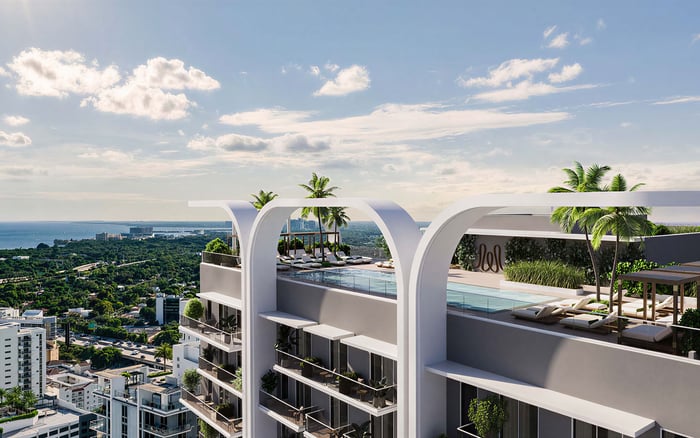
In a Penthouse, the questions may include roof equipment, pool decks, exterior terraces, and wind exposure. In a lower-floor residence, they may include street noise, loading activity, lobby adjacency, and valet circulation. In a waterfront home, they may include marine activity, outdoor entertainment areas, and the transition between indoor calm and open-air living.
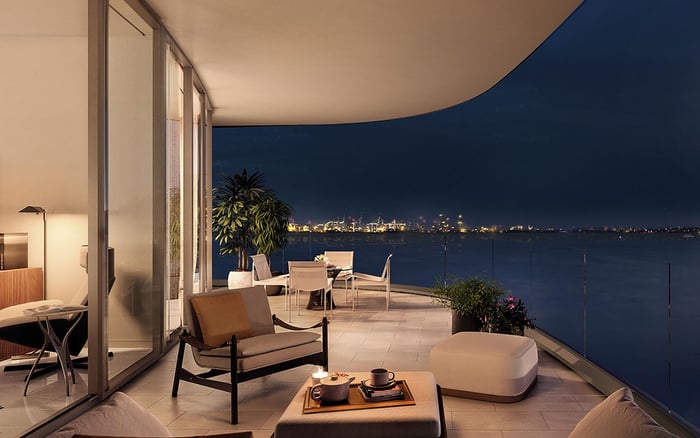
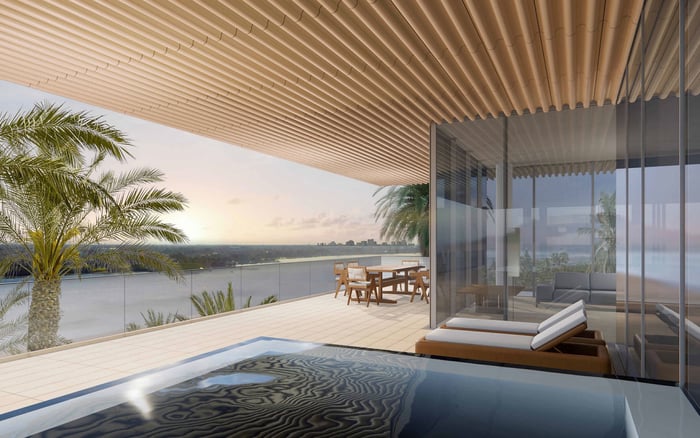
The most revealing discussions often center on details that are easy to overlook: corridor doors, bedroom wall adjacency, primary suite placement, powder room plumbing, laundry rooms, elevator vestibules, and the thickness and sealing of operable glass. A Terrace can be a spectacular amenity, but it should not become a sound bridge into the interior when the doors are closed.
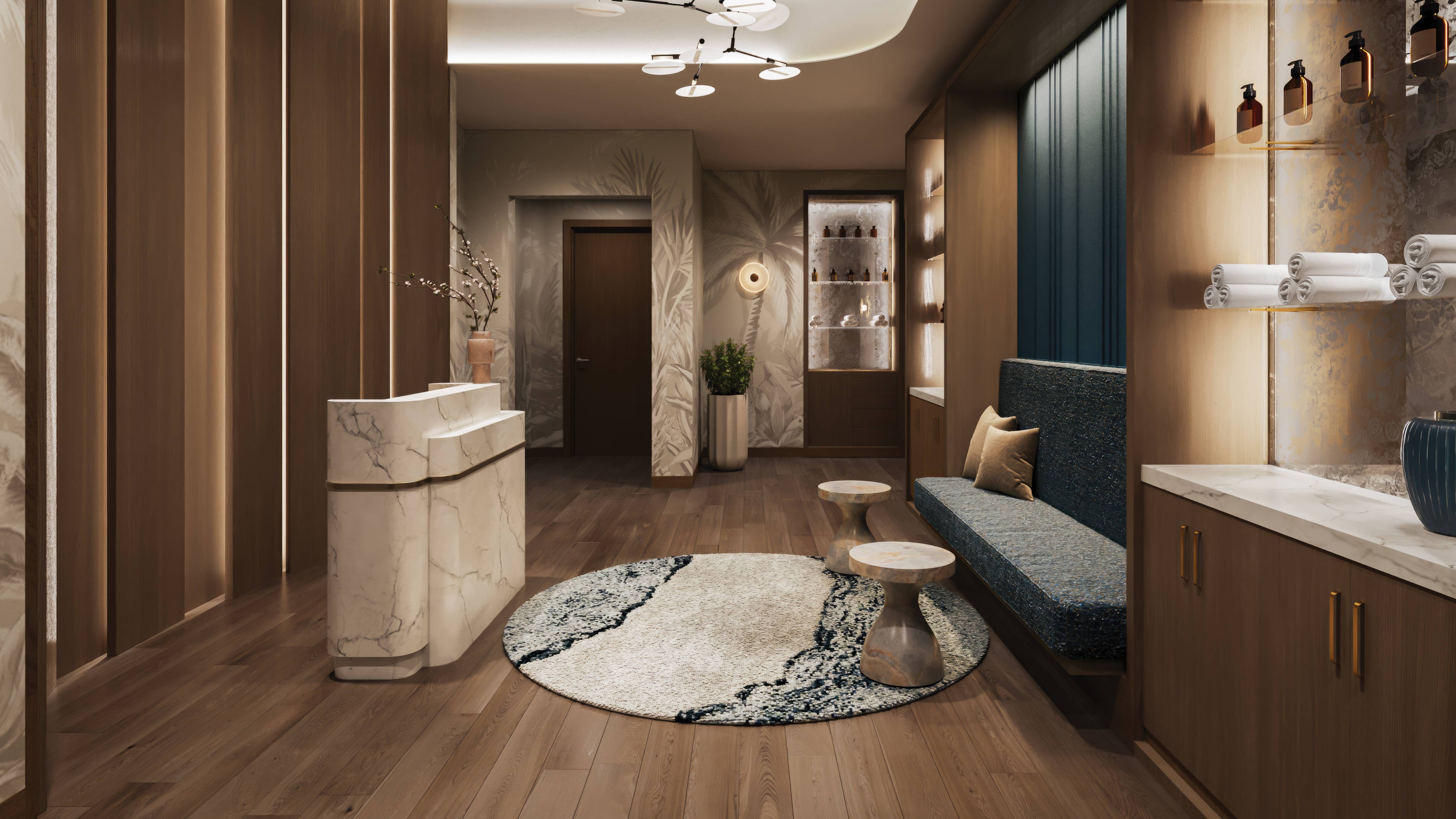
Amenity marketing tends to focus on shared spaces because shared spaces photograph beautifully. A wellness deck can be staged. A spa suite can be lit. A fitness studio can be branded. These spaces are meaningful when executed well, but they do not compensate for a residence that fails to provide privacy.
The modern luxury buyer understands that wellness is not a room one visits. It is a baseline condition of the home. It is the ability to sleep, recover, think, host, work, and be alone without unintended participation in someone else’s life. In that sense, acoustic privacy is deeply personal. It is also one of the few luxury features that becomes more valuable the longer one lives with it.
This is where restraint becomes a sign of quality. The finest residences do not need to announce quiet with theatrical language. They make the experience feel effortless. Doors close with confidence. Bedrooms feel insulated from social areas. The primary suite carries a sense of retreat. Mechanical systems fade into the background. Outdoor energy remains available without invading every interior moment.
South Florida adds its own conditions. The region prizes indoor-outdoor living, water views, glass, terraces, entertaining, and hospitality-driven residential service. These qualities are central to the appeal, but they also require careful acoustic thinking. A building can face the ocean, the bay, a marina, a bridge, a city corridor, or a vibrant dining district. Each setting has a different sound profile.
In Brickell, the appeal of proximity can come with the rhythm of an urban district. In Surfside, the promise of calm can be shaped by beachfront exposure, building adjacency, and private amenity programming. In Sunny Isles, height, wind, glass, and resort-style living can create their own considerations. In Coconut Grove, lushness and low-rise intimacy do not eliminate the need to evaluate neighboring activity, traffic patterns, and outdoor entertaining.
The point is not to avoid energy. Many buyers want the cultural and social texture that makes South Florida compelling. The point is to ensure the residence can choose when to participate and when to withdraw.
The next evolution of wellness is not simply more amenities. It is better private space. A true recovery environment begins in the bedroom, the bath, the study, the dressing room, and the quiet corner where the owner reads before dinner. These are not marketing scenes. They are rituals.
Sound-dampened walls support those rituals by protecting the interior from friction. They reduce the mental labor of tuning out the building. They help a residence feel composed even when the world outside is active. For families, they allow different schedules to coexist. For executives, they protect concentration. For hosts, they allow public rooms to feel alive while private rooms remain calm.
The most compelling luxury properties make this balance feel natural. They allow entertaining without sacrificing retreat. They invite view and light without surrendering privacy. They treat silence not as emptiness, but as material.
When evaluating a residence, listen in layers. Visit at different times if possible. Stand quietly in bedrooms, near corridor doors, beside glazing, below amenity areas, and adjacent to service zones. Ask what separates one residence from another. Ask what sits above and below. Ask how sound paths were addressed where walls meet slabs, where ducts penetrate assemblies, and where doors meet thresholds.
Also consider the plan. A well-planned residence can protect private rooms by placing closets, baths, vestibules, and utility spaces as buffers. A poorly planned one may place bedrooms against noisy adjacencies and rely on finish quality to distract from functional compromise. Marble, millwork, and brand names do not solve an acoustic problem.
For ultra-premium buyers, acoustic due diligence should be part of the same review as view preservation, building governance, reserve planning, service standards, and finish execution. It is not a minor technical concern. It is part of how the home will feel every day.
Why do sound-dampened walls matter in luxury residences? They help protect privacy, sleep, concentration, and comfort. In true wellness design, the residence itself should feel restorative.
Is sound-dampened the same as soundproof? No. Sound-dampened suggests reduced transmission, while soundproof implies a level of total isolation that is rarely realistic in residential buildings.
What should buyers ask before purchasing? Ask about wall, floor, ceiling, glazing, door, and mechanical strategies. The goal is to understand how quiet was designed, not just promised.
Can amenities compensate for a noisy residence? Not for most discerning buyers. Shared wellness spaces are valuable, but they do not replace acoustic comfort inside the private home.
Does a higher floor guarantee less noise? Not always. Higher floors may reduce some street noise, but they can introduce other considerations such as wind, roof equipment, or amenity adjacency.
Are waterfront residences automatically quieter? No. Water views can be serene, but marinas, outdoor entertaining, bridges, and building programming can still shape the sound environment.
Should acoustic quality influence resale thinking? Yes. A residence that feels calm and private may stand apart because buyers experience the difference immediately during daily living.
How can a buyer evaluate quiet during a showing? Pause in bedrooms, near doors, beside windows, and close to service areas. Listen without conversation or music masking the environment.
Do floor plans affect acoustic comfort? Yes. Closets, baths, vestibules, and utility spaces can act as buffers between private rooms and noisier areas.
What is the best way to shortlist comparable options for touring? Start with location fit, delivery status, and daily lifestyle priorities, then compare stacks and elevations to validate views and privacy.
To compare the best-fit options with clarity, connect with MILLION.
If branded residences are on your mind — as a home or as an allocation — we would be glad to share what we are seeing, privately.
Begin a quiet conversation