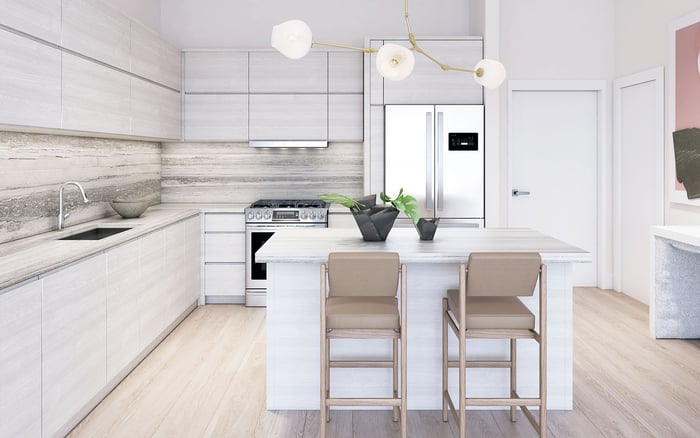
A buyer-focused comparison of The Well Coconut Grove and The Well Bay Harbor Islands through the practical lenses of beach access, wind exposure, and peak-season crowding.
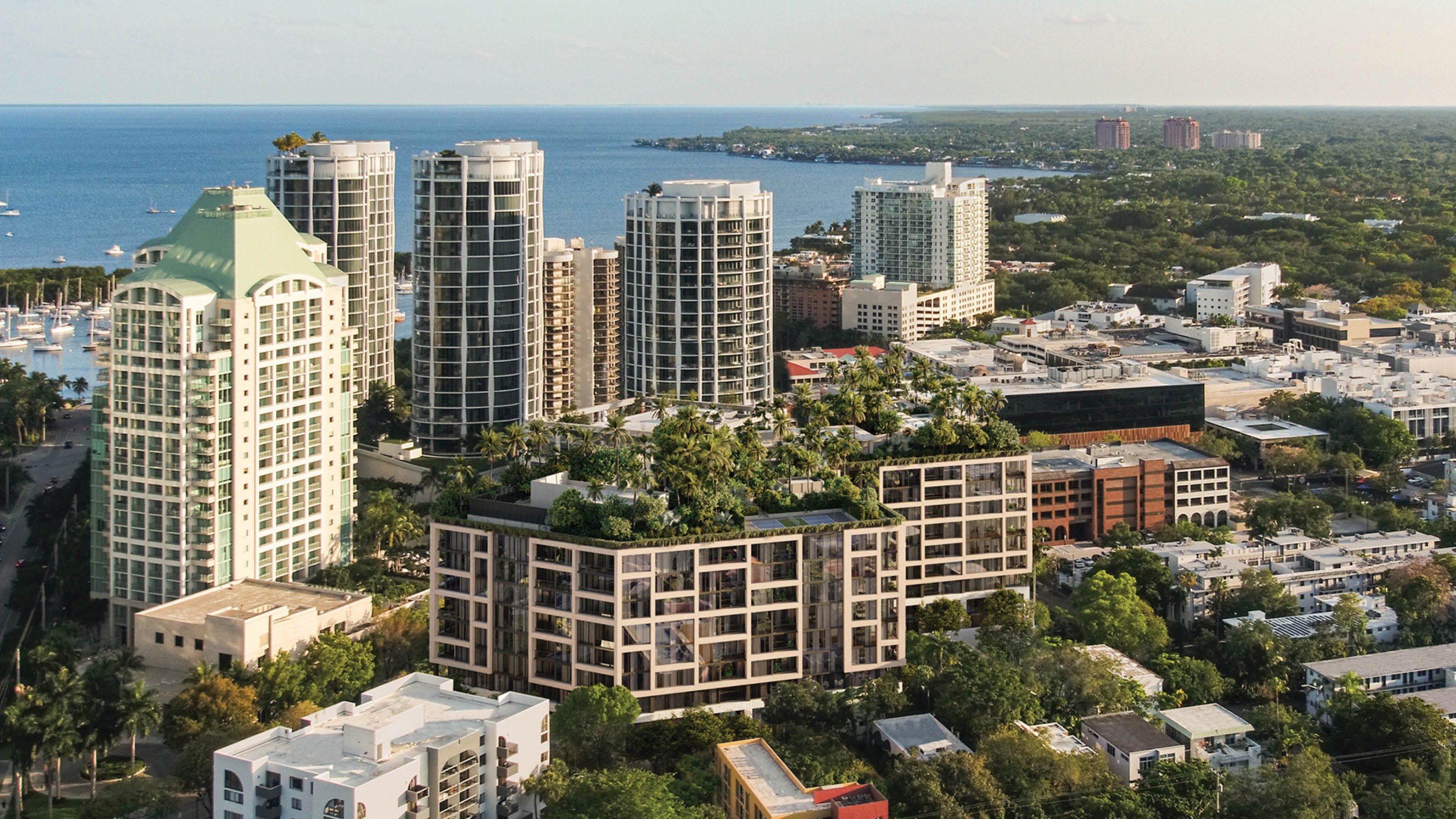
For the 2026 luxury buyer, the comparison between The Well Coconut Grove and The Well Bay Harbor Islands is less about selecting the more fashionable name and more about testing daily life with discipline. Both properties sit within recognizable South Florida residential narratives: one tied to Coconut Grove, the other to Bay Harbor Islands. The more serious decision, however, is not aesthetic. It is operational.
A buyer evaluating The Well Coconut Grove should ask how the Grove lifestyle will function from Monday morning through peak-season weekends. A buyer evaluating The Well Bay Harbor Islands should run the same test through the lens of island access, beach expectations, and seasonal movement. In practical South Florida terms, this is a Coconut Grove versus Bay Harbor decision, with beach access and new-construction expectations doing much of the work.
The important point is restraint. Without confirmed address-level distances, wind documentation, delivery specifics, pricing sheets, or current availability in hand, the buyer should not assume that either option is automatically easier, calmer, safer, or more valuable. The right purchase posture is to make each project earn its place through documents, site visits, and lifestyle rehearsal.
Beach access is one of the most frequently misunderstood phrases in South Florida luxury real estate. For some buyers, it means being directly on sand. For others, it means a short car ride, a club arrangement, a preferred beach routine, or simply convenient proximity to coastal life. In a comparison between The Well Coconut Grove and The Well Bay Harbor Islands, that definition must come before any conclusion.
The buyer should begin by writing a personal beach-use profile. Will the residence serve as a winter base for daily ocean swims, or as a wellness-oriented home where boating, dining, and neighborhood walkability carry more weight? Will guests expect immediate sand access, or will they prioritize privacy, services, and ease of arrival? The answers may change the hierarchy entirely.
Because supported walking times, driving times, and exact distance-to-beach metrics are not established here, the disciplined buyer should test the route personally. That means weekday mornings, Saturday afternoons, and high-season evenings. A drive that feels effortless in a quiet month can feel quite different when restaurant reservations, school calendars, visiting family, and valet cycles collide.
The correct question is not, “Which one is closer to the beach?” It is, “Which one supports the way I will actually use the beach?” For a primary resident, consistency may matter more than drama. For a second-home owner, the first five minutes after arrival may matter more than the last five minutes before departure.
Wind exposure is another category where broad neighborhood assumptions can mislead. South Florida buyers often speak in generalities about waterfront exposure, tree canopy, barrier islands, and inland settings. Those impressions can be useful at the beginning of a conversation, but they are not a substitute for project-specific documentation.
For The Well Coconut Grove and The Well Bay Harbor Islands, the responsible 2026 review should include a request for building-level resilience materials, insurance context, elevation information where available, and any relevant design or code compliance details. The goal is not to turn a lifestyle purchase into an engineering seminar. The goal is to understand whether the premium being paid is supported by a clear explanation of how the building is intended to perform.
Buyers should also separate wind exposure from the emotional feel of a neighborhood. A lush, sheltered streetscape can feel calmer than it is on paper. A waterfront or island setting can feel more exposed than its actual building design may indicate. The only reliable approach is to compare the lived experience with the technical file.
This is especially important for owners planning extended absences. A seasonal resident may care less about daily storm anxiety and more about lock-and-leave confidence, insurance clarity, property management protocols, and post-weather communication. Those items should be reviewed before contract enthusiasm overtakes practical diligence.
Peak-season crowding is rarely captured by a single metric. It is felt in valet timing, restaurant access, school-route traffic, bridge movement, grocery errands, guest arrivals, fitness appointments, and the simple question of whether a home still feels serene when South Florida is full.
The comparison between The Well Coconut Grove and The Well Bay Harbor Islands should therefore be treated as a calendar test. Visit both areas in high season. Arrive when you would actually arrive. Leave when you would actually leave. Try the dinner reservation, the school pickup, the airport run, the marina appointment, the beach plan, and the quiet Sunday morning walk.
Peak-season crowding is also personal. Some buyers want a residence that places them within the energy of the season. Others want a composed refuge that allows them to step in and out of the city’s social current. Neither preference is more sophisticated. The only mistake is buying for the version of oneself imagined during a sales appointment rather than the version that will live there.
For an international or Northeastern buyer, the test should be even more granular. How does the residence perform when guests are in town? Is parking intuitive? Is service staffing predictable? Are weekend movements comfortable enough to preserve the feeling of a retreat? If the answer is uncertain, schedule another visit before assuming the premium is justified.
The Well Coconut Grove and The Well Bay Harbor Islands both carry the power of a wellness-oriented name in a market where buyers increasingly value longevity, recovery, privacy, and hospitality-grade living. That brand context may be meaningful, but it should not replace diligence on the ordinary fundamentals.
A sophisticated buyer should still request the current offering materials, association expectations, service structure, floor-plan details, parking information, residence orientation, terrace usability, and any disclosed timing details. If the purchase is investment-adjacent, rental rules and holding-cost assumptions deserve the same attention as spa programming or design language.
This is where the new-construction buyer has to be particularly careful. Renderings can convey mood beautifully, but they do not answer every operating question. How a residence lives after closing is shaped by circulation, staff training, service standards, reserve planning, and owner expectations as much as by finishes.
The stronger buyer position is calm and comparative. Ask the same questions of both projects. Use the same time-of-day visits. Review documents side by side. Keep a written scorecard. The result may not be a universal winner, but it can reveal the correct winner for a specific owner.
For a 2026 decision, begin with five categories: beach routine, storm confidence, seasonal movement, wellness value, and exit flexibility. Give each category a personal weight before touring. A buyer who will be in residence for four winter months may weight peak-season movement heavily. A buyer who plans shorter visits may prioritize arrival experience and guest services.
Then score each project only after seeing or requesting the relevant evidence. For beach routine, test the actual route. For wind exposure, review project-level documentation. For crowding, visit in season and repeat the route at inconvenient times. For wellness value, decide which services you will truly use. For exit flexibility, think about the next buyer, not only your first impression.
This approach protects the purchase from two common errors: buying a neighborhood reputation instead of a residence, and buying a residence image instead of a lifestyle. The Well Coconut Grove may resonate with a buyer whose South Florida life is oriented around Grove rhythms. The Well Bay Harbor Islands may resonate with a buyer whose life is oriented around the island-and-beach corridor. The final answer should come from evidence, not assumption.
Is The Well Coconut Grove automatically better for a Grove lifestyle? It may suit buyers focused on Coconut Grove, but the decision should be based on daily routines, documents, and personal site testing.
Is The Well Bay Harbor Islands automatically better for beach access? Not automatically. Beach access should be evaluated through actual routes, timing, and the buyer’s personal beach-use expectations.
Can buyers compare wind exposure by neighborhood alone? No. Wind considerations should be reviewed at the building level, including available design, elevation, insurance, and resilience materials.
Should peak-season crowding affect a luxury purchase? Yes. Crowding can influence arrival times, dining access, errands, guest logistics, and the overall feeling of privacy.
Is 2026 a delivery date for either project? The phrase is best treated here as a buyer-decision horizon, not as a confirmed completion or delivery statement.
Should pricing drive the comparison first? Pricing matters, but it should be evaluated alongside lifestyle fit, carrying costs, service expectations, and long-term flexibility.
What should second-home buyers test most carefully? Arrival ease, guest circulation, lock-and-leave confidence, management protocols, and high-season movement are especially important.
Are wellness amenities enough to justify a premium? Only if the buyer will use them consistently and the broader residence fundamentals also support the intended lifestyle.
How many visits should a serious buyer make? At least one quiet-period visit and one high-season visit are advisable before drawing firm lifestyle conclusions.
What is the best way to choose between the two? Use the same scorecard for both properties and let verified documents, lived routes, and personal priorities guide the decision.
For a tailored shortlist and next-step guidance, connect with MILLION.
If branded residences are on your mind — as a home or as an allocation — we would be glad to share what we are seeing, privately.
Begin a quiet conversation