A discreet buyer’s checklist for international purchasers evaluating closing timelines, remote execution, foreign wires, financing, and contract controls at The Ritz-Carlton Residences® Palm Beach Gardens.
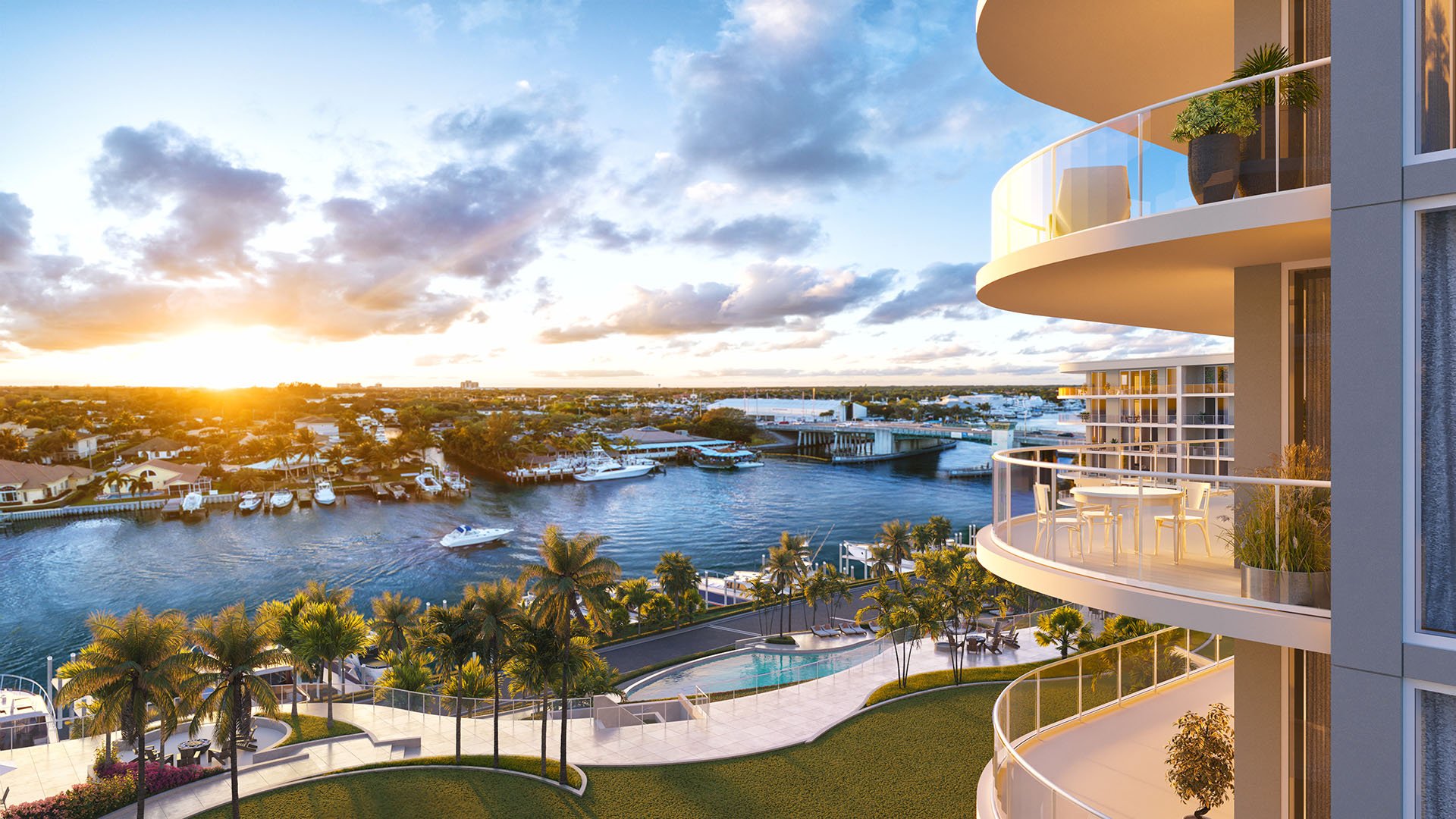
For an international buyer, the most important closing question at The Ritz-Carlton Residences® Palm Beach Gardens is not simply when the residence is expected to be delivered. It is which document controls when you must close, who has authority to issue that notice, and what happens if the timetable shifts.
Begin with the precise question: which legal entity is the seller or declarant? Closing obligations are typically governed by the purchase agreement, not by the luxury brand name on the residence. For foreign purchasers, that distinction matters. A branded setting may feel hotel-like and service-led, while the closing process remains a legal, banking, title, and condominium-document exercise.
This Buyer's Guides perspective is especially relevant in Palm Beach, where buyers may be coordinating family offices, overseas banks, trusts, counsel, and travel schedules. The elegance of the finished residence should not obscure the practical work required before the deed can transfer.
A marketed delivery estimate is not the same as a contractual closing window. Buyers should ask how the agreement defines “substantial completion,” “completion,” and “ready to close.” Each phrase can affect when notices may be sent, when deposits become fully exposed, and when the buyer must have funds and documents ready.
The next question is whether the agreement includes an outside closing date. If it does, ask what rights apply if that date is missed. The answer may involve refund rights, termination rights, extension rights, or other contract mechanisms. A foreign buyer should not assume that a delay automatically creates flexibility on the buyer side. The contract must be read carefully by Florida counsel.
This is a core Pre-Construction discipline. In a New-construction purchase, practical readiness may need to begin well before the final building rhythm is visible from abroad.
Foreign buyers should ask which developer-controlled conditions must be satisfied before closing notices can be issued. Those conditions may include inspections, certificates, condominium documentation, amenity readiness, and other items outside the buyer’s immediate control.
At a property carrying the Ritz-Carlton name, it is also reasonable to ask whether brand standards, operational readiness, or service-level signoffs can affect the timing of residence closings. In Branded Residences, legal completion and operational polish are related but not always identical concepts. Buyers should understand whether early closings can occur before every amenity, common area, Marina element, or back-of-house service space is fully operational.
The same discipline applies when comparing other branded or waterfront South Florida offerings, from The Ritz-Carlton Residences® West Palm Beach to Palm Beach Residences. The names may differ, but the closing questions remain contract-specific.
Ask how much advance notice buyers receive before closing. Then test that notice against real life: international flights, visa timing, family calendars, bank approvals, time-zone gaps, and document execution. A short notice period may be manageable for a local cash buyer, but less practical for a purchaser wiring funds from Europe, Latin America, Canada, the Middle East, or Asia.
Foreign buyers should ask what happens if they cannot travel to the United States during the closing window. The answer should be understood before the contract is signed, not after the notice arrives. If remote closing is available, clarify the required mechanics: notarization, apostille, consular execution, power of attorney, wet signatures, courier timing, and whether any documents must be executed in original form.
A sophisticated closing plan often begins months before formal notice. The goal is to remove avoidable friction so the buyer is not negotiating with time zones, banks, and couriers in the final days.
If the purchase depends on financing, ask the lender how foreign-national underwriting differs from a U.S. buyer’s process. Income verification, asset sourcing, credit references, translated bank documentation, and compliance review may take longer. A buyer should also ask whether any financing contingency protects them if loan approval takes longer than the developer’s closing schedule.
This question is not merely financial. It is contractual. If the developer is ready to close and the lender is not, the buyer needs to understand the consequences under the purchase agreement. Foreign buyers comparing the Palm Beach corridor with nearby projects such as Alba West Palm Beach or Forté on Flagler West Palm Beach should treat lending logistics as part of the acquisition strategy, not as a secondary administrative step.
International wires deserve early attention. Ask the escrow or title team how far in advance funds should be initiated and what procedures help prevent delays from bank holidays, currency controls, compliance reviews, intermediary banks, and mismatched account details. Also ask whether funds must be held in U.S. dollars before closing and who bears currency-exchange risk if the closing date shifts.
Ownership structure can add another layer. Buying through an entity, trust, family office, or offshore structure may trigger additional title, know-your-customer, beneficial-ownership, or lender review. That does not mean the structure is wrong. It means the structure should be matched to the closing calendar, with counsel and tax advisors involved early.
Florida condominium disclosures, rescission periods, developer amendments, and association turnover milestones should also be reviewed by counsel in relation to the buyer’s closing obligations. The discreet question is not only “Can I buy this well?” It is “Can I close this cleanly, on the timetable the contract requires?”
Finally, ask whether the developer has a dedicated process for international purchasers. Useful elements may include multilingual communication, remote-closing coordination, foreign-wire protocols, and team members accustomed to working across time zones. For a luxury buyer, service quality is measured not only by the arrival experience, but by the calm competence of the closing process.
The best approach is to build a closing calendar before signing: contract dates, outside dates, lender milestones, document-preparation deadlines, wire deadlines, travel assumptions, and a contingency plan if the buyer cannot be physically present. That calendar should be reviewed by the buyer’s attorney, lender, title team, and advisory team.
At The Ritz-Carlton Residences® Palm Beach Gardens, the residence may be the aspiration. The timeline is the discipline.
Who should a foreign buyer ask to identify the actual seller? Ask the sales and legal team which entity is the seller or declarant, then have Florida counsel review the purchase agreement.
Is the marketed delivery estimate the same as the closing deadline? No. Buyers should ask for the contractual closing window and the definitions that trigger closing obligations.
What is an outside closing date? It is a contract date that may define the outer boundary for closing or delivery, along with any related rights if it is missed.
Can a foreign buyer close remotely? Possibly, but buyers must confirm notarization, apostille, consular, power-of-attorney, and original-signature requirements.
Why do foreign-national loans often need more time? Lenders may need additional income verification, asset documentation, credit references, translations, and compliance review.
Should funds be converted to U.S. dollars before closing? Ask the escrow or title team what is required and who carries exchange-rate risk if the closing date moves.
Can amenities still be unfinished when residences begin closing? Buyers should ask whether early closings may occur before all amenities, common areas, Marina elements, or service areas are fully operational.
Does buying through a trust or company affect timing? It can. Entity or trust purchases may add title, beneficial-ownership, lender, or know-your-customer review.
What if the buyer cannot travel during the closing window? Ask in advance whether remote execution or a power of attorney can solve the issue within the contract timetable.
Who should review the condominium documents? Florida counsel should review disclosures, rescission periods, amendments, and association milestones before the buyer relies on any closing assumption.
For a confidential assessment and a building-by-building shortlist, connect with MILLION.
If branded residences are on your mind — as a home or as an allocation — we would be glad to share what we are seeing, privately.
Begin a quiet conversation