A discreet, design-minded guide to evaluating Pompano Beach residences through the lens of art ownership, from light control and wall planning to storage, privacy, and building operations.
For an art collector, a residence is never merely a place to live. It is a private exhibition environment, a conservation setting, a logistics plan, and a daily ritual of looking. In Pompano Beach, where coastal living shapes the residential conversation, the most successful purchase begins with how a home will perform around the collection, not only how it photographs at sunset.
This is the quiet distinction between a beautiful apartment and a collector-ready residence. A collector needs walls that can hold importance, rooms that can tolerate restraint, and systems that support works on canvas, paper, sculpture, photography, design objects, and mixed media. The right home should feel calm, not crowded. It should allow the collection to lead, while architecture, light, and furnishings assume supporting roles.
For a Pompano Beach art collector, the brief is best approached with precision: what can be displayed, what should be stored, how pieces arrive, how private the experience remains, and whether the building’s daily operations align with the standards expected by serious owners.
Square footage matters, but light discipline matters more. Coastal residences often promise openness, glass, and expansive exposures. For collectors, those same virtues require careful interpretation. Direct sun can be visually seductive and materially unforgiving. Before falling in love with a view, study where works would actually hang, how often walls are interrupted by glazing, and whether window treatments can be layered without compromising the interior composition.
The strongest art residences usually balance open living with controlled moments. A large room with little usable wall space may be less useful than a quieter room with proportion, depth, and consistent surfaces. Look for secondary corridors, libraries, dens, formal dining rooms, and arrival galleries that can carry important works without competing with televisions, service doors, or kitchen activity.
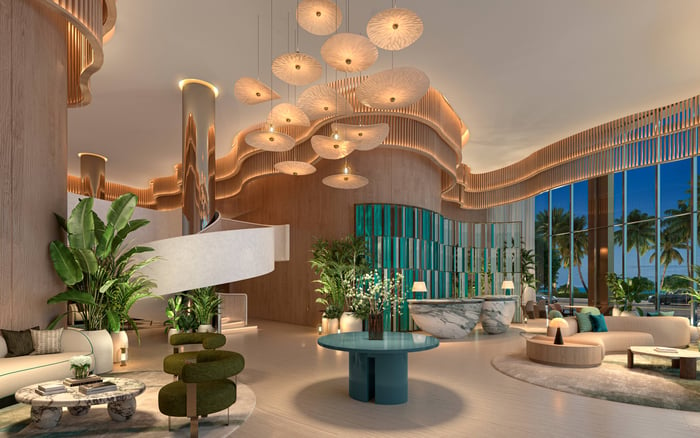
At the upper end of Pompano Beach, buyers comparing coastal residences such as The Ritz-Carlton Residences® Pompano Beach should evaluate the plan the way a curator would: entry sequence, wall rhythm, ceiling height, sightlines, glare, and the ability to create a contemplative pause before the main living view.
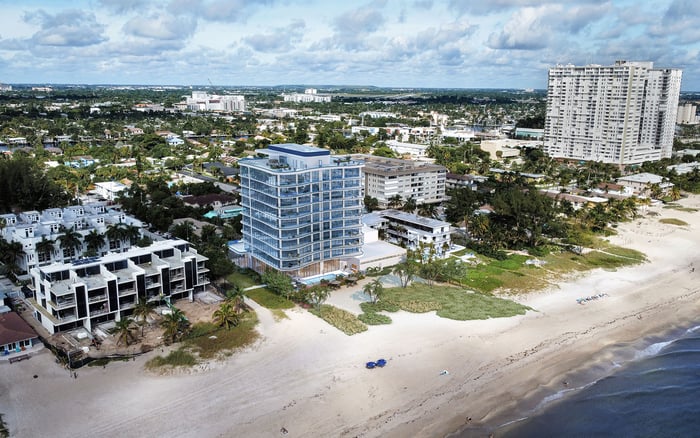
Oceanfront living has an emotional appeal that is difficult to replicate. For collectors, it also calls for a serious conversation about climate control, moisture management, filtration, and materials. A residence may feel serene, but artworks respond to conditions that are often invisible to guests. Ask how the home maintains stable interior conditions, where mechanical systems are located, and whether any storage room can be adapted for collection use.
This is especially important for works on paper, photography, textiles, rare books, and pieces with delicate surfaces. Even durable works benefit from consistency. A buyer should think beyond the day of closing and consider summer absences, seasonal entertaining, hurricane preparations, and periods when the residence is lightly occupied. The ideal environment protects the art whether the owner is present or elsewhere.
When considering design-forward options such as Armani Casa Residences Pompano Beach, collectors may want to bring an art adviser, installer, or conservator into the walk-through early. Their eye is different from a decorator’s eye. They will notice heat, vibration, sprinkler placement, wall backing, elevator access, and the route from loading area to residence.
Waterfront residences create a sense of privacy and spectacle, yet art ownership introduces practical requirements that should never be left to assumption. Large-format works, crated sculptures, framed photography, and delicate design pieces need clear service paths. The buyer should understand loading protocols, elevator dimensions, certificate of insurance requirements, installation hours, and whether building staff are accustomed to high-value deliveries.
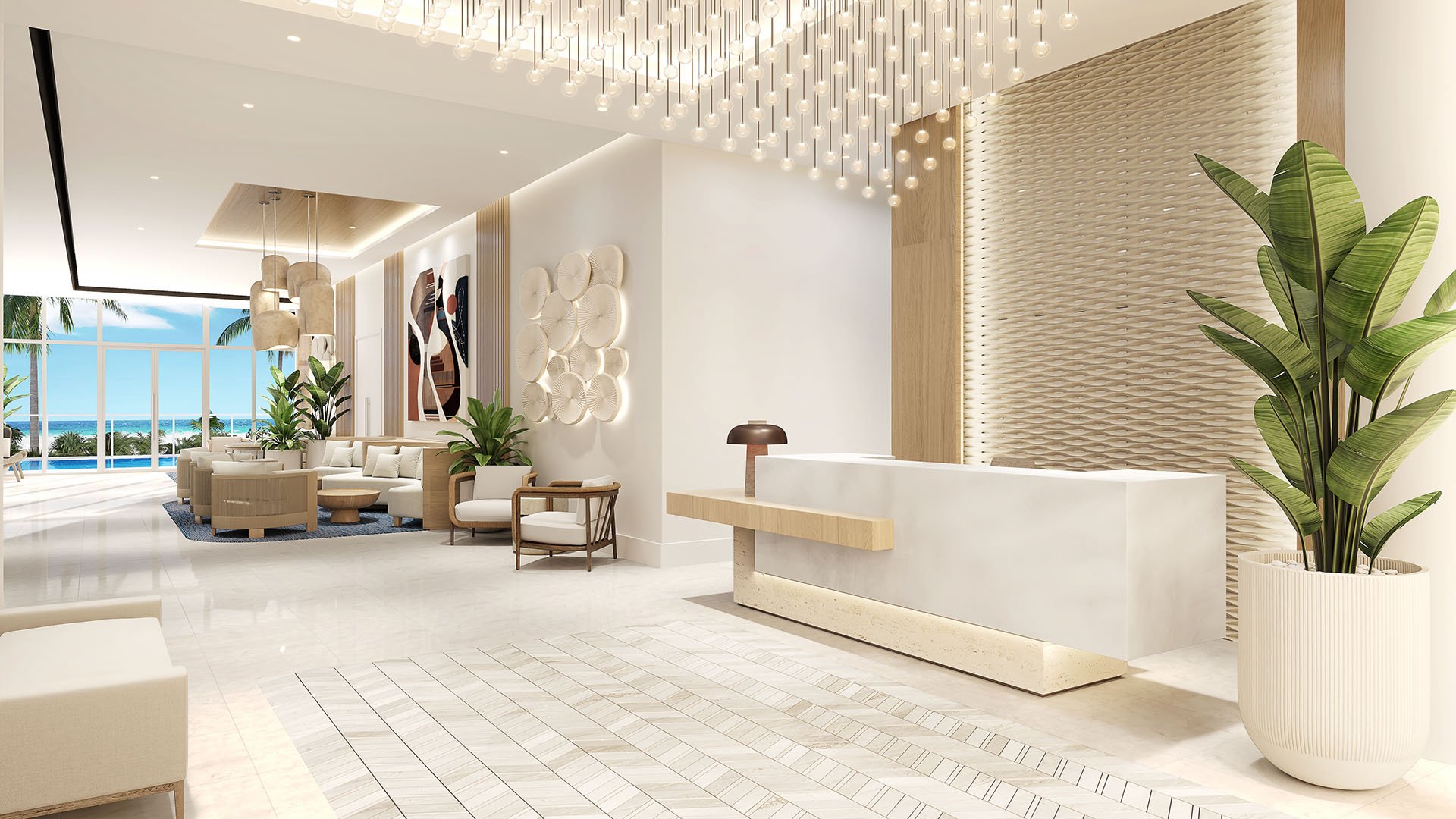
Privacy also matters. A serious collection should not become casual lobby theater. Ask how vendors enter, whether service elevators are discreet, and how packages or crates are held before delivery. A residence that protects the owner’s privacy during installation is often more valuable than one that simply offers a grand arrival.
For buyers studying newer Pompano Beach offerings, Waldorf Astoria Residences Pompano Beach can be part of a broader comparison focused on service choreography: who controls access, how moves are scheduled, and whether the building culture feels aligned with a collector’s need for discretion.
Collectors rarely display everything at once. The most elegant homes allow rotation. That means planning not only for today’s favorite painting, but also for future acquisitions, loans, re-framing, seasonal changes, and the occasional desire to live with fewer objects. A good residence creates options without feeling like a storage facility.
Look for rooms with flexible lighting plans, outlets placed thoughtfully for lamps and picture lights, and surfaces that do not force every work into a single obvious location. Consider whether a guest room, study, or media room could become a viewing room. Consider whether a hallway can handle a sequence of smaller works. Consider whether sculpture has enough breathing room to be seen in the round.
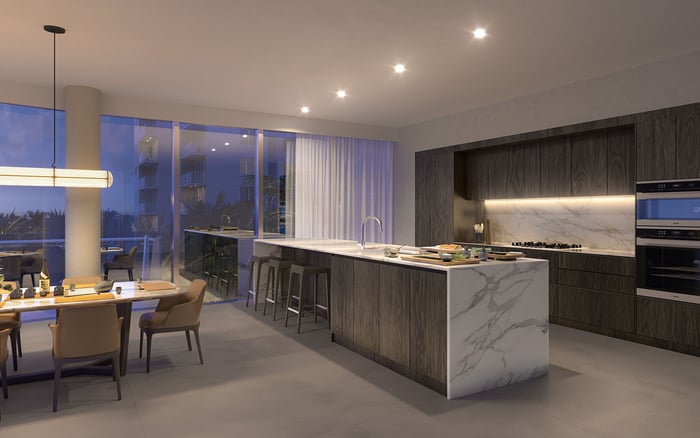
Design & Architecture decisions should follow the collection rather than overpower it. Highly expressive finishes can be beautiful, but they may compete with art. Stone veining, patterned millwork, mirrored surfaces, and dramatic lighting should be assessed in relation to the actual works the buyer intends to live with.
Before committing, a collector should review building rules with unusual care. Some residences may limit installation times, restrict contractors, require approvals for wall penetrations, or impose procedures for heavy objects. These rules are not merely administrative. They shape whether a collection can be installed safely, changed gracefully, and maintained without friction.
Insurance should also be considered in advance. The residence, building, and collection coverage should be coordinated so responsibilities are clear. High-value works may require documentation, approved installers, environmental expectations, and secure storage during major storms or renovations. A sophisticated buyer treats these conversations as normal, not burdensome.
For a buyer comparing hospitality-inflected coastal ownership such as W Pompano Beach Hotel & Residences, the question is not only lifestyle. It is whether the operating environment can support the quiet rigor of collection care while still delivering the ease that makes a South Florida residence desirable.
A collector’s short list should be built around five practical tests. First, identify the primary art walls and confirm they are not compromised by glare, vents, switches, or unavoidable furniture placement. Second, confirm the path of entry for large works. Third, understand climate control and how it performs when the residence is vacant. Fourth, evaluate privacy from lobby to front door. Fifth, decide whether the building’s culture feels calm enough for an owner who values discretion.
This approach may narrow the field, but that is the point. Broward buyers who collect seriously are not only purchasing a coastal address. They are choosing a living archive. In Pompano Beach, the best fit will be the home that lets the ocean remain present while giving the art an environment of composure, protection, and daily pleasure.
Is Pompano Beach a practical choice for art collectors? It can be, provided the buyer evaluates light, humidity control, privacy, and delivery logistics before focusing on views or finishes.
Should collectors prioritize Oceanfront residences? Oceanfront living can be exceptional, but collectors should scrutinize glare, moisture management, window treatments, and climate stability.
What matters most in a floor plan for art? Usable wall space, controlled sightlines, flexible lighting, and rooms that allow rotation are more important than raw size alone.
Do Waterfront homes require different planning? Yes. Waterfront ownership should include additional attention to conservation, storm preparation, and service access for delicate works.
When should an art adviser visit the property? Ideally before an offer or during due diligence, when installation routes, wall conditions, and environmental questions can still affect negotiations.
Are branded residences suitable for collectors? They may be, especially when service standards, privacy protocols, and building operations align with the owner’s expectations.
What questions should I ask the building before buying? Ask about installation rules, service elevator access, contractor approvals, insurance requirements, and any limits on wall attachments.
How should lighting be evaluated? Study natural light at different times, then consider dimmable artificial lighting, UV management, and whether each work can be viewed comfortably.
Can a second home support a serious collection? Yes, but only if climate control, security, monitoring, and emergency procedures remain reliable while the owner is away.
What is the best first step for a collector buyer? Define the collection’s practical needs before touring, then judge every residence by how well it protects and presents the work.
If you'd like a private walkthrough and a curated shortlist, connect with MILLION.
If branded residences are on your mind — as a home or as an allocation — we would be glad to share what we are seeing, privately.
Begin a quiet conversation