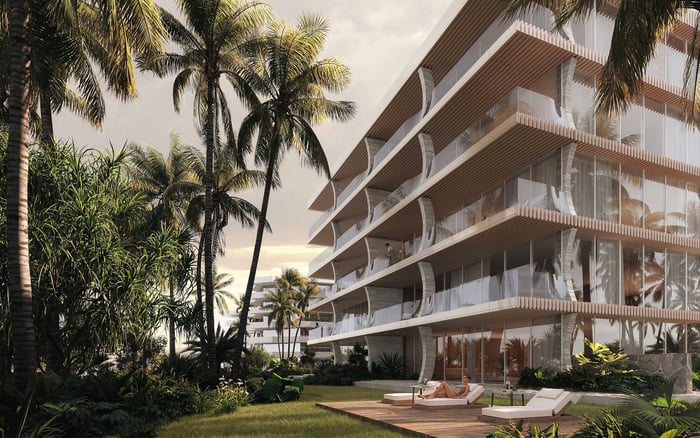
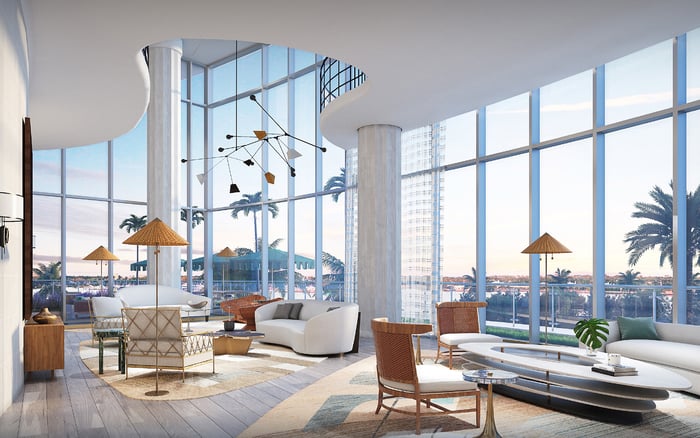
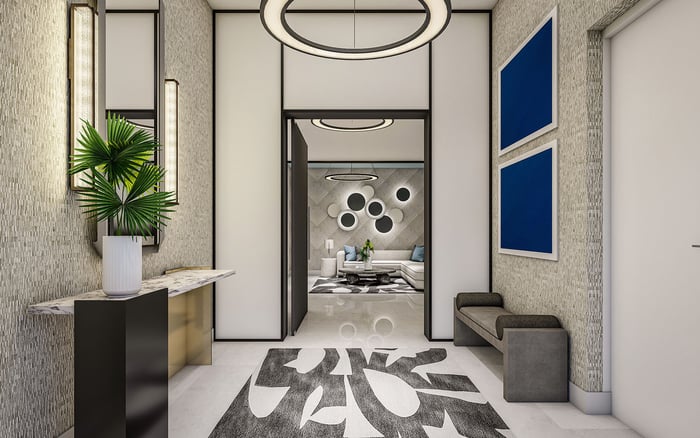
A buyer-focused look at how Mr. C Residences Boca Raton translates hospitality-branded living into a practical year-round home for affluent South Florida residents.
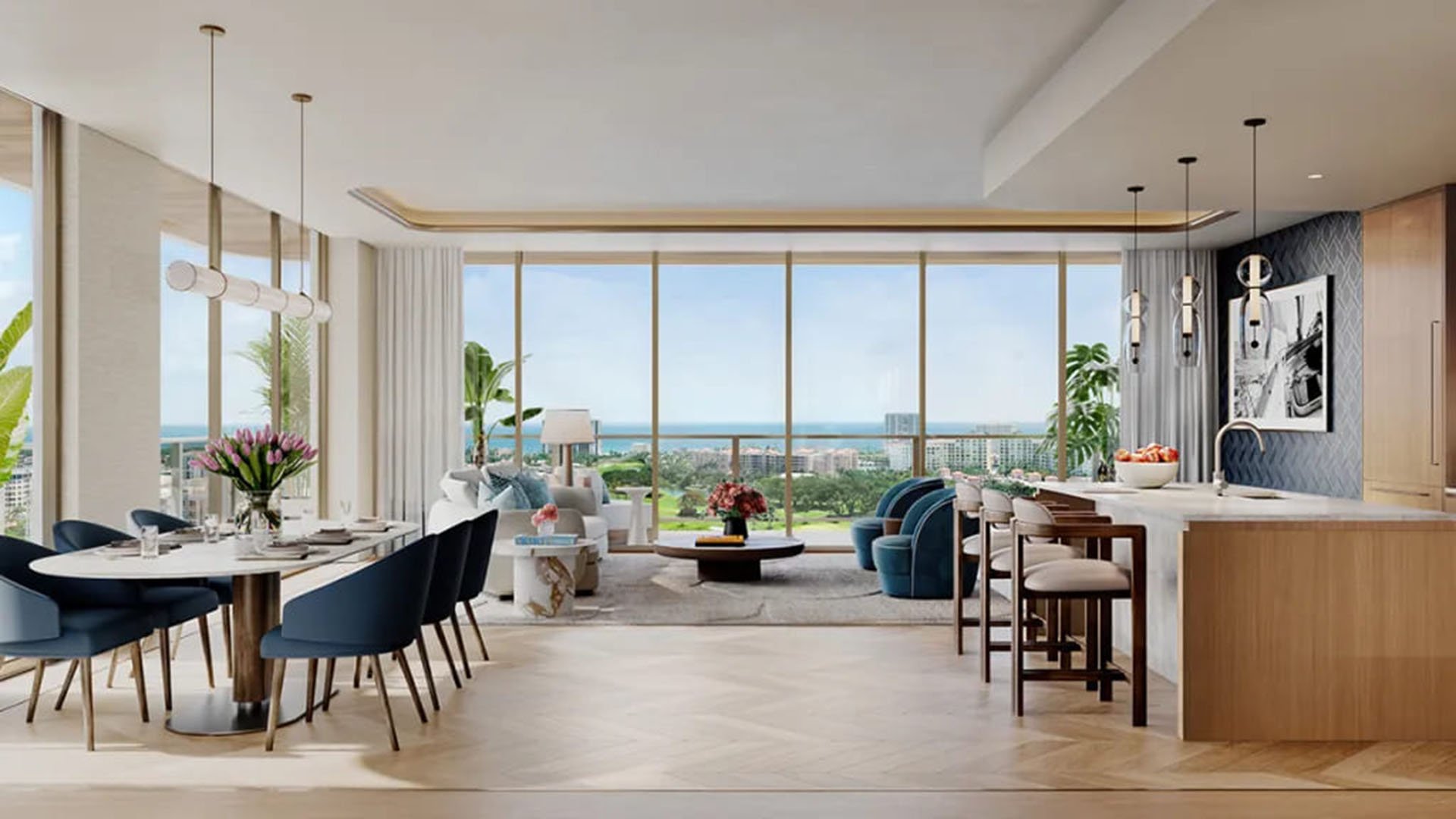
Mr. C Residences Boca Raton enters the market as more than another polished condominium address. Its distinction is the promise of hospitality-branded living, translated from hotel expectations into private residential ownership. For buyers considering Boca Raton as a twelve-month home, that distinction matters. The question is not only whether the building feels glamorous on arrival. It is whether the experience remains useful on an ordinary Tuesday, through family routines, remote work, errands, guests, maintenance needs and quiet evenings at home.
That is where Mr. C Residences Boca Raton becomes most interesting. The brand identity leans into Italian-inspired elegance and resort-style amenities, but the more serious buyer lens is practical: can a hospitality model support full-time South Florida life without making residents feel as if they are living inside a hotel?
Boca Raton gives the idea a natural setting. The city is associated with upscale, year-round living rather than only seasonal escape, and its luxury buyers often want a complete residential environment. They may be relocating permanently, transitioning from a second-home pattern, or choosing a lock-and-leave base that still feels substantial enough for primary use.
The branded residences category has matured. Early conversations often focused on logo value, lobby drama and lifestyle cachet. Today, sophisticated buyers ask a sharper question: what does the brand do for daily life? At Mr. C, the answer is rooted in service expectations. The project is positioned around the idea that hotel-style attention can be adapted to private ownership, reducing friction without compromising residential privacy.
That balance is delicate. A primary home needs predictability, discretion and operational consistency. Residents want service when it matters, but they also want the rhythms of home: a familiar arrival sequence, quiet common areas, storage that suits real ownership and programming that enhances life rather than overwhelming it. The strongest hospitality-branded buildings understand that luxury is often invisible. It is the maintenance request handled smoothly, the amenity that is actually usable, the sense that the building anticipates needs without constantly performing.
In Boca Raton, that proposition has particular relevance. Buyers comparing Mr. C with other local luxury options, including Alina Residences Boca Raton and The Residences at Mandarin Oriental Boca Raton, are not simply shopping finishes. They are evaluating what kind of life each building can support over years of ownership.
For full-time owners, resort-style amenities are only valuable if they fit routine use. A beautiful amenity deck that works only as a weekend showpiece is different from a building where residents can fold wellness, social time, relaxation and work-life balance into daily life. The practical questions are simple but revealing. Are the shared spaces likely to feel comfortable during both peak and quiet periods? Does the service model support convenience without creating a transient atmosphere? Is the building arranged for privacy as much as presentation?
Remote-work compatibility is another modern filter. Because a specific work-from-home amenity program is not identified, buyers should focus less on labels and more on livability. Does the residence itself support concentration? Can common areas remain civilized during the day? Does the overall service environment make it easier to manage household details while maintaining a demanding professional schedule?
Family routines also matter. Even affluent households need ordinary structure: morning departures, deliveries, guests, wellness appointments, visiting relatives and seasonal travel. A hospitality-branded condominium succeeds as a primary home when those patterns feel seamless rather than theatrical.
Boca Raton is central to the story because it is already understood as a city for polished, settled South Florida living. It offers the psychological difference between a vacation address and a place one can inhabit with continuity. For buyers drawn to Boca Raton, the appeal is often less about spectacle and more about refinement, privacy and ease.
That makes Mr. C a case study in a broader South Florida shift. Luxury buildings increasingly borrow the language of resorts, but buyers are testing whether that language can support real life. The goal is not only a poolside atmosphere or a beautifully composed arrival. It is a residential ecosystem that feels composed in January, July and every month between.
Nearby luxury conversations also include Glass House Boca Raton, underscoring how Boca Raton has become a serious canvas for new-construction condominium buyers. In this context, Mr. C’s hospitality identity gives it a distinct angle, particularly for owners who want services associated with travel and the privacy associated with home.
Lock-and-leave flexibility is often discussed as a seasonal-owner benefit, but it also matters to primary residents. Full-time South Florida owners travel frequently. They may divide time between business, family, boating, golf, international trips or other residences. A service-driven building can reduce the maintenance burden and make returning home feel effortless.
The key distinction is that lock-and-leave should not mean small-life living. Some pied-à-terre concepts feel intentionally light, designed for brief stays and occasional visits. Mr. C’s strongest potential value is different: the ability to deliver hospitality convenience while still functioning as a serious Boca Raton residence. That is why buyers should evaluate storage, privacy, service reliability and everyday circulation with as much care as they evaluate amenities.
This is also why comparison shopping across South Florida is useful. A buyer drawn to the Mr. C service model may also look north to Mr. C Residences West Palm Beach to understand how the brand’s residential language adapts across markets. The question is not which address is flashier. It is which setting best aligns with the owner’s daily pattern.
The most persuasive argument for Mr. C Residences Boca Raton is not simply glamour. It is the possibility of lowering the operational weight of ownership. In ultra-luxury real estate, time is often the most valuable amenity. A well-run building gives residents more of it by simplifying daily logistics, supporting wellness, creating reliable service touchpoints and preserving privacy.
Lifestyle, in this sense, is not a decorative word. It is the way a building handles repetition: the morning coffee ritual, the return from travel, the guest arrival, the quiet hour before dinner, the need to disappear from the public world once the front door closes. Hospitality branding can enhance those moments if it is disciplined. It can also distract from them if the building feels too performative.
Mr. C’s Italian-inspired elegance suggests a softer form of luxury, one based on atmosphere and service rather than sheer scale. For Boca Raton buyers, that may be the point. The building’s appeal rests on whether it can combine resort aesthetics with residential calm, creating a place that works for both seasonal enjoyment and full-time life.
For affluent buyers considering Mr. C Residences Boca Raton, the central question is clear: does the hospitality model make everyday ownership easier, more private and more enjoyable? If the answer is yes, the building belongs in the serious primary-residence conversation, not only the seasonal condo conversation.
The most important due diligence should be experiential. Walk through the idea of a normal week. Consider service expectations, household routines, amenity habits, work patterns, privacy preferences and travel needs. The right luxury residence is not the one that produces the strongest first impression. It is the one that remains elegant after daily life begins.
What makes Mr. C Residences Boca Raton different from a conventional luxury condo? It is positioned as a hospitality-branded condominium, with hotel-style service expectations adapted to private residential ownership.
Is Mr. C Residences Boca Raton aimed only at seasonal buyers? No. Its strongest buyer lens is full-time livability, especially for owners who want year-round South Florida convenience.
How should buyers evaluate the service model? Buyers should focus on whether service reduces daily friction, supports privacy and makes ownership easier over time.
Why does Boca Raton matter to the building’s appeal? Boca Raton is closely associated with upscale, year-round South Florida living, making it a natural setting for primary-residence luxury.
Are resort-style amenities the main value proposition? They are important, but the deeper value is whether amenities are usable within everyday routines rather than only for occasional leisure.
Does hospitality branding mean the building will feel like a hotel? Ideally, no. The best version of the concept delivers hotel-level service while preserving the privacy and predictability of home.
What should remote-work buyers consider? They should assess quiet, convenience, service reliability and whether the residence supports a focused weekday routine.
Is lock-and-leave flexibility relevant for full-time owners? Yes. Primary residents who travel often can benefit from a building designed to reduce maintenance burden and simplify returns.
How does Mr. C fit the branded residences trend? It reflects the shift toward residences that combine resort aesthetics with practical, service-oriented everyday living.
What is the most important buyer takeaway? Mr. C should be judged not only by elegance, but by how well it supports twelve-month life in Boca Raton.
For a confidential assessment and a building-by-building shortlist, connect with MILLION.
If branded residences are on your mind — as a home or as an allocation — we would be glad to share what we are seeing, privately.
Begin a quiet conversation