A discreet buyer’s guide to New York tax exit planning for golf-oriented purchasers considering South Florida as a permanent home, with emphasis on domicile, statutory residency, club life, day counts, and Florida homestead timing.
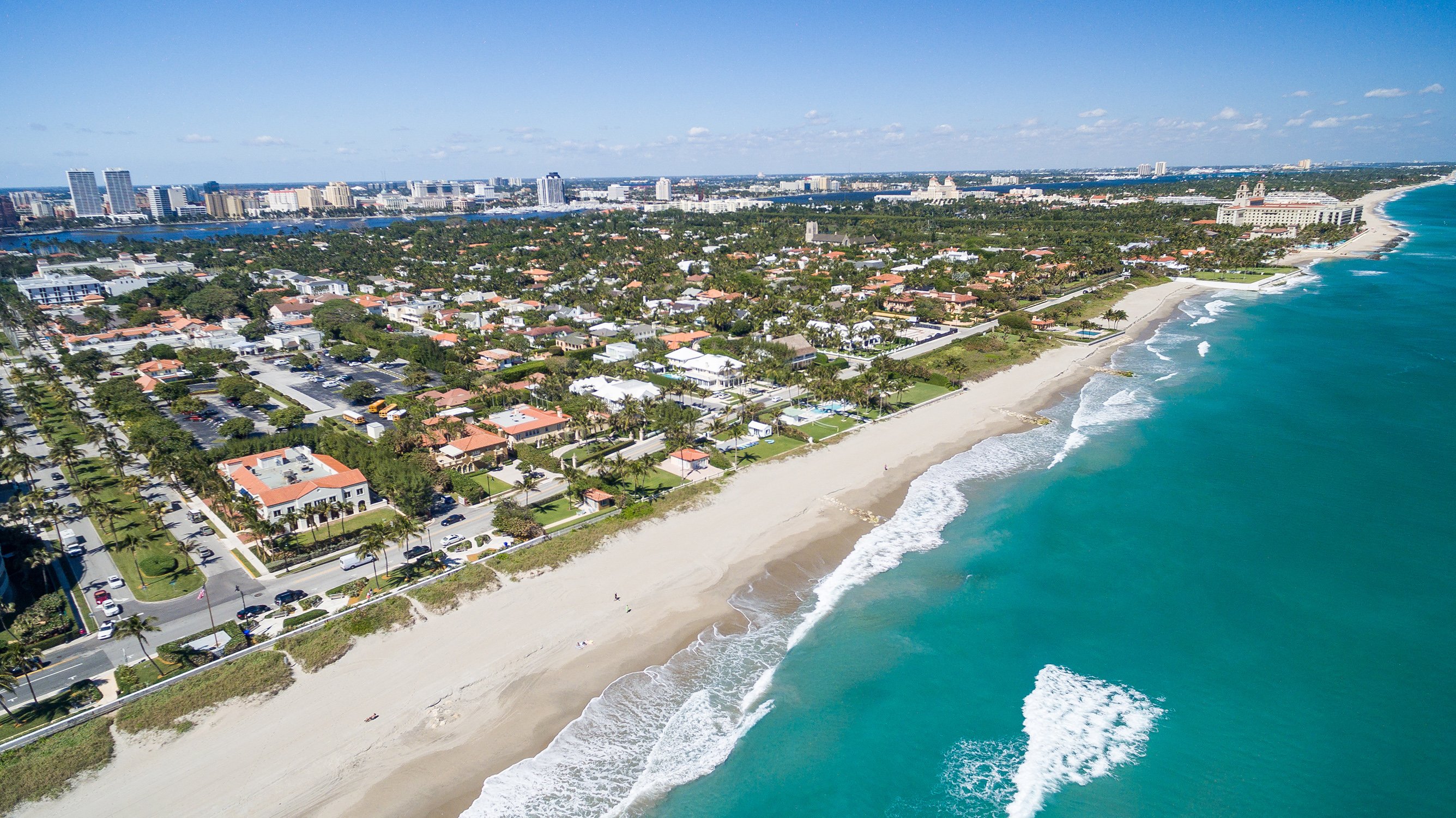
For many New York buyers, the South Florida purchase begins with lifestyle: more winter rounds, easier access to private clubs, a waterfront routine, and a residence that feels less seasonal than inevitable. Yet a tax exit from New York is not completed by signing a contract in Palm Beach, Boca Raton, Brickell, Fisher Island, or any other South Florida address. It is established through a disciplined record of intent, time, home use, and personal life.
The distinction matters. Florida does not impose a state personal income tax, which is one reason high-income New Yorkers look south. But New York can still treat an individual as a resident if that person remains domiciled in New York or qualifies as a statutory resident. For a golf-oriented buyer, the issue is not simply where the new residence sits. It is whether the buyer has truly shifted the center of life to Florida, and whether the paper trail supports that conclusion.
This is where luxury real estate strategy and tax planning intersect. A buyer considering Shell Bay by Auberge Hallandale, Alina Residences Boca Raton, or another South Florida base should treat the purchase as one element of a broader domicile file, not as a standalone declaration.
New York residency exposure generally turns on two concepts: domicile and statutory residency. Domicile is the place a person intends to keep as a permanent home, and to which that person intends to return after being away. It is not measured by a single form or a single closing statement. It is a fact-intensive inquiry involving home, business, family, time, and the personal items often described as “near and dear.”
Statutory residency is separate. A taxpayer can be treated as a New York resident if they maintain a permanent place of abode in New York and spend more than 183 days of the tax year in New York. For day-count purposes, any part of a day spent in New York generally counts as a New York day unless a specific exception applies. That rule can surprise buyers who assume a morning meeting, dinner in Manhattan, or a quick club appearance is too brief to matter.
The retained New York apartment is often the pressure point. A pied-à-terre, co-op, condominium, or other year-round dwelling can create statutory-residency risk if it qualifies as a permanent place of abode and the day count crosses the threshold. The risk is sharper for buyers who maintain a New York City apartment, because city residents face a separate city personal income tax in addition to state exposure.
Golf is not merely recreation in a residency file. It is calendar, community, travel pattern, social identity, and, in many cases, an anchor of family life. New York residency reviews commonly examine where a taxpayer spends time, where homes are maintained, and where the strongest personal and financial connections are located. Club memberships, tournaments, guest records, locker use, social events, charity outings, and recurring tee times may all help tell that story.
For a buyer leaving New York, the question is not whether a New York club membership must disappear immediately. The question is whether the overall pattern still points north. If the buyer keeps the New York home, continues a dense New York tournament schedule, spends long stretches around summer events, and maintains primary doctors, advisers, banking, and social routines there, the Florida purchase may look more like a second-home upgrade than a true domicile move.
By contrast, a carefully executed move makes South Florida the daily center. Club life shifts to Florida. Medical providers, professional relationships, charitable commitments, family routines, and personal property move with intention. For buyers evaluating The Links Estates at Fisher Island or The Ritz-Carlton Residences® Palm Beach Gardens, the strongest narrative is not that Florida is preferable in season. It is that Florida has become home.
A South Florida residence is most persuasive when it functions as the owner’s principal base. That means more than elegant interiors and easy airport access. It means the address is where important documents point, where family gathers, where daily life is organized, and where the buyer returns after travel.
New Florida residents can strengthen the record by updating driver license records, vehicle registration, voter registration, estate documents, professional ties, and routine daily-life activities to Florida. Filing a Florida Declaration of Domicile can also help document intent to make Florida the permanent home, although it is only one fact among many in a New York residency analysis.
Buyers who prefer an urban South Florida base should apply the same discipline. A residence such as Baccarat Residences Brickell may offer a Miami-centered lifestyle, but the tax narrative still depends on behavior. Where are the records, doctors, clubs, advisers, pets, cars, valuable personal items, and habitual routines? Where does the buyer spend ordinary Tuesdays, not only holiday weekends?
The important point is sequencing. The South Florida home should not be an afterthought purchased after a claimed exit. It should be coordinated with the move date, club changes, New York residence decisions, and any major income events.
The cleanest tax exit is usually planned before the lifestyle calendar hardens. Buyers should coordinate the closing date, physical move, sale or change in use of the New York residence, club membership transitions, and expected income recognition before claiming a residency break. This is especially important for owners with meaningful compensation, business income, liquidity events, carried interests, bonuses, or real estate income connected to New York.
Becoming a nonresident does not make all New York tax disappear. New York nonresidents may still owe New York tax on wages, business income, real estate income, and other income sourced to New York. A buyer can successfully leave New York residency and still have New York-source income. Those are different issues, and both should be modeled before the move is announced internally, filed formally, or reflected on returns.
Day-count records deserve particular care. Contemporaneous tracking is stronger than reconstruction months later. Travel records, phone location data, credit-card activity, toll records, calendars, club logs, and flight information can all support the file. Golf travel should be included, especially when tournaments, pro-ams, member-guests, or recurring club events pull the buyer back into New York.
Florida’s tax profile is attractive, but property-tax planning still matters. A qualifying permanent residence may receive a homestead exemption that can reduce taxable value by up to $50,000 for property-tax purposes. Once homestead is in place, the Save Our Homes assessment limitation generally caps annual increases in assessed value for homesteaded property, making timely filing important for luxury buyers who intend to remain.
Florida homestead portability may also allow eligible homeowners to transfer some Save Our Homes benefit from one Florida homestead to another. That can become relevant for buyers who first lease, purchase a transitional residence, or move from one Florida property to a more permanent golf-oriented home.
The homestead decision should align with the broader domicile story. If the buyer claims Florida as the permanent home, then the property, documents, family routines, and tax filings should point in the same direction. Inconsistency creates avoidable questions.
Does buying in South Florida automatically end New York residency? No. New York can still treat a taxpayer as a resident through domicile or statutory residency rules.
What is the 183-day rule in New York? Statutory residency generally applies when a taxpayer maintains a permanent place of abode in New York and spends more than 183 days there.
Does a partial day in New York count? Generally, any part of a day spent in New York counts as a New York day unless a specific exception applies.
Can keeping a New York apartment create risk? Yes. A retained year-round dwelling can create statutory-residency risk if it is a permanent place of abode and day counts exceed the threshold.
Why do golf memberships matter? Club life can reveal social ties, time patterns, and lifestyle connections, all of which may be relevant in a domicile review.
Does Florida have a state personal income tax? Florida does not impose a state personal income tax, which is a major reason high-income buyers consider relocating.
Can a New York nonresident still owe New York tax? Yes. Nonresidents may still owe tax on wages, business income, real estate income, and other income sourced to New York.
What records should golf-oriented buyers keep? Keep contemporaneous calendars, travel records, phone location data, credit-card records, club logs, toll records, and flight details.
Is a Florida Declaration of Domicile enough by itself? No. It can help document intent, but New York residency analysis looks at the full pattern of facts.
Why does Florida homestead planning matter? Homestead may reduce taxable value and can support Save Our Homes assessment limits for a qualifying permanent residence.
If you'd like a private walkthrough and a curated shortlist, connect with MILLION.
If branded residences are on your mind — as a home or as an allocation — we would be glad to share what we are seeing, privately.
Begin a quiet conversation