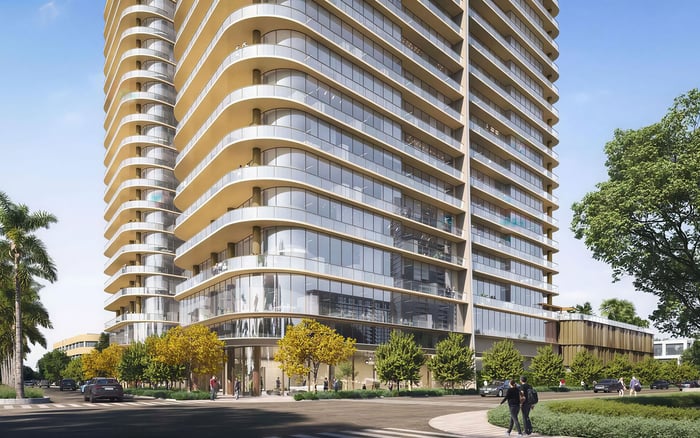
A discreet buyer’s guide to the closing-cost questions that matter before purchasing luxury real estate in Miami Design District, from deposit timing and title charges to lender fees, prepaids, association costs, and post-closing reserves.
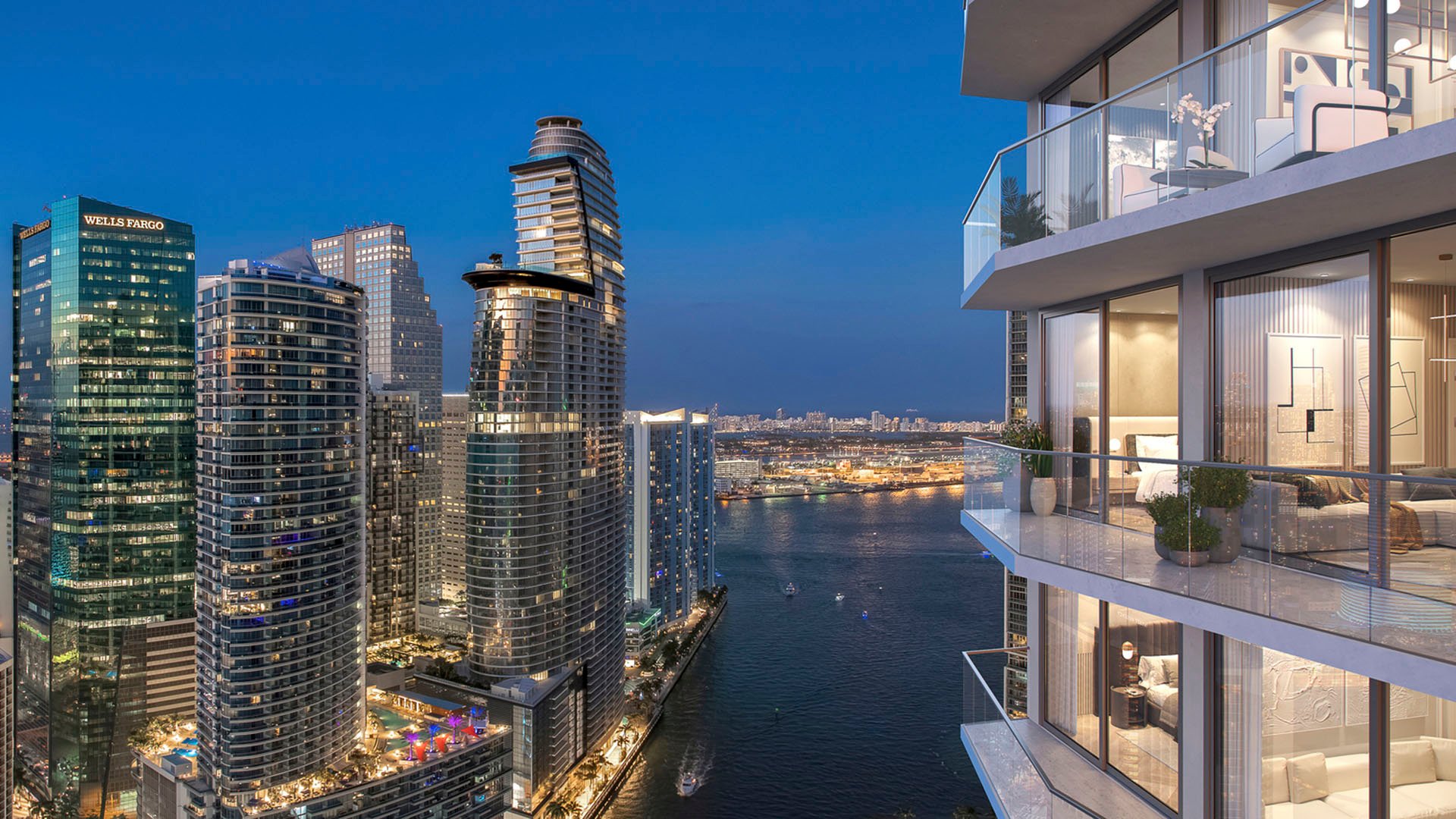
In Miami Design District, the most sophisticated purchase strategy begins before a buyer falls in love with architecture, finishes, or views. It begins with a precise question: what will the transaction require in cash, and when will each obligation come due?
For luxury buyers, closing-cost planning is not a footnote. It shapes offer structure, financing decisions, negotiation posture, and liquidity after the keys are delivered. A beautifully priced residence can still become inefficient if late-stage charges, overlapping deposits, lender conditions, association items, or prepaid expenses were not modeled early.
This buyer’s-guide approach is deliberately practical. The goal is not to predict every line item in isolation, but to ensure the buyer asks the right questions of the broker, attorney, lender, title team, insurance advisor, and wealth manager before the contract becomes emotionally irreversible.
The first question should be simple: can the team prepare a transaction-specific closing estimate based on this property, this price, this financing plan, and this target closing date?
Generic estimates can be useful at the earliest stage, but luxury transactions often contain details that materially change the final number. A financed acquisition differs from an all-cash purchase. A condominium differs from a single-family home. A resale contract differs from New-construction. A domestic buyer may have different documentation needs than an international buyer. If the residence is part of a new development, ask which costs are fixed by the contract, which are customary, and which remain subject to final figures.
For a buyer studying Kempinski Residences Miami Design District, the question is not simply whether the building is compelling. It is how the total purchase architecture fits the buyer’s liquidity plan from reservation through closing and early ownership.
Price receives attention. Deposit timing deserves equal discipline. Ask what deposit is due at signing, whether additional deposits apply, where funds will be held, and what conditions govern release or refund.
In a resale transaction, the deposit structure may be negotiated within the contract. In Pre-Construction, the deposit rhythm may be more formalized and tied to project documentation. Either way, the buyer should understand whether cash will be committed in stages and whether that cash remains available for other Investment objectives during the contract period.
A disciplined buyer asks: what is the total cash exposure before closing, and what is the total cash required at closing? Those questions are related, but they are not the same.
Luxury buyers should ask who selects the title or closing agent, who pays which title-related costs, and what protections are included in the policy. They should also ask whether any recording, settlement, courier, wire, municipal, or administrative charges are expected.
The point is not to memorize every possible fee. The point is to understand the architecture of the closing statement in advance. Request a draft settlement statement early enough to review it calmly. If a charge is unclear, ask who imposed it, whether it is customary for this type of transaction, and whether it is negotiable under the contract.
Discretion does not mean passivity. In high-end real estate, the most elegant closings are often the ones where every line has already been discussed.
If financing is involved, ask for a detailed explanation of lender fees, appraisal requirements, underwriting charges, prepaid interest, escrow reserves, and any conditions that could affect timing. Even affluent buyers with ample liquidity may choose leverage for portfolio reasons, but the closing plan should reflect the true cost and calendar impact of that choice.
A lender may require documentation, insurance confirmation, association materials, or other items before funding. Ask how those requirements align with the contract timeline. If the buyer is comparing Miami Design District with nearby urban luxury options such as Baccarat Residences Brickell or The Residences at Mandarin Oriental, Miami, it is wise to compare not only purchase price and lifestyle, but also the friction and timing of each closing process.
For condominium buyers, the closing conversation should include association applications, transfer charges, move-in deposits, working-capital contributions, initial assessments, and any building-specific requirements. Ask which amounts are refundable, which are one-time charges, and which will become recurring monthly ownership expenses.
The buyer should also ask whether there are pending budgets, assessments, insurance updates, or association decisions that may affect ownership shortly after closing. Not every item belongs on the closing statement, but every serious item belongs in the planning conversation.
This is especially important for buyers comparing neighborhoods and building profiles. A Design District search may overlap with Edgewater, Brickell, Miami Beach, or other luxury enclaves, and each building can handle administration differently. A buyer weighing Aria Reserve Miami against a Design District opportunity should study the same categories with equal care, even when the lifestyle narrative feels different.
Ask which prepaid items will be collected at closing and which ongoing ownership costs should be reserved after closing. Insurance, property taxes, interest, association dues, utilities, and professional services can all affect first-year liquidity.
The most refined buyers do not treat closing day as the financial finish line. They model a post-closing reserve that allows the residence to be owned gracefully. That reserve may support design work, furnishings, window treatments, staff coordination, technology, art installation, or simply the privacy of not having to make hurried financial decisions after closing.
Ask your counsel to explain which closing costs are buyer obligations under the contract and which are negotiable. In new development purchases, buyers should pay close attention to developer documents, estimated budgets, closing adjustments, completion timing, and any required payments tied to the project structure. In resale purchases, the focus may lean more heavily toward title, prorations, association approvals, inspection outcomes, and negotiated seller credits.
Neither path is inherently better. The right path is the one where the buyer understands the complete capital commitment. In Miami Design District, where design, scarcity, and lifestyle can move quickly, clarity is a competitive advantage.
Before entering contract, ask for a written estimate of total cash needed to close. Ask how that estimate changes if the closing date moves. Ask who is responsible for title charges, transfer-related items, settlement expenses, association fees, lender costs, and prepaid amounts. Ask which costs are negotiable and which are contractually fixed. Ask what must be wired before closing and what can be paid at closing.
Most importantly, ask each advisor to identify the line items that buyers most often misunderstand. An experienced team can often prevent surprises simply by naming them early.
When should I start planning closing costs for a Design District purchase? Start before making an offer. Early planning helps you compare properties with a clear view of total cash needs.
Are closing costs the same for every luxury condo in Miami? No. They can vary by contract, financing, building procedures, title arrangements, and timing.
Should I ask for a written estimate? Yes. A written estimate creates a shared reference point for your broker, attorney, lender, and closing team.
Do cash buyers still have closing costs? Yes. Cash buyers may avoid lender costs, but they still need to review title, settlement, prepaid, and building-related items.
How does financing affect the closing plan? Financing can add lender fees, appraisal steps, prepaid interest, reserves, and timing conditions that should be modeled early.
What should I ask about condominium association costs? Ask about applications, transfer charges, move-in deposits, working capital, assessments, and recurring dues.
Is Pre-Construction closing-cost planning different? Often, yes. The deposit schedule, contract obligations, estimated budgets, and final closing adjustments deserve careful review.
Can closing costs be negotiated? Some items may be negotiable, while others may be fixed by contract, lender requirements, or building procedure.
Why include a post-closing reserve? A reserve protects lifestyle flexibility after closing and helps cover furnishings, services, insurance, taxes, or design work.
Who should review the closing statement? Your attorney, broker, lender, and closing agent should review it with enough time to resolve questions calmly.
For a confidential assessment and a building-by-building shortlist, connect with MILLION.
If branded residences are on your mind — as a home or as an allocation — we would be glad to share what we are seeing, privately.
Begin a quiet conversation