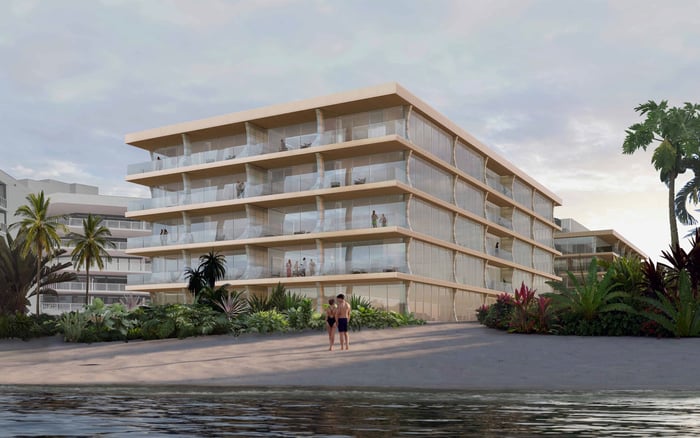
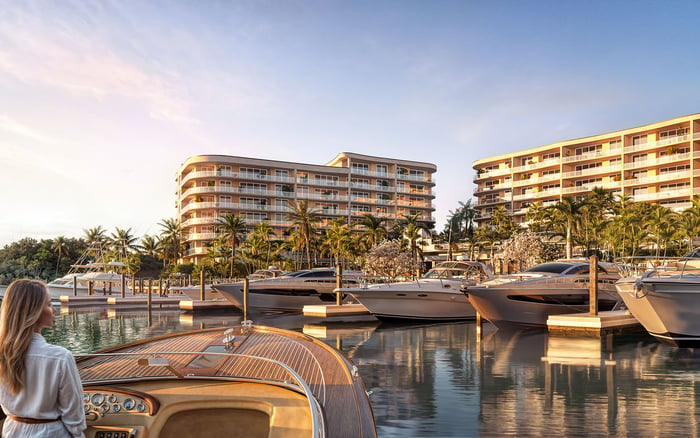
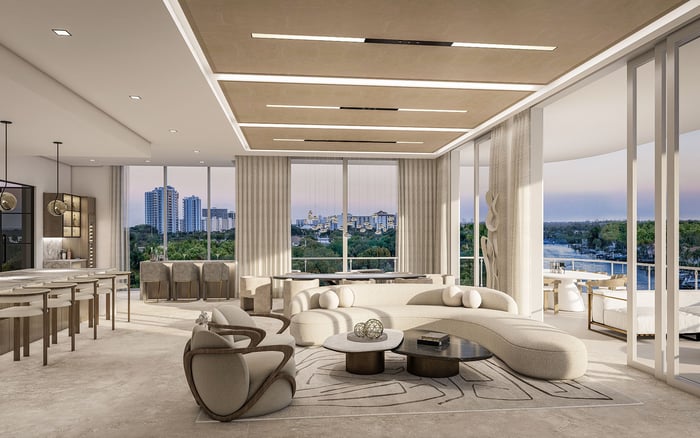
Mr. C Residences West Palm Beach is best understood as a year-round living proposition, combining branded hospitality, urban convenience, and practical residential criteria for buyers making South Florida a true primary base.
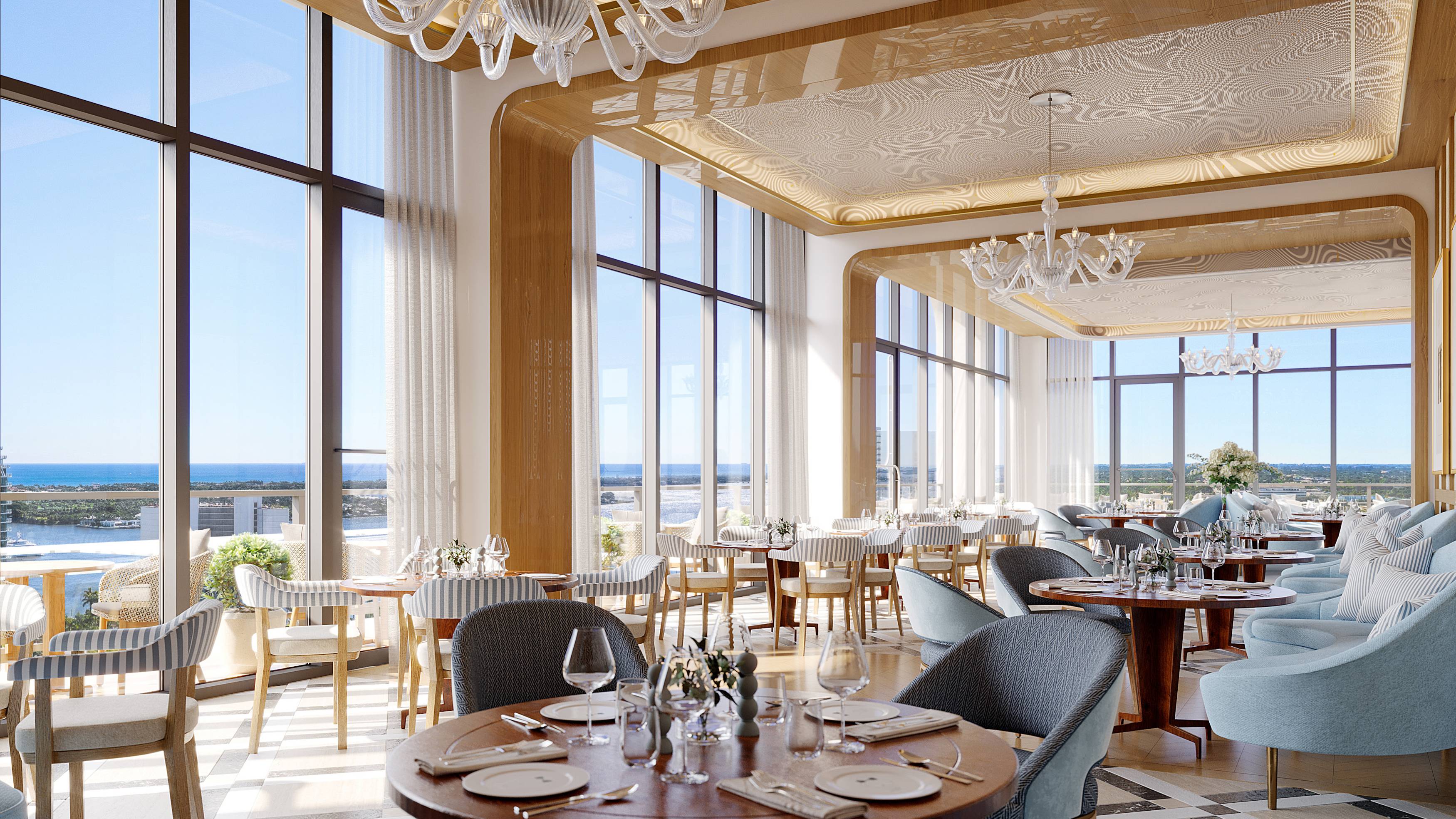
For years, many luxury buyers approached South Florida through the lens of escape: a winter apartment, a weekend base, a place to reset between business trips. Mr. C Residences West Palm Beach belongs to a different conversation. Its relevance is strongest for buyers who are not merely visiting South Florida, but evaluating West Palm Beach as a full-time home.
That distinction matters. A seasonal pied-à-terre can succeed on drama, views, and the pleasure of arrival. A primary residence must perform every day. It must support routines, privacy, service access, storage, climate comfort, and the practical cadence of daily life. Mr. C Residences West Palm Beach is important because its brand story intersects with that more demanding test.
The development is a branded luxury residential project in West Palm Beach, positioned around the Mr. C hospitality identity within an urban residential setting. For buyers focused on full-time South Florida living, the question is not simply whether the name is familiar or the lifestyle is polished. The sharper question is whether the building can make year-round ownership feel composed, efficient, and genuinely livable.
West Palm Beach has become more than a refined counterpoint to Palm Beach. For many affluent households, it now functions as a serious year-round base, with daily access to dining, culture, business districts, transportation, and everyday services shaping the residential decision. That context is essential to understanding why Mr. C Residences West Palm Beach matters.
The modern full-time buyer wants proximity without friction. They may want a private residence, but not a remote one. They may value a hospitality-oriented environment, yet still want the ownership structure and discretion of a residential building. They may be relocating, simplifying, or consolidating life around a South Florida address that works in January and July alike.
This is where the project’s positioning becomes more consequential. It is not only part of the Branded Residences category. It is part of West Palm Beach’s broader shift toward high-service urban living for year-round residents. That shift reframes luxury from occasional indulgence into daily infrastructure.
The Mr. C association carries weight because branded residences can signal a hospitality-oriented experience rather than a conventional condominium model. For some buyers, that signal is powerful. It suggests a residential environment where service, atmosphere, and operational polish are central to the promise.
Yet full-time buyers should be careful not to stop at the brand. A beautiful name can open the door, but it cannot answer every primary-residence question. The more relevant evaluation is practical: How do the layouts support real living? Is there sufficient storage for a household that is not just passing through? Does the building feel comfortable in the South Florida climate? Are services accessible without feeling intrusive? Does the location reduce everyday complexity?
Those questions are not skeptical. They are sophisticated. They are how serious buyers separate a glamorous second-home concept from a residence capable of supporting a full-time lifestyle.
West Palm Beach’s appeal for primary-residence buyers is tied to its urban convenience. A buyer choosing to live in the city year-round is often choosing a more connected pattern of life: restaurants within reach, cultural programming nearby, professional activity close enough to matter, and the practical services that make daily life manageable.
That is why Mr. C Residences West Palm Beach should be considered alongside the city’s broader luxury pipeline rather than in isolation. Buyers comparing Alba West Palm Beach, Forté on Flagler West Palm Beach, and other new offerings are not only comparing finishes or names. They are comparing versions of West Palm Beach life.
Some buyers will prioritize waterfront orientation. Others will prioritize branded service. Others will look for the greatest sense of privacy or the most seamless daily access to the city. Mr. C’s importance lies in the blend: brand identity, urban location, and residential functionality meeting at a moment when West Palm Beach is increasingly judged as a place to live fully, not just seasonally.
A primary residence requires a different checklist. Buyers should begin with the plan, not the brochure. Room proportions, circulation, closet capacity, kitchen practicality, laundry placement, sound comfort, parking logistics, and guest accommodation all matter more when the residence is used daily.
Climate comfort is equally important. South Florida living involves heat, humidity, storms, intense light, and a long season of indoor-outdoor movement. A full-time residence should feel calm in that environment, with spaces that are not merely photogenic but easy to inhabit.
Service access also deserves attention. High-touch service is valuable when it simplifies life. It becomes less valuable if it creates dependency, congestion, or a loss of privacy. The ideal branded residence gives owners the benefits of hospitality while preserving the autonomy and discretion of home.
For new-construction buyers, this is where careful comparison matters. The Ritz-Carlton Residences® West Palm Beach and Mandarin Oriental Residences, West Palm Beach demonstrate how the city’s luxury conversation has broadened around service, brand, and livability. Mr. C belongs in that conversation because it speaks to the same buyer psychology, but with its own hospitality-inflected point of view.
Relocation buyers often arrive with high expectations and little tolerance for inconvenience. They may be moving from established urban markets where service, walkability, and convenience are assumed. They may be accustomed to private clubs, staffed homes, or full-service buildings. For them, the appeal of West Palm Beach is strongest when the residential offering feels complete.
Mr. C Residences West Palm Beach matters because it aligns with that expectation. It offers a way to think about South Florida not as a compromise between resort life and urban life, but as a primary address with polish. The hospitality brand helps frame the experience, while the urban West Palm Beach setting supports the practicalities of daily living.
This is not about chasing novelty. It is about reducing the gap between the way luxury buyers live elsewhere and the way they want to live in South Florida. For the right household, that can be the difference between a beautiful apartment used occasionally and a home that becomes the center of life.
For readers using this as one of their Buyer's Guides, the most important takeaway is simple: evaluate Mr. C Residences West Palm Beach through the lens of daily life. The project’s brand is relevant, but its true value for full-time buyers will be measured by how well it supports ordinary routines at an extraordinary level.
Ask whether the residence can absorb a normal week. Consider morning schedules, work habits, deliveries, guests, fitness routines, entertaining, quiet evenings, and the need to move through the city without constant planning. A full-time residence should make these patterns feel natural.
In that sense, the project matters because it crystallizes a larger change in West Palm Beach. Luxury buyers are no longer asking only where they want to spend the season. They are asking where life can be organized beautifully, privately, and efficiently for the whole year.
What is Mr. C Residences West Palm Beach? It is a branded luxury residential development in West Palm Beach that pairs the Mr. C hospitality identity with private residential living.
Why does it matter for full-time buyers? Its relevance is strongest for buyers evaluating West Palm Beach as a year-round South Florida base rather than a seasonal pied-à-terre.
Is the brand the main reason to consider it? The brand matters, but full-time buyers should also weigh layouts, storage, services, climate comfort, privacy, and daily convenience.
How should buyers compare it with other West Palm Beach projects? They should compare the overall living proposition, including service model, location, functionality, privacy, and how the residence supports daily routines.
What does the Mr. C name signal in a residential context? It can signal a hospitality-oriented residential experience, which may appeal to buyers who want service without giving up private ownership.
Is this only for seasonal residents? No. The strongest angle for the project is its relevance to people who intend to live in the building year-round.
What practical criteria should primary-residence buyers review? They should examine storage, room flow, layout efficiency, access to services, comfort in the climate, and everyday convenience.
Why is West Palm Beach important in this conversation? The city offers access to dining, culture, business districts, transportation, and daily services that matter to full-time luxury buyers.
Does this fit the Branded Residences trend? Yes. It reflects the appeal of branded residential living, especially where hospitality, privacy, and ownership intersect.
Who is the best-fit buyer for this project? The best-fit buyer wants a polished urban West Palm Beach residence with high-touch service and enough practicality for year-round living.
For a confidential assessment and a building-by-building shortlist, connect with MILLION.
If branded residences are on your mind — as a home or as an allocation — we would be glad to share what we are seeing, privately.
Begin a quiet conversation