Private elevator access can feel effortless during a showing, yet it deserves careful technical and lifestyle due diligence before purchase. This guide frames the right questions for Miami Design District buyers evaluating privacy, service access, guest permissions and long-term control.
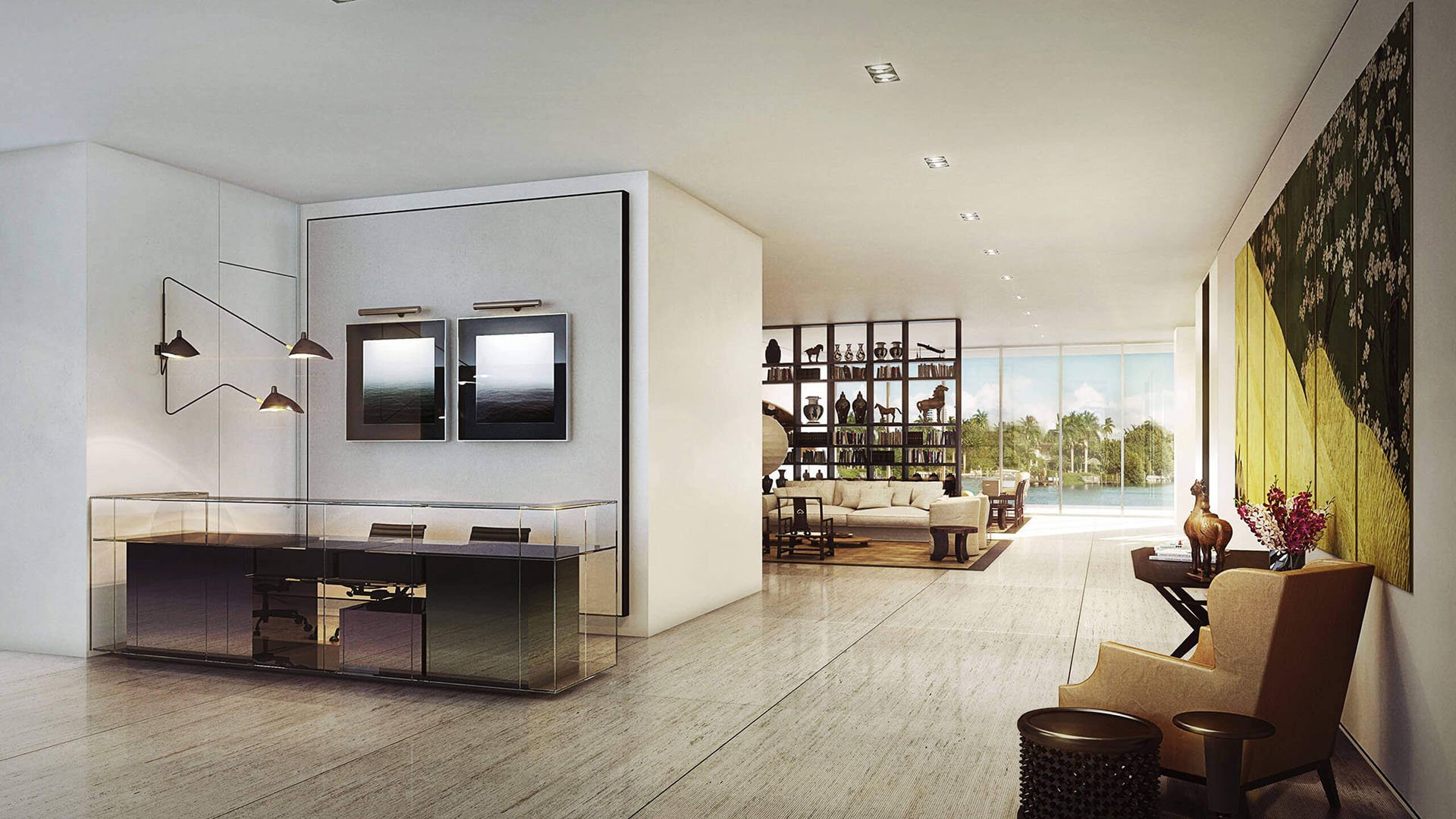
In the Miami Design District, privacy is not merely a feature. It is part of the architecture of daily life. A private or semi-private elevator landing can create a rare sense of arrival, separating the residence from the rhythm of a staffed lobby, valet court or amenity floor. Yet the essential question is not whether the elevator feels exclusive during a tour. It is how access is controlled after closing.
For buyers considering a residence such as Kempinski Residences Miami Design District, the elevator conversation should begin early. Treat it with the same seriousness as views, ceiling heights, parking and terrace depth. Access control determines who can reach your floor, when they can arrive, how guests are cleared and what happens when a fob is lost, a vendor is scheduled or a household staff member changes.
That is why private elevator access belongs in any serious buyer-guidance conversation. It is not a gadget. It is a private threshold, and its rules should be understood before a contract becomes emotional.
Luxury buyers often hear several phrases used interchangeably: private elevator, semi-private elevator, keyed elevator, controlled floor access and direct-to-residence arrival. Each can mean something different in practice.
Ask whether the elevator opens directly into the residence, into a private vestibule, into a shared foyer or onto a controlled corridor. Ask whether other residents, staff, management, delivery personnel or emergency responders can access the same stop. If the landing is shared, ask how many residences share it and whether camera coverage, lighting and package procedures are addressed in building rules.
The distinction matters. A private elevator that opens into a residence may require one set of protocols for guests and vendors. A semi-private landing may require another. In both cases, the value is not only the physical ride upstairs. It is the confidence that the path to your front door is governed by clear, enforceable procedures.
The quiet elegance of a private elevator is usually supported by practical tools: fobs, cards, keypads, mobile credentials, call stations, concierge authorization or programmed floor permissions. Buyers should ask which systems are used and who administers them.
Important questions include: How many credentials are issued at closing? Can additional credentials be created for family, staff or frequent guests? Are permissions permanent, temporary or scheduled by time of day? Can access be revoked immediately? Who logs changes? Is there a record of elevator calls or credential use, and who can review it?
For new-construction and pre-construction residences, ask whether access-control specifications are already finalized or still subject to change. If a sales presentation describes a seamless arrival, request the operational version of that promise: how the system works on a Tuesday evening, during a private dinner, when a driver is waiting, a chef is arriving and a guest is running late.
Miami Design District buyers often live with layered service: private chefs, art handlers, stylists, personal assistants, dog walkers, security consultants, wellness professionals and extended family. A beautiful elevator system can become frustrating if the building does not distinguish among these access needs.
Ask whether guests must be cleared through the front desk each time or can be preauthorized. Ask whether vendors use the same elevator, a service elevator or a separate route. Ask how move-ins, deliveries and repairs are scheduled. Confirm whether household staff can receive recurring access and whether that access can be limited to certain days, hours or floors.
The best buildings make hospitality feel invisible while keeping control visible to the owner. If the process is too loose, privacy suffers. If it is too rigid, daily life becomes inconvenient. The ideal answer is a written protocol that balances discretion, security and ease.
The Design District buyer often cross-shops nearby neighborhoods where vertical privacy is part of the purchasing language. In Brickell, for example, buyers evaluating The Residences at 1428 Brickell or Baccarat Residences Brickell may focus on how private arrivals coexist with high-service urban living. In Miami Beach, a buyer comparing The Perigon Miami Beach may ask how privacy is preserved in a resort-like residential environment.
The point is not to assume that one market has a single standard. It is to build a comparison set. Ask the same access-control questions in each building and listen for specificity. A confident answer will usually describe a process, not just a feeling. It will identify who controls credentials, how exceptions are handled and how the owner remains informed.
Private access should never create confusion during an emergency. Before buying, ask how first responders reach a residence, how elevator overrides work, what happens during a power interruption and whether stairs, service corridors or alternate entries are clearly managed.
Also ask how residents are notified during outages, inspections or maintenance. If an elevator is temporarily out of service, what is the backup route? If the residence has direct elevator entry, how is the home secured when maintenance access is required? These questions are not pessimistic. They are the difference between luxury as theater and luxury as a reliable system.
Buyers should also understand whether elevator maintenance visits can affect privacy. Ask whether technicians can reach residential floors without owner approval and whether management provides advance notice. In a high-value home, the maintenance calendar is part of the privacy plan.
A private elevator promise is useful only if it survives the transition from presentation to ownership. Ask your real estate advisor and counsel to review offering materials, condominium documents, rules, management policies and any technology summaries available before closing.
The central issue is control. Who has the authority to change access policies? Can the association modify guest procedures later? Are there rules governing cameras, smart locks or additional security at the private foyer? Are residents allowed to integrate their own systems, or must all access remain building-controlled?
For buyers considering high-design urban residences such as Villa Miami alongside the Design District, this review becomes even more important. The more refined the building experience, the more invisible the infrastructure may feel during a showing. Do not let elegance replace diligence.
During a tour, stand in the elevator landing and slow the conversation down. Ask to walk the full arrival sequence from valet or lobby to residence entry. Ask what a guest experiences, what a delivery person experiences and what a vendor experiences. Ask where cameras are located, where staff intervene and where the owner has direct control.
Then test real-life scenarios. What if a child forgets a fob? What if a spouse wants to grant access remotely? What if a housekeeper is dismissed? What if an art delivery is delayed past its scheduled window? What if an owner wants no unannounced staff presence on the residential floor?
The best answer is rarely dramatic. It is calm, specific and documented. In South Florida luxury real estate, privacy is not simply the absence of strangers. It is the presence of predictable systems.
Is private elevator access always direct-to-residence? No. It may mean direct entry, a private vestibule, a controlled floor stop or a shared landing with restricted access.
Who should explain the access-control system before I buy? Ask the sales team, building management and your advisor, then have counsel review any governing documents that address access.
Can I give temporary access to guests or staff? Many systems are designed for credential control, but you should confirm exactly how temporary or recurring permissions work.
What happens if a fob or access card is lost? Ask how quickly credentials can be deactivated, who approves replacements and whether any incident report is created.
Should vendors use my private elevator? Not necessarily. Confirm whether vendors use a service route, a resident elevator or a managed access procedure.
Can the association change elevator access rules later? Policies may be governed by condominium documents and board decisions, so review the authority to modify procedures.
Is camera coverage near a private elevator landing desirable? It can support security, but buyers should also understand privacy policies, viewing rights and retention practices.
What should Pre-Construction buyers ask about elevator access? Ask whether the system specifications, credential rules and guest protocols are finalized or still subject to refinement.
Does private elevator access affect resale value? It can strengthen perceived exclusivity when the system is practical, well-managed and easy for future buyers to understand.
What is the most important question to ask? Ask who controls access to your floor or residence, and how that control is documented, changed and enforced.
For a confidential assessment and a building-by-building shortlist, connect with MILLION.
If branded residences are on your mind — as a home or as an allocation — we would be glad to share what we are seeing, privately.
Begin a quiet conversation