For South Florida condo buyers, an outdoor kitchen is not just a lifestyle feature. Its durability can influence upkeep, downtime, renovation planning, and the long-term value of a family-scale residence.
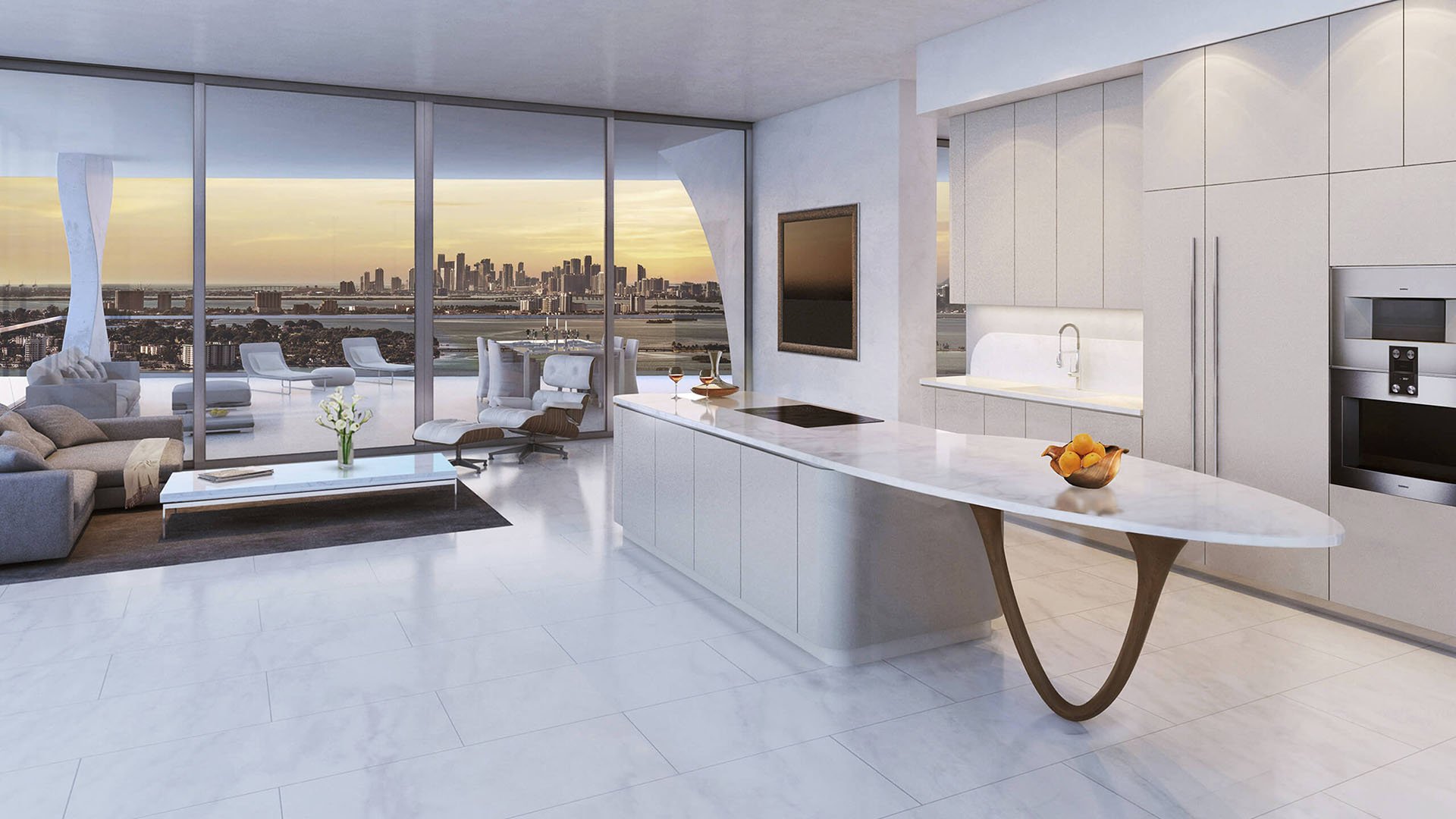
For a South Florida family-scale condo, the outdoor kitchen is often treated as an amenity: a visual promise of long lunches, school-night grilling, and easy entertaining. For a serious buyer, however, durability is not decorative. It is part of the real cost of ownership.
A well-planned exterior cooking area can expand the way a residence lives. A poorly specified one can become a recurring maintenance item, a source of service calls, or a space the family gradually stops using. The purchase price may reflect the view, the building, and the interior finishes, but the lived cost appears through repetition: how surfaces clean, how cabinetry closes, how appliances perform, how drainage behaves, and how confidently the space withstands ordinary family use.
That is why buyers comparing large residences in Brickell, Miami Beach, Sunny Isles Beach, or a quieter Waterfront enclave should look beyond the simple presence of an outdoor kitchen. The better question is whether it has been designed to remain useful without becoming delicate.
A pied-à-terre may use an outdoor kitchen occasionally. A family-scale condo uses it differently. Children move between indoor and outdoor spaces. Guests gather around counters. Meals happen quickly, not always ceremonially. The kitchen must tolerate spills, repeated cleaning, frequent opening and closing, and the casual pressure of daily life.
In that context, durability changes the financial picture because it reduces friction. When a grill station, sink area, storage run, or counter surface ages gracefully, the family gains a second living room with culinary purpose. When it does not, the owner inherits a project: refinishing, replacing, coordinating building approvals, and managing inconvenience.
This is especially relevant in buildings where terraces are central to the lifestyle proposition. Buyers comparing options such as The Residences at 1428 Brickell should consider how outdoor areas complement the interior plan, not merely how they photograph. The same thinking applies across coastal and bayfront markets, where outdoor space is often one of the emotional reasons a family chooses a condo over a house.
A Terrace can make a residence feel generous, private, and resort-like. It can also reveal weak specifications. Before assigning too much value to an outdoor kitchen, a buyer should study its most ordinary details.
Start with cabinetry. Does it feel solid when opened? Are the doors aligned? Are hinges, pulls, and tracks appropriate for an exterior setting? Then look at the counter surface. Is it easy to wipe down? Does it appear vulnerable to staining from cooking, citrus, oils, or casual family use? Next, consider the appliances as a system rather than as separate objects. A grill, refrigeration, sink, storage, and ventilation strategy should feel coordinated.
Drainage also matters. Outdoor kitchens need to be understood in relation to the surrounding terrace floor, nearby seating, and doors back into the residence. A cooking area that looks elegant but creates awkward cleaning patterns may cost more in attention than it adds in convenience.
In Miami Beach, buyers comparing residences such as The Perigon Miami Beach may value indoor-outdoor ease. For those buyers, the durability conversation should be as much about weekly usability as about first impressions.
Not every exterior culinary feature is the same. A Balcony may allow a compact moment of outdoor enjoyment, while a larger terrace can support a more complete kitchen, dining, and lounge sequence. That distinction affects cost because scale changes expectations.
If a residence is marketed around family living, the outdoor kitchen should be proportionate to that promise. A token counter or undersized appliance area may not deliver the value a buyer imagines. Conversely, a well-integrated outdoor kitchen can reduce pressure on the interior kitchen during gatherings and make the residence feel more flexible.
Buyers should ask how the outdoor area will be used in real life. Is breakfast outside realistic? Can children sit nearby while an adult cooks? Is there room for service circulation? Is storage close enough to avoid constant trips indoors? The answers help determine whether the feature is a genuine lifestyle asset or a decorative line item.
In Sunny Isles Beach, where vertical residences often compete on views and outdoor experience, a project such as St. Regis® Residences Sunny Isles invites this type of scrutiny. The outdoor kitchen should support the lifestyle narrative, not merely signal it.
The real cost of an outdoor kitchen is not only what a buyer pays at closing. It is the likelihood of future work. Replacement risk includes appliance swaps, cabinet repair, surface restoration, and the practical inconvenience of coordinating labor in a condominium setting.
This does not mean every buyer should demand the most elaborate outdoor kitchen. It means the feature should be evaluated with the same seriousness as flooring, millwork, glazing, or interior kitchen design. A restrained outdoor kitchen with resilient materials may be more valuable than a more dramatic one that appears vulnerable to heavy use.
Family buyers should also think about time. In a single-family home, a homeowner may have more direct control over exterior work. In a condominium, any substantial change can involve building protocols, access coordination, and sensitivity to neighboring residences. Durability can therefore protect not only money, but also privacy and ease.
Luxury buyers often recognize quality quickly. They may not itemize every hinge or finish, but they feel when an outdoor kitchen has substance. During resale, that perception can matter.
A durable outdoor kitchen supports confidence because it suggests the residence has been planned for actual use. It can make a family-scale condo feel complete, especially when paired with a strong floor plan, meaningful storage, and outdoor seating that works for more than staged photography.
For Waterfront residences, this point becomes more visible. Outdoor areas are part of the emotional value proposition. A buyer touring The Ritz-Carlton Residences® Pompano Beach, for instance, may be weighing how exterior living contributes to daily rhythm, guest hosting, and long-term satisfaction. The more durable and coherent the outdoor kitchen feels, the easier it is to believe in that lifestyle.
A disciplined buyer should ask direct, practical questions. What materials are specified for exterior cabinetry and counters? Which components are covered by warranties? What maintenance does the building recommend? Are there restrictions on future changes? How is ventilation addressed? How accessible are service points? Has the outdoor kitchen been designed as part of the architecture or added as an afterthought?
These questions are not meant to diminish the romance of outdoor living. They protect it. South Florida luxury is strongest when beauty and utility are aligned. A family-scale condo with a durable outdoor kitchen can feel effortless because much of the hard thinking has already been done.
Why does outdoor kitchen durability matter in a family-scale condo? It affects how often the space can be used comfortably and how much upkeep the owner may face over time.
Is an outdoor kitchen always a value add? Not automatically. It adds value when its materials, layout, and maintenance profile match the way the residence will actually be used.
What should buyers inspect first? Cabinetry, counters, appliances, drainage, and the relationship between the cooking area and the main outdoor seating zone should be reviewed early.
Does a larger Terrace make durability more important? Yes. The more central the Terrace is to daily living, the more reliably the outdoor kitchen needs to perform.
Can a Balcony outdoor feature still be meaningful? Yes, if it is appropriately scaled and easy to maintain. Compact does not need to mean fragile or symbolic.
How does durability affect resale? A well-kept outdoor kitchen can help a residence feel more complete and credible to future buyers.
Should buyers prioritize brand names or build quality? Build quality should lead. Brand names may be appealing, but the installation and material choices determine long-term usefulness.
What is a common mistake when valuing outdoor kitchens? Treating the feature as a visual upgrade without considering cleaning, repair access, and everyday family circulation is a common mistake.
Does outdoor kitchen planning differ by neighborhood? The core questions are consistent, but lifestyle expectations can vary between Brickell, Miami Beach, Sunny Isles Beach, and Waterfront settings.
When should a buyer bring in an advisor? Before making an offer, especially when the outdoor living area is a major reason for choosing the residence.
To compare the best-fit options with clarity, connect with MILLION.
If branded residences are on your mind — as a home or as an allocation — we would be glad to share what we are seeing, privately.
Begin a quiet conversation