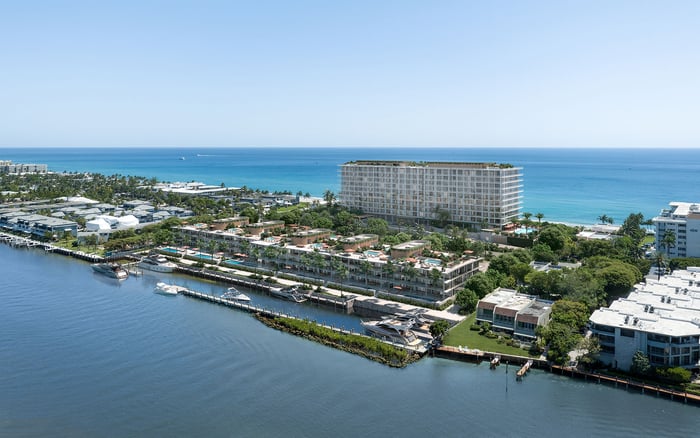
A discreet buyer’s guide to reading association meeting minutes before purchasing luxury real estate in Hillsboro Beach, with practical questions for governance, maintenance, capital planning, and lifestyle fit.

In Hillsboro Beach, the most important signals are not always visible from a private elevator foyer, an oceanfront terrace, or a sunset showing. Association meeting minutes can reveal the quieter dimensions of ownership: how decisions are made, how maintenance is prioritized, how residents communicate, and whether building leadership is proactive or merely reactive.
For luxury buyers, the goal is not to hunt for imperfections. Every significant property has ongoing decisions, capital needs, and resident preferences. The goal is to understand whether the association’s rhythm aligns with the price point, the lifestyle, and the buyer’s expectations for discretion, service, and long-term stewardship. Consider this Hillsboro Beach buyer’s-guide framework a way to turn document review into a more refined ownership conversation.
A polished lobby speaks to presentation. Minutes speak to governance.
Start with a simple question: what meeting minutes are available for review before the inspection or due diligence period ends? A single recent meeting may not be enough. You want to see patterns, recurring themes, unresolved items, and whether prior concerns were closed out or carried forward.
Ask whether you can review board meeting minutes, owner meeting minutes, budget meeting notes, committee notes, and any meeting materials customarily shared with prospective purchasers during the transaction process. Your attorney or real estate advisor can help frame the request appropriately and keep it within the contract timeline.
The sophistication of the response matters. A well-run association should be able to guide the process in an orderly manner, even when certain materials require formal handling.
One mention of a repair, rule discussion, or vendor question may be routine. Repetition is more revealing. When reading the minutes, ask which topics appear repeatedly and whether the association has taken action.
Look for recurring discussion around building systems, elevators, garage areas, roof or envelope matters, pool decks, landscaping, security, staffing, noise, guest policies, pets, deliveries, parking, and access control. You are not trying to diagnose the property from minutes alone. You are identifying which questions deserve deeper review by your inspector, attorney, lender, insurance advisor, or association contact.
This matters in resale purchases because the buyer is stepping into an existing governance culture. It also matters when comparing new-construction alternatives, where the early tone of association formation, turnover planning, and service expectations can shape the first years of ownership.
Luxury buyers often focus on finishes inside the residence. Minutes redirect attention to the building as an asset. Ask how the association discusses capital planning, major repairs, design upgrades, and long-range maintenance.
Does the board speak in broad generalities, or does it document scope, timing, vendor review, owner communication, and funding options? Are projects deferred repeatedly, or are they advanced with visible structure? Is there a consistent distinction between aesthetic enhancements and necessary infrastructure work?
For an oceanfront or waterfront property, the long-term ownership experience is closely connected to how the building cares for shared assets. The minutes can help a buyer understand whether the association treats the property as a trophy address or as a living building that requires disciplined care.
Meeting minutes are not a replacement for reviewing budgets, financial statements, reserve information, or association documents. They are a companion. Ask whether the minutes reference special assessments, increases, reserve discussions, collection issues, or changes in service levels.
The question is not simply whether costs may rise. In prime South Florida buildings, high service standards can require meaningful funding. The more important question is whether owners appear aligned around preserving the property’s condition and experience. Minutes can reveal whether financial conversations are calm and strategic, or late and contentious.
If you are comparing Hillsboro Beach with nearby coastal options, use the same lens. A buyer considering Rosewood Residences Hillsboro Beach may think differently about association structure than a buyer comparing branded or boutique residences along the broader coastline, but the underlying question remains the same: how is shared value protected?
Association minutes can be surprisingly useful for lifestyle due diligence. They may show how the community approaches guests, vendors, deliveries, marina or beach access protocols, pets, events, fitness amenities, pool use, renovation work, and privacy expectations.
For a primary residence, these details affect daily life. For a second home, they influence ease of arrival and departure. For an investment-minded buyer, they may affect marketability, even when rental use is not the buyer’s primary intent.
The best luxury associations tend to balance hospitality with order. Minutes can show whether a building leans formal, relaxed, service-driven, owner-managed, highly private, or more social. A beautiful residence can still feel mismatched if the association culture does not align with the buyer’s expectations.
Hillsboro Beach buyers often cross-shop other coastal addresses before committing. That comparison should go beyond views and floor plans. It should include how each association communicates, resolves issues, and funds priorities.
For instance, a buyer weighing the feel of Armani Casa Residences Pompano Beach against The Ritz-Carlton Residences® Pompano Beach may be drawn to different design languages and service expectations. The minutes, where available, can add another layer: how the property’s promise is managed after the marketing materials end.
The same applies farther south or north. A buyer considering Four Seasons Hotel & Private Residences Fort Lauderdale may evaluate branded service, urban access, and association structure differently than a Hillsboro Beach buyer seeking a quieter residential cadence. Minutes help translate those preferences into operational reality.
A skilled advisor is not looking for drama. They are looking for omissions, tone, and trajectory. Are questions answered clearly? Are open items tracked? Do owners appear informed? Does the board communicate decisions with confidence? Are sensitive topics handled with professionalism?
Minutes are often concise by design, so silence can be as meaningful as detail. If an issue is hinted at but not explained, ask what supporting documents can be reviewed. If a major project is mentioned, ask how it is funded and who is managing it. If resident complaints appear frequently, ask whether the association has implemented a solution.
The strongest luxury purchase decisions combine architecture, setting, service, financial diligence, and governance review. In Hillsboro Beach, where privacy and coastal beauty are central to the appeal, association minutes offer a rare view into what ownership may actually feel like after closing.
Why should I review association meeting minutes before buying? Minutes can reveal recurring issues, governance style, and pending decisions that may not be visible during a showing.
How many months of meeting minutes should I ask to review? Ask for enough history to identify patterns rather than relying on a single meeting. Your advisor can help set a practical look-back period.
Can meeting minutes replace an inspection or document review? No. They should complement inspections, financial review, legal review, and direct association questions.
What is the most important thing to look for? Repetition. Topics that appear again and again may deserve deeper investigation before closing.
Should I worry if repairs appear in the minutes? Not automatically. The better question is whether repairs are being addressed with planning, funding, and follow-through.
Do minutes show whether an association is well managed? They can offer clues through tone, clarity, and consistency. They are one part of a broader due diligence picture.
What should I ask about special assessments? Ask whether assessments have been discussed, approved, deferred, or tied to specific projects. Then review the financial documents with counsel.
Can minutes reveal lifestyle restrictions? They may reference rules, resident concerns, amenity use, deliveries, renovations, guests, or pets. Confirm all rules in the governing documents.
Are meeting minutes important for new developments? Yes, where available. Early records can show how governance, service standards, and owner communication are taking shape.
Who should review the minutes with me? Use a qualified real estate advisor, attorney, inspector, and financial professional as appropriate. Each will see different risks and opportunities.
When you're ready to tour or underwrite the options, connect with MILLION.
If branded residences are on your mind — as a home or as an allocation — we would be glad to share what we are seeing, privately.
Begin a quiet conversation