A discreet buyer’s guide to assessing oceanfront calm, resident privacy, arrival patterns, beach access, building culture, and long-term fit before purchasing in Hallandale Beach.
For buyers considering Hallandale Beach, oceanfront calm is not a marketing phrase. It is a daily condition to inspect, test, and compare with the same rigor applied to floor plan, view corridor, and finishes. A residence may sit beautifully on the sand yet feel distinctly different at 8 a.m., 3 p.m., and after dinner. The most discerning buyers are not simply asking whether a property is oceanfront. They are asking whether the building functions as a private residential address.
Hotel traffic is the essential distinction. It can alter the rhythm of an arrival court, the tone of a lobby, the pace of elevator use, and the privacy of beach access. For a buyer seeking a second home, primary residence, or long-hold waterfront asset, the objective is to understand whether the property’s daily flow supports quiet ownership or introduces a transient energy that may not align with the intended lifestyle.
In Hallandale Beach, a residential reference such as 2000 Ocean Hallandale Beach is useful to study because it frames the conversation around privacy, vertical living, and the experience of coming home rather than checking in. Nearby alternatives such as Shell Bay by Auberge Hallandale can also help buyers compare how different luxury environments organize access, service, and residential identity.
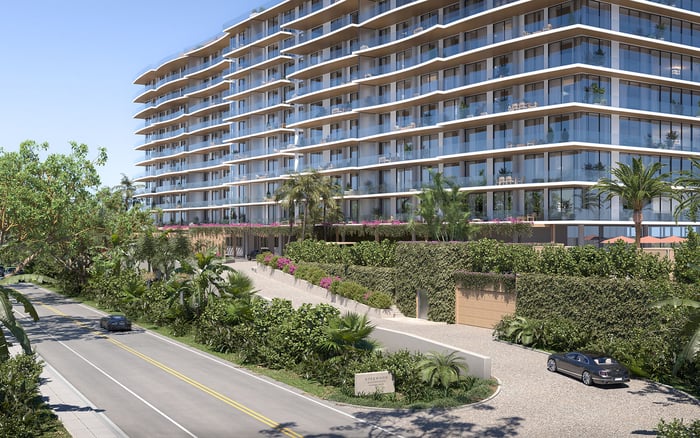
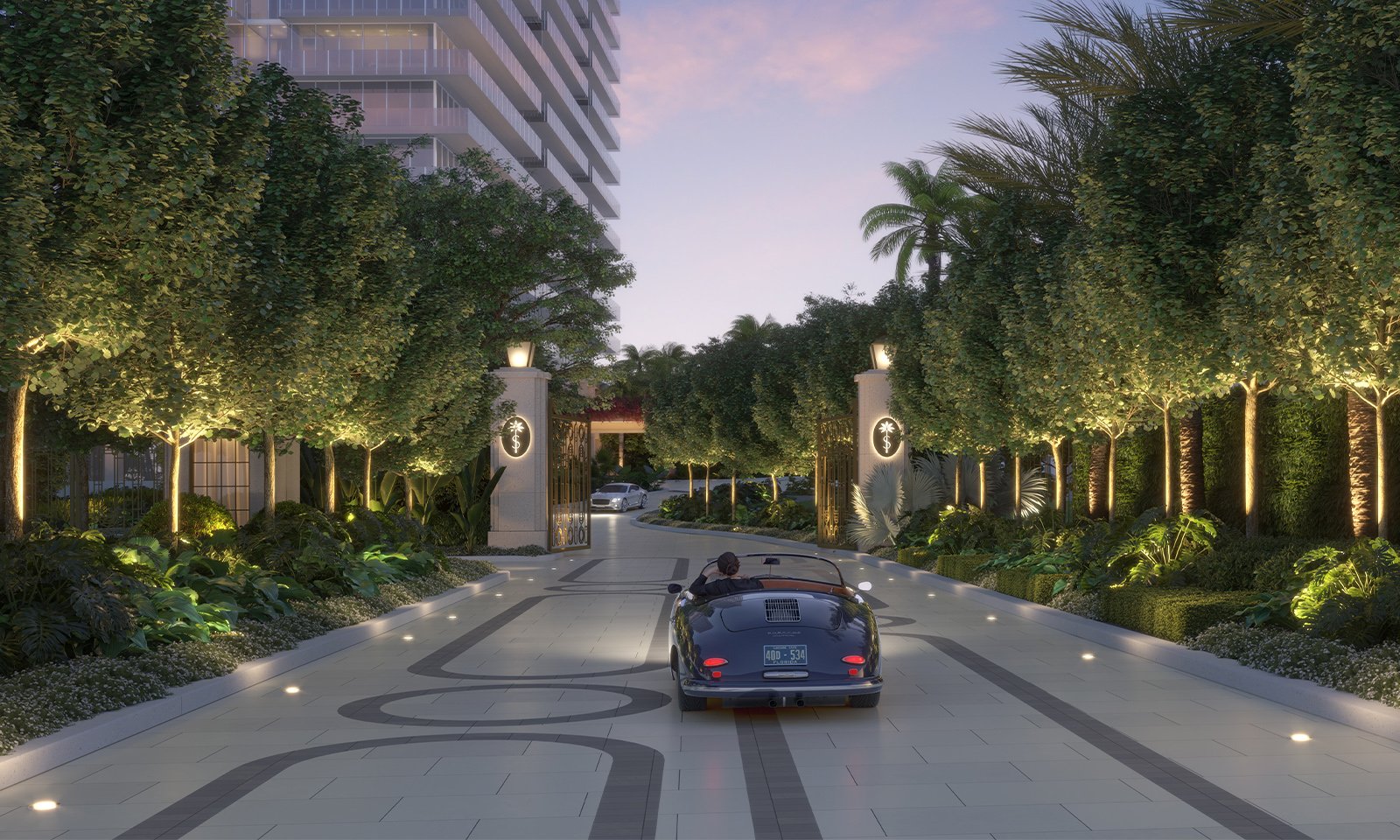
The view may create the first impression, but the arrival sequence often reveals the truth. Buyers should visit the property during multiple time windows and observe the entrance without rushing. Is the driveway composed or congested? Does valet service feel residential, or does it move with the urgency of a hospitality venue? Are guests, delivery providers, beachgoers, and residents sharing the same path?
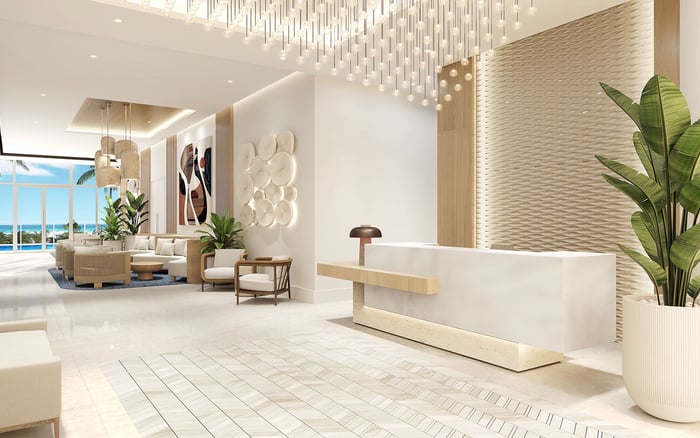
A calm building usually has an intuitive procession: clear resident arrival, controlled guest entry, discreet service circulation, and a lobby that feels attended without becoming theatrical. If the arrival sequence is confusing, crowded, or heavily dependent on staff improvisation, the experience may feel less private over time.
Buyers should also note sound. Not just traffic noise, but rolling luggage, group arrivals, ride-share stacking, and lobby acoustics. A quiet oceanfront address is not silent; it is choreographed. The distinction matters.
A luxury condominium is not only architecture. It is governance, staffing, rules, and the expectations of the owner community. Before purchasing, review how the building handles guests, short visits, deliveries, beach service, private events, and amenity reservations. The most polished properties make these protocols feel effortless, but they should still be understood before contract.
Ask how access is managed from garage to residence, from lobby to elevators, and from pool deck to beach. Ask whether residents and visitors use separate channels where appropriate. Ask whether amenities are programmed primarily for owners or whether outside activity has a meaningful presence. None of these questions are intrusive. They are central to protecting the quality of ownership.
This is where waterfront property evaluation becomes more refined. A bayfront or intracoastal residence may offer a different privacy profile than a direct beach building, while an oceanfront condominium may offer unmatched horizon views but require closer attention to access patterns. The right answer depends on how the buyer wants to live.
Beach access should be tested physically. Walk from the residence level, or from the elevator bank if access is restricted during a showing, toward the pool and sand. Notice whether the path feels private, whether beach service areas are clearly organized, and whether the transition from building to shoreline preserves a residential tone.
The best beach experience is not only proximity. It is control. Buyers should ask who uses the access points, how chairs and umbrellas are managed, where staff stages service, and how residents return from the beach without crossing high-traffic public or hospitality zones. If the process feels elegant when the building is quiet, ask how it feels during peak weekends and holidays.
Comparative tours can sharpen judgment. A buyer studying Broward oceanfront living may look at Armani Casa Residences Pompano Beach or Rosewood Residences Hillsboro Beach to understand how different coastal markets express privacy, service, and beachside atmosphere. These comparisons are not about declaring one address superior. They help define what calm feels like in practice.
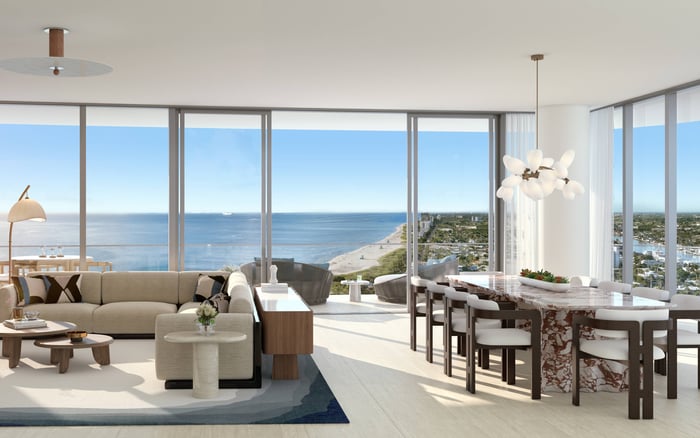
Once the exterior rhythm feels right, move inside the residence and study the plan. Private elevator entry, separation between entertaining and bedroom areas, service access, storage, acoustic performance, terrace depth, and exposure all affect daily calm. A high floor may feel serene, but low-floor residences can offer a stronger connection to landscape and water if the building is well composed.
Buyers should pay close attention to terrace orientation. A terrace facing an active pool deck, amenity area, or adjacent building may feel different from one oriented primarily toward water and sky. The same applies to elevator proximity. Convenience is valuable, but too much corridor activity near the entry can undermine the sense of retreat.
Acoustics deserve direct attention. During a showing, pause in the primary suite, living room, terrace, and entry foyer. Listen. Mechanical systems, hallway sounds, service areas, and nearby amenity activity can all influence comfort. In ultra-premium real estate, quiet is a finish.
Hotel traffic is not limited to a lobby. It can appear in nearby curb activity, ride-share concentration, restaurant circulation, public beach movement, and evening traffic patterns. A buyer should drive the immediate area at different hours and approach the building from several directions. This reveals whether access feels seamless or situational.
The objective is not to avoid all energy. South Florida luxury is often defined by the balance between privacy and proximity. The question is whether the surrounding rhythm supports the buyer’s habits. A full-time resident may value predictable daily access. A seasonal owner may care more about peak winter weekends. A family may prioritize calm arrivals and controlled guest circulation. An investor-minded buyer may weigh desirability differently, but should still understand the lived experience.
The most effective due diligence questions are practical. How many entry points exist for residents, guests, vendors, and beach service? How are larger guest arrivals handled? What are the rules around rentals, events, and amenity guests? How does the association or management team communicate building standards? What improvements are planned that could affect access, noise, or service flow?
Buyers should also ask to see relevant building documents, budgets, rules, and any information that clarifies operating expectations. Legal and financial review should be handled by appropriate advisors, but lifestyle review belongs to the buyer. If calm is a purchase requirement, it should be treated as a contract-level priority, not a post-closing hope.
A single quiet showing proves little. Repeatable calm is the standard. Visit once during a weekday, once near the weekend, and once at a time when residents are likely returning from the beach, dinner, or errands. If the property feels composed across those moments, the building may offer the private rhythm the buyer seeks.
For Hallandale Beach buyers, the strongest decision comes from comparing the promise of the view with the reality of arrival, access, governance, and daily sound. The finest residences do not merely face the ocean. They protect the owner’s ability to experience it privately.
What does oceanfront calm mean for a Hallandale Beach buyer? It means the property offers a composed residential experience, from arrival to beach access, without a constant hospitality-style flow.
Is hotel traffic always a negative? Not necessarily. Some buyers enjoy active service environments, but those seeking privacy should understand how transient use affects daily life.
How many times should I visit before deciding? Multiple visits at different hours are advisable because arrival, lobby, elevator, and beach activity can change throughout the day.
What should I watch for at the entrance? Look for ride-share stacking, valet congestion, unclear guest flow, and whether residents have a distinct, calm arrival experience.
Why does beach access matter so much? Beach access shapes the daily ritual of oceanfront ownership, especially if residents must share paths with heavy visitor or service traffic.
Can a high-floor residence solve traffic concerns? A high floor may improve privacy inside the residence, but it does not change the building’s lobby, valet, elevator, or amenity rhythm.
Should I compare Hallandale Beach with nearby coastal markets? Yes. Comparing other luxury waterfront settings helps clarify whether Hallandale Beach best matches your preferred balance of privacy and access.
What documents should be reviewed before purchase? Buyers should review association rules, rental policies, budgets, disclosures, and any materials that clarify building operations.
How do I know if a building is truly residential in feel? The best indicators are controlled access, consistent staffing, calm common areas, clear guest policies, and repeatable quiet across visits.
What is the biggest mistake buyers make? They focus on the view alone and fail to test the daily experience of arriving, circulating, using amenities, and accessing the beach.
To compare the best-fit options with clarity, connect with MILLION.
If branded residences are on your mind — as a home or as an allocation — we would be glad to share what we are seeing, privately.
Begin a quiet conversation