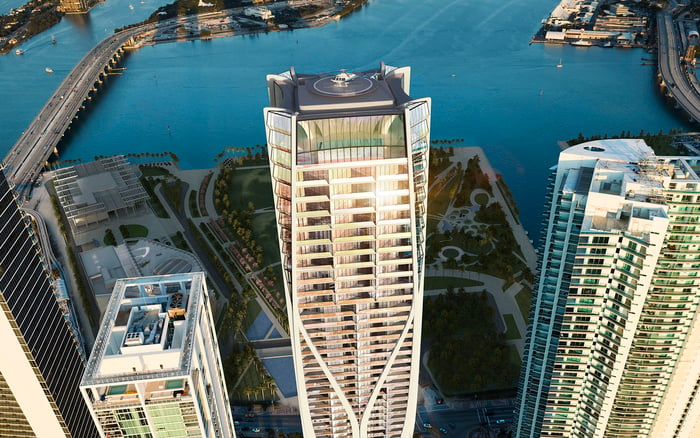
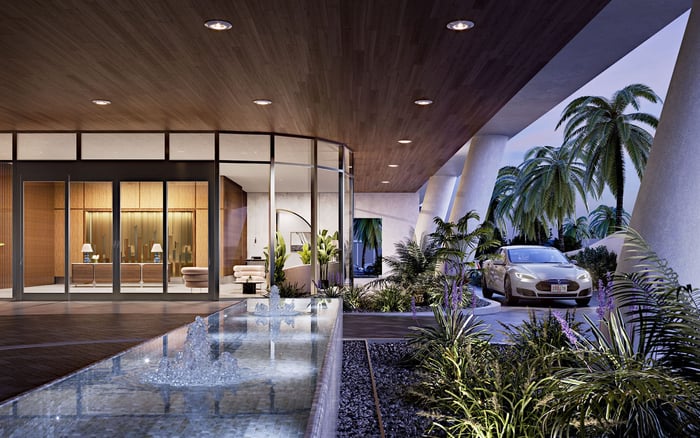
A discreet due-diligence guide for buyers comparing branded hospitality, established Coconut Grove condominium living, and boutique Bay Harbor Islands privacy.
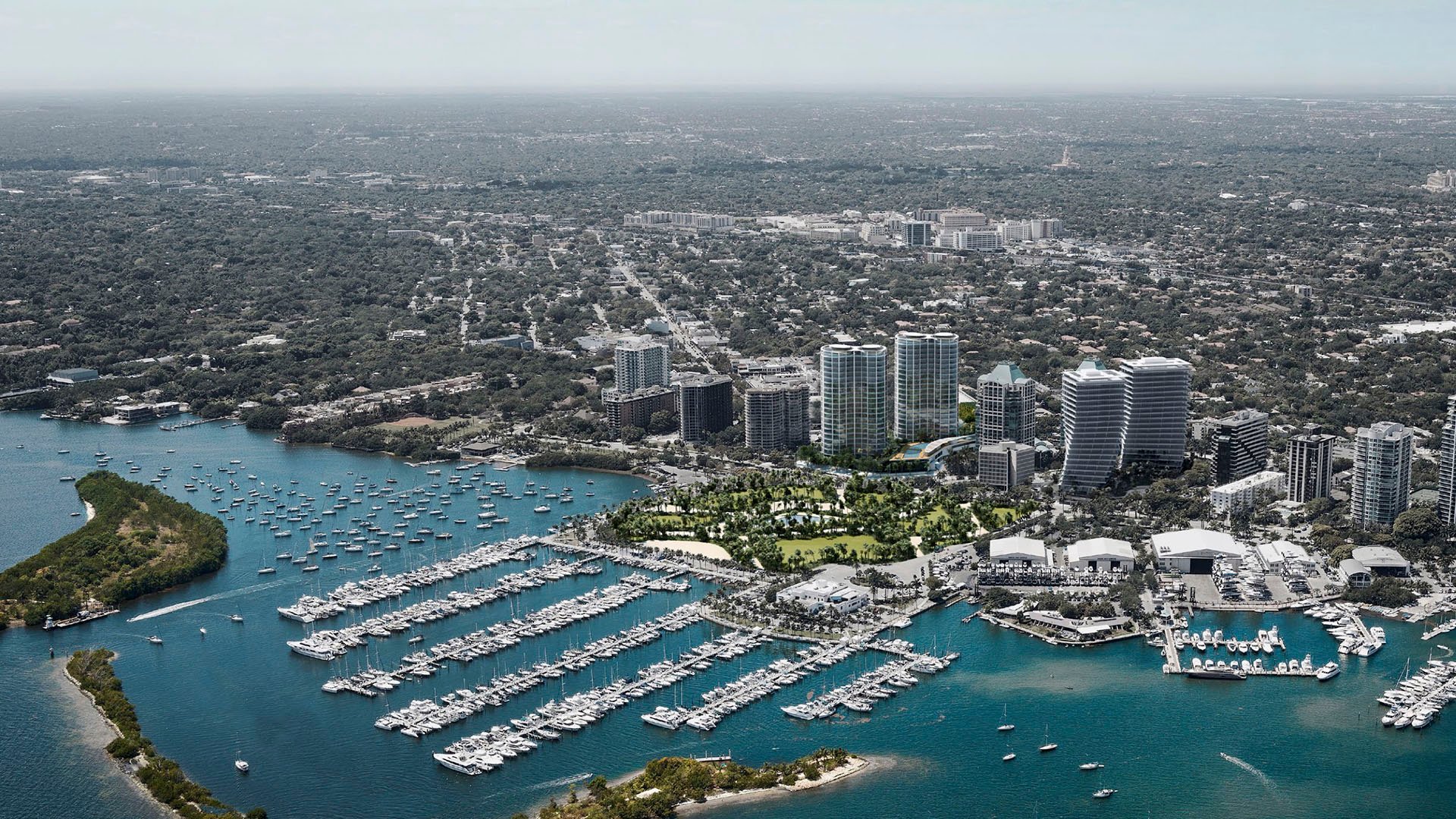
For serious South Florida buyers, the choice between Mr. C Tigertail Coconut Grove, Park Grove Coconut Grove, and Mila Bay Harbor Islands is not simply a matter of taste. It is a study in governance, service durability, neighborhood rhythm, coastal resilience, and whether the lifestyle being presented will remain compelling after closing.
This is where a sophisticated search becomes less emotional and more exacting. The right residence should feel effortless; the purchase process should not. In the MILLION Buyer's Guides framework, the strongest questions reveal how a building actually operates: who pays for what, who manages the experience, how the association plans for the future, and how the address performs in daily life.
Mr. C Tigertail belongs in a different category than a conventional condominium. Buyers should evaluate it as a branded-hospitality living concept, not only as a private residence. The essential questions are direct: Which services are included in the condominium structure? Which services are à la carte? What staffing standards are contractually required? How are brand standards preserved over time? What happens if costs rise?
That level of clarity matters for anyone considering Branded Residences. A brand can elevate daily life, but only when its promises are embedded in the operating structure rather than left to broad marketing language. Buyers should request the governing documents that explain service delivery, staffing, shared facilities, owner obligations, and the financial mechanics behind the experience.
Park Grove, by contrast, should be viewed through the lens of an established Coconut Grove luxury condominium environment. The buyer's question is not whether the setting feels desirable; it is how the bay-oriented lifestyle, association structure, reserves, maintenance obligations, and resale context compare with newer branded developments in the same micro-market.
Mila presents a separate proposition in Bay Harbor Islands. Here, the analysis should focus on boutique-scale living, privacy, staffing depth, parking, deliveries, and whether the association budget realistically supports the promised lifestyle. The smaller or more intimate a building feels, the more carefully buyers should test how services function on ordinary weekdays, not only during a sales presentation.
Coconut Grove and Bay Harbor Islands attract different buyers for clear reasons. Coconut Grove emphasizes village character, mature greenery, marinas, parks, dining, bay access, and a residential fabric distinct from the taller energy of Brickell or Downtown Miami. A buyer considering Mr. C Tigertail should walk the surrounding streets at different times of day, study view corridors, observe traffic patterns, and test the connection to the Grove's marinas, parks, restaurants, and village life.
For Park Grove, the question is how much value the buyer places on a bayfront or bay-oriented Coconut Grove setting, privacy, greenery, and long-term residential stability. The Grove has a particular emotional pull, but serious buyers should still ask practical questions: How does the building perform during peak traffic? How convenient is the daily routine? How does the residence feel in season, out of season, during school hours, and on weekend evenings?
Bay Harbor Islands should be evaluated on its own terms. Mila's appeal is tied to a quieter island setting near Bal Harbour, with a different rhythm from Coconut Grove. Buyers should study bridge connectivity, access to Bal Harbour, walkability, school or family-lifestyle fit, delivery logistics, and the implications of island traffic. For a Bay Harbor buyer, serenity is valuable only if circulation and access patterns support real life.
Headline pricing is only the beginning. A serious buyer should build a total ownership model that includes purchase price, condominium dues, reserves, potential assessments, insurance pass-throughs, taxes, parking, storage, and service charges. This is especially important when comparing a branded hospitality concept, an established Grove condominium, and a boutique island residence.
For Mr. C Tigertail, buyers should ask how association fees, branded-services fees, reserves, and future operating costs are structured. If a service is central to the lifestyle, the funding must be clear, along with whether usage costs vary and how increases can be approved.
For Park Grove, the core questions are financial health and transparency. Buyers should review budgets, reserves, insurance coverage, and any history of major assessments. A polished residence can still carry meaningful future obligations if the building envelope, insurance environment, or capital planning requires significant owner funding.
For Mila, the question is whether boutique-scale economics support the intended experience. Privacy and intimacy can be powerful advantages, but buyers should understand how many owners share fixed costs, how staffing is budgeted, how parking and deliveries are managed, and whether the association's financial structure feels sustainable.
South Florida luxury buyers should never treat coastal-risk diligence as a secondary step. Flood elevation, stormproofing, generator redundancy, water-intrusion history, insurance deductibles, and emergency-power systems all belong in the first round of questions. The more waterfront or water-adjacent the lifestyle feels, the more important it is to understand building performance.
At Park Grove, buyers should examine building-envelope performance, storm resilience, flood-zone exposure, emergency systems, and long-term maintenance obligations. At Mr. C Tigertail, buyers should ask how the residence, common areas, service systems, and operating plan are designed to handle storm events and post-storm continuity. At Mila, buyers should study the island setting, access routes, flood considerations, and how the building's systems support comfort and safety.
These questions are not about pessimism. They are about protecting the quiet enjoyment of a home that may be used as a primary residence, second home, or long-hold asset.
Before signing, buyers should request condominium documents, budgets, reserve studies, insurance details, rental restrictions, pet policies, house rules, and pending litigation disclosures. These materials often reveal more about ownership quality than any amenity description.
Rental rules matter for flexibility. Pet policies matter for daily comfort. House rules matter for privacy and noise. Litigation disclosures matter for risk. Insurance matters for carrying costs. Reserves matter for long-term stability.
Exit strategy should also be part of the decision. Park Grove's resale liquidity should be considered against competing Coconut Grove luxury inventory, especially because the Grove attracts buyers seeking privacy, greenery, bay proximity, and residential permanence. Mr. C Tigertail's future demand may depend on how well the branded living concept is operated. Mila's resale profile may depend on how strongly buyers continue to value boutique Bay Harbor Islands living near Bal Harbour.
The best purchase is rarely the one with the most seductive first impression. It is the one where the documents, neighborhood, operating budget, building systems, and ownership culture all support the same conclusion.
What is the first question to ask before choosing among these residences? Ask what you are actually buying: branded service, established Coconut Grove condominium living, or boutique Bay Harbor Islands privacy.
Why does branded service require extra diligence? Buyers should confirm which services, staffing standards, and brand obligations are contractually included and how they are funded.
What should Park Grove buyers review first? Review association budgets, reserves, insurance coverage, maintenance obligations, and any history of major assessments.
How should a buyer evaluate Mila Bay Harbor Islands? Focus on boutique scale, privacy, staffing, parking, delivery logistics, and whether the budget supports the intended lifestyle.
Is Coconut Grove comparable to Bay Harbor Islands? They should be compared carefully, but they offer different rhythms: Coconut Grove is greener and village-oriented, while Bay Harbor Islands is quieter and island-like.
What documents should buyers request before signing? Request condominium documents, budgets, reserve studies, insurance details, rental rules, pet policies, house rules, and litigation disclosures.
Why is coastal-risk diligence essential? Flood elevation, storm resilience, water-intrusion history, generator systems, and insurance deductibles can affect comfort and cost.
How should total cost of ownership be modeled? Include price, dues, reserves, assessments, insurance pass-throughs, taxes, parking, storage, and service-related charges.
Does resale liquidity matter for a long-term buyer? Yes. Even long-term owners should understand how the building competes within its micro-market and who the future buyer may be.
Should lifestyle fit be weighed as heavily as price? Yes. The strongest purchase aligns budget, governance, neighborhood rhythm, building performance, and daily routines.
For a confidential assessment and a building-by-building shortlist, connect with MILLION.
If branded residences are on your mind — as a home or as an allocation — we would be glad to share what we are seeing, privately.
Begin a quiet conversation