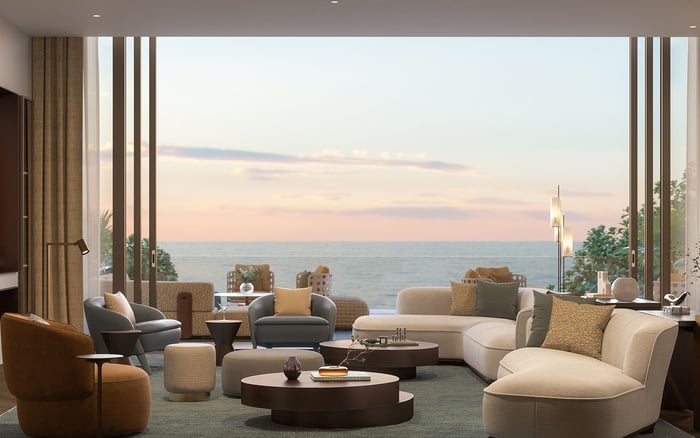
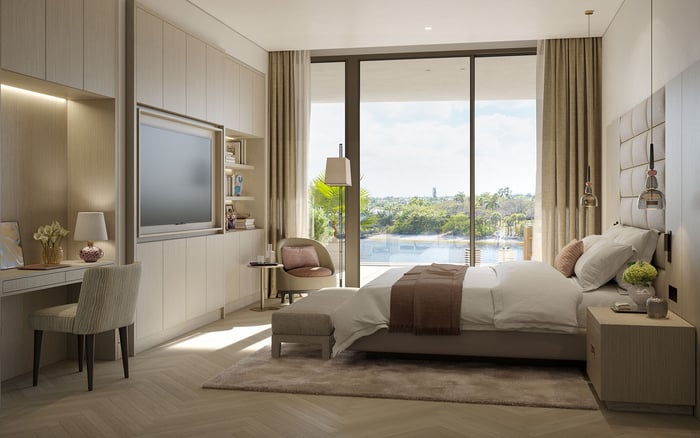
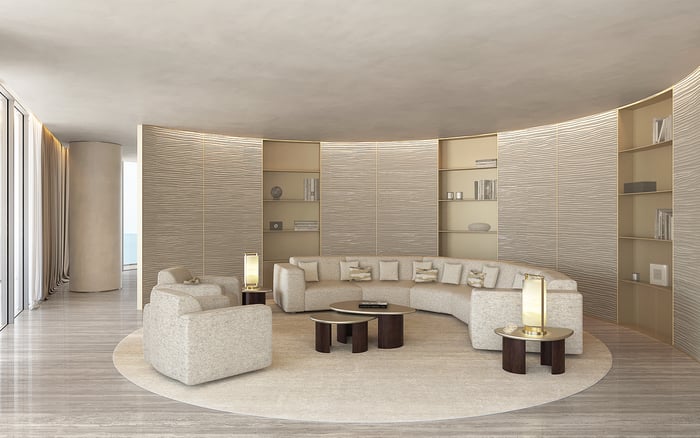
A collector-focused look at how W Pompano Beach Hotel & Residences could suit art owners, designers, and creative professionals seeking oceanfront calm with a branded hospitality layer.
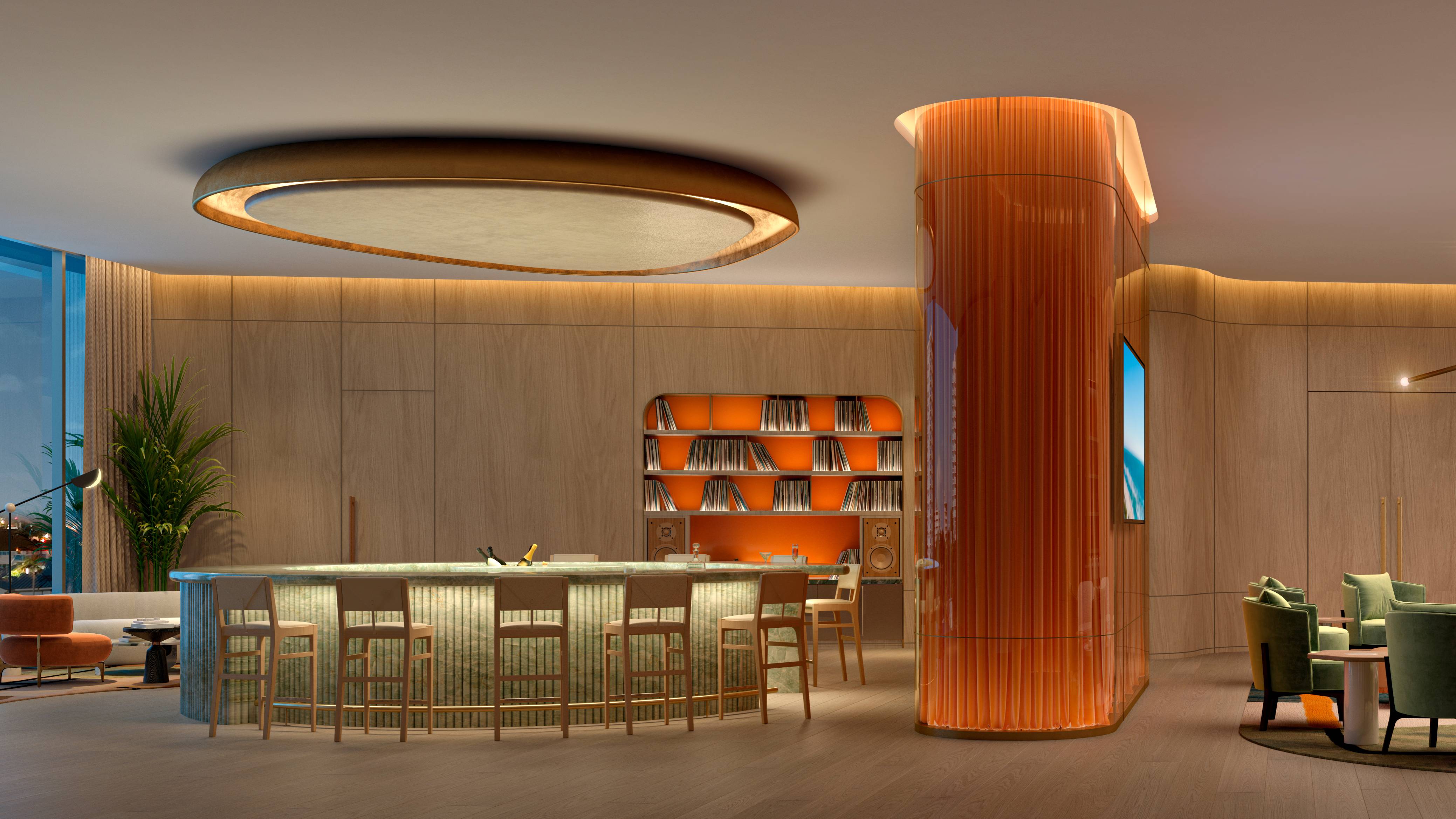
W Pompano Beach Hotel & Residences occupies a compelling intersection: branded hospitality, oceanfront living, and a design-conscious residential narrative in one of Broward County’s closely watched coastal markets. For a conventional buyer, the appeal may begin with the beach. For an art collector, designer, or creative professional, the more important question is subtler: can the building support a curated life?
That requires looking beyond the postcard view. Serious collectors think in terms of wall planes, natural light, security, delivery procedures, elevator experience, humidity control, entertaining flow, and the ability to live with meaningful work without turning a home into a warehouse. Designers consider proportion, material restraint, guest arrival, and whether a residence can function as both retreat and working reference library.
The project’s W identity matters because it signals a lifestyle oriented around design, social energy, and hospitality service. The most compelling version of W Pompano Beach Hotel & Residences is not simply a beach address with a brand attached. It is a potential base for display, collaboration, collecting, and a highly edited coastal routine.
Pompano Beach is emerging as a higher-end destination between Fort Lauderdale and Boca Raton. That middle position is especially relevant for buyers whose lives do not sit neatly in one city. A collector may attend fairs and gallery events in Miami, visit framers or fabricators in Broward, and maintain social or advisory relationships in Palm Beach County. A designer may move among client homes, showrooms, studios, and supplier meetings across the region.
This geography gives Pompano Beach a practical advantage. It offers a quieter oceanfront setting than denser luxury corridors while still allowing access to South Florida’s broader cultural and design circuit. For certain buyers, that calm is not incidental. Open ocean views and reduced visual clutter can become part of the interior experience, creating a more disciplined backdrop for art, objects, books, and furniture.
The surrounding market is also becoming more sophisticated. Nearby branded and luxury projects such as Armani Casa Residences Pompano Beach and The Ritz-Carlton Residences® Pompano Beach reinforce the idea that this stretch of coastline is no longer a secondary conversation. It is increasingly part of South Florida’s premium residential map.
A museum-like residence is not defined by white walls alone. It is defined by control. Buyers with meaningful collections should study how a residence might accommodate art across public rooms, private corridors, bedrooms, libraries, and transitional spaces. Large works need breathing room. Sculptural pieces need circulation. Photography, works on paper, and textiles may require more careful attention to light and climate.
At W Pompano Beach, the central question is how the combination of architecture, interior language, amenities, security, operations, and flexibility could support that level of control. The strongest homes for collectors provide places to display, places to store, and places to receive. They also let art coexist with daily life rather than forcing every room to perform as a formal gallery.
Designers should think similarly. A residence may need to host client conversations, mood-board reviews, sample layouts, or small creative gatherings. It may also need quiet corners for reading, sketching, writing, or reviewing materials. The value is not only in square footage. It is in whether the plan can absorb creative work without compromising the elegance of the home.
Branded residences are expanding along South Florida’s Atlantic coastline because buyers increasingly want service, identity, and ease. For collectors, the hospitality layer can be more than a lifestyle amenity. It can influence how guests arrive, how private events feel, how maintenance is handled, and how smoothly the building functions when the owner is traveling.
A W-branded environment also carries a particular design vocabulary: energetic, contemporary, and socially aware. That may appeal to collectors whose tastes are not purely traditional, especially those who want a home that can accommodate dinner parties, salon-style evenings, or informal gatherings around art and design. The building’s personality may be especially relevant for owners who see their residence as a living environment rather than a sealed private archive.
The comparison set is broadening. Buyers considering Pompano may also look south to design-forward coastal buildings such as Arte Surfside or north toward emerging Palm Beach County options. The difference is that Pompano Beach can offer a midpoint sensibility: coastal, quieter, but still connected.
For art-focused buyers, due diligence should be granular. Ask where significant pieces would actually go. Consider whether views compete with artwork or frame it. Study how morning and afternoon light enters the rooms. Think about whether the residence can support both formal display and relaxed living. A spectacular view can be an asset, but it can also dominate the room if the interior does not have enough composure.
Privacy is equally important. Collectors often host advisors, curators, installers, designers, photographers, and guests. A building that manages arrivals discreetly can make those interactions feel natural. Security is not only about access. It is about predictable procedures, professional staffing, and confidence that valuable objects can be received or moved with care.
Storage is another quiet marker of quality. Not every work belongs on view at all times. Not every design sample should sit in the living room. Buyers should examine how closets, service areas, secondary rooms, and potential work zones could support rotation, archiving, and creative production. The best luxury residence for this audience is not necessarily the most theatrical. It is the one that can be edited over time.
W Pompano Beach Hotel & Residences may suit buyers who want to live near the ocean without disconnecting from the region’s cultural engine. Miami remains central to the art and design conversation, while Palm Beach County brings an established luxury ecosystem. Pompano Beach sits between those poles, offering a base that can feel calmer without feeling remote.
That positioning is meaningful for designers and collectors who value movement. A morning might begin with the ocean, continue with a studio visit or client meeting, and end with a small dinner at home surrounded by selected works. In this context, the residence is not just a place to sleep. It becomes a platform for taste, relationships, and creative rhythm.
Other branded projects, including Waldorf Astoria Residences Pompano Beach, show how Pompano’s luxury identity is being reshaped by hospitality-led residential concepts. For the right buyer, W’s more design-forward posture may offer a distinct counterpoint within that same coastal evolution.
The right question is not whether W Pompano Beach is “art friendly” in a generic sense. The better question is whether a specific residence can support a specific collection, a specific working style, and a specific social life. A buyer with contemporary paintings has different needs than one with sculpture, photography, collectible design, or archival material. A designer who entertains clients has different needs than a collector who prefers privacy.
The building’s potential lies in its combination of beachfront calm, branded service, and a lifestyle that appears aligned with creative living. Its success for any individual buyer will depend on the residence selected, the interior plan, the light, the service protocols, and the owner’s willingness to plan display from the beginning rather than as an afterthought.
For art collectors and designers, that is the real luxury: a home that does not merely contain taste, but gives it room to evolve.
Is W Pompano Beach Hotel & Residences a fit for art collectors? It may be, particularly for buyers who value oceanfront calm, branded service, and a design-conscious residential setting.
Why is Pompano Beach relevant for collectors and designers? Pompano Beach sits between Fort Lauderdale and Boca Raton, with regional access to Miami’s cultural scene and Palm Beach County’s luxury markets.
What should collectors evaluate first inside a residence? Wall space, light exposure, privacy, security, delivery logistics, and flexible rooms for display or storage should come before decor choices.
Does the W brand matter for creative buyers? Yes, because it signals a hospitality-service layer and a design-aware lifestyle that may support entertaining and daily convenience.
Can an ocean view compete with art? It can, so buyers should study whether the view complements the collection or visually overpowers key interior walls.
What does Design & Architecture mean for this buyer profile? It means evaluating proportion, material language, circulation, and whether the home can support both display and private living.
Are Branded Residences useful for owners who travel? They can be useful when service, operations, and building management create confidence while an owner is away.
Should designers consider W Pompano Beach as a work base? It could work for designers who want a calm coastal home with access to clients, suppliers, and creative networks across South Florida.
Is Pompano Beach quieter than some South Florida luxury corridors? The beachfront setting is framed as calmer than denser corridors, which may appeal to buyers who prefer visual restraint.
What is the main risk for art-focused buyers? The main risk is choosing a residence for views alone without confirming display flexibility, privacy, and operational details.
For a discreet conversation and a curated building-by-building shortlist, connect with MILLION.
If branded residences are on your mind — as a home or as an allocation — we would be glad to share what we are seeing, privately.
Begin a quiet conversation