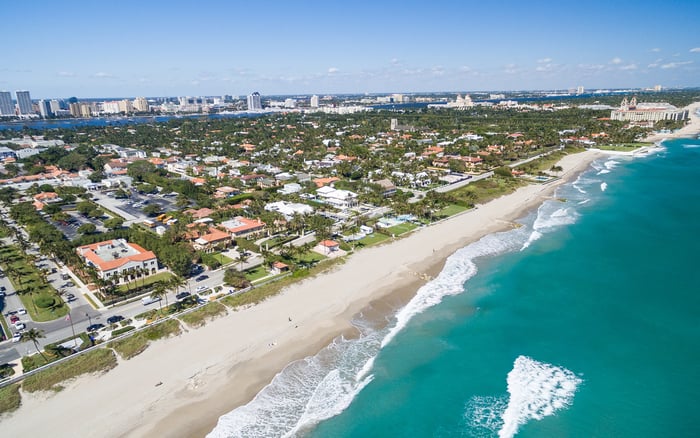
A practical luxury buyer’s guide for Paris-based and international clients evaluating South Florida homes through weekday livability, neighborhood rhythm, access, services, schools, dining, wellness, boating, and long-term usability.
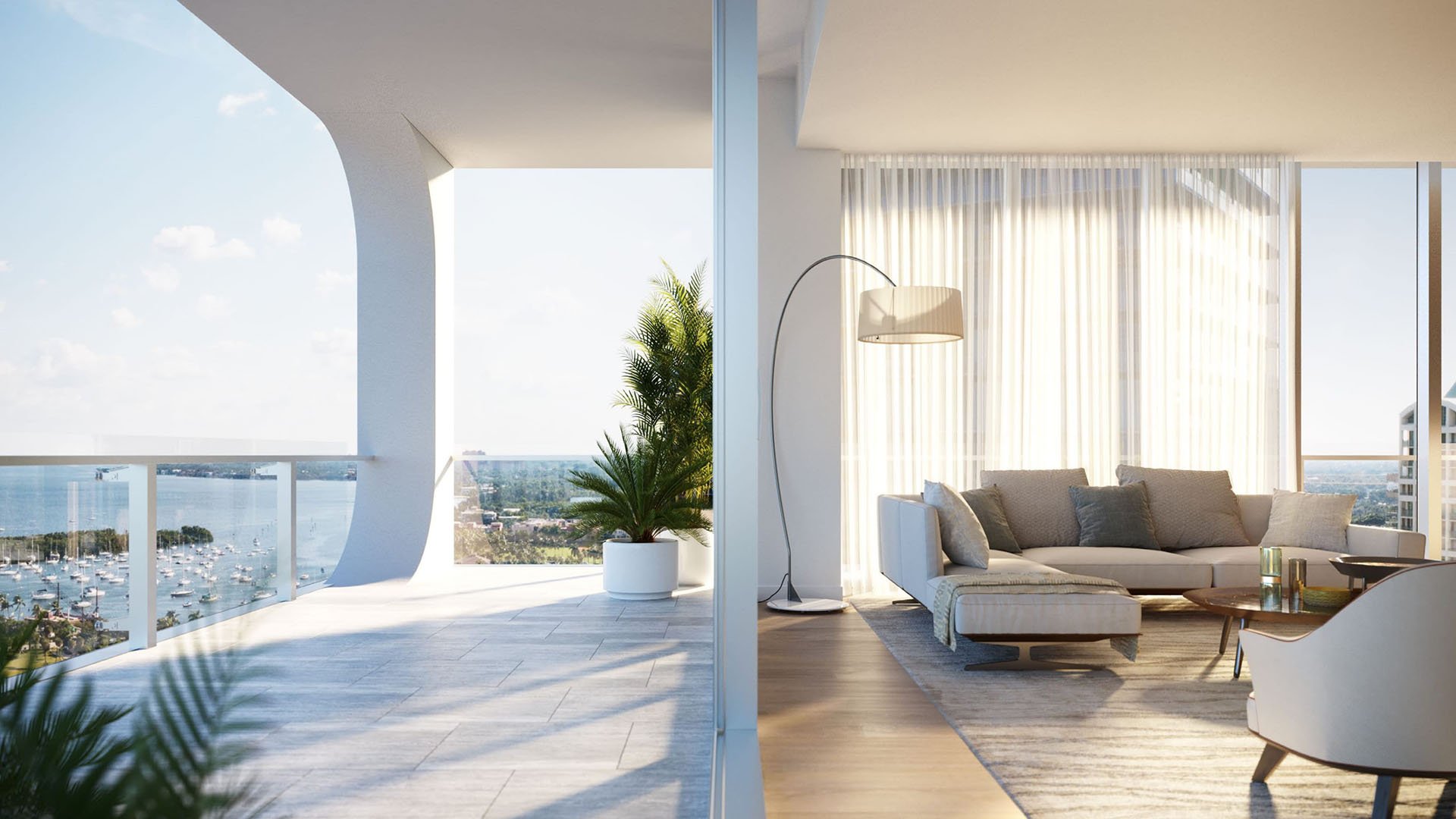
For a Paris buyer considering Fort Lauderdale and the wider South Florida coast, the first seduction is often water: a marina view, an Atlantic horizon, a terrace set for dinner after a long flight. The better purchase, however, usually begins with a less cinematic question: what happens on an ordinary Tuesday?
South Florida luxury is not one market mood. It is a series of neighborhood rhythms. Some addresses are built for a resort life that begins on Friday afternoon. Others quietly support school runs, office calls, medical appointments, fitness routines, private clubs, marina access, dining, and airport timing without turning each day into a negotiation with traffic or logistics. That distinction matters most for buyers coming from Paris, where neighborhood life is measured by proximity, ritual, and repeatable convenience.
A home that works on weekdays should make the owner feel more settled, not more scheduled. In Fort Lauderdale, that may mean proximity to Las Olas without living directly inside its energy. It may mean Fort Lauderdale Beach in a building that absorbs the resort element rather than amplifying it. It may mean a waterfront residence where the boat is part of the week, not merely a weekend accessory.
Paris teaches buyers to value the walkable circuit: café, market, pharmacy, school, office, restaurant, park. South Florida is more horizontal, so the question is less about walking everywhere and more about reducing the number of decisions required each day. A strong neighborhood has a legible routine. You know where you will take coffee, where guests will stay, how long the drive feels at peak times, and whether the surrounding environment remains calm when the weekend crowd arrives.
Begin with a realistic weekday itinerary. Include airport transfers, remote work hours, school or tutoring needs, grocery habits, salon and wellness appointments, dining preferences, pets, boating, beach use, and guest arrivals. Then test neighborhoods against that list. If the home is beautiful but every errand feels like a production, the address may be better as a second-home fantasy than as a working base.
This is where Fort Lauderdale can be compelling. It offers a blend of city, beach, and marina culture in a relatively intuitive geography. Buyers who want branded service and a recognizable hospitality standard may naturally consider Four Seasons Hotel & Private Residences Fort Lauderdale, where the appeal is not only the name, but the possibility of simplifying daily life around service, arrival, and the oceanfront routine.
Fort Lauderdale is not a single lifestyle decision. It divides into distinct weekday personalities. Near Las Olas, the emphasis is access to restaurants, galleries, business services, and a more urban social pattern. Along Fort Lauderdale Beach, the equation shifts toward sand, views, hotel energy, and resort-adjacent living. On the waterways, privacy and boating move to the center, but the buyer must be honest about drive times and daily services.
For the owner who wants to move between marina life and a polished residential setting, St. Regis® Residences Bahia Mar Fort Lauderdale speaks to a specific desire: proximity to the water, a hospitality frame, and a location that can function for social visits as well as quieter stays. It suits the buyer who does not want the residence to feel remote from the city’s usable amenities.
A different buyer may prefer a more residential cadence, where the building feels less like a vacation statement and more like a private home base. Riva Residenze Fort Lauderdale fits naturally into that conversation because it shifts the discussion from spectacle toward everyday ease: arrival, outlook, privacy, and the ability to live well without always being on display.
The key is to avoid choosing only by view. In South Florida, a view can be extraordinary and still be inconvenient. The right residence should pass the weekday test before it wins the sunset contest.
Some buyers begin with Fort Lauderdale, then discover that their weekday life points south. If the calendar is dominated by finance, legal meetings, international dining, private events, and a denser urban rhythm, Brickell may be more practical. It is not quieter, but it can be more efficient for a buyer whose work and social life are already concentrated in Miami.
A residence such as 2200 Brickell belongs in the comparison when the buyer wants a Miami base structured around urban access rather than beach resort identity. For a Parisian accustomed to the intensity of a central district, Brickell can feel more legible than expected: vertical living, nearby restaurants, services close at hand, and a clear separation between weekday momentum and weekend escape.
Coconut Grove offers a different Miami answer. It is softer, greener in feeling, and more residential in tone. Buyers considering schools, parks, boating culture, and a less corporate rhythm often include Coconut Grove in the shortlist. The Well Coconut Grove is useful in this context because wellness-oriented living is increasingly part of the weekday calculation, not a decorative amenity category. The best luxury amenity is the one you actually use before 9 a.m. on a normal day.
Boca Raton enters the conversation when the buyer wants polish, order, privacy, and a calmer residential tempo. It may appeal to families, long-stay seasonal owners, or buyers who want South Florida without the constant performance of a busier urban core. The decision is not about escaping Miami or Fort Lauderdale. It is about selecting a different form of daily control.
A project such as Alina Residences Boca Raton can help frame the question: does the buyer want the home to sit within a refined, town-centered lifestyle where dining, wellness, and residential calm matter as much as beach proximity? For some Paris clients, Boca Raton feels less like a holiday and more like a genuine relocation option, particularly when the weekly schedule requires predictability.
The caution is the same as everywhere else. Do not confuse serenity with convenience. A beautiful, quiet home still needs to connect to the life you intend to live. If the daily map stretches too far, the elegance begins to feel theoretical.
First, test arrival. After a transatlantic flight, the last thirty minutes matter. A residence should feel easy to reach, easy to enter, and easy to reset.
Second, test morning life. Where do you take coffee, exercise, walk the dog, or meet a driver? If the morning routine is awkward, the home will not feel natural.
Third, test service depth. Luxury buildings are not interchangeable. Concierge culture, valet experience, privacy, maintenance, package handling, and guest management shape daily satisfaction.
Fourth, test evening use. Some neighborhoods are elegant by day and inconvenient after dinner. Others become livelier at precisely the moment you want quiet. Visit at the times you will actually live there.
Fifth, test guest friction. South Florida homes often become gathering points for family and friends. The best address welcomes guests without turning the owner into a logistics manager.
Build the search from neighborhood to building, then from building to floor plan. Too many buyers reverse the order and fall in love with a residence that solves the wrong problem. A refined purchase begins by defining weekday identity: beach daily, marina daily, urban daily, family daily, or wellness daily.
Then compare no more than three neighborhoods at a time. Fort Lauderdale, Brickell, and Coconut Grove make one useful triangle. Fort Lauderdale, Boca Raton, and Palm Beach County create another. The goal is not to see everything. It is to eliminate what does not support your real life.
Finally, insist on discretion. The most successful South Florida purchase may not be the loudest address in the room. It is the one that lets you arrive from Paris, open the door, and feel that the week has already been arranged in your favor.
Should a Paris buyer choose Fort Lauderdale or Miami first? Start with weekday obligations. Choose Fort Lauderdale for a balanced beach, marina, and city rhythm, and Miami when daily business and social life are concentrated there.
Is Fort Lauderdale Beach practical for full-time use? It can be, if the building and exact location manage arrival, privacy, parking, and service well. The beach setting should simplify life, not turn every day into a resort negotiation.
Why is Las Olas important in the search? Las Olas gives Fort Lauderdale a more urban anchor, with dining and services that can support weekday living. Buyers should decide whether they want to be near that energy or slightly removed from it.
Does a waterfront home always make sense in South Florida? Not always. Waterfront living is compelling, but the right choice depends on access, privacy, maintenance expectations, boating needs, and the daily drive pattern.
How should buyers compare branded residences? Look beyond the name and evaluate service culture, privacy, arrival experience, wellness, guest handling, and whether the amenities match actual habits.
Is Brickell too intense for a European buyer? Brickell can feel intense, but it may suit buyers who value urban efficiency, dining, business access, and a vertical city lifestyle. The tradeoff is less quiet and more movement.
When does Coconut Grove make sense? Coconut Grove suits buyers who want a softer residential mood, wellness, greenery, boating proximity, and a less corporate daily rhythm than central Miami.
Why consider Boca Raton? Boca Raton may fit buyers seeking calm, polish, privacy, and a more predictable residential environment. It is especially relevant when the home must support longer stays.
What is the biggest mistake in choosing a South Florida home? The common mistake is buying the view before testing the week. A spectacular residence must still work for errands, guests, wellness, dining, and arrival.
How many neighborhoods should be compared at once? Compare two or three serious options at a time. A tighter search makes it easier to understand tradeoffs and avoid being distracted by unrelated lifestyles.
To compare the best-fit options with clarity, connect with MILLION.
If branded residences are on your mind — as a home or as an allocation — we would be glad to share what we are seeing, privately.
Begin a quiet conversation