A discreet buyer’s guide to choosing between Edgewater and North Bay Village when visiting family, friends, and overnight guests are central to daily life.
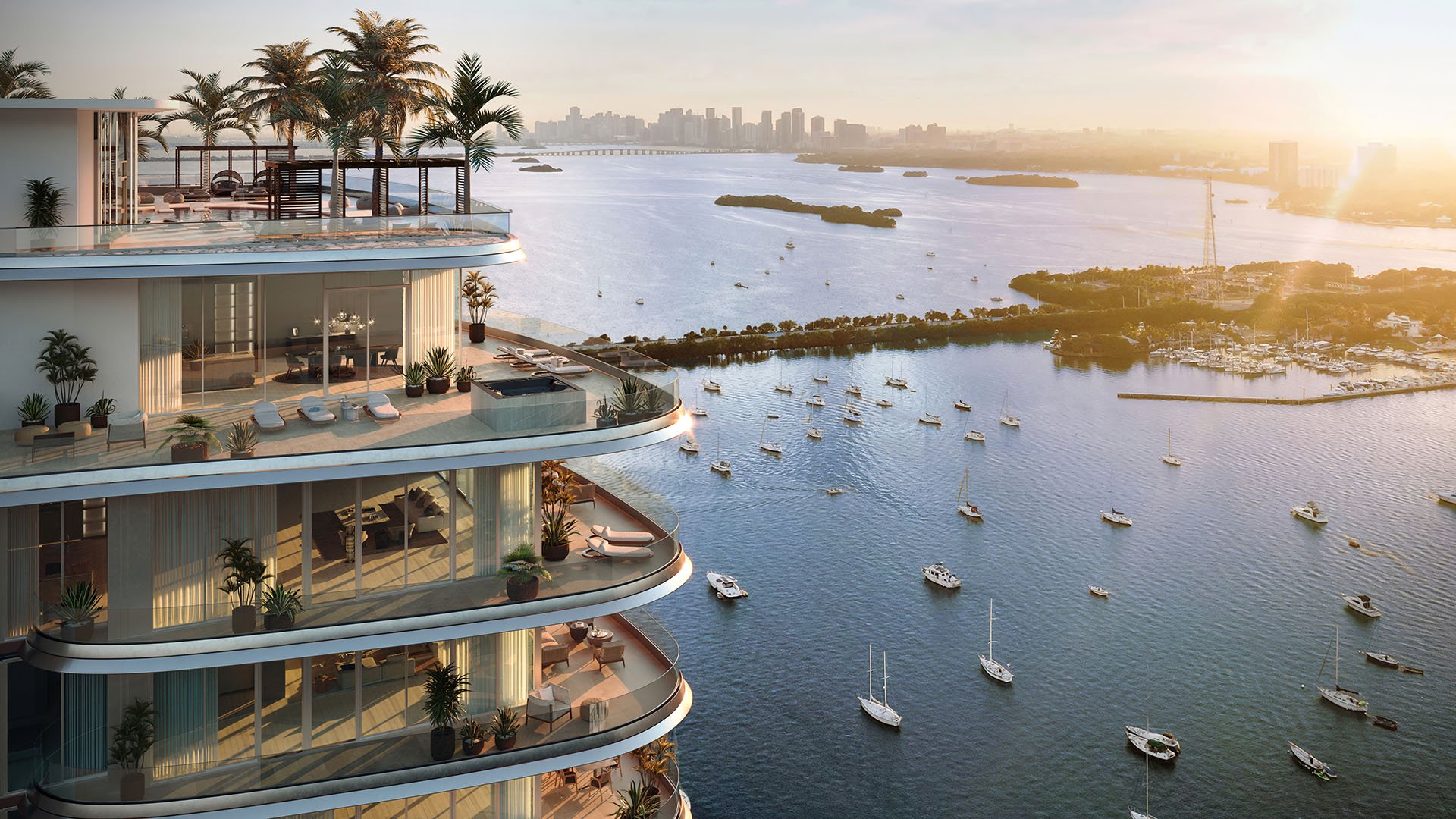
For buyers who host often, the choice between Edgewater and North Bay Village is less about which neighborhood feels more fashionable and more about how visitors alter the rhythm of daily life. A residence that lives beautifully for one or two people can feel strained when parents arrive for a week, adult children fly in for the weekend, or friends expect a polished South Florida stay without constant coordination.
Edgewater tends to appeal to buyers who prefer a more urban daily cadence. It can suit hosts who like entertaining before dinner, stepping out for a change of scene, and keeping guests close to the city’s cultural and social energy. North Bay Village, by contrast, often resonates with buyers who want a more residential, bay-oriented mood, where the home itself becomes the primary destination.
Neither answer is universal. The more useful question is this: when guests arrive, do you want the neighborhood to entertain them, or do you want the residence to absorb them gracefully?
Edgewater is often the better fit for buyers who host socially active guests: visitors who enjoy full days, evening plans, and the ability to move between a private residence and a broader urban setting without making the home responsible for the entire itinerary. For this buyer, the residence is a refined base, not the whole experience.
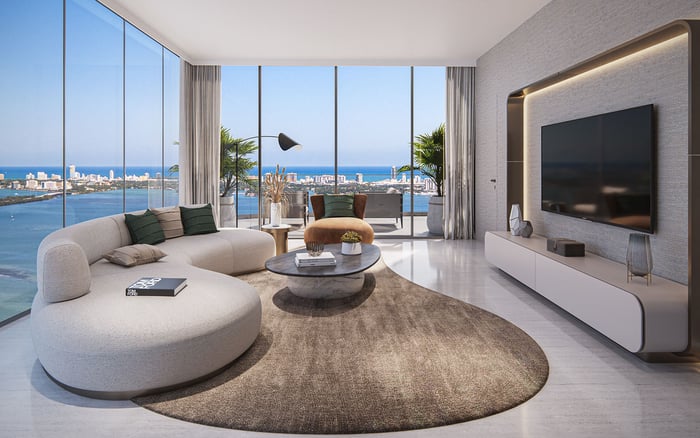
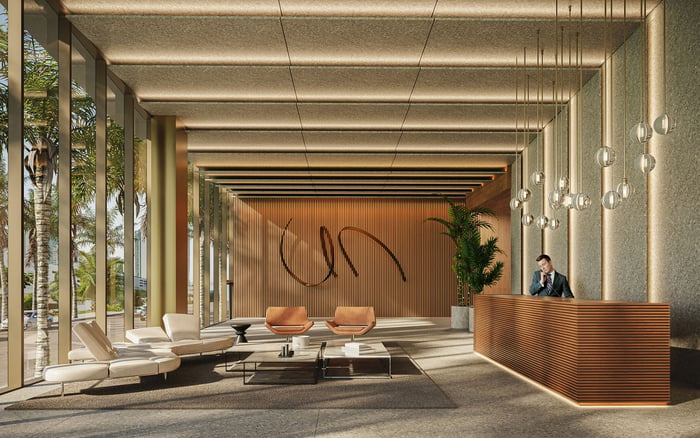
That makes building selection especially important. A buyer considering Aria Reserve Miami, for example, should look beyond the view line and consider how the arrival sequence feels when several guests come at once. Is there a graceful place to meet in the lobby? Does the elevator experience feel private? Can visitors wait comfortably without making the home feel exposed?
In an Edgewater setting, frequent hosts should also consider how interiors perform when schedules overlap. One guest may be waking early for coffee while another returns late from dinner. Split bedrooms, powder rooms near entertaining spaces, acoustic separation, and usable terraces can matter more than raw square footage. The ideal plan lets the owner preserve routine while guests feel accommodated rather than merely tolerated.
Projects such as EDITION Edgewater invite a similar line of questioning for buyers who value hospitality, service, and a composed sense of arrival. The point is not simply whether a building is impressive. It is whether it can support the choreography of repeat hosting: luggage, valet timing, morning workouts, quiet work calls, sunset drinks, and a late dinner reservation.
North Bay Village may be the stronger choice for buyers whose guests come to settle in. This is the visiting family member who wants a slower morning, the couple who enjoys long conversations on the terrace, or the out-of-town friend who prefers bay air to a packed schedule. Here, the best home is less of a launchpad and more of a private retreat.
The appeal is strongest for buyers who want a sense of separation between public Miami and private life. If hosting means cooking at home, lingering over wine, or giving guests a true bedroom rather than a converted den, North Bay Village can feel more aligned with that temperament. The lifestyle is not necessarily quieter in every moment, but it often suggests a more contained form of luxury.
A project like Continuum Club & Residences North Bay Village belongs in the conversation for buyers weighing how a building can support entertaining without making every visit feel like an event. The best questions are practical: where do guests park, how do they enter, how visible are common areas, and how easily can owners host without losing privacy?
For buyers considering Shoma Bay North Bay Village, the analysis should also include the emotional tone of the stay. Some guests want proximity to activity, but many frequent visitors want an address that feels calm after a day out. If the home is where people naturally gather, a more residential bayfront atmosphere may be the wiser long-term decision.
Frequent guests reveal every weakness in a floor plan. A beautiful two-bedroom can feel small if the secondary suite lacks privacy, while a slightly more restrained residence can live generously when circulation is intelligent. Buyers should study the guest bedroom first, not last. Is it near the entry or tucked away? Does it have access to a bath that feels appropriate for overnight visitors? Can it function for a parent, a nanny, an adult child, or a couple?
The same logic applies to entertaining space. A broad living room is useful, but awkward furniture placement can make hosting feel performative. A terrace that comfortably accommodates conversation may be more valuable than an interior area that photographs well but lacks flexibility. Waterfront views can elevate the experience, but only if seating, shade, and privacy make them usable.
Waterview considerations should be handled with precision. The best view is not always the widest view. For frequent hosts, the stronger view may be the one that gives guests a memorable sense of place while allowing owners to live comfortably day to day. Glare, exposure, balcony depth, and the relationship between living spaces and bedrooms all deserve attention.
Buyers with frequent guests should be careful not to confuse amenity volume with hospitality quality. The most valuable amenities are the ones that quietly reduce friction. A well-run lobby, intuitive arrival, pleasant guest waiting areas, flexible social rooms, and outdoor spaces that do not require constant planning can make hosting feel effortless.
Pool areas matter, but so does their tone. Some buyers want a scene that energizes guests. Others want a place where visiting family can spend a calm afternoon without feeling underdressed or overexposed. Fitness facilities, lounges, private dining options, and wellness spaces should be evaluated through the lens of repeat use rather than novelty.
Marina considerations can also influence the decision for buyers who spend time on the water or host guests who do. The question is not simply whether boating is part of the fantasy. It is whether the building and neighborhood make water access feel natural, convenient, and consistent with the owner’s actual habits.
The most sophisticated hosts plan for details guests rarely notice. Parking, rideshare flow, front desk protocol, elevator privacy, package handling, and after-hours access can define the experience. When these systems work, visitors feel cared for. When they do not, the owner becomes the concierge.
Edgewater buyers should focus on how an urban building manages movement. Frequent guests may arrive at peak times, with luggage, children, or older relatives. The building should make those arrivals feel dignified rather than hectic. North Bay Village buyers should focus on whether the quieter promise of the setting is matched by practical access, service quality, and easy guest orientation.
Privacy is equally important. Hosts often imagine togetherness, but long visits require separation. The best residences create zones: a place for the owner to retreat, a place for guests to work or read, and a shared area that feels generous without demanding constant interaction.
Choose Edgewater if your guests are energetic, independent, and likely to use the city as part of the visit. It is also a compelling fit if you enjoy hosting before or after plans elsewhere, value urban momentum, and want a home that feels connected to Miami’s evolving residential conversation. For this lifestyle, the residence should support movement, ease, and polished transitions.
Choose North Bay Village if your guests tend to stay longer, spend more time at home, or prefer a residential rhythm around the bay. It may also fit buyers who want visiting family to feel comfortable without turning the home into a social stage. For the right household, North Bay Village offers a guest experience that feels less scheduled and more personal.
The final choice is not Edgewater versus North Bay Village in the abstract. It is a question of hosting identity. Some buyers want guests to experience the city. Others want guests to experience the home. The best purchase is the one that makes that distinction feel obvious.
Is Edgewater better for guests who like dining and nightlife? Edgewater is often the more natural fit for guests who want an urban rhythm and frequent plans outside the residence.
Is North Bay Village better for longer guest stays? It can be, especially for buyers who want a calmer home base where visitors spend more time relaxing at the residence.
Should I prioritize an extra bedroom or a better primary suite? Frequent hosts should give real weight to the guest suite, but not at the expense of owner privacy and daily comfort.
Are amenities more important in Edgewater or North Bay Village? Amenities matter in both, but the best ones reduce effort rather than simply adding visual appeal.
What floor plan feature matters most for hosting? Separation between bedrooms and entertaining areas is often the difference between easy hosting and constant compromise.
Does a terrace matter for frequent guests? Yes, if it is genuinely usable for conversation, dining, or quiet mornings rather than just decorative outdoor space.
Should buyers consider parking and arrival flow? Absolutely. Guest arrivals, luggage, valet timing, and lobby comfort can shape the entire hosting experience.
Is waterfront living automatically better for visitors? Not automatically. The view and setting should support the way guests actually spend time in the home.
Can a smaller residence still work for frequent guests? Yes, if the layout is efficient, storage is thoughtful, and guest areas feel intentional rather than improvised.
What is the simplest way to decide between the two? Choose Edgewater if the city is part of the visit, and North Bay Village if the home is meant to be the main retreat.
For a confidential assessment and a building-by-building shortlist, connect with MILLION.
If branded residences are on your mind — as a home or as an allocation — we would be glad to share what we are seeing, privately.
Begin a quiet conversation