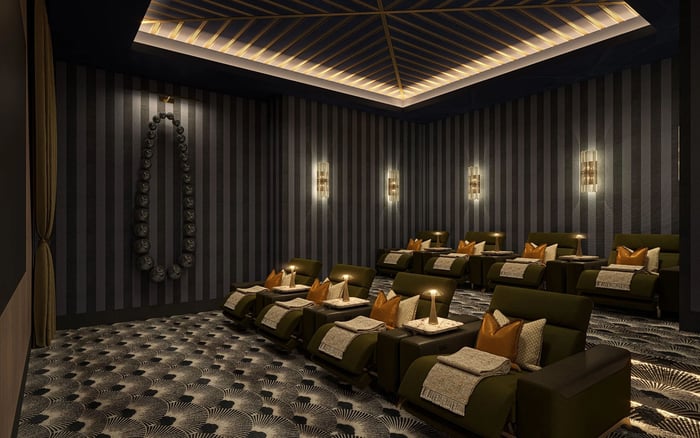
A discreet guide for Dallas buyers evaluating wellness-led residences in South Florida, from Fisher Island privacy to daily routines, service culture, outdoor space, and long-term fit.
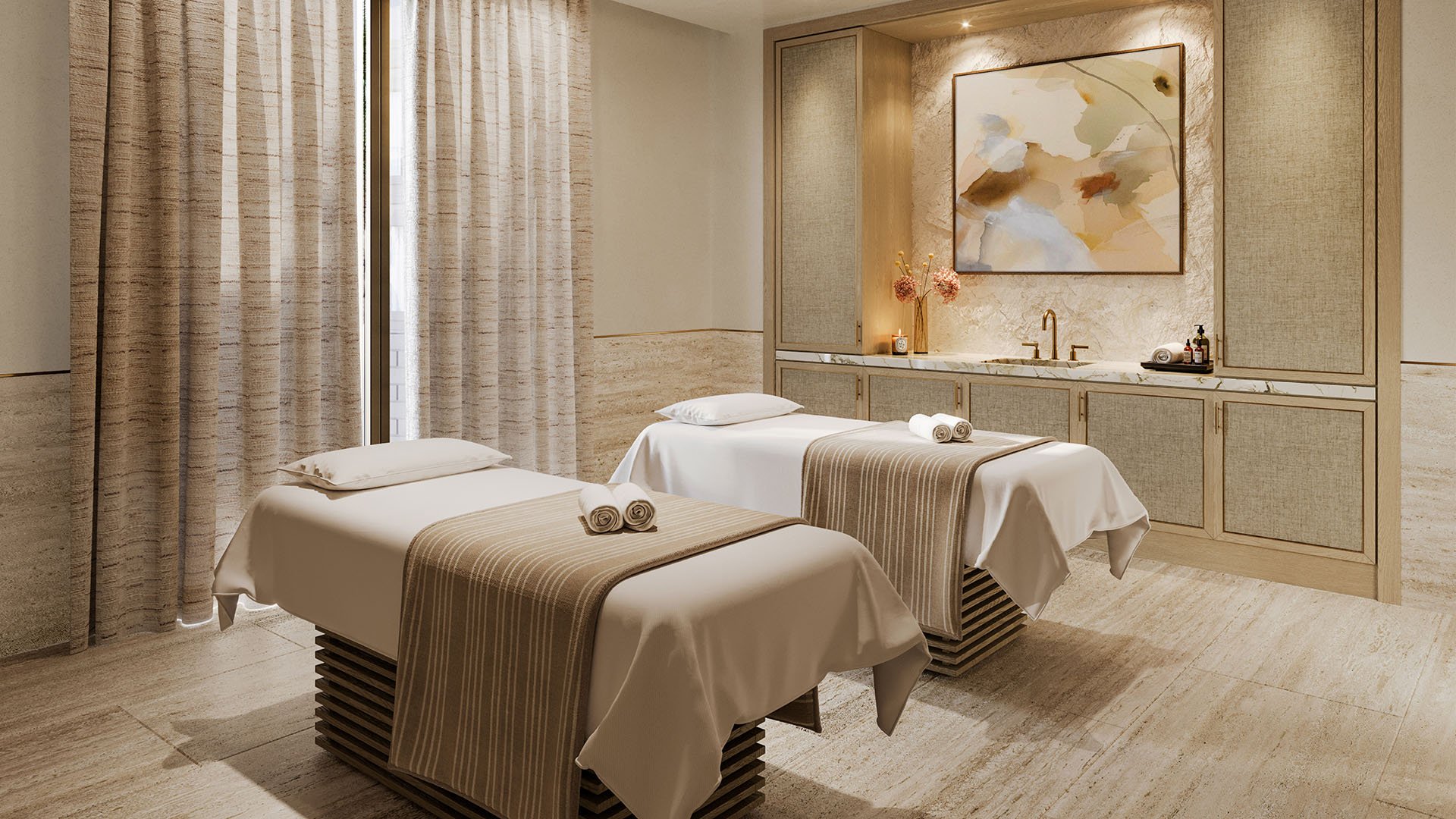
For a Dallas buyer considering Fisher Island, the most important question is not simply where to buy. It is how the residence will change the way each day feels. Wellness-led living is no longer defined by a gym in the building or a spa room behind glass doors. At the ultra-premium level, it is a complete domestic framework: arrival, privacy, air, light, silence, outdoor space, food rituals, recovery, social boundaries, and the ease with which a family moves between work, rest, and entertaining.
That is why South Florida requires a different lens. A residence that looks impressive in a presentation may not support the buyer’s preferred rhythm. The best decision begins with a personal operating manual. How early does the household wake? Is the priority training, sleep, family dining, hosting, ocean air, security, or a more discreet social life? The answers separate a beautiful property from a genuinely wellness-led home.
The practical challenge is to avoid buying the amenity narrative before understanding the daily use case. In this market, wellness should be measured by repeatable comfort.
Fisher Island appeals to buyers who want a more insulated version of South Florida living. Its wellness value is not only aesthetic. It is the ability to create distance from the city while remaining connected to Miami’s broader cultural and business life. For some Dallas buyers, that separation is the point: a home that functions as a retreat, not another high-energy address.
Residences such as The Residences at Six Fisher Island speak to that buyer psychology because the name itself signals a Fisher Island setting and a residential format oriented around discretion. For buyers seeking a more estate-like feeling, The Links Estates at Fisher Island may also enter the conversation, especially when the priority is space, privacy, and an environment that feels intentionally removed.
The due diligence question is simple: does the island lifestyle support your everyday routine, or only your vacation self? If the buyer expects frequent evening movement across Miami, the residence must be evaluated for logistics as much as serenity. If the buyer values seclusion above spontaneity, Fisher Island becomes a stronger wellness proposition.
A wellness-led residence should be assessed in layers. The first layer is passive wellness: natural light, ceiling heights, acoustics, orientation, shaded outdoor areas, bedroom separation, and the relationship between living spaces and terraces. These qualities shape mood without requiring a scheduled appointment.
The second layer is active wellness: fitness, movement, spa, pool, recovery, treatment rooms, and programming. These features matter, but only when they align with the household’s actual habits. A private training room is valuable for a daily user. A dramatic spa suite is meaningful if it replaces outside appointments. A lap pool carries a different value than a social pool.
The third layer is service wellness. This is the quiet luxury of friction being removed. Valet, security, package handling, maintenance, food and beverage access, pet routines, guest arrivals, and staff coordination can all influence how relaxed a residence feels. In the highest tier, service is not decoration. It is part of the architecture of ease.
Not every wellness buyer should begin and end with Fisher Island. A Dallas household should compare several lifestyle formats before committing. Miami Beach offers a more immediate coastal rhythm. Coconut Grove offers a greener, village-like pace. Bay Harbor Islands can feel residential and connected, while Brickell places the buyer closer to business, dining, and vertical city energy.
For buyers focused specifically on branded wellness concepts, The Well Bay Harbor Islands is a natural reference point because its identity is directly tied to wellness living. In Coconut Grove, The Well Coconut Grove offers another way to think about the category, especially for buyers drawn to a softer neighborhood atmosphere rather than an island setting.
Waterfront living deserves a separate evaluation. Water views can be emotionally powerful, but the buyer should consider exposure, privacy, terrace usability, and the way sun patterns affect different rooms. The right waterfront residence should feel restorative in the morning, livable in the afternoon, and composed at night.
Renderings and amenity menus rarely reveal the full wellness experience. Walk the arrival sequence slowly. Notice whether the lobby feels calm or performative. Stand in the primary bedroom and listen. Open terrace doors, if possible, and understand the relationship between indoor comfort and outdoor life. Look at the kitchen not as a showpiece, but as the center of weekday nutrition, family routines, and informal entertaining.
In the primary suite, study morning light, closet flow, bath privacy, and the distance from social spaces. A wellness residence should make recovery intuitive. Bedrooms should feel protected. Bathrooms should not feel like public theater. Terraces should be deep enough and pleasant enough to use, not simply photograph.
The most sophisticated buyers also ask how the building will age. Wellness is compromised when maintenance is inconsistent, service culture is uneven, or common spaces feel tired before their time. Materials, management, and resident density all influence the long-term calm of a property.
The wellness-led purchase is often emotional because it promises a better life. That is precisely why discipline matters. A Dallas buyer should identify non-negotiables before touring: privacy level, bedroom count, outdoor space, service expectations, pet needs, guest patterns, fitness habits, school or family considerations, and preferred distance from Miami’s core neighborhoods.
Then rank each residence against those priorities. The winning property may not have the longest amenity list. It may be the home where the household sleeps better, entertains more easily, moves with less friction, and feels more private without feeling isolated.
Resale should not dominate a lifestyle purchase, but it should guide it. The most durable residences tend to have clarity: a strong location identity, a coherent floor plan, a credible wellness proposition, and a living experience that future buyers can immediately understand. In that sense, wellness is not a trend layered onto luxury. It is becoming one of the ways luxury is judged.
What makes a residence wellness-led? It supports daily well-being through light, privacy, movement, rest, outdoor space, service, and ease of living, not just amenity count.
Is Fisher Island the right choice for every Dallas buyer? No. It is best suited to buyers who prioritize privacy, retreat-like living, and a more discreet South Florida rhythm.
Should I choose Fisher Island or Miami Beach? Choose Fisher Island for separation and privacy. Choose Miami Beach if you want a more immediate coastal and social lifestyle.
Are branded wellness residences worth considering? They can be, especially when the programming, design, and services match routines the household will actually use.
What should I inspect beyond amenities? Study arrival, acoustics, bedroom privacy, terrace usability, service flow, natural light, and how the residence feels at different times of day.
How important is outdoor space? Very important for many South Florida buyers, but it should be usable, shaded when needed, private, and naturally connected to the interior.
Can a high-rise residence feel restorative? Yes, if the plan is quiet, the views are calming, the service is efficient, and the building avoids unnecessary friction.
What is the biggest mistake wellness buyers make? They confuse a long amenity list with a better daily life. The best residence supports habits, not just aspirations.
Should resale matter in a wellness purchase? Yes. A clear location, functional floor plan, strong privacy, and a coherent wellness identity can help protect long-term appeal.
When should I begin comparing neighborhoods? Begin before touring individual residences, because neighborhood rhythm often determines whether the wellness promise is practical.
To compare the best-fit options with clarity, connect with MILLION.
If branded residences are on your mind — as a home or as an allocation — we would be glad to share what we are seeing, privately.
Begin a quiet conversation